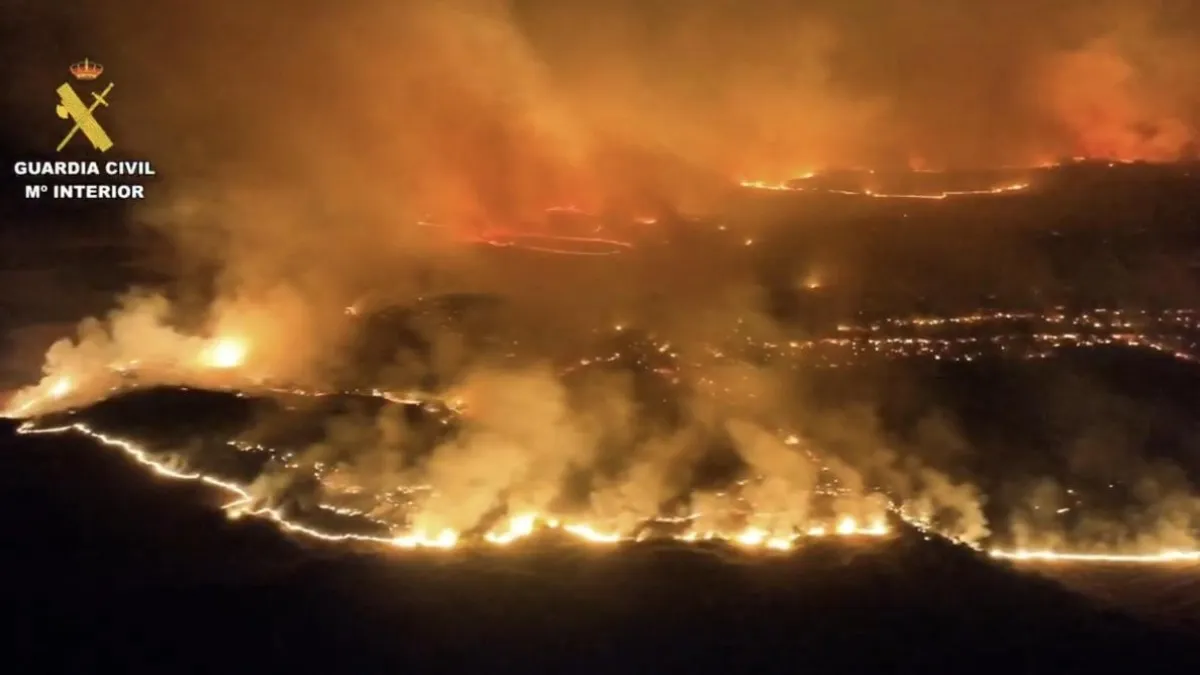
Madrid, Spain – July 19, 2026 – Spain is grappling with a relentless onslaught of wildfires, with two major infernos raging across the country, consuming tens of thousands of hectares and forcing the evacuation of thousands of residents. The blazes, particularly fierce in the Guadalajara province, northeast of Madrid, and near Zaragoza, have highlighted Spain’s acute vulnerability to the escalating climate crisis, which is manifesting in increasingly frequent and intense heatwaves. While authorities report no fatalities from these specific fires to date, the situation remains "difficult," challenging hundreds of firefighters and military personnel working tirelessly to contain the expanding conflagrations.
The dual crisis unfolds as Spain braces for its third major heatwave of the summer, a grim forecast that threatens to exacerbate already critical conditions and further strain emergency resources. This comes on the heels of one of the deadliest wildfires in recent Spanish history earlier this month in Andalusia, underscoring a worrying trend of environmental devastation across the Iberian Peninsula.
The Frontlines: Guadalajara’s Sierra Norte Under Siege
A Battle Against Unrelenting Flames
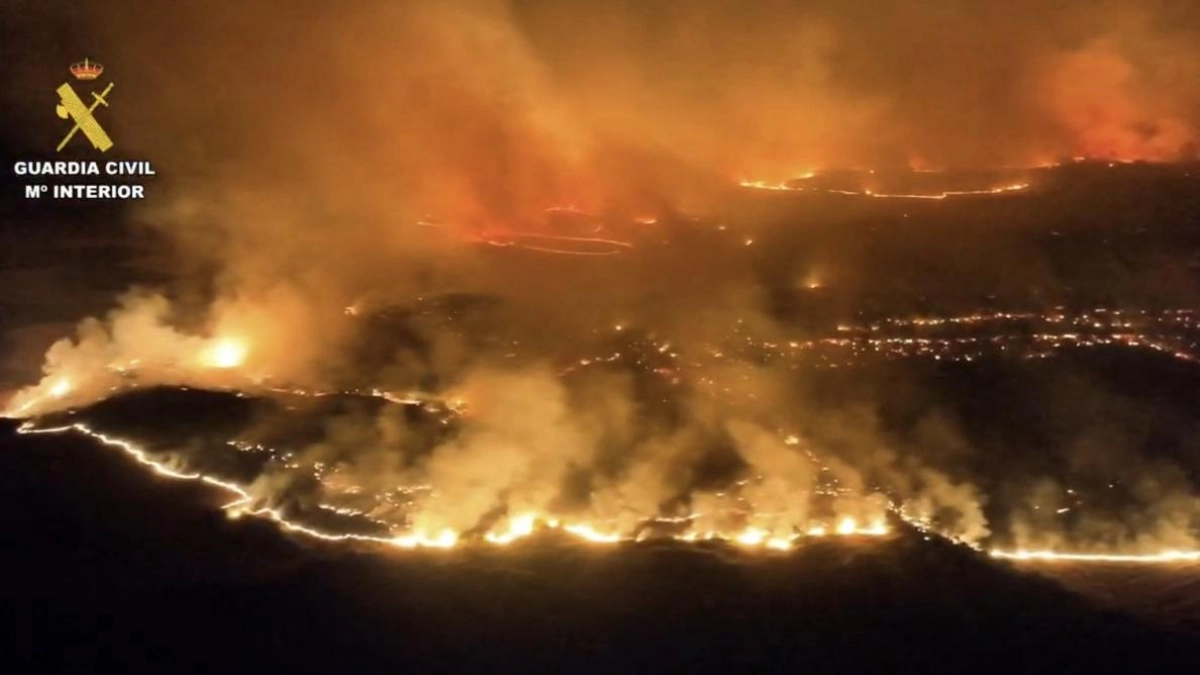
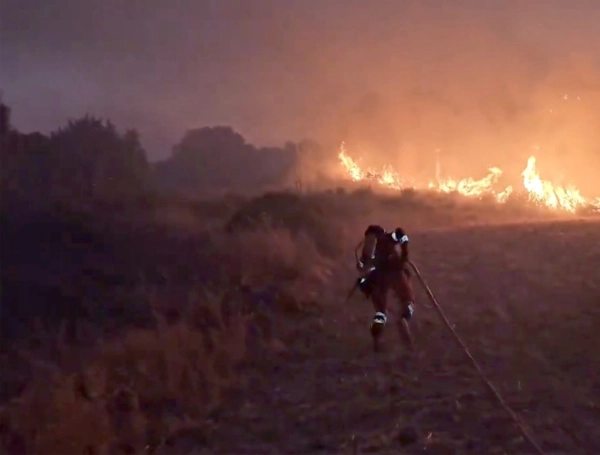
The most critical situation currently unfolds approximately one hundred kilometers north of the capital, Madrid, in the province of Guadalajara. Here, an inferno that ignited last Thursday near the village of La Mierla has spiraled out of control, spreading with alarming speed. By Sunday, local authorities confirmed that the blaze had already ravaged more than 13,000 hectares of land, forcing an estimated 700 people from their homes. These residents, primarily from rural communities, have been displaced from their ancestral lands, seeking refuge from the advancing flames and choking smoke.
The impact of this particular fire extends far beyond immediate property damage and human displacement. A significant portion of the affected area lies within the Sierra Norte Natural Park, a protected region renowned for its rich biodiversity and fragile ecosystems. This natural jewel, characterized by dense forests of oak and pine, deep river gorges, and rugged mountainous terrain, serves as a vital habitat for a multitude of species. Conservationists and environmental agencies are expressing grave concerns about the fate of endangered wildlife, including various species of eagles, such as the Spanish Imperial Eagle, as well as Iberian wolves and unique butterfly species that call this park home. The long-term ecological ramifications of such extensive destruction to this critical habitat are profound and potentially irreversible.
Despite the monumental scale of the devastation, officials have thankfully confirmed that there have been no direct casualties reported from the La Mierla fire so far. However, the President of the region of Castilla-La Mancha, Emiliano García-Page, characterized the situation as "difficult" in a post on X (formerly Twitter), reflecting the immense challenges faced by responders on the ground. The rugged topography, combined with dense vegetation and unpredictable wind patterns, makes containment efforts exceptionally arduous and dangerous.

Mobilization and Response Efforts
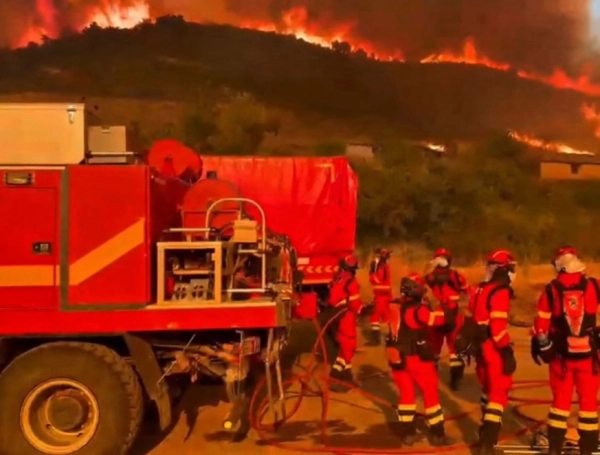
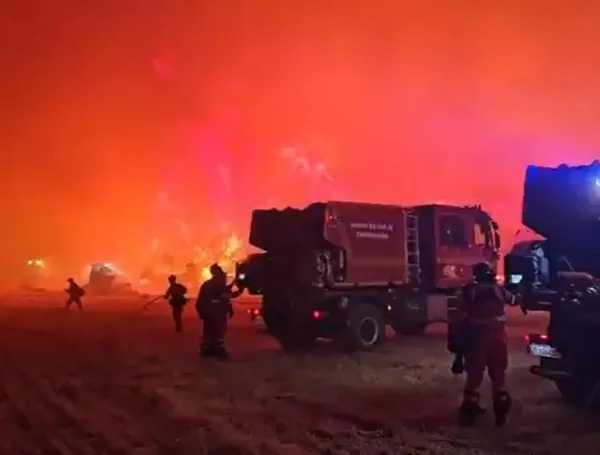
In response to the escalating crisis, a substantial contingent of emergency personnel has been deployed to the Guadalajara front. Approximately 350 firefighters, drawn from various regional brigades, are working in grueling shifts, battling the intense heat and flames. They are bolstered by the highly specialized Unidad Militar de Emergencia (UME), Spain’s military emergency unit, which brings additional manpower, advanced equipment, and strategic coordination capabilities to the scene.
The ground efforts are supported by a formidable aerial fleet, with 26 aircraft, including water-bombing planes and helicopters, continuously shuttling between water sources and the fire lines. These aerial assets are crucial for directly attacking the flames, creating firebreaks, and protecting residential areas from the relentless advance of the inferno. However, even with such a concerted effort, the sheer scale and intensity of the fire, fueled by dry conditions and high temperatures, present an formidable challenge to the brave men and women on the front lines. The coordination between regional and national resources is paramount in such large-scale emergencies, emphasizing the importance of integrated disaster response strategies.
Aragon’s Ordeal: A Glimmer of Hope in Zaragoza
From Evacuation to Cautious Optimism
Concurrently, another significant wildfire erupted last Wednesday in the northeastern part of the country, near the city of Zaragoza. This blaze, though equally destructive in its early stages, has shown signs of abatement, offering a glimmer of hope amidst the nationwide crisis. Initially, this fire forced the evacuation of approximately 1,000 people from their homes, disrupting countless lives and placing immense strain on local communities.
Early estimates suggested that the Zaragoza fire had consumed a staggering 16,000 hectares. However, recent revisions based on improved mapping and assessment indicate a slightly lower, though still devastating, figure of approximately 14,400 hectares. The Vice-President of Aragon, María del Mar Vaquero, offered a cautiously optimistic update during an appearance on Spanish public television. She reported that firefighters, aided by a favorable shift in meteorological conditions – likely referring to a decrease in wind speed or a slight dip in temperatures – have managed to significantly curb the fire’s propagation.
Vaquero also addressed the plight of the evacuated residents, stating that "the different services will decide when the evacuated people… can return to their homes." This decision will be made judiciously, taking into account the complete containment of the fire, the safety of the areas, and the potential for lingering dangers such as smoke or damaged infrastructure. Crucially, like the Guadalajara fire, no victims have been reported in connection with the Zaragoza blaze, a testament to effective early warning systems and evacuation protocols. While the immediate danger may be receding in Aragon, the task of recovery and restoration for the affected communities and natural landscapes will be long and arduous.
A Nation on Edge: The Broader Context of Spain’s Fire Crisis
Looming Threat: Third Heatwave on the Horizon
The current wildfire crisis is unfolding against a backdrop of alarming climatic trends that are transforming Spain’s landscape and challenging its resilience. The most immediate concern is the impending arrival of the country’s third major heatwave of the summer, forecast to begin on Tuesday. Such extreme weather events are no longer isolated occurrences but have become a defining feature of Spanish summers. Each successive heatwave brings with it a surge in temperatures, often exceeding 40°C across vast swathes of the country, accompanied by arid conditions that transform forests and scrublands into highly combustible fuel.

The combination of prolonged drought, low humidity, and scorching temperatures creates a perfect storm for the ignition and rapid spread of wildfires. Even a single spark, whether from human activity or natural causes like lightning, can quickly escalate into an uncontrollable inferno. The relentless succession of heatwaves also exhausts emergency services and leaves little time for affected areas to recover, creating a dangerous cycle of environmental degradation and human suffering.
A Recurring Nightmare: Past Disasters and Climate Change
Spain has been on the front line of climate change impacts for several years, experiencing increasingly prolonged and frequent heatwaves. These conditions are not merely uncomfortable; they are fundamentally altering the country’s ecosystems, contributing to desertification, and creating unprecedented wildfire seasons. The current fires are a stark reminder of the devastating consequences of this shift.
Just weeks prior, on July 9, southern Andalusia was ravaged by one of the most deadly wildfires in Spain’s recent history. That inferno claimed 13 lives and obliterated approximately 7,000 hectares, leaving behind a trail of grief and desolation. The memory of this tragedy is still fresh, adding a somber urgency to the current efforts to contain the new outbreaks.
Data from the European Forest Fire Information System (EFFIS) paints a grim picture of Spain’s escalating wildfire challenge. In 2025 alone, a staggering 393,000 hectares were consumed by flames across the country, marking it as the worst year on record in Spain’s recent history for wildfire destruction. This figure underscores a disturbing trend: wildfire seasons are becoming longer, more intense, and more destructive, directly attributable to the impacts of global warming. The Mediterranean climate, with its inherently dry summers, is particularly susceptible to these changes, leading to an increased frequency of extreme fire weather days.
Ecological Devastation and Long-Term Consequences

The ecological devastation wrought by these fires is immense and multifaceted. Beyond the immediate loss of trees and vegetation, wildfires decimate biodiversity by destroying habitats and directly killing countless animals. The long-term effects include severe soil erosion, especially in mountainous regions where intense fires can bake the soil, making it impervious to water. This leads to increased runoff and flooding during subsequent rainfall, further degrading the land and preventing natural regeneration.
The release of massive amounts of carbon dioxide and other greenhouse gases from these fires also contributes significantly to atmospheric pollution, creating a positive feedback loop that exacerbates climate change itself. Economically, the impact is severe, affecting agriculture, forestry, and tourism – vital sectors for many of the affected rural communities. The cost of firefighting, emergency aid, and eventual reforestation and restoration efforts runs into millions of euros, diverting resources that could otherwise be used for development or other public services. The psychological toll on residents who face repeated evacuations and the loss of their homes and livelihoods is also immense, leading to long-term societal challenges.
Official Voices and Calls to Action
Leadership Amidst Crisis

In the face of these national emergencies, Spain’s political leadership has been vocal in its response. Prime Minister Pedro Sánchez took to X to express his profound gratitude to all the individuals "working tirelessly to protect lives and contain the fire." His message underscored the collective effort required to confront such large-scale disasters and acknowledged the bravery and dedication of the emergency services.
Emiliano García-Page, President of Castilla-La Mancha, reiterated the severity of the situation in his region, describing the Guadalajara fire as "difficult." Such assessments from regional leaders provide crucial context and reinforce the urgency of the response. The unified governmental response, involving both national and regional authorities, is critical for effective resource allocation and strategic coordination. This includes not only the immediate firefighting efforts but also the provision of aid to evacuated populations and the planning for post-fire recovery.
Public Awareness and Prevention

Beyond the immediate crisis management, the recurrent nature of these fires underscores the critical need for heightened public awareness and robust prevention strategies. While some fires are naturally occurring, a significant proportion are initiated by human activity, whether accidental or intentional. Educational campaigns on responsible behavior in natural environments, particularly during periods of high fire risk, are essential. This includes safe management of agricultural burnings, proper disposal of cigarettes, and avoidance of activities that could generate sparks. Investment in forest management practices, such as creating firebreaks, controlled burnings, and thinning dense vegetation, can also significantly reduce the intensity and spread of fires, making them easier to control.
The Road Ahead: Resilience and Adaptation
Learning from the Ashes
As Spain grapples with the immediate aftermath and ongoing challenges of these wildfires, the long-term imperative for resilience and adaptation becomes ever clearer. Learning from the ashes means investing in comprehensive strategies that encompass not only rapid response but also proactive prevention, early detection, and sustainable land management. This includes leveraging advanced technologies for satellite monitoring, improving weather forecasting models to predict high-risk periods, and strengthening the capacity of firefighting forces with modern equipment and continuous training.

Reforestation efforts must be carefully planned, focusing on native, fire-resistant species and promoting biodiversity rather than monoculture plantations. Furthermore, integrating local communities into prevention and recovery efforts is vital, empowering them to become active participants in protecting their landscapes.
A Global Challenge with Local Impact
Spain’s plight is a stark illustration of a global challenge. The increasing frequency and intensity of wildfires are not unique to the Iberian Peninsula but are being observed worldwide, from California to Australia, and across other parts of the Mediterranean. These events are a direct consequence of anthropogenic climate change, driven by rising global temperatures and altered weather patterns.

The urgent need for international cooperation on climate action, including significant reductions in greenhouse gas emissions, cannot be overstated. While Spain bravely battles the immediate infernos, its experience serves as a powerful reminder that local impacts of climate change demand both immediate, robust responses and a fundamental shift in global environmental policies to safeguard our planet for future generations. The resilience of Spain’s people and natural landscapes will be severely tested in the years to come, but their determined efforts to adapt and mitigate the effects of this crisis offer a beacon of hope in the face of an evolving global threat.