By Economic News Desk
November 9, 2026
In a move that has sent ripples of concern through both the Bogotá and New York stock exchanges, Ecopetrol, Colombia’s state-controlled oil giant, announced an unprecedented alteration to its financial reporting calendar. For the first time in the company’s history, the firm has postponed the release of its operational and financial results for the third quarter (Q3) of 2026, leaving analysts and shareholders scrambling for clarity in an already volatile market.
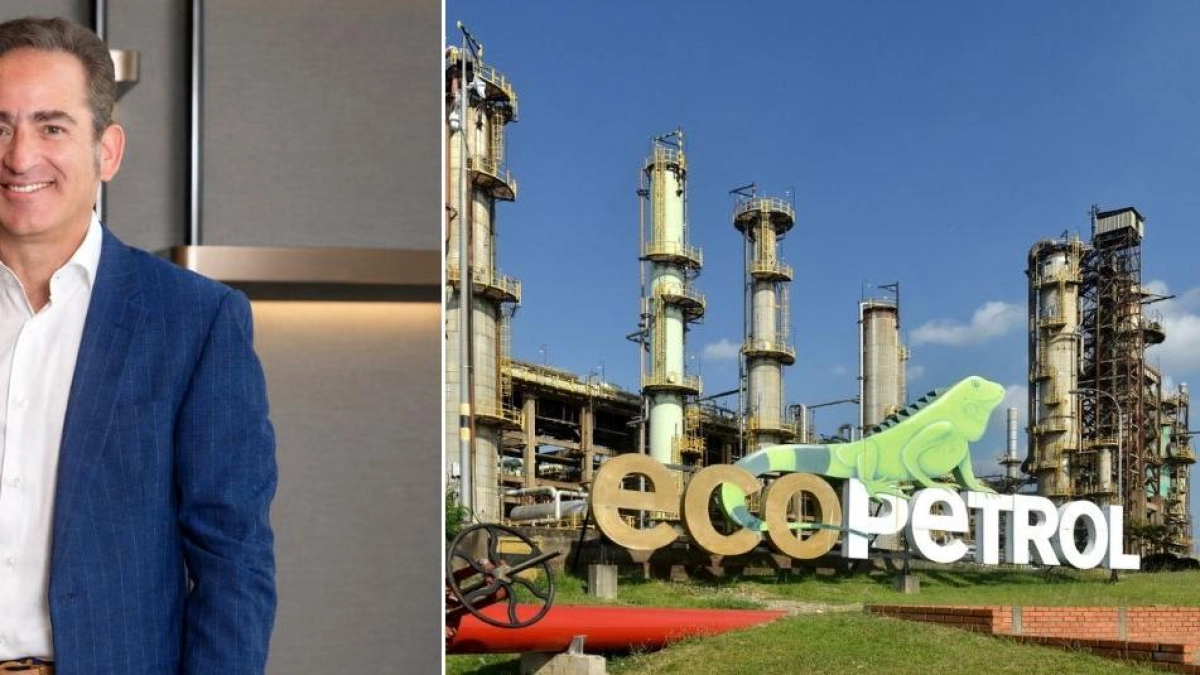
The decision to delay the disclosure, which was originally slated for Tuesday, November 10, has been met with stony silence from the company’s leadership. Ecopetrol has not provided a formal explanation for the postponement, fueling speculation regarding potential internal auditing adjustments, administrative transitions, or unforeseen operational challenges.
Chronology of the Shift
The adjustment to the reporting timeline has been communicated via an official notice to the market. According to the revised schedule, the company will now publish its full quarterly report on Thursday, November 12, 2026, following the close of the trading session.

Consequently, the company’s traditional virtual conference with institutional investors and analysts, which serves as a critical forum for dissecting performance, has been pushed back from Wednesday, November 11, to Friday, November 13, 2026. This conference, which is a cornerstone of the company’s investor relations strategy, will be broadcast simultaneously in Spanish and English at 10:00 AM (Bogotá/New York time), providing a window for stakeholders to pose questions directly to management.
This delay marks a significant departure from the company’s established historical pattern of punctuality, a trait that global investors have come to rely upon when assessing the stability of the Colombian state’s most valuable asset.

A High-Stakes Debut for New Leadership
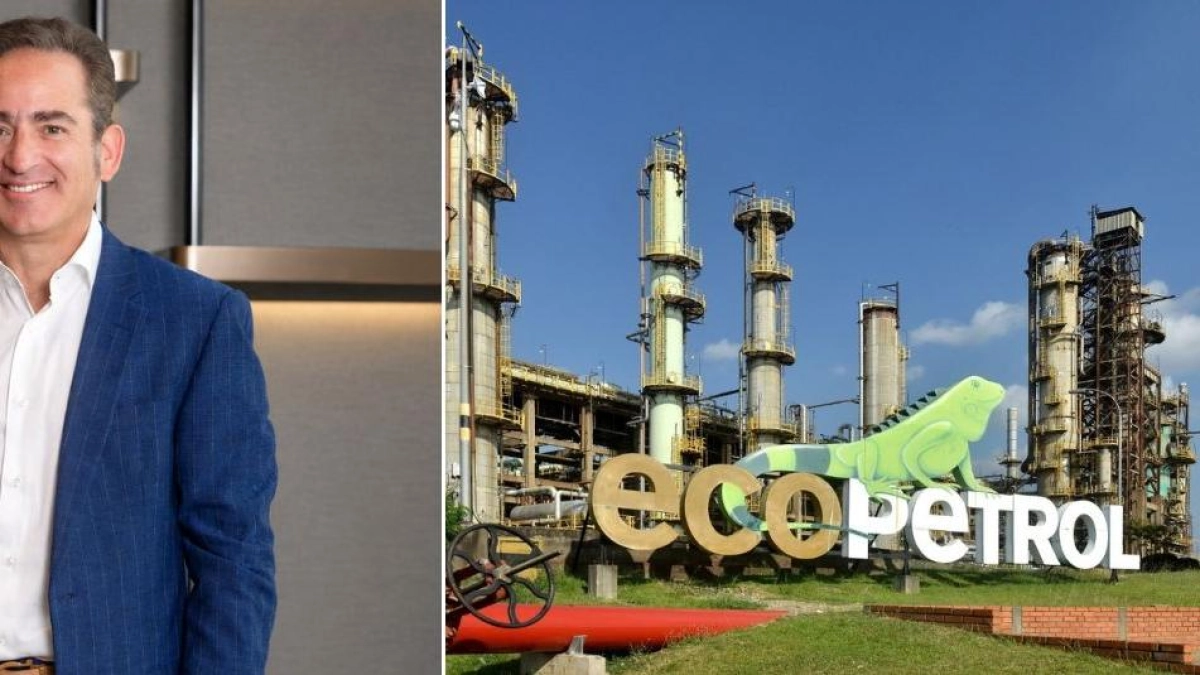
The spotlight on this specific quarterly disclosure is particularly intense, as it marks the first official presentation of results under the stewardship of Joaquín Gutiérrez, who assumed the presidency of the company on September 28, 2026.
Gutiérrez, who stepped into the role during a period of complex geopolitical and fiscal challenges for Colombia, faces the immediate task of navigating the company through fluctuating oil prices and the government’s ambitious energy transition agenda. Market analysts are looking to this report not just for the numbers, but for signals regarding Gutiérrez’s strategic vision for the company, particularly in light of recent debates surrounding the future of gas exploration and the government’s fiscal stance on fossil fuel taxation.

The absence of an explanation for the delay has raised questions about whether the incoming administration is conducting a deep-dive audit of the third quarter’s accounting practices, or if there is a fundamental disagreement or complexity in the reporting of operational assets that required additional verification.
Financial Projections and Market Expectations
Before the announcement of the delay, the market had established a baseline of expectations based on internal company guidance. Ecopetrol’s own preliminary projections for the third quarter suggested total revenues ranging between 33.0 trillion and 36.0 trillion Colombian pesos.
In terms of operational efficiency, the company projected its EBITDA (Earnings Before Interest, Taxes, Depreciation, and Amortization) to fall within the range of 14 trillion to 16.5 trillion pesos. Net income, the figure most closely watched by individual shareholders, was estimated to land between 4.0 and 5.0 trillion pesos. Furthermore, production levels were targeted in the range of 740,000 to 750,000 barrels of oil equivalent per day (bped).
While these figures reflect a stable, if not explosive, quarter, the sudden change in schedule has led some traders to fear that the final audited results might deviate from these guidance figures, or that the company may be preparing to address unexpected impairment charges or revisions in production forecasts.

Market Reaction and Volatility
The market’s reaction to the announcement was immediate and bifurcated. On the Colombian Stock Exchange (BVC), Ecopetrol’s stock felt the brunt of the uncertainty, registering a 1.73% decline during the Monday trading session, closing at 2,555 pesos. The drop reflects a loss of confidence among local retail and institutional investors who generally react negatively to surprises in transparency.
In contrast, the company’s American Depositary Receipts (ADRs) on the New York Stock Exchange (NYSE) displayed a slight upward trend, showing a 0.32% gain to reach $15.60. This discrepancy suggests that international investors may be viewing the delay as a mere administrative hurdle rather than a signal of fundamental financial weakness, or they may be balancing the delay against broader global energy trends.

Contextualizing the Current Crisis
The delay in financial reporting does not occur in a vacuum. It coincides with a period of intense scrutiny over Colombia’s fiscal health. Recent reports suggest that maintaining the frozen price of diesel could add as much as 14 trillion pesos to the national fiscal crisis, with experts arguing that prices should rise by as much as 8,000 pesos to mitigate the gap. Ecopetrol, as the primary state entity involved in the energy value chain, is often at the center of these fiscal debates.
Additionally, the company is currently navigating the technical and legal complexities of the "Komodo" drilling project. After being stalled by government-imposed environmental hurdles, the project saw a rapid turnaround in the last 20 days, signaling a potential shift in the administration’s willingness to accelerate offshore exploration. The complexity of these shifting regulatory landscapes likely contributes to the pressure on the company’s reporting teams as they work to quantify the impact of these changes on the company’s long-term balance sheet.

Furthermore, TGI’s recent offer to repair the gas pipeline with Venezuela to facilitate imports by 2027 has added another layer of complexity to Ecopetrol’s strategic planning. The company has stated its "absolute capacity" to handle these imports, yet the financial and logistical integration of such a project into its current quarterly outlook remains an area of high interest for investors.
Looking Ahead: The Importance of Transparency
As the market waits for Thursday’s report, the primary concern remains the lack of communication. In the world of high-finance, information asymmetry is the enemy of stability. By failing to provide a reason for the delay, Ecopetrol has inadvertently invited speculation about the company’s governance and internal controls.

Investors will be closely watching for three key elements during the November 13 conference call:
- The "Why": Will President Joaquín Gutiérrez provide a clear, transparent explanation for the delay? A failure to address this head-on could harm his credibility with the investment community.
- Strategic Direction: Does the report confirm that the production targets are being met, or are there underlying issues with reserves and exploration output that necessitate a change in strategy?
- Fiscal Alignment: How does the company plan to manage its relationship with the national government, specifically regarding the dividend policy and the potential burden of subsidizing domestic fuel prices?
The upcoming conference call is expected to be one of the most highly attended in recent years. As Ecopetrol faces a transition in leadership and an increasingly hostile economic environment, the ability to maintain the trust of the global capital markets is more critical than ever. Whether the delay is a sign of a diligent new management team ensuring accuracy, or a symptom of deeper organizational friction, will only be revealed when the figures are finally presented to the public.

For now, the market remains in a state of cautious anticipation. Shareholders are advised to monitor the official investor relations portal of Ecopetrol for any further updates, as the company prepares to pull back the curtain on its performance in what is arguably the most challenging year for the Colombian energy sector in a decade.