By María Alejandra Moreno Flórez
Economic Correspondent
The landscape of one of Colombia’s most cherished traditions, the "Día del Amor y la Amistad" (Day of Love and Friendship), is undergoing a structural transformation. As consumer habits evolve in 2026, the data suggests that the traditional focus on material gift-giving is being eclipsed by a stronger desire for shared experiences. For millions of Colombians, the celebration is no longer measured solely by the contents of a wrapped box, but by the memories created over a dinner table or at an entertainment venue.
According to the latest national survey by Fenalco (The National Federation of Merchants), the emphasis of the holiday has shifted significantly toward experiential consumption. This pivot reflects a broader trend in the Colombian economy, where disposable income is increasingly directed toward services and hospitality, signaling a robust outlook for the restaurant and leisure sectors.

The Core Data: A Shift in Consumer Preferences
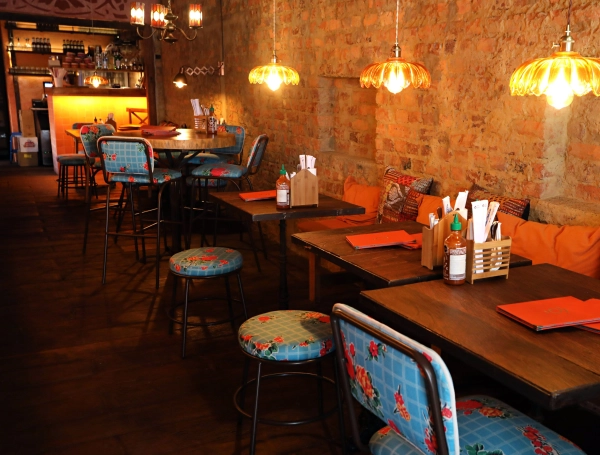
The statistics provided by Fenalco are unequivocal. When asked about their primary plans for the celebration this Saturday, 32% of respondents identified "going out to eat with their partner" as their preferred activity. This figure places gastronomy at the top of the hierarchy of celebration, comfortably ahead of other traditional options.
To understand the scope of this shift, one must look at the comparative data. While 32% opt for a dining experience, only 26% are planning gatherings with friends or family, and a mere 16% identified the purchase of a physical gift as their primary activity. Further down the list, 12% of consumers prefer intimate dinners at home, while 9% are opting for outings such as cinema visits or short excursions.
This data point—that gastronomy holds such a significant weight—suggests that for the modern Colombian consumer, the "gift" is increasingly viewed as the quality time spent with a loved one rather than a tangible commodity.

Economic Implications: A Surge in the Restaurant Sector
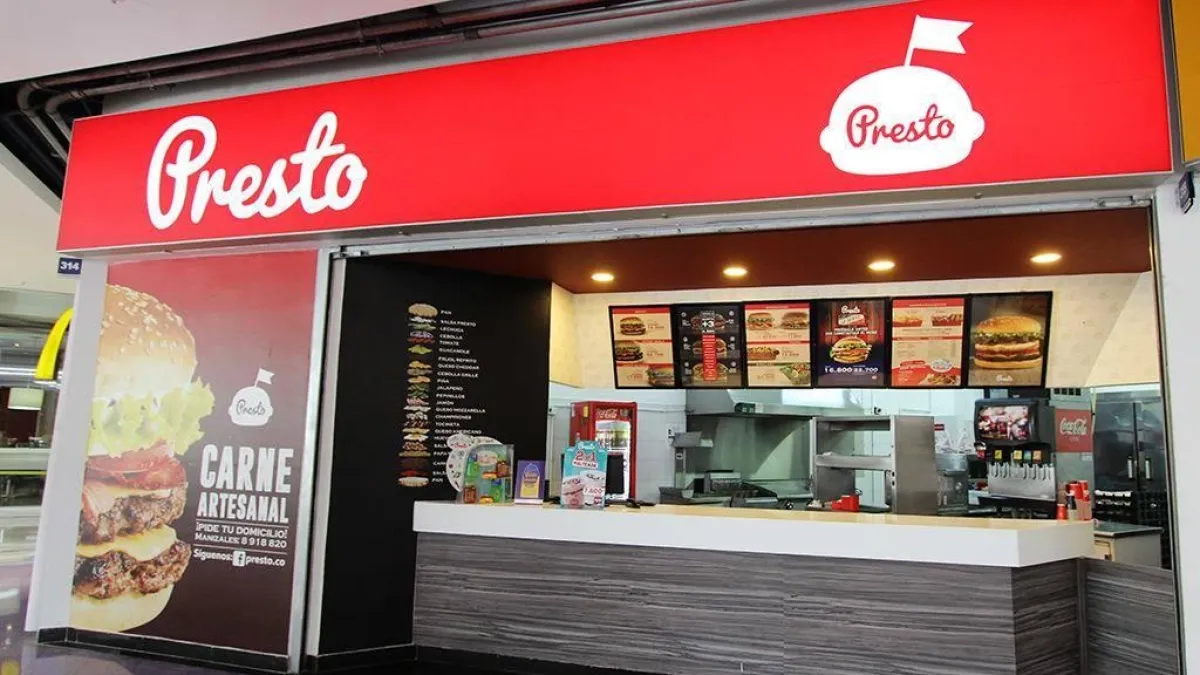
The impact of this behavioral change is most acutely felt in the restaurant industry, particularly in the Bogotá and Cundinamarca regions. Fenalco’s projections indicate that spending in the restaurant category is expected to surge by 16% compared to the same period in 2025. This represents the highest anticipated growth rate among all categories monitored by the trade organization.
The ripple effect of this consumption is also benefiting other supply chain sectors. Following the growth in restaurants, the consumption of groceries, spirits, and pantry staples is expected to rise by 15%. Entertainment and leisure services are projected to grow by 11%, while the beauty and personal care sector—often linked to preparation for social outings—is expected to see a 9% increase.
This is not merely a statistical anomaly but a reflection of a growing willingness to spend. Fenalco’s survey reveals that 48% of Colombians planning to celebrate intend to spend more than $100,000 COP, a sharp increase from the 34% who reported similar spending intentions in 2025. This uptick in the budget-per-celebrant suggests that households are prioritizing the "Amor y Amistad" holiday as a significant date on their annual financial calendar.
Digital Narratives: What Social Media Tells Us
The shift toward experiences is corroborated by digital discourse. An analysis conducted by Buzzmonitor, which tracked 1,003 social media mentions regarding the holiday during the month of August, reveals a clear disparity in interest.
Content related to events, fairs, and social gatherings accounted for 10.7% of all mentions. Tourism and travel plans represented 5.2%. In stark contrast, mentions regarding traditional gifts and physical presents stood at just 3.6%. This is particularly telling when compared to other categories; for instance, discussions regarding technology accounted for 2.6% of mentions, while fashion and apparel accounted for 2.5%.
The data confirms that the conversation around "Amor y Amistad" is increasingly focused on "where to go" and "what to do" rather than "what to buy."
Chronology and Preparations: How Retail is Adapting
Retailers and shopping centers, recognizing this change, have moved aggressively to align their offerings with the "experiential" trend. Major commercial hubs, such as Parque Arauco, have redesigned their weekend schedules to act as integrated entertainment centers rather than simple retail spaces.
- Friday, Sept 18 – Saturday, Sept 19: Retailers across Bogotá, Pereira, Floridablanca, Bello, Sopó, and Barranquilla have launched programming that combines live music, curated gastronomic offerings, and entrepreneurship showcases.
- Extended Hours: In Bogotá, the Parque La Colina shopping center announced an extension of its operating hours until 10:00 p.m. to accommodate the surge in diners and evening shoppers, paired with live concert performances.
- Tactical Discounts: At the Outlet Arauco in Sopó, retailers have implemented aggressive pricing strategies, with discounts of up to 75% on select footwear, acknowledging that while experiences lead the way, there remains a segment of the market that uses the date as an opportunity for strategic fashion purchases.
The Role of Digital Platforms and Logistics
The digital economy is also experiencing a multiplier effect. Delivery platforms, led by companies like Rappi, are projecting a 70% increase in gift orders compared to a standard day, and a 25% increase compared to the "Amor y Amistad" period of 2025.
Rappi’s data science team calculates an average ticket size of approximately $129,900 COP for the holiday. Their projections highlight that Bogotá, Medellín, and Cali will lead the country in logistical demand. Interestingly, the digital basket is also shifting: the platform anticipates a 35% growth in adult-themed products and a 15% increase in chocolate deliveries, proving that while the "dinner out" is the preferred plan, digital convenience is the primary facilitator for those who still prioritize gift-giving.

Expert Analysis: A Maturing Market
Economists monitoring the sector point out that the diversification of spending is a sign of a maturing consumer market. Instead of relying on a singular category, the celebration has become an ecosystem. A typical consumer now balances a restaurant reservation with a small physical gift, often purchased through a digital platform, while perhaps planning a secondary experience like a concert or a weekend excursion.
However, this increased activity also carries warnings. As digital transactions peak, financial institutions and experts have cautioned consumers to be wary of "digital traps." With the surge in promotional offers, cybersecurity experts have noted an increase in phishing attempts and fraudulent websites promising discounts that never materialize. Consumers are advised to stick to verified platforms and official retail channels to ensure their financial security during the festivities.
Implications for the Future
The implications of these findings are profound for the Colombian retail and service sectors. The data confirms that the "Amor y Amistad" holiday is no longer a "gift-centric" holiday, but a "service-centric" one.

For business owners, this means that the competitive advantage now lies in the ability to offer an environment—a sensory experience, a unique atmosphere, or a seamless service—rather than just a product on a shelf. The 16% growth projected for the restaurant sector in Bogotá is likely to be the new benchmark for other metropolitan areas in the coming years.
As we look toward the remainder of the year, the success of this weekend will serve as a bellwether for the retail sector’s performance during the upcoming end-of-year season. If the current trajectory holds, businesses that successfully blend the traditional spirit of the holiday with modern, experiential, and digital-friendly services will be the clear winners in a market that is increasingly valuing time over things.
Ultimately, the data from 2026 paints a picture of a society that, despite economic fluctuations, finds immense value in communal celebration. Whether it is a dinner at a neighborhood bistro or a curated experience in a shopping center, the Colombian public is signaling that the most valuable commodity this "Amor y Amistad" is the connection between people.

For more information on the latest economic developments, follow our coverage on social media or subscribe to our weekly newsletter to stay updated on the trends shaping the Colombian market.