The geopolitical landscape of the Middle East has been thrust into an unprecedented state of volatility, as a week of relentless cross-border assaults between the United States and Iran has shattered a fragile peace and reignited fears of a broader regional conflagration. From the critical chokepoint of the Strait of Hormuz to the strategic depths of allied territories, the conflict, characterized by tit-for-tat bombings and escalating threats, has become a dire testament to the region’s inherent instability. This latest surge in hostilities, initiated by accusations of Iranian aggression against commercial shipping, has not only claimed lives and damaged vital infrastructure but has also effectively nullified a recently inked framework for peace negotiations, leaving a trail of uncertainty and a heightened risk of wider confrontation.
Main Facts: A Week of Unrelenting Hostilities
As of Saturday, July 18, the Middle East finds itself ensnared in a rapidly escalating conflict, marking a full week of continuous military engagements between the United States and Iran. The current crisis was ignited following accusations from the Trump administration, alleging that Tehran was responsible for attacks on several commercial vessels navigating the strategically vital Strait of Hormuz. This accusation triggered a robust response from Washington, which initiated a sustained bombing campaign against Iranian targets.
Iran, in turn, has retaliated with a long-established strategy of asymmetric warfare, targeting nations in the region perceived as close allies of the United States. These counter-attacks have extended the conflict’s geographical reach, drawing in countries like Jordan, Kuwait, and Bahrain, which host significant U.S. military assets. The conflict has seen the deployment of various military assets, from precision-guided missiles and drones to aerial bombardments, causing casualties and significant material damage.
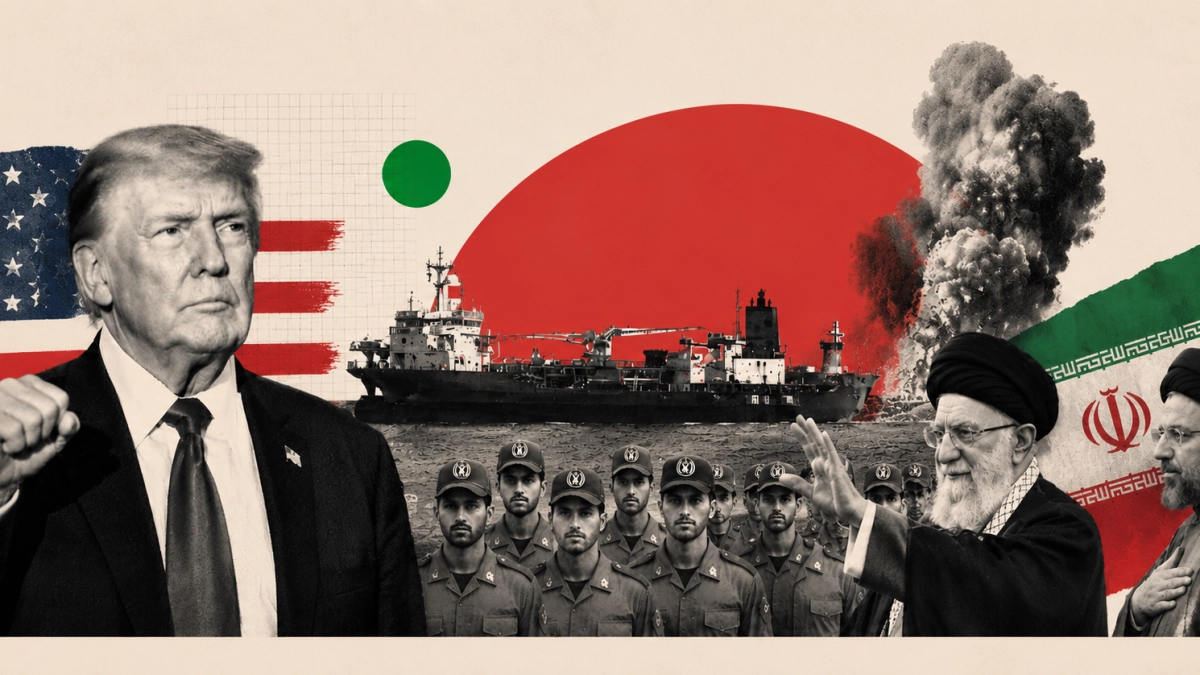
The human cost has already begun to mount, with Iranian authorities reporting at least three fatalities and eight injuries in the southern province of Hormozgan due to U.S. airstrikes that targeted civilian infrastructure, including bridges and tunnels. Simultaneously, the Strait of Hormuz, a global maritime artery crucial for oil shipments, has become a focal point of contention, experiencing disruptions and threats that could have far-reaching global economic consequences. The situation is further complicated by Iran’s audacious detention of four vessels attempting to traverse the Strait without its authorization, alongside claims of two tankers exploding after being allegedly misled by U.S. intelligence – a claim vehemently denied by the Pentagon. This complex interplay of direct military action, proxy targeting, and maritime interference underscores the gravity of the current crisis, which has swiftly dismantled any hopes for a peaceful resolution that had briefly flickered following a framework agreement signed just a month prior.

Chronology of Escalation: From Allegations to All-Out Retaliation
The current, perilous chapter in U.S.-Iran relations unfurled dramatically, accelerating from maritime incidents to a full-scale military standoff in a matter of days.
July 7: The Spark in the Gulf
The genesis of this renewed escalation can be traced back to July 7, when a series of mysterious attacks on commercial vessels in the Gulf region sent shockwaves through international shipping lanes. The U.S. government, under the Trump administration, was swift to attribute responsibility for these assaults directly to Iran, citing intelligence that suggested the involvement of Iranian naval or proxy forces. While specific evidence was not immediately made public, Washington declared these incidents an unacceptable act of aggression threatening global commerce and energy security, especially given the strategic importance of the Strait of Hormuz. This accusation served as the direct casus belli for the subsequent U.S. military response, marking an end to what had been a period of tense but relatively contained friction.

The Seven-Day Barrage: U.S. Offensive Operations
Following the initial accusations, the United States launched a sustained and comprehensive bombing campaign against targets within Iran. For seven consecutive nights, U.S. forces, primarily operating under the purview of the U.S. Central Command (Centcom), conducted airstrikes across Iranian territory. Centcom issued statements confirming these operations, detailing targets that included "surveillance sites, military logistical infrastructure, underground weapon depots, and maritime resources." These strikes were reported across various Iranian provinces, with cities such as Ahvaz and Bushehr in the southwest, Bandar Abbas, Qeshm, Lar, and Darab in the south, and Yazd in central Iran, being among those hit. The declared objective of these U.S. operations was to degrade Iran’s military capabilities and deter further aggression, particularly concerning maritime security in the Gulf. The intensity and duration of these bombardments signaled a significant shift in U.S. posture, moving from deterrent threats to active military engagement.
Iran’s Strategic Response: Targeting U.S. Allies
True to its established doctrine of asymmetrical retaliation, Iran did not engage in direct counter-attacks against U.S. forces on American soil. Instead, Tehran responded by striking at perceived U.S. interests and allied military installations across the Middle East. The Iranian military, as reported by state television, claimed responsibility for targeting several key bases: the Al Adiri military camp and Ali Al Salem airbase in Kuwait, the Al-Azraq air facility in Jordan, and the Sheikh Isa base in Bahrain. Iran justified these attacks by asserting that U.S. forces frequently operate from these sites to launch their own offensives against Iranian territory, thus making them legitimate targets in a defensive posture. These retaliatory strikes demonstrated Iran’s capability to project power beyond its borders and its willingness to escalate the conflict by challenging the security of U.S. regional partners.
The Broken Agreement: Diplomatic Collapse
A particularly disheartening aspect of this escalation is its timing, coming barely a month after a significant diplomatic development. On June 17, Iran and the United States had signed a "framework agreement" that was widely touted as a potential pathway to de-escalation and the initiation of comprehensive peace negotiations. This agreement had generated cautious optimism that a diplomatic off-ramp could be found for the long-standing tensions. However, the rapid onset of the current hostilities, triggered by the Hormuz incidents and subsequent retaliatory actions, has unequivocally shattered this framework. Its collapse underscores the profound fragility of diplomatic efforts in the face of deep-seated mistrust and the rapid-fire nature of military provocations in the region. The failure of this agreement has left a diplomatic void, increasing the likelihood of further military confrontation without established channels for de-escalation.
Ormuz: The Chokepoint of Crisis
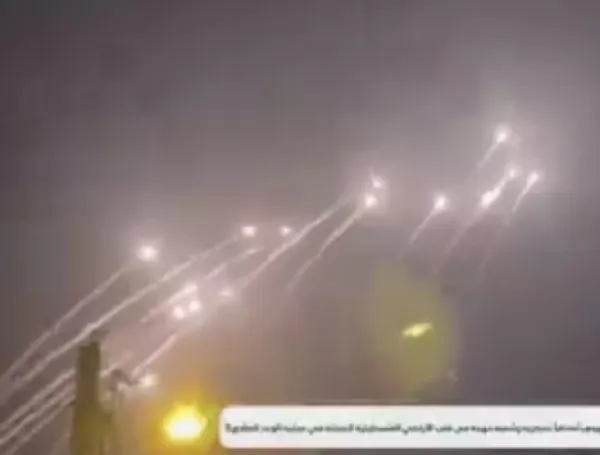
The Strait of Hormuz, a narrow maritime passage through which approximately 20% of the world’s petroleum passes, has once again become the epicenter of regional tension. Iran’s elite Revolutionary Guard announced on July 18 that it had "detained" four vessels attempting to cross the Strait without its authorization. The Guard claimed these "infractor ships," allegedly backed by the "terrorist American army," were stopped in a "combined operation of missiles and drones." Furthermore, in a dramatic and unverified claim, the Iranian state news agency IRNA reported that two tankers, supposedly "deceived by American intelligence services," exploded and caught fire after attempting to navigate a minefield south of the Strait. The U.S. military, however, promptly denied this latter claim. These actions and claims by Iran effectively brought maritime traffic in the Strait to a near standstill, prompting the United States to reimpose its naval blockade on Iranian ports, further tightening economic pressure on Tehran.
February 28: The Precursor to Broader Conflict
The current round of U.S.-Iran hostilities, though specifically ignited by the Hormuz incidents, is rooted in a broader conflict that erupted earlier in the year. On February 28, a series of Israeli-U.S. bombings targeting Iranian assets in the region marked a significant escalation. This initial phase of the conflict has already claimed "thousands of dead," primarily in Iran and in Lebanon, where Iranian-backed Hezbollah forces are engaged in a protracted struggle with Israel. This historical context illustrates that the present escalation is not an isolated event but rather a dangerous intensification of an already simmering and deadly regional conflict, amplifying the potential for widespread devastation.
Supporting Data and Military Engagements
The recent week of intense military activity has been characterized by a detailed series of operations from both sides, illustrating the sophisticated capabilities and strategic objectives at play.
U.S. Offensive Operations: Precision and Deterrence
The U.S. Central Command (Centcom) provided specific insights into the nature of its bombardments across Iran. The targets selected were not indiscriminate but rather aimed at key strategic assets designed to bolster Iran’s military posture and its ability to project power. Centcom confirmed strikes against "surveillance sites," which are critical for intelligence gathering and monitoring maritime traffic in the Gulf. Attacking these sites aims to blind Iranian forces and disrupt their early warning capabilities. "Military logistical infrastructure" was also targeted, including supply lines, depots, and transportation hubs essential for sustaining military operations. This seeks to hamper Iran’s ability to move personnel, equipment, and resources efficiently.
Furthermore, "underground weapon depots" were hit, signifying an effort to destroy stockpiles of missiles, drones, and other armaments that could be used against U.S. forces or its allies. The inclusion of "maritime resources" as targets suggests U.S. intent to neutralize any naval assets or support structures that Iran might use to interfere with shipping or conduct covert operations in the Gulf. These precision strikes, while aiming to minimize civilian casualties as stated by Centcom, inherently carry risks, as evidenced by Iranian reports of collateral damage. The choice of targets underscores a U.S. strategy focused on degrading Iran’s capacity for conventional and asymmetric warfare, particularly concerning its ability to threaten freedom of navigation.
Iranian Counter-Offensive: Proxy Power Projection
Iran’s response, as detailed by its state television, centered on striking U.S. military installations located in allied nations. The specific targets included the Al Adiri military camp and the Ali Al Salem airbase in Kuwait, the Al-Azraq air facility in Jordan, and the Sheikh Isa base in Bahrain. These locations are critical nodes in the U.S. military’s regional architecture, housing significant personnel, aircraft, and logistical support for operations across the Middle East.
Iran’s justification for these attacks was explicit: it views these bases as launchpads for U.S. aggression against its territory. The reported use of drones against Kuwaiti targets and missiles against Jordanian targets highlights Iran’s diverse arsenal and its capacity to execute retaliatory strikes across considerable distances. While Jordanian officials confirmed the interception of ten Iranian missiles without casualties or damage, the very act of launching these projectiles into sovereign allied airspace represents a significant escalation and a direct challenge to the security umbrella provided by the U.S. in the region. These attacks aim to impose a cost on U.S. allies for their cooperation with Washington and to demonstrate Iran’s resolve to respond forcefully to any aggression.
Casualties and Damages: A Growing Toll
The human and infrastructural toll of this week-long conflict is beginning to emerge. In Iran, authorities in the southern province of Hormozgan reported at least three deaths and eight injuries resulting from U.S. bombardments. The official IRNA news agency specified that these strikes had targeted crucial civilian infrastructure, including two bridges and a tunnel, indicating a direct impact on the daily lives of Iranian citizens. While the U.S. has emphasized targeting military assets, the reality on the ground often involves unintended consequences and civilian harm, further fueling resentment and calls for retaliation.
In allied nations, while casualties have been avoided, the threat was palpable. Jordan’s General Staff confirmed that its air defenses successfully intercepted and downed ten Iranian missiles aimed at its territory, preventing any damage or loss of life. In Kuwait, the military acknowledged confronting "hostile drone attacks," while air raid sirens blared across Bahrain, as confirmed by its Ministry of Interior, signaling imminent threats. These incidents underscore the pervasive sense of insecurity now gripping the region and the constant readiness required by nations caught in the crossfire.
Economic Repercussions: The Chokepoint Effect
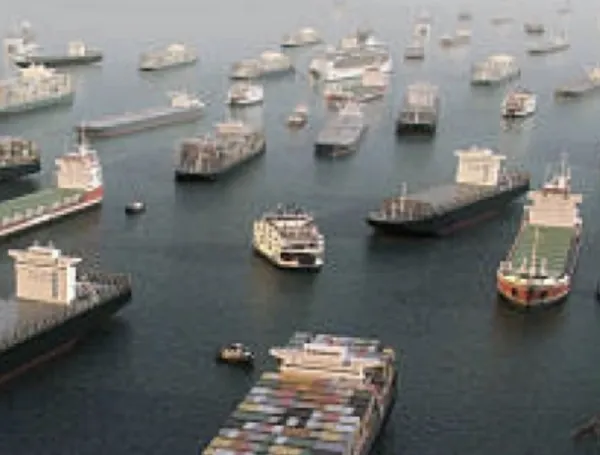
The Strait of Hormuz’s disruption carries immense global economic implications. As a critical chokepoint for global oil transit, any impediment to its flow directly impacts international energy markets. The practical paralysis of the Strait by Iran, combined with the U.S. reimposition of blockades on Iranian ports, has already sent ripples through global trade. Oil prices have seen significant volatility, and shipping companies face increased insurance premiums and operational risks. This disruption threatens not only the economies of oil-importing nations but also the stability of the global financial system, highlighting how regional conflicts can have worldwide repercussions.
Official Responses and Rhetoric
The rhetoric accompanying the military actions reflects the deep-seated animosity and strategic posturing of the principal actors. Each statement, warning, or denial contributes to the narrative of an intractable conflict, with little room for immediate de-escalation.
U.S. Stance: Deterrence and Maritime Security
The Trump administration’s official position has consistently framed its actions as necessary measures to safeguard international maritime security and deter Iranian aggression. Following the alleged attacks on commercial vessels in the Strait of Hormuz, the White House reiterated its commitment to freedom of navigation and the protection of global trade routes. U.S. officials have portrayed the bombing campaign as a proportionate response, aimed at weakening Iran’s capacity to conduct such attacks and sending a clear message that interference with international shipping will not be tolerated. This stance aligns with a broader policy of "maximum pressure" on Iran, which seeks to curb its nuclear program, missile development, and regional proxy activities. The reimposition of a naval blockade on Iranian ports further underscores this strategy, aiming to choke off Tehran’s economic lifelines and compel a change in its behavior.
Iran’s Warnings and Threats: A "Total Offensive"
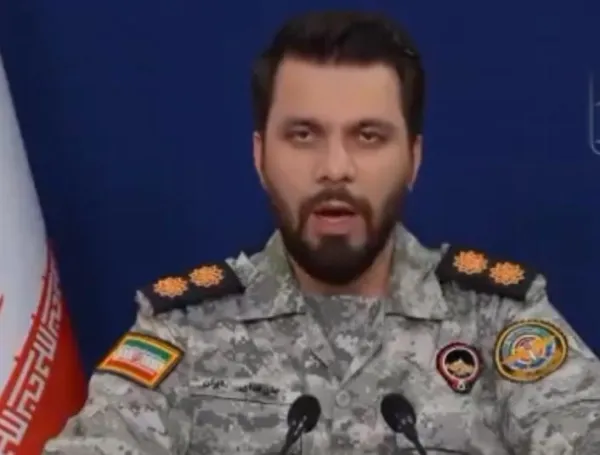
Iran’s leadership has responded to the U.S. bombardments with defiant rhetoric and explicit threats of further escalation. Mohsen Rezai, a senior military advisor to Iran’s Supreme Leader, Ayatollah Ali Khamenei, issued a stark warning on Friday, declaring that Iran would enter a "phase of total offensive" if U.S. bombings continued for more than "two to three days." This statement signals a willingness to broaden the scope and intensity of Iranian retaliation beyond its current pattern.
Adding to this, the Islamic Revolutionary Guard Corps (IRGC), Iran’s elite ideological army, conditioned any return to calm on the "restoration of peace along the southern coast and in the Strait of Hormuz." This effectively means Iran will continue its assertive actions in the Strait, including the disruption of shipping, until its security concerns are addressed and U.S. pressure subsides. The IRGC’s declaration that four vessels were "detained" for attempting to cross the Strait without authorization, and the unverified claim of two tankers exploding, underscore Iran’s determination to assert control over this vital waterway, viewing it as a leverage point against international sanctions and military pressure.
Allied Reactions: Standing Firm with the U.S.
Nations hosting U.S. military bases, such as Jordan, Kuwait, and Bahrain, have been thrust into the direct line of Iranian retaliation. Their official responses have affirmed their alignment with the U.S. while highlighting their own defensive capabilities. Jordan’s General Staff reported the successful interception of ten Iranian missiles, emphasizing the effectiveness of its air defenses and its commitment to national security. Kuwait’s military confirmed engaging "hostile drone attacks," while Bahrain’s Interior Ministry announced air raid sirens, indicating active threats and the activation of defensive protocols. These responses, while acknowledging the attacks, implicitly condemn Iran’s actions and reinforce their status as U.S. allies, further cementing the regional fault lines.
International Silence/Concern: A Deafening Absence of Diplomacy
While not explicitly detailed in the original article, the escalating conflict has been met with a palpable sense of international alarm and a relative absence of effective diplomatic intervention. Major global powers and international bodies have likely expressed profound concern over the increasing violence, the humanitarian implications, and the potential for wider regional destabilization. The collapse of the June 17 framework agreement, intended to pave the way for peace talks, signifies a critical failure of diplomatic efforts and leaves a dangerous void where mediation might otherwise occur. The international community, watching from the sidelines, faces the daunting challenge of preventing an all-out war while lacking clear avenues for intervention or de-escalation.
Far-Reaching Implications and Expert Analysis
The current U.S.-Iran escalation is not merely a localized conflict but a dangerous inflection point with profound implications for regional stability, global economics, and international security.

Regional Instability: The Looming Specter of Wider War
The most immediate and alarming implication is the heightened risk of a wider regional confrontation. As David Khalfa, a Middle East specialist from the Jean Jaurès Foundation, aptly warned, there is a serious concern about "the risk of a more extensive regional confrontation." The tit-for-tat nature of the attacks, with Iran striking U.S. allies and the U.S. bombing Iranian soil, creates a dangerous cycle of retaliation. Should any of these attacks result in significant casualties among U.S. personnel or trigger a more robust response from a U.S. ally, the conflict could rapidly spiral beyond the control of either Washington or Tehran. The existing tensions with Israel and the ongoing conflict in Lebanon involving Hezbollah, a major Iranian proxy, mean that these flashpoints could easily merge into a multi-front war, devastating an already fragile region. The geopolitical ripple effects could destabilize governments, fuel extremist groups, and create unprecedented refugee flows.
Global Economic Impact: Energy Markets in Peril
The disruption of the Strait of Hormuz, a conduit for approximately one-fifth of the world’s oil supply, has immediate and severe global economic repercussions. The practical paralysis of shipping, coupled with the U.S. reimposition of blockades on Iranian ports, directly threatens the stability of global energy markets. Oil prices have already demonstrated significant volatility, and prolonged disruption could trigger a global energy crisis, impacting everything from transportation costs to manufacturing. International trade, particularly for goods reliant on secure maritime routes through the Gulf, will face increased costs, delays, and risks. This economic instability could contribute to inflationary pressures globally and potentially trigger recessions in vulnerable economies, demonstrating how a regional military conflict can have direct and tangible impacts on everyday citizens worldwide.

Humanitarian Crisis: A Mounting Death Toll
The human cost of this conflict, already thousands of lives in Iran and Lebanon since February 28, is set to escalate dramatically. As military operations intensify, civilian casualties become almost inevitable, as evidenced by the reported deaths and injuries in Iran’s Hormozgan province. A full-scale regional war would lead to an unimaginable humanitarian catastrophe, characterized by mass displacement, food and medical shortages, and widespread destruction of infrastructure. The existing humanitarian crises in neighboring countries, such as Yemen and Syria, could be exacerbated, straining international aid efforts to their breaking point.
The Strait as a "Trap": A Dangerous Focal Point
Khalfa’s observation that "the Strait of Hormuz is becoming a trap for the two belligerents" perfectly encapsulates the perilous dynamic at play. For Iran, controlling or disrupting the Strait is its most potent leverage against international pressure and sanctions, allowing it to exert influence over global energy supplies. For the U.S. and its allies, ensuring freedom of navigation through Hormuz is a critical strategic imperative for global economic stability. This fundamental clash of interests transforms the Strait into a highly volatile arena where any incident, accidental or intentional, can trigger an immediate and forceful response from either side. The "logic of escalation," as Khalfa notes, seems to be increasingly escaping the control of both parties, making miscalculation a constant and terrifying threat.

Future Scenarios: Escalation or Intervention?
The immediate future appears bleak. Without a clear diplomatic off-ramp, further escalation seems more likely than de-escalation. Both sides appear entrenched in their positions, with Iran unwilling to back down under pressure and the U.S. committed to deterring perceived Iranian aggression. Potential scenarios include an expansion of targeted strikes, an increase in proxy warfare, or even direct naval confrontations in the Gulf. The international community faces a monumental challenge in preventing this conflict from spiraling into a devastating regional war. Calls for a renewed diplomatic push, potentially involving third-party mediation, are likely to intensify, but the current atmosphere of mistrust and military posturing makes such efforts exceedingly difficult.
Long-Term U.S.-Iran Relations: Entrenched Animosity
This latest escalation further entrenches the deep-seated animosity between the United States and Iran. Each act of aggression and retaliation deepens the scars of historical grievances and makes future reconciliation significantly more challenging. The current conflict reinforces hardline elements within both governments, making it harder for moderate voices to advocate for diplomatic solutions. The cycle of violence risks locking both nations into a perpetual state of confrontation, with devastating consequences for their populations and the wider region.

The Middle East stands at a precipice. The coming days will be critical in determining whether the current escalation can be contained or if the region is indeed heading towards a conflict of unprecedented scale and devastation. The world watches with bated breath, hoping for a return to reason before the "trap" of Hormuz claims an even greater toll.