By International & Technology Desk Updated: November 9, 2026 – 3:21 P.M. EST
Main Facts
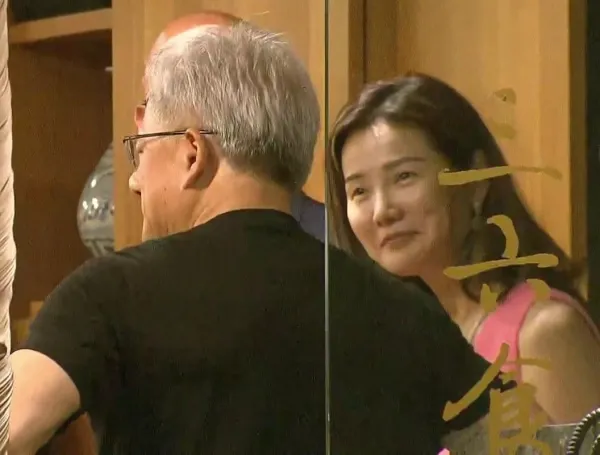
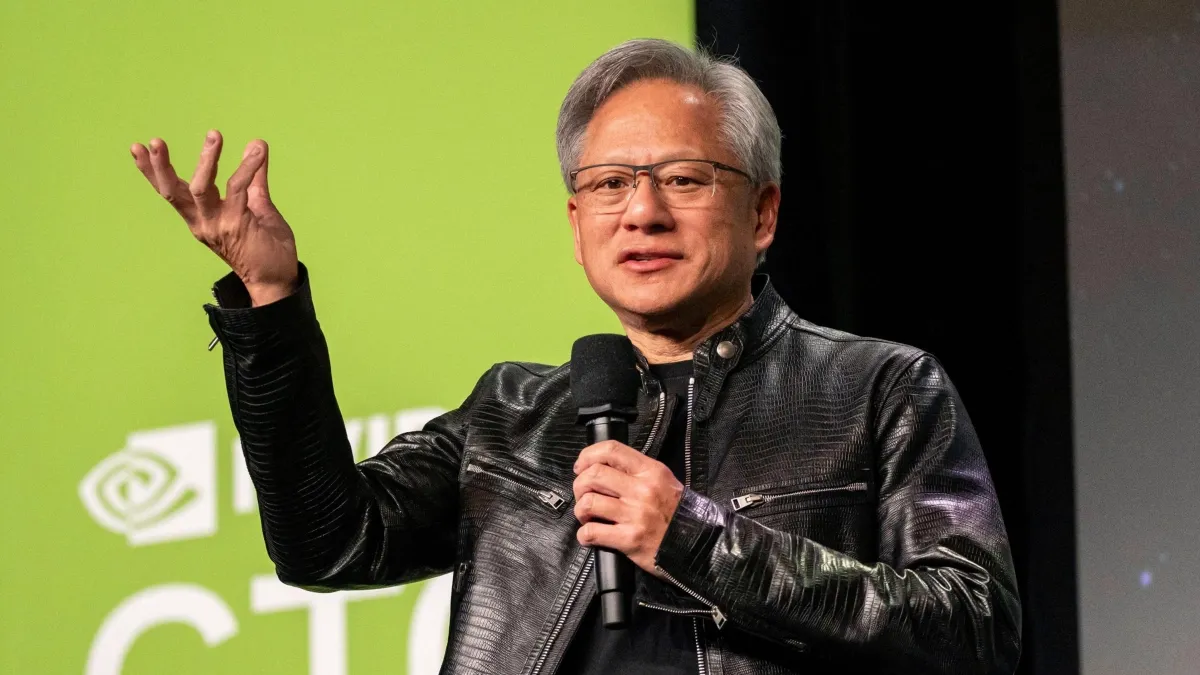
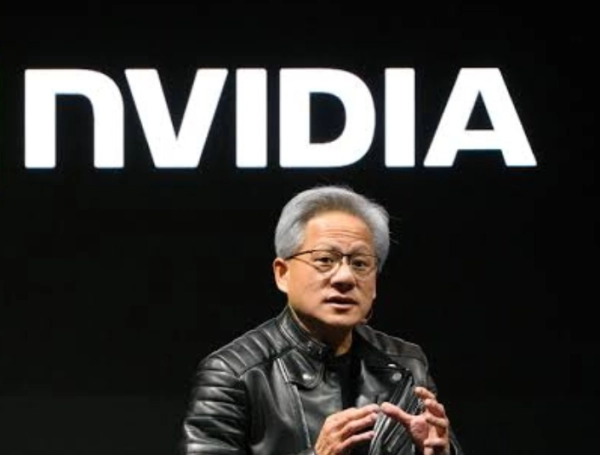
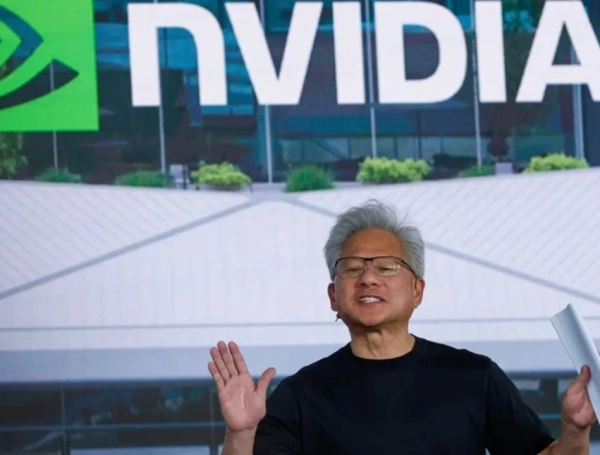
The global technology sector and Washington’s national security apparatus were jolted over the weekend following explosive reports that Jensen Huang, the co-founder and chief executive officer of Nvidia—the world’s foremost manufacturer of artificial intelligence microchips—was allegedly targeted in a foreign intelligence operation. According to investigative reports published by The New York Times, Huang maintained a romantic relationship with a Chinese businesswoman named Alice Huang.
Intelligence community assessments circulating within the administration of U.S. President Donald Trump reportedly identify Alice Huang as an operative linked to China’s Ministry of State Security (MSS). The primary objective of the alleged honey-trap operation was purportedly to harvest sensitive intelligence regarding America’s cutting-edge artificial intelligence semiconductors and to exert strategic influence to secure preferential access to advanced AI hardware for Beijing.
In response to the mounting crisis, Nvidia’s board of directors announced an independent investigation into the matter, stating that the executive leadership is cooperating fully. Meanwhile, Beijing has forcefully rejected the allegations, dismissing the reports as complete fabrications and malicious slander. The unfolding scandal has already triggered immediate financial reverberations, shaving significant value off Nvidia’s market capitalization as investors grapple with the intersection of corporate governance, personal conduct, and superpower tech rivalries.
Chronology of Events
The timeline of the unfolding geopolitical and corporate crisis illustrates a rapid escalation from a private relationship to a matter of national security and international diplomacy:
Pre-2025: Over the years, Jensen Huang’s leadership propelled Nvidia into a multi-trillion-dollar colossus, making him a central figure in the global AI hardware supply chain. During this period, his path crossed with Alice Huang, leading to a personal relationship that would later attract the attention of Western intelligence agencies.
Saturday, November 7, 2026:The New York Times publishes a bombshell report revealing that a classified memorandum had circulated within the highest echelons of the Trump administration. The document allegedly detailed that Alice Huang was an active intelligence asset for Beijing’s primary spy agency, tasked with infiltrating Nvidia’s inner circle through her romance with its CEO.
Sunday, November 8, 2026: Facing immense pressure and potential regulatory scrutiny, Nvidia’s board of directors issues a formal statement announcing an independent probe to evaluate whether the chief executive’s security clearance or the company’s proprietary assets were compromised. The company emphasizes that Jensen Huang fully supports the inquiry and that national security remains paramount.
Monday, November 9, 2026: The geopolitical fallout intensifies. The Chinese Ministry of Foreign Affairs holds a routine press briefing where spokesperson Guo Jiakun publicly denounces the espionage narrative, characterizing it as "pure invention and a calumnia." Simultaneously, Wall Street reacts to the developments, with Nvidia shares tumbling significantly in pre-market and futures trading.
Supporting Data and Market Impact
The financial and operational ramifications of the scandal are substantial, reflecting Nvidia’s outsized role in the global economy:
Market Capitalization and Stock Decline: Following the initial disclosures, Nvidia shares traded on the Nasdaq index dropped sharply by 5%, with intraday losses stretching even deeper prior to European market openings. Shares traded downward toward $178 (approximately €159.15), cutting deeply into the market valuation of a firm that crossed the unprecedented $5 trillion market cap threshold in 2025.
Corporate Scale and Valuation: Under Jensen Huang’s stewardship—which began when he co-founded the graphics chip pioneer in 1993—Nvidia evolved from a niche gaming hardware supplier into the bedrock infrastructure provider for modern artificial intelligence. Huang retains roughly a 4% equity stake in the multinational corporation.
Philanthropic Footprint: Huang’s public profile includes massive contributions to American higher education, notably a $30 million endowment to Stanford University for an engineering center and a $50 million donation in 2022 to Oregon State University for an advanced academic complex.
Official Responses
The international community, corporate governance bodies, and political figures have swiftly reacted to the unfolding allegations, drawing starkly different lines:
Beijing’s Refusal of Espionage Claims
During a regular press conference in Beijing on Monday, Ministry of Foreign Affairs spokesperson Guo Jiakun directly addressed the reports. He stated unequivocally that any narratives tying Chinese nationals or business figures to systematic intelligence operations against American tech executives are "pure invention and a calumnia." The Chinese government maintains that economic and technological cooperation should not be subjected to politicized smear campaigns.
Nvidia Board’s Independent Stance
Nvidia’s board of directors adopted a posture of absolute transparency and caution. Their Sunday statement noted:
"The board is initiating an independent investigation to the light of recent reports that indicate the founder and chief executive officer has been the target of a foreign intelligence operation."
The board added that Jensen Huang "fully backs" the inquiry and is committed to complete cooperation, underscoring that Nvidia strictly prioritizes the national and economic security of the United States.
Political Reactions in Washington
Paradoxically, despite the gravity of the intelligence memos reportedly circulating within the executive branch, President Donald Trump has publicly weighed in to defend the tech titan. Trump reportedly described Huang as a "good person," complicating the political narrative even as executive branch intelligence analysts continue to review the potential security implications of the alleged compromise.
Implications
The investigation into Jensen Huang carries profound implications that stretch far beyond the boardroom of a single Silicon Valley firm:
U.S.-China Technology War: The semiconductor industry sits at the epicenter of geopolitical competition between Washington and Beijing. AI chips are treated essentially as twenty-first-century strategic munitions. Any suggestion that foreign actors attempted to penetrate the leadership of the monopoly-adjacent supplier of these chips threatens to trigger tighter export controls, stricter vetting processes for executives, and heightened scrutiny over supply chain vulnerabilities.
Corporate Governance and Executive Vulnerability: CEOs of mega-cap technology companies wield power that rivals nation-states. This incident exposes the personal vulnerabilities of executives steering critical infrastructure. Corporate boards will likely face pressure to institute rigorous protocols regarding executive personal lives, foreign associations, and counter-intelligence awareness training.
Investor Confidence and Market Volatility: As Nvidia has grown to anchor institutional portfolios and broad market indices, any threat to its leadership stability introduces systemic risk. The immediate 5% stock drop illustrates how quickly geopolitical and personal scandals can erode investor sentiment in high-flying growth sectors.
Future of AI Export Regulations: Lawmakers on Capitol Hill are expected to demand congressional briefings regarding the depth of the alleged intelligence breach. The findings of Nvidia’s independent board investigation could heavily influence forthcoming legislative frameworks governing foreign access to American intellectual property, setting a precedent for how corporate America defends its crown jewels against state-sponsored espionage.
Temoac, Morelos, Mexico – July 22, 2026 – In a brazen act that has sent shockwaves across Mexico, Valentín Lavín Romero, the mayor of the municipality of Temoac in the eastern part of Morelos state,…
By María Paula Lozano Digital Reach News Desk Published: September 28, 2026 | Updated: September 28, 2026 Main Facts: Nature’s Fury Exposes Maritime History A ferocious nor’easter storm that recently lashed the northeastern coast of…
Vatican City — In a major announcement that has brought relief to millions of the faithful across the globe, the Holy See officially confirmed on Monday that Pope León XIV will undertake his highly anticipated…