BOGOTÁ — In a move that has sent shockwaves through the nation’s cultural sector, the current national administration has revealed a massive financial shortfall totaling $185,482 million pesos within the Ministry of the Cultures, Arts, and Knowledge. The staggering fiscal discrepancy represents millions in unpaid commitments owed to thousands of artists, cultural managers, and community programs—a legacy inherited directly from the past government of Gustavo Petro.
Official spokespersons have detailed that the deficit stems primarily from public calls for submissions, festivals, scholarships, and social initiatives that were heavily promoted but left critically underfunded at the treasury level. As the current administration works frantically to construct a viable financial rescue plan, thousands of creators across the country are left grappling with the severe economic fallout of administrative neglect.
Main Facts
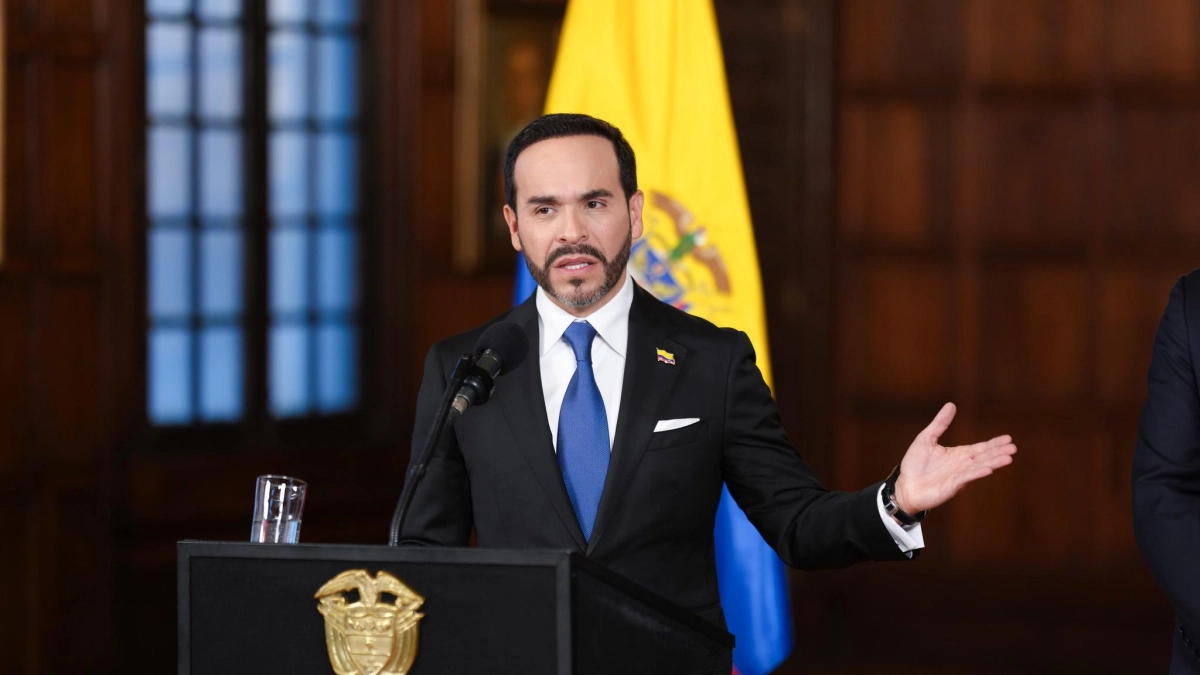
The core of the controversy centers on an accumulation of unpaid financial obligations affecting 4,162 beneficiaries nationwide. According to official disclosures presented by government spokesperson Miller Soto, the Ministry of Culture operated under a severe structural disconnect between public announcements of grants and the actual availability of cash reserves to fulfill them.
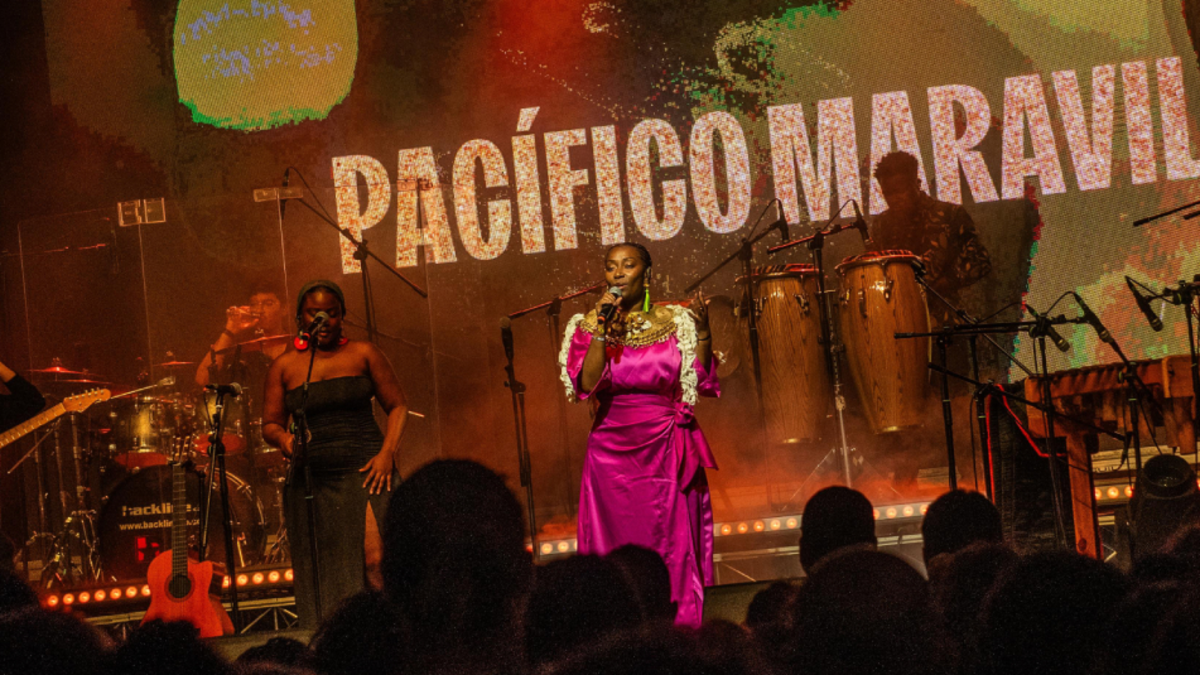
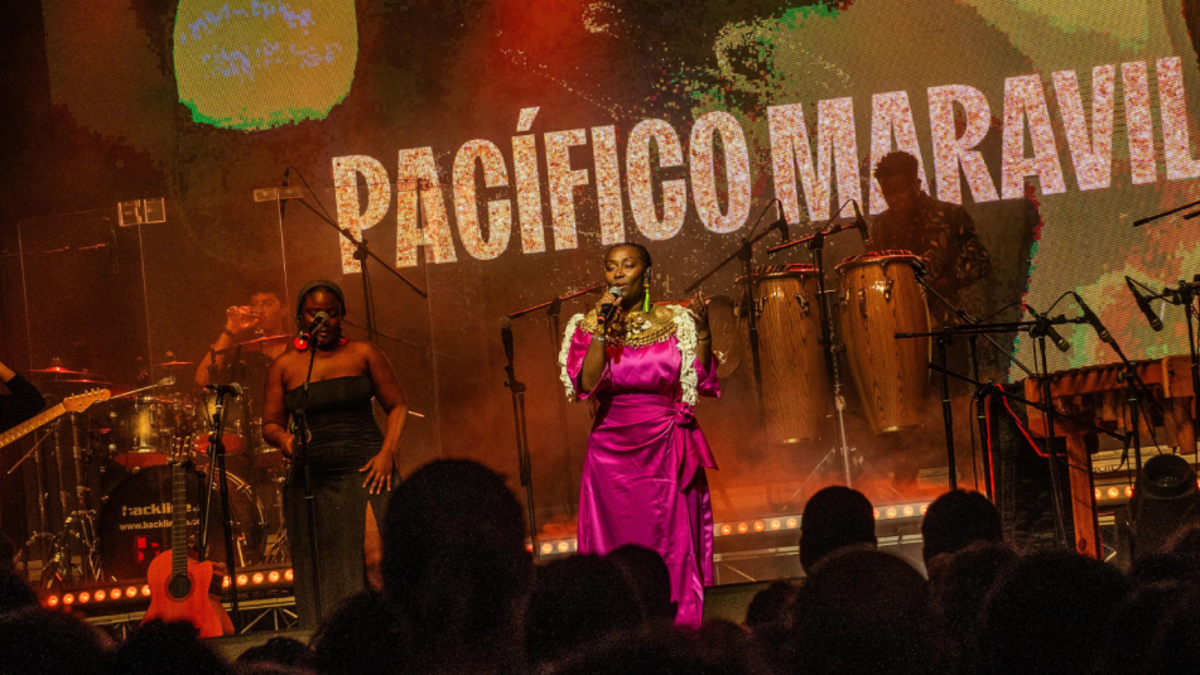
The financial burden is heavily concentrated in specific operational areas, notably large-scale festivals, public stimuli, artistic concertation programs, and grassroots training initiatives. Gestors, local music schools, dance collectives, and community instructors—many operating in vulnerable or rural municipalities—discovered that while they had been officially declared winners of various state convocations, the promised funds were never disbursed.

"Les dijeron que habían ganado, pero nunca les pagaron," stated Soto during a press briefing. ("They were told they had won, but they were never paid. The pattern is always the same: they announced, they applauded themselves, and they didn’t pay.")
The revelation has exposed deep vulnerabilities in how previous cultural budgets were managed, prioritizing public relations and high-profile announcements over strict fiscal responsibility and treasury backing.
Chronology of the Fiscal Crisis
Understanding how a deficit of this magnitude could accumulate requires examining the timeline of administrative oversights and delayed disclosures within the cultural portfolio.
- February: The initial seeds of the fiscal gap were planted as the first rounds of public call winners were officially announced by the previous administration. Even at this early stage, disbursements failed to keep pace with the volume of recognized projects, initiating a silent accumulation of accounts payable.
- March – June: As subsequent rounds of scholarships, festival funding, and regional stimuli were rolled out, the gap between committed expenditures and actual treasury liquidity widened exponentially. Despite mounting internal warnings regarding cash flow constraints, public communication maintained that all programs were fully operational.
- July – August: Following the transition of power, incoming administrative teams began rigorous internal audits of various government ministries. Initial red flags in the Ministry of Culture pointed toward irregularities in contractual execution and unbacked financial promises.
- September: The current administration officially unveiled the comprehensive audit results, putting a definitive figure—$185,482 million pesos—on the deficit. Simultaneously, emergency containment measures were authorized, setting the stage for a phased bailout strategy.
Supporting Data and Financial Breakdown
The sheer scale of the $185,482 million peso shortfall highlights systemic budgeting issues within the previous governance model. Auditors emphasize that the liabilities are distributed across several critical segments of the cultural ecosystem, though the heaviest concentrations fall on regional festivals, artistic creation stimuli, and community-based arts training.

Key Financial Indicators:
- Total Unpaid Liabilities: $185,482 million pesos.
- Total Affected Beneficiaries: 4,162 individuals, groups, and institutions.
- Initial Emergency Disbursement: $40,000 million pesos authorized by the central administration for immediate relief.
- Remaining Deficit to Bridge: $145,000 million pesos, currently under intense negotiation with the Ministry of Finance.
While large-scale cultural events and heritage festivals absorbed a major share of the unbacked commitments, smaller regional programs without robust administrative buffers suffered the most acute liquidity crises. For many local artists, these grants represented their sole source of annual income, making the absence of funding an existential threat to their livelihoods.
Official Responses and Emergency Contingency Plans
Faced with mounting pressure from artistic guilds and regional leaders, the current administration has refused to downplay the crisis, opting instead for a policy of radical transparency coupled with step-by-step fiscal remediation.

The Phased Bailout Strategy
Rather than attempting an impossible immediate wipeout of the debt, the central government has authorized a priority cash injection of $40,000 million pesos. This initial tranche is strictly earmarked to provide immediate relief to those creators and managers who have endured the longest waiting periods, focusing specifically on foundational stimuli, concertation agreements, and "Arts for Peace" initiatives.
"Nosotros no maquillamos las cifras," Soto emphasized, addressing the media. ("We do not massage the numbers. $40,000 million is not $185,000 million; there is still a $145,000 million gap, and we are going to manage it. Minister Paola Holguín continues in those discussions with the Ministry of Finance. First, you tell the truth, and then you pay.")

Territorial Interventions and Cultural Heritage
While financial rescue operations are being thrashed out in Bogotá, Minister of Culture Paola Holguín has maintained an active presence in the regions. Her recent agenda took her through Manizales, Pereira, Armenia, Cali, and Buga to evaluate structural and infrastructural damage following recent seismic activity in the Coffee Triangle and Colombia’s southwestern departments.
Official post-disaster assessments indicate that 40 designated Cultural Interest Assets—including historic urban centers, centuries-old religious temples, and shared community spaces—require urgent intervention. Minister Holguín highlighted these priorities as part of an integrated national recovery effort, signaling that the ministry’s mandate extends beyond financial auditing to the physical preservation of the nation’s heritage.

"La patria milagro reconoce el trabajo de nuestros artistas," Holguín posted via her official social media channels, reaffirming the government’s commitment to supporting creators despite the difficult fiscal inheritance.
Broader Implications for the Cultural Sector
The unearthing of this multi-billion-peso deficit carries profound implications for cultural policy, public trust, and future state contracting in Colombia.

1. Loss of Trust in Public Convocations
For years, public calls (convocatorias) have been heralded as the most democratic and transparent mechanism for distributing state support to independent artists. However, the revelation that thousands of winners were handed empty promises risks severely eroding public faith in these institutional frameworks. Independent creators may become increasingly hesitant to invest time and resources into state-sponsored competitions if financial backing cannot be guaranteed.
2. Stricter Fiscal Controls
The current administration’s approach signals a broader shift toward rigorous internal auditing and accountability across all government portfolios. By establishing a clear separation between the previous administration’s legacy and current capabilities, the government aims to enforce stricter compliance mechanisms, ensuring that future grants cannot be announced without fully secured treasury backing.

3. Economic Vulnerability of the Creative Economy
Artistic and cultural labor in Colombia has historically operated under precarious economic conditions. The nine-month delay in disbursements has exposed the fragility of the sector, pushing many independent companies, dance troupes, and regional music academies to the brink of bankruptcy. Rebuilding this sector will require not only clearing the outstanding ledger but also structural reforms to safeguard cultural workers against future administrative lapses.
As the Ministry of Finance and the Ministry of Culture continue their high-level talks to secure the remaining $145,000 million pesos, the nation’s artistic community waits with cautious optimism—hoping that transparency and phased bailouts will ultimately translate into the long-overdue financial relief they were promised months ago.