By Editorial Staff
Updated: September 21, 2026
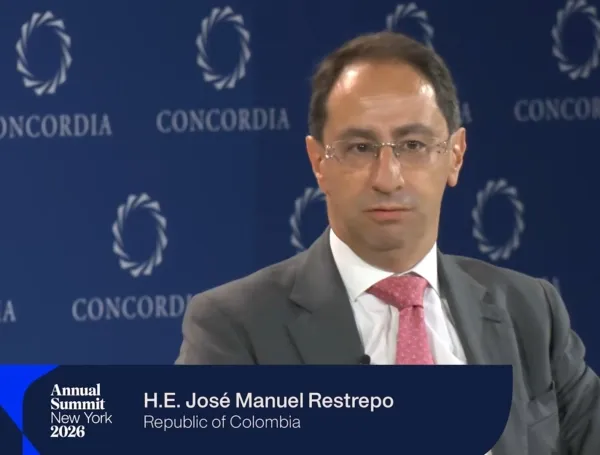
In a decisive move to revitalize the Colombian economy, Vice President José Manuel Restrepo took center stage in New York this week, placing private investment at the heart of the government’s long-term growth strategy. During the high-level gatherings surrounding the United Nations General Assembly, Restrepo introduced "Misión Crecer" (Mission Grow), an ambitious roadmap aimed at driving the nation’s economic expansion toward a target of 6 percent. Central to this proposal is a curated portfolio of 176 strategic projects, representing a combined investment potential of over $150 billion.
The initiative marks a clear departure from fiscal expansionism, signaling a shift toward market-driven recovery, infrastructure development, and technological integration.
The Core Pillars of "Misión Crecer"
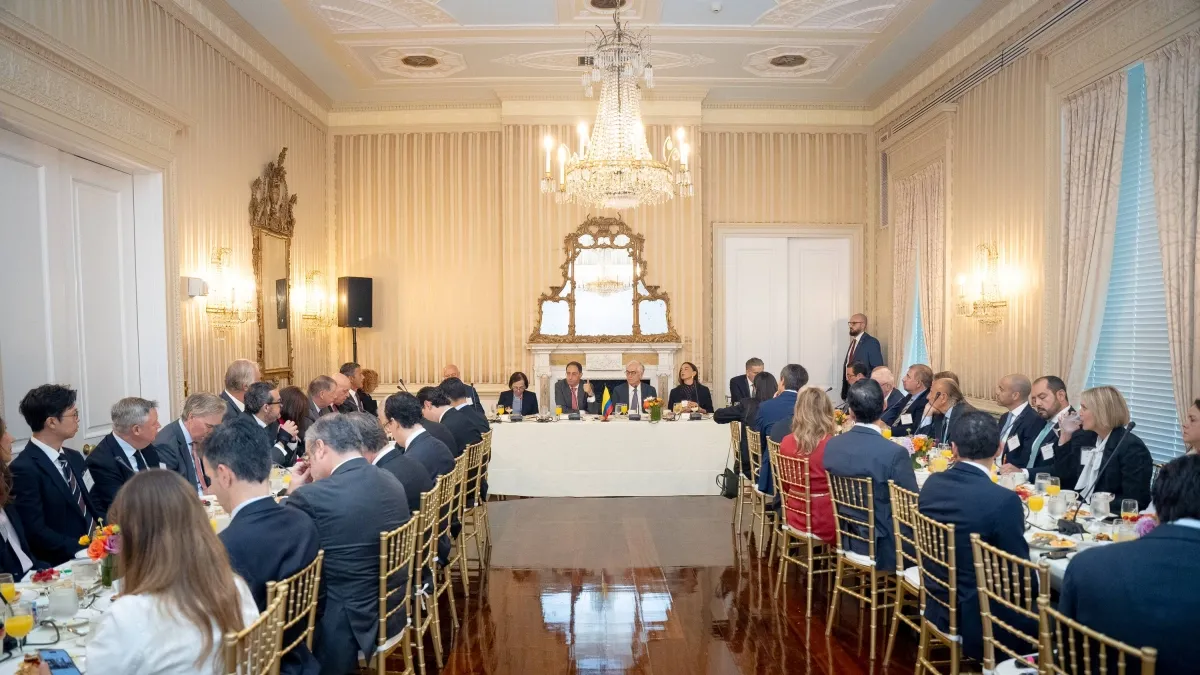
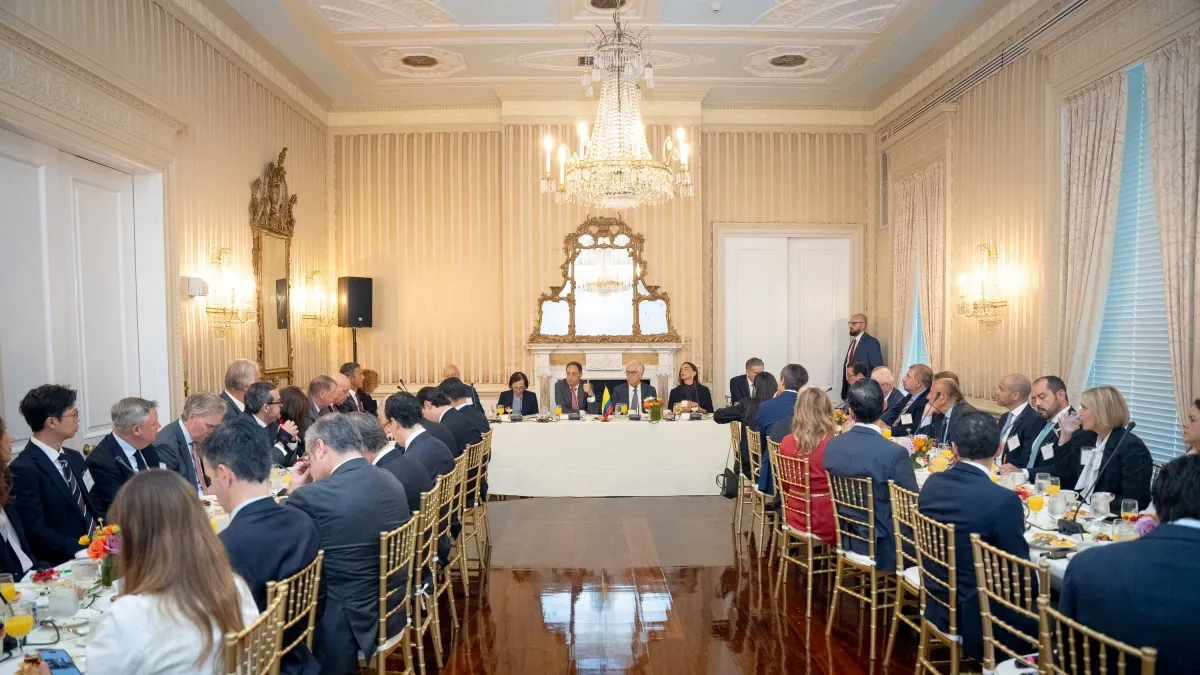
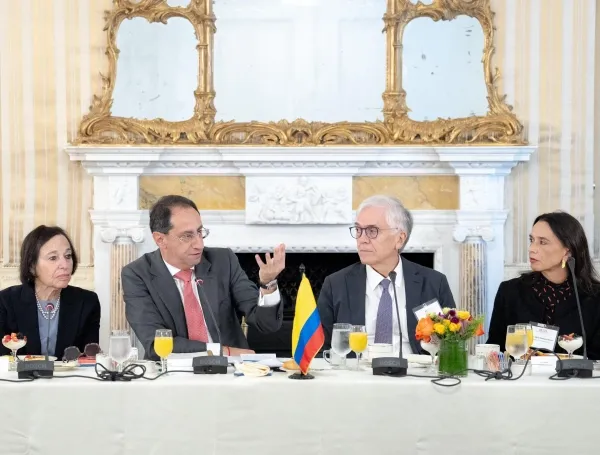
Addressing a group of 40 global executives at the Council of the Americas headquarters on Park Avenue, Vice President Restrepo outlined the four pillars upon which the Misión Crecer is built. He emphasized that the government is seeking to transform identified opportunities into tangible productivity, high-quality employment, and sustainable GDP growth.

1. Stability and Incentives
The government is prioritizing the creation of a predictable legal and regulatory environment. By offering long-term guarantees, the administration aims to de-risk investment, ensuring that multinational corporations feel secure in deploying capital into the Colombian market.
2. The Strategic Project Bank
To facilitate the inflow of capital, the government has launched a dedicated "Bank of Projects." This repository consolidates 176 high-impact initiatives across sectors including energy, logistics, agro-industry, and industrial manufacturing. By vetting these projects, the state intends to bridge the gap between potential investors and shovel-ready ventures.
3. Regulatory Efficiency
A critical component of the mission is the systematic dismantling of bureaucratic hurdles. Restrepo acknowledged that excessive red tape and administrative friction have historically hindered productivity. The government is now actively working to streamline permitting processes to foster a more business-friendly climate.
4. Mobilizing Domestic and Foreign Capital
The final pillar focuses on financial architecture. The administration is developing new mechanisms to channel domestic savings toward productive investment, while simultaneously launching a global offensive to attract Foreign Direct Investment (FDI) to compensate for the limitations of public spending.

Chronology of the New York Agenda
The Vice President’s week in New York was a masterclass in economic diplomacy, characterized by a rapid succession of high-level meetings with both the private and public sectors.
- Monday Morning: The delegation met with members of the Council of the Americas, where executives from giants such as Apple, Intel, Pfizer, Visa, and Citi were in attendance. The discussion centered on the viability of Colombia as a nearshoring hub.
- Monday Afternoon: Restrepo participated in a forum hosted by the Consejo Empresarial Alianza por Iberoamérica (CEAPI). Here, he unveiled the $150 billion portfolio to over 40 CEOs and directors of major Ibero-American firms.
- Bilateral Engagements: A pivotal meeting occurred with the President of the Dominican Republic, Luis Abinader. The two leaders discussed tourism and hospitality infrastructure, resulting in a firm commitment for a delegation of Dominican business leaders to visit Bogotá to finalize potential partnership agreements.
- Multilateral Consultations: Throughout the week, Restrepo held sessions with the Inter-American Development Bank (IDB) and the World Economic Forum, aiming to align the country’s growth strategy with global sustainability and development goals.
Sectoral Analysis: Where the $150 Billion Will Go
The portfolio presented by the government is diverse, reflecting a modern economy that seeks to balance traditional strengths with future-oriented industries.
Energy and Infrastructure
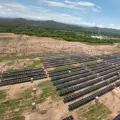
Energy remains the cornerstone of the investment drive. As Colombia transitions its energy matrix, the government is inviting capital for large-scale solar and wind projects, as well as essential logistics and transport infrastructure to support exports.
Critical Minerals and AI
In a nod to the global demand for energy transition materials, the government is aggressively promoting opportunities in critical minerals. Simultaneously, the administration is betting heavily on the digital economy. Restrepo emphasized that the "Misión Crecer" includes specific incentives for the development of Artificial Intelligence (AI) hubs, paired with a massive national initiative to train local talent to meet the rising demand for technical skills in the AI sector.
Tourism and Agro-Industry
Recognizing the untapped potential of Colombia’s regions, the government has included major tourism developments in its portfolio. The meeting with President Abinader highlighted the government’s intent to leverage the expertise of Caribbean tourism investors to boost Colombia’s hotel sector.
Official Stance: Why Private Capital is Indispensable
During his address, Vice President Restrepo was blunt about the limitations of public policy. "For Colombia to grow, we need more private investment," he stated. "We cannot grow on the basis of over-indebtedness, fiscal excess, or wasteful public spending; that is not sustainable."
Restrepo’s rhetoric marks a significant shift, emphasizing that the role of the government is to create the conditions for prosperity, not to serve as the sole engine of the economy. By increasing private activity, the government expects to broaden the tax base, which will, in turn, generate the resources necessary for social investment and poverty reduction.
"Our message has been clear and firm," the Vice President told reporters. "A government that believes in private initiative and in the fundamental rights of business, employment, and freedom of expression has arrived, and it respects them in their entirety."

Implications for the Future of Colombia
The success of the "Misión Crecer" will largely depend on the government’s ability to execute its regulatory reforms and maintain political stability. For international investors, the primary concern remains the continuity of these policies.
The Multiplier Effect
The involvement of institutions like the IDB and the World Economic Forum is intended to provide a "stamp of approval" for the projects, which may help lower the cost of financing for private firms. If the $150 billion in projects begins to materialize, the impact on employment and regional development could be transformative.

Challenges Ahead
Despite the optimism, the government faces internal pressure to reconcile its pro-investment stance with the fiscal realities of the 2027 budget. As highlighted in recent reports, the Ministry of Finance has faced difficulty in finding consensus for various legislative proposals, which could complicate the implementation of the "regulatory efficiency" pillar of the mission.
A Call for Collaborative Governance
Restrepo concluded his trip with a poignant appeal: "Trust in the country as an opportunity for your investments and development; trust in the Government; and let’s work together." He stressed that the path to recovery is not a solo endeavor but a collaborative effort between the state, the private sector, academia, and international partners.

The narrative emerging from New York is one of a Colombia that is "open for business." By aligning its national agenda with the interests of global capital, the administration is attempting to navigate a path out of the post-crisis economic slump. Whether this "Mission" will lead to the promised 6 percent growth remains to be seen, but the intent to make private enterprise the protagonist of the Colombian story is now clearly defined on the global stage.
This article is based on verified reports from the government’s economic delegation in New York and statements provided by the Office of the Vice President of Colombia during the United Nations General Assembly, September 2026.