
By Economic Reporting Desk
Updated: September 13, 2026
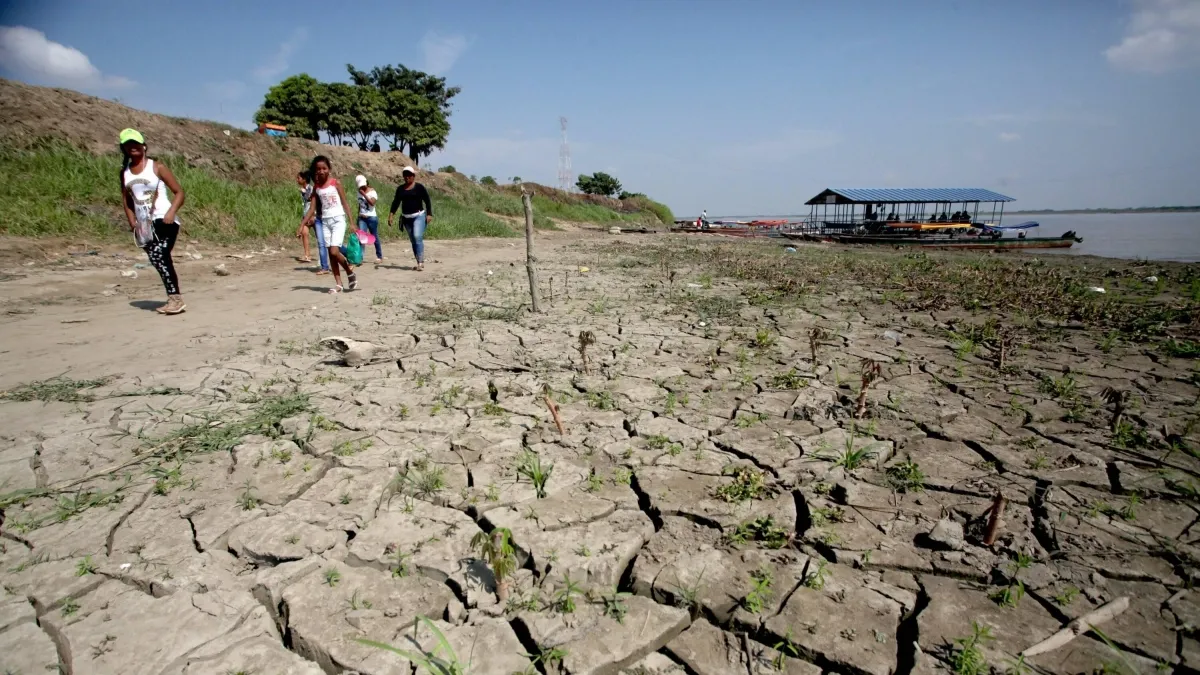
The Colombian Ministry of Housing, City, and Territory has issued a stern warning following a comprehensive territorial analysis: 558 municipalities and non-municipalized areas across the nation are currently classified under "high" or "very high" risk levels regarding the impending effects of the El Niño phenomenon. As the country prepares for a potential crisis in water supply and sanitation, authorities are scrambling to implement mitigation strategies to protect millions of citizens.
The Scope of the Crisis: A Nationwide Analysis
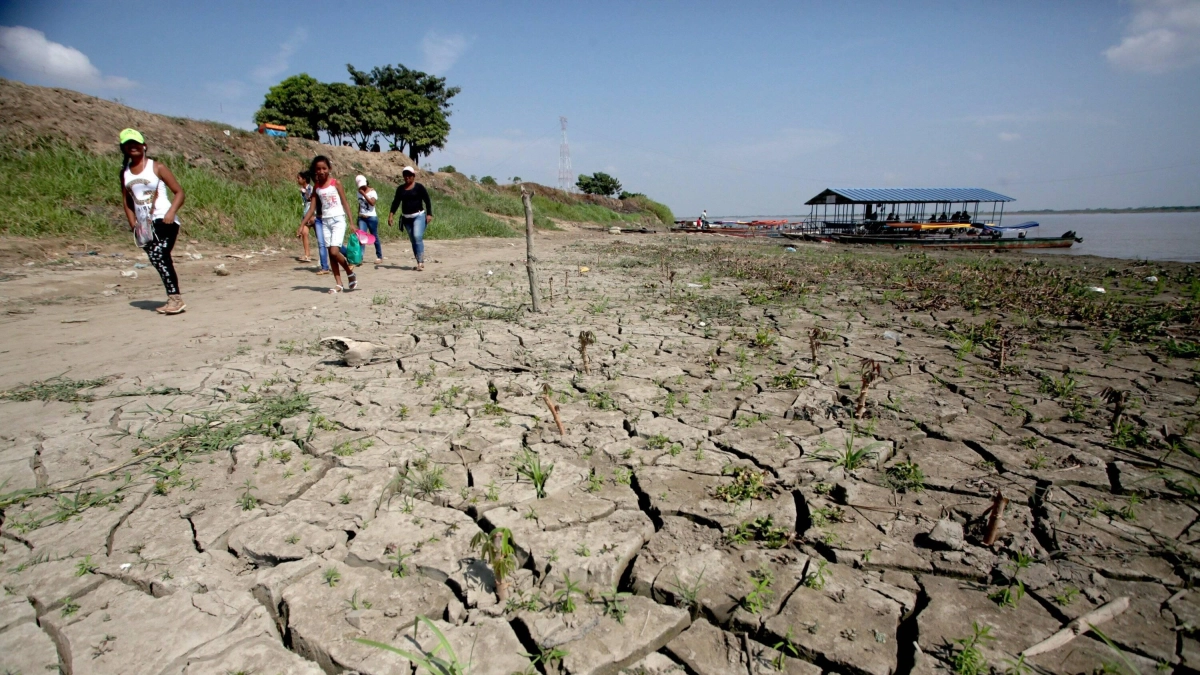
According to the latest government report, the data is sobering. Of the total number of regions analyzed, 111 municipalities have been categorized as being at "very high" risk, while an additional 447 face a "high" risk. These figures are not mere statistics; they represent a significant threat to the fundamental right to water and the stability of basic public services.
Historically, the impacts of El Niño in Colombia have been most severely concentrated in the Andean and Caribbean regions. These areas, characterized by their dense populations and complex geographical terrain, are particularly vulnerable to the meteorological volatility that characterizes this climate phenomenon. With projections suggesting that the conditions associated with El Niño could persist until the first quarter of next year, the window for effective preventive action is narrowing rapidly.

Chronology and Context: Understanding the Pattern
The vulnerability of Colombia to El Niño is a recurring challenge that has evolved alongside climate change.
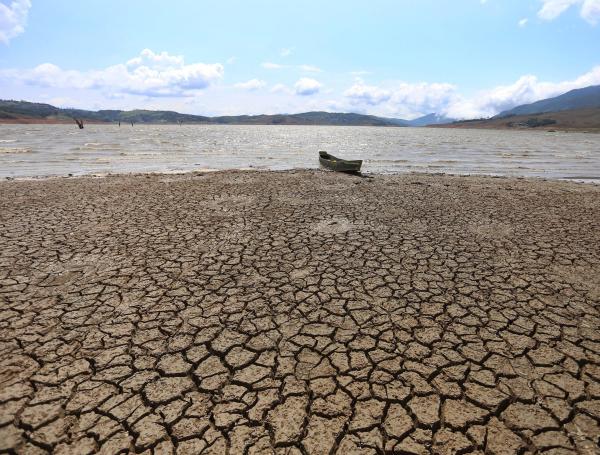
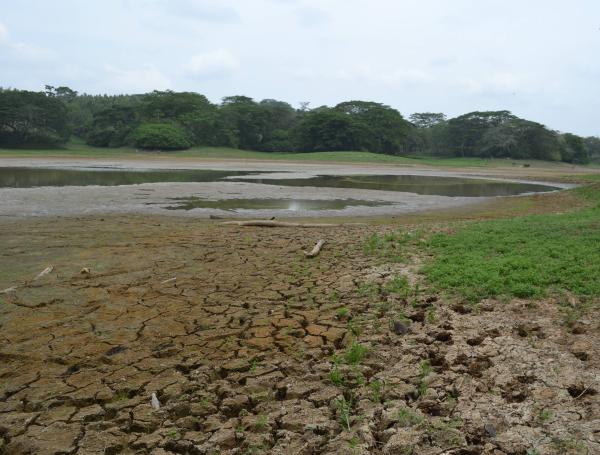
- 2016 Crisis: A major historical benchmark for the country. The severe drought caused by El Niño that year led to drastic reductions in reservoir levels, notably affecting the Calima reservoir. This period underscored the fragility of the nation’s energy and water infrastructure, sparking a national debate on water management.
- Early 2024 Preparations: As climate anomalies became more frequent, government agencies began integrating long-term risk mapping into their planning, focusing on the rehabilitation of abandoned wells and the fortification of regional water systems.
- September 2026 Alert: The current directive issued by the Ministry of Housing marks a critical turning point. Recognizing the strain on public budgets—compounded by challenges in energy and gas subsidies—the government has prioritized the mobilization of local authorities to prevent a total collapse of supply chains in the most exposed regions.
The Dual Threat: Water Scarcity and Infrastructure Collapse
The primary concerns identified by the Ministry of Housing are twofold: the physical reduction of water availability and the degradation of critical infrastructure.

Water Stress and Quality
As precipitation levels drop, the natural sources of drinking water face immediate pressure. This leads to two critical issues:
- Quantitative Shortage: The sheer volume of water entering the reservoirs and catchment basins decreases, leading to rationing and service interruptions.
- Qualitative Deterioration: As water levels recede, pollutants become more concentrated in the remaining water bodies. This poses a significant public health risk, as current treatment plants may not be calibrated to handle higher concentrations of contaminants.
The Role of Wildfires
Infrastructure is not only threatened by the lack of water but also by the rise in forest fires. The dry conditions exacerbate the risk of wildfires near key water catchment areas. When vegetation is lost to fire, the surrounding soil loses its ability to retain water, increasing the risk of erosion and sedimentation in reservoirs. This creates a vicious cycle: fire damages the landscape, which in turn reduces the quality and quantity of water available to the community.
Official Responses and Strategic Directives
In response to these findings, the Ministry of Housing has issued a binding circular addressed to governors, mayors, public service providers, and community water management boards. The directive outlines a clear roadmap for disaster risk reduction:
- Identification of Alternative Sources: Local authorities are tasked with locating secondary water sources that can be activated if primary sources fail.
- Rehabilitation of Infrastructure: Where technically and environmentally feasible, the government has mandated the recovery of pre-existing wells that have fallen into disuse.
- Autonomous System Assessment: The Ministry has urged providers to determine the level of autonomy their systems possess. This involves testing backup power generators, pumps, and storage capacities to ensure continuity during service failures.
- Monitoring and Emergency Readiness: Constant monitoring of water sources is now mandatory. Furthermore, agencies must ensure that equipment—including trucks for water delivery and specialized maintenance tools—is operational and ready for deployment.
Economic and Social Implications
The current risk landscape cannot be viewed in isolation from the broader economic challenges facing the country. With recent reports highlighting that national budgets are under pressure—specifically regarding the financing of energy and gas subsidies for lower-income households—the ability of municipalities to fund expensive emergency responses is limited.

The Ministry’s directive also includes a strong emphasis on "control of losses." In many Colombian municipalities, a high percentage of water is lost due to leakage and illegal connections. Strengthening the control of these losses is not just a conservation effort; it is a financial necessity to maintain the viability of utility companies during periods of extreme scarcity.
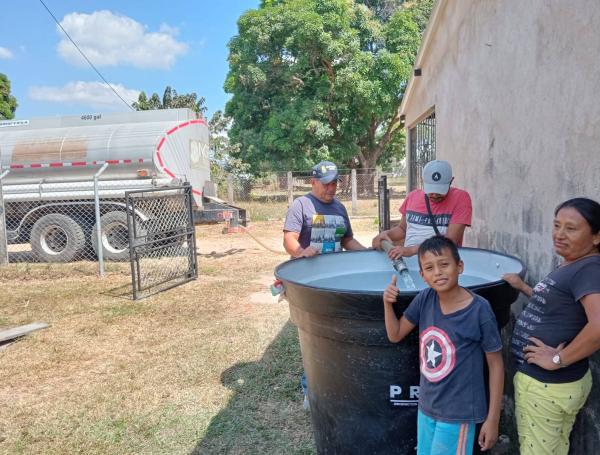
Furthermore, the government is formalizing protocols for the use of "carrotanques" (water trucks). By establishing set routes, charging points, and capacity limits before a crisis hits, the government aims to prevent the chaotic and often corrupt distribution patterns that have plagued emergency water supply efforts in the past.
A Dual-Scenario Strategy: Balancing Drought and Floods
One of the most complex aspects of the Ministry’s warning is the requirement for "dual-scenario management." While the immediate danger is drought, the government warns that climate change has made meteorological patterns unpredictable.
Territories must remain vigilant against the sudden onset of intense rains. Even during a drought, extreme weather events can trigger localized flash floods, mass movements (landslides), and sudden surges in river levels. This requires a level of preparedness that is both flexible and robust, capable of shifting from water conservation mode to emergency flood mitigation at a moment’s notice.

Conclusion: A Call to Action for Local Governance
The findings released by the Ministry of Housing serve as a call to action for local leaders. The data clearly indicates that the impact of El Niño is not a uniform threat; it is geographically specific, requiring tailored responses from each of the 558 affected municipalities.
As the government monitors the situation, the emphasis remains on transparency, efficiency, and proactive maintenance. The challenge of the coming months will test the resilience of Colombia’s water infrastructure and the capability of its local governments to manage resources in an era of climatic uncertainty. For citizens in these high-risk zones, the next few months will be a critical period of adaptation, demanding both caution and cooperation with local authorities to ensure the survival and sustainability of their most precious resource: water.
For ongoing updates regarding these economic and environmental developments, readers are encouraged to follow official government updates and consult local municipal bulletins. Stay informed via our weekly newsletter and follow us on our official digital channels.