By Edwin Caicedo
Environment and Health Journalist
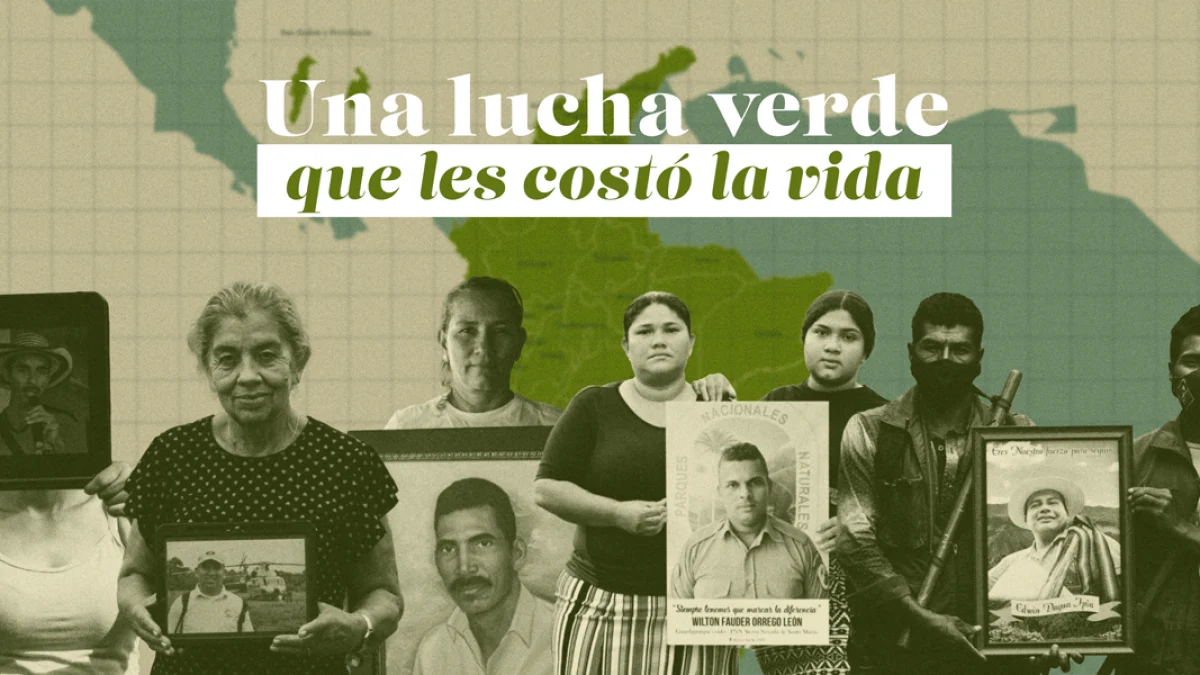
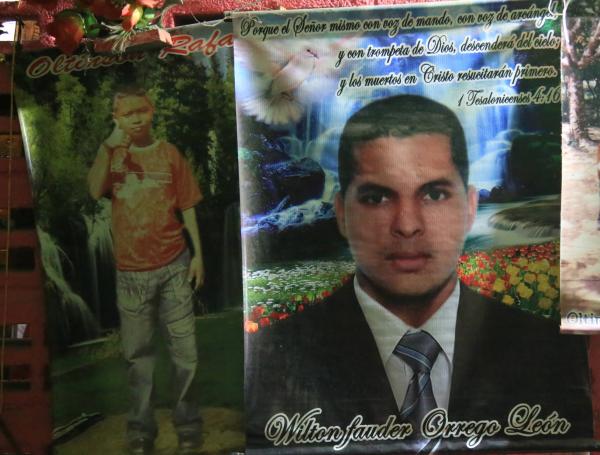
This article is dedicated to the memory of Aida Damaris Flor Camayo, Alberto Quitumbo Yatacué, Astrid Viviana Ordóñez Arcos, Carmelo Guerrero Reyes, Célimo Hurtado Bulgara, Cristian Fernando Guanga, Darli Lucía Arcia Anaya, Edgar Tumiñá Gembuel, Eduardo Campo Cháx, Elizabeth Mojica Nieves, Erik Anderson Menza Paví, Ernesto Esaú Muñoz Casamachí, Ferley Perdomo Molina, Germán Roso Aristizábal, Guillermo Velasco, Hernán Amaya Velásquez, Jacinto Chocué, Jaime Alonso Gallego Gómez, Jairo Alberto Díaz Salazar, James Tomás Guanga Quelal, Jesús Alveiro Chaves Quejuan, José Albeiro Liz Muchicón, José Erlery Velasco Bolaños, José Miguel Mojica Conchangui, Juan Carlos Rodríguez Torres, Julián Arenas, Leonairo Samir Montero Paz, Luis Alberto Peña, Luis Aurelio Araujo Hernández, Luis Eduardo Cisneros Gómez, Luis Fernando Mayorga Rodríguez, Luz Heneida Hinestroza, Marco Antonio Suárez Arroyave, Marcos Yonda Toconás, Pedro María Ropero Delgado, Willy David Pérez Quiroz, Wilmer Solarte Pascal, Yackson Orlando Solarte Chunata, and Zuleima Mosquera Beltrán.
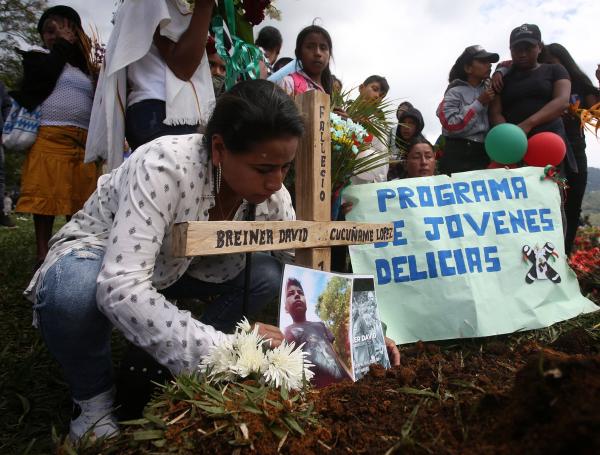
These are the 39 names of the individuals who lost their lives in Colombia throughout 2025 while striving to protect their land, their territories, and the environment. The grim toll is documented in the latest report released by Global Witness, an international organization that has monitored the targeted killings of land and environmental defenders across the globe since 2012.
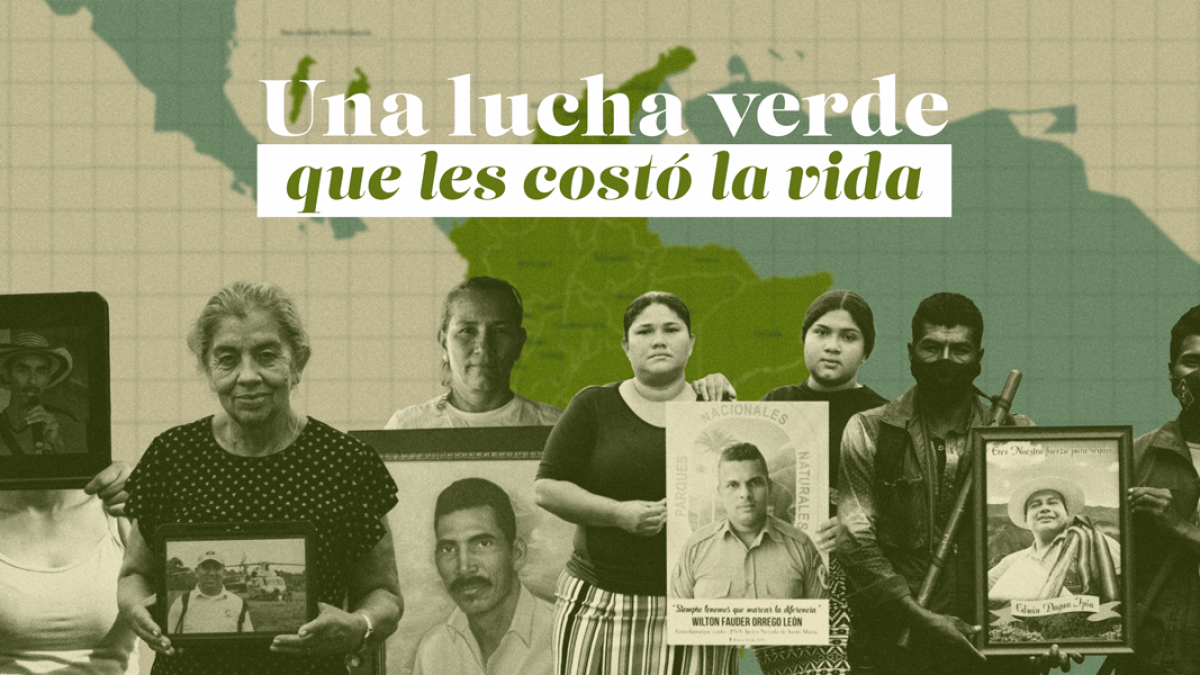
Despite a minor statistical decline compared to previous years, the findings confirm a devastating reality: for the fourth consecutive year, Colombia holds the undisputed and tragic title of being the most dangerous place on Earth for individuals who stand up for nature.
Main Facts: The Human Cost of Protecting Nature
According to the international watchdog’s report published on September 15, 2026, at least 124 environmental and land defenders were killed worldwide in 2025. This brings the staggering total of recorded homicides and disappearances to 2,375 since Global Witness began tracking the crisis. Latin America remains the most lethal region on the planet for these advocates, accounting for a staggering 85% of all global fatalities.
Colombia alone accounted for 39 of these murders in 2025. Brazil followed with 26 deaths—more than double its tally from the previous year—while Honduras and Filipinas recorded 12 each, Mexico logged 10, and Guatemala reported eight. Together, Colombia and Brazil accounted for 52% of all targeted environmental killings worldwide last year.

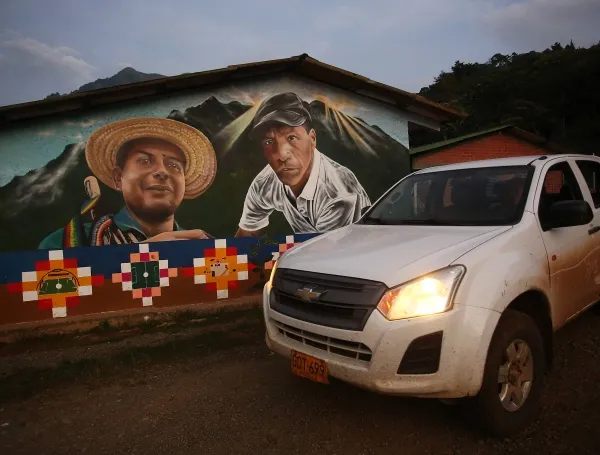
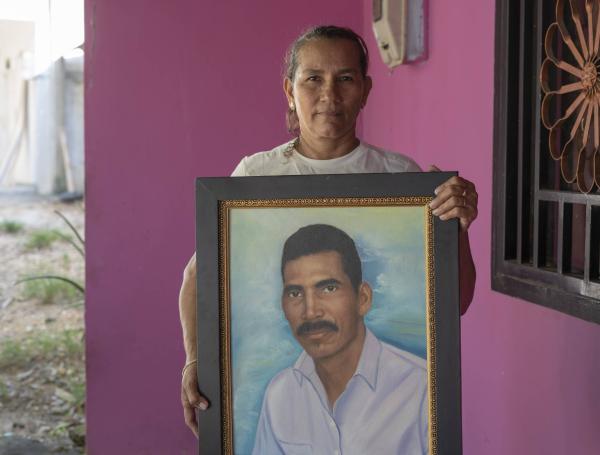
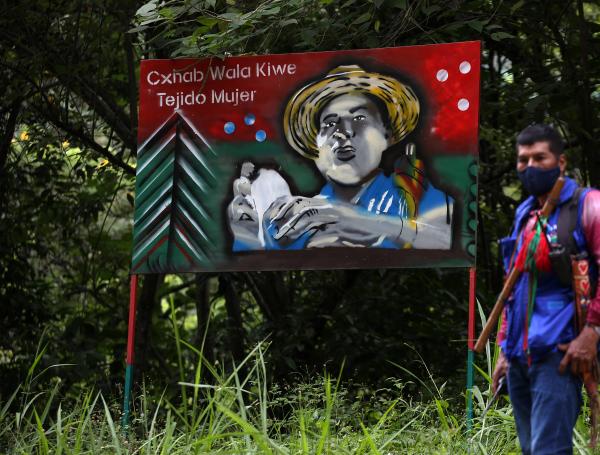
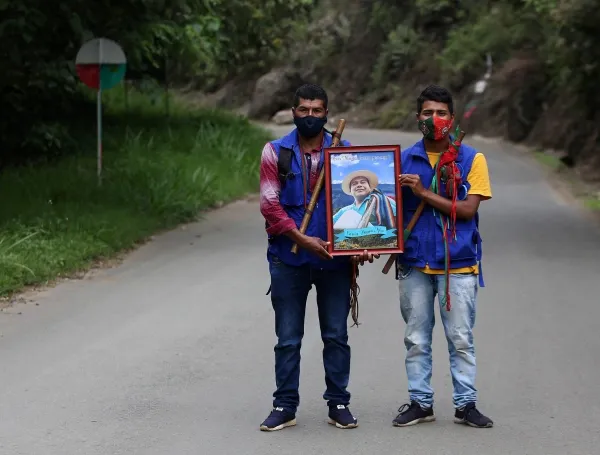
The vulnerability of marginalized groups remains a defining characteristic of this violence. Globally, more than three-quarters of the victims were peasants, indigenous people, or Afro-descendants. Indigenous communities bore a disproportionate brunt of the assaults, suffering 44 of the documented killings globally in 2025, which included seven members of indigenous self-defense guards. In Colombia, nearly half of the 39 victims belonged to indigenous communities, while another 15 were peasant farmers (campesinos).
Geographically, the violence is heavily concentrated. Thirteen of the Colombian murders occurred in a single department: Cauca. Furthermore, 35 of the 39 total deaths were directly tied to intense land conflicts.
Toby Hill, the report’s lead author and researcher, emphasized the irreplaceable role these defenders play. "Defenders are the eyes and ears of the world on the ground. Thanks to them, we know when ecosystems are being destroyed, where forests are being logged, or where rivers are being polluted," Hill stated.
Chronology: Four Years, Two Administrations, and an Unbroken Chain of Violence
The persistence of Colombia at the top of this lethal ranking is not an isolated phenomenon attributable to a single political cycle. Data spanning the last four reports compiled by Global Witness reveals an unyielding continuity of violence across the administrations of Iván Duque and Gustavo Petro.
- 2022: In the final months of the Duque administration and the transition into Petro’s first months, Global Witness documented 60 assassinations of defenders in Colombia.
- 2023: The crisis escalated dramatically. The organization recorded 79 murders—the highest annual figure ever documented in a single country since Global Witness began its global tracking. That year alone, Colombia accounted for 40% of all global environmental killings.
- 2024: The toll dropped to 48 murders and disappearances, yet it was still enough to keep Colombia securely in the number one global spot out of 146 worldwide cases.
- 2025: The number dipped further to 39 fatalities, marking a slight numerical downward trend, yet the country retained its status as the most lethal territory globally for environmental advocacy.
This four-year sequence—60, 79, 48, and 39—demonstrates that structural violence against land defenders has outlasted political promises, institutional reforms, and international treaties. Notably, this ongoing bloodshed has persisted despite Colombia ratifying the landmark Escazú Agreement in 2022, a regional pact designed to protect environmental defenders, the constitutionality of which was definitively upheld by the Constitutional Court on August 28, 2024.
Supporting Data and Underlying Causes
While environmental defenders are often framed as victims of isolated clashes, the data reveals a complex matrix of systemic threats driven by resource extraction and organized crime.
Globally, land disputes were linked to more than half of the killings documented in 2025. Extractivist industries also left a bloody footprint: mining was tied to 11 murders, the timber industry to eight, and agribusiness to six. Moreover, more than a third of the global crimes were directly linked to organized crime syndicates or hired hitmen.
In Colombia, experts stress that the violence goes beyond environmental disputes. Karol Sanabria, a researcher with the Alternatives to Development program at Ambiente y Sociedad, notes that leaders are routinely targeted for resisting forced recruitment, drug trafficking, legal and illegal mining, and large-scale megaprojects.
The security crisis is further compounded by a drying up of international financial support. Juliana Vélez Echeverri, a senior campaign strategist at Global Witness, pointed out that funding cuts enacted in 2025 by major international donors—including the United States, Germany, and the United Kingdom—severely impacted grassroots organizations. In Colombia, this foreign aid reduction left indigenous and peasant communities with fewer resources to safeguard forests, rivers, and fragile ecosystems.
Furthermore, state protection mechanisms remain profoundly flawed. Although Colombia boasts one of the most extensive legal frameworks for protection in the world—with over 43 distinct norms identified by civil society—the system is reactive rather than preventative. Global Witness highlighted that even within a framework of specialized protection, five Colombian defenders who had formally requested or received state protection were nonetheless murdered in 2024.
Civil society organizations emphasize that official statistics only scratch the surface. Underreporting remains pervasive due to the extreme remoteness of conflict zones, deep-seated fear within communities, and the deliberate silencing of whistleblowers.
Official Responses: A Clash of Perspectives
The release of the 2025 report has triggered sharp debates among human rights advocates, academic researchers, and national authorities regarding the structural efficacy of state policies.
Civil Society Warnings: Lower Homicides Do Not Equal Better Conditions
Astrid Torres, coordinator of the Somos Defensores program, argues that interpreting the drop from 48 to 39 murders as a sign of progress is deeply misleading. According to Torres, a statistical decrease in homicides frequently correlates with an escalation in other forms of aggression, such as judicial criminalization, targeted threats, smear campaigns, digital harassment, forced disappearances, and kidnappings.
Torres points to the department of Cauca as a glaring epicenter of ongoing risk, noting that armed groups like the Estado Mayor Central (EMC) continue to perpetrate crimes against indigenous guards and ethnic authorities. She contends that conventional military operations—such as those conducted in El Micay—have failed to suppress regional violence, instead heightening the dangers faced by local leaders.
Mauricio Madrigal, a public policy specialist at WWF Colombia, echoes this sentiment, diagnosing the crisis as a systemic structural failure. Madrigal argues that the breakdown occurs across every phase of governance: from territorial planning and the unchecked expansion of extractivist projects to the persistent social stigmatization of environmental leadership and a weak judicial system incapable of prosecuting intellectual authors.
The Ministry of Environment’s Stance
In response to the report, the Ministry of Environment—under the leadership of Minister Fabio Arjona—conceded that the nation has normalized an unacceptable level of bloodshed.
"In Colombia, we have normalized the fact that defending the environment leads to situations as painful as these. Defending a river, a forest, a territory, or a community should never cost anyone their life, and this must compel us to act as a State," the ministry declared.
However, the ministry launched a scathing critique against past political strategies, asserting that previous leadership failed to translate high-profile political slogans into genuine security for grassroots communities.
"The data must also lead us to something very clear: those who supposedly championed a ‘power for life’ did nothing to safeguard the lives of those who protect and care for our natural heritage. They proclaimed with megaphones that they would solve all community problems in environmental terms, but the truth is otherwise; this failed to translate those commitments into effective security for those who defend the territory," the ministry asserted.
Outlining the current administration’s path forward under President Abelardo De La Espriella, the ministry announced a renewed security doctrine: "Our response within the ‘Patria Milagro’ strategy, which has already begun to roll out, entails the permanent presence of the State in the territories, robust protection for communities, the dismantling of illegal economies, and the absolute guarantee of justice."
Implications and the Path Ahead
The findings of the 2025 Global Witness report paint an unflinching portrait of a nation trapped in a cycle of systemic violence. Despite changes in government, the ratification of international human rights pacts like the Escazú Agreement, and the creation of elaborate legal toolkits, the fundamental security of environmental defenders remains precariously unmet.

The Constitutional Court’s historic ruling—Sentence SU-546 of 2023—formally declared an unconstitutional state of affairs regarding the plight of social leaders. Yet, compliance reports filed by the Attorney General’s Office reveal that the root drivers of the violence remain active: the unchecked territorial expansion of armed groups, lucrative resource disputes, the instrumentalization of environmental narratives, and historic state absence in remote rural zones.
Experts insist that until judicial authorities move beyond prosecuting low-level hitmen to dismantling the financial networks and intellectual masterminds behind these crimes, statistics will fluctuate without ever resolving the crisis.
As 226 documented murders and disappearances over the last four years demonstrate, Colombia’s overarching challenge goes far beyond numbers on a page. Until systemic structural reforms take root on the ground, defending a river, a mountain, a forest, or a ancestral homeland in Colombia will remain a perilous sentence disguised as a civic duty.