
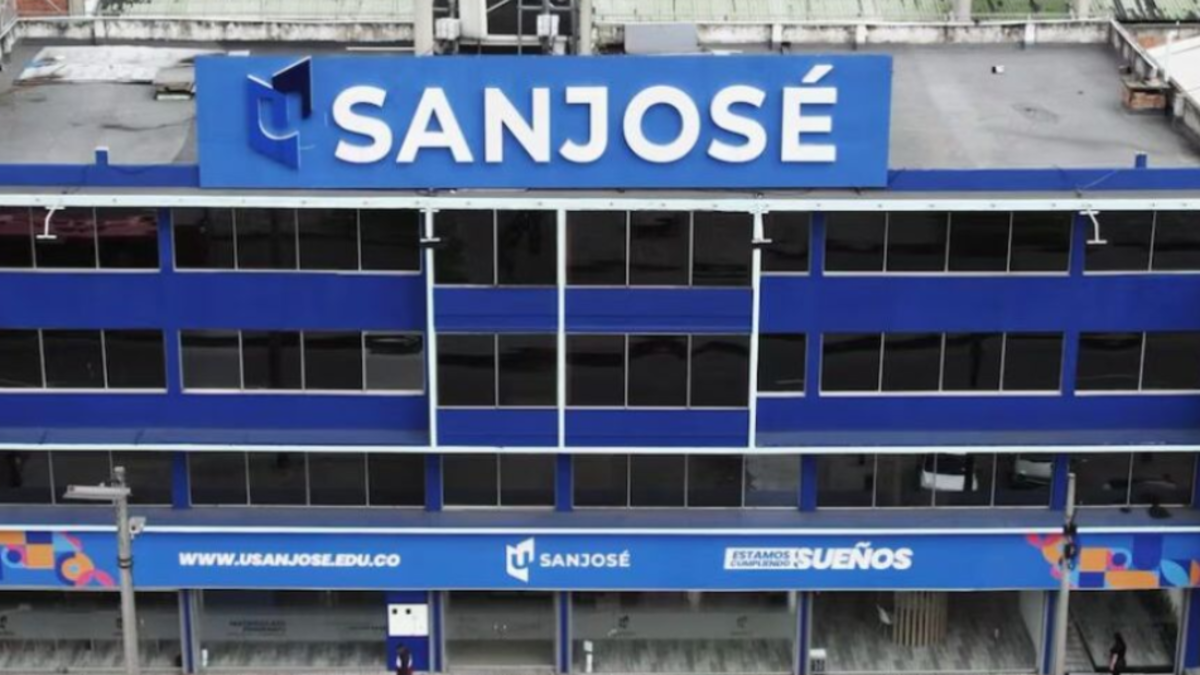
BOGOTÁ — In a sweeping regulatory crackdown that has sent shockwaves through Colombia’s higher education sector, the Ministry of Education has officially opened two new formal investigations against the Fundación de Educación Superior San José (San José University Foundation), its current and former directors, and its internal administrative and control bodies.
The announcement, made public by national education authorities, comes directly on the heels of a landmark judicial ruling that exposed profound systemic vulnerabilities within the institution. The catalyst for this severe administrative scrutiny was the high-profile criminal conviction of Juliana Andrea Guerrero, a former government official who admitted to acquiring fraudulent academic degrees from the institution to position herself for a high-ranking government appointment.
What began as a localized criminal investigation into an individual’s resume padding has now rapidly evolved into a comprehensive institutional audit. The Ministry’s decisive actions suggest that Guerrero’s case may not be an isolated anomaly, but rather a symptom of deeply ingrained, systematic irregularities operating unchecked within the halls of the private higher education foundation.
Main Facts: The Scope of the Regulatory Crackdown
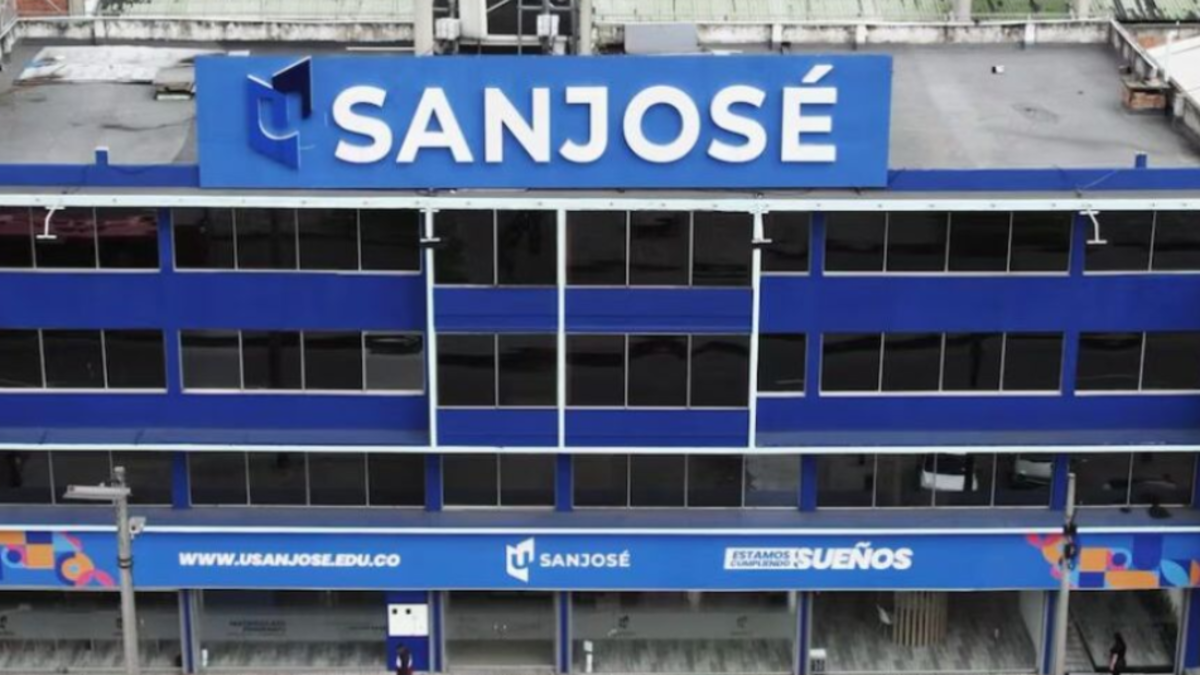
The Ministry of Education’s newly launched investigations are not merely superficial reviews; they target the structural integrity, legal compliance, and ethical governance of the San José University Foundation. According to official disclosures from the education cartera, the probes were triggered by alarming findings gathered during an ongoing in-situ (onsite) inspection ordered specifically to evaluate how the institution delivers higher education services and fulfills its legal obligations.
The scope of the investigation targets a broad spectrum of potential infractions and names not just the institution as a corporate entity, but also every individual who has held positions of representation, direction, administration, and control. This includes:
- The current legal representative and rector.
- Former rectors and administrative directors.
- Members of the Board of Counselors and governing boards.
- Internal administrators and statutory auditors (revisores fiscales).
Key Findings Driving the Investigation
According to the administrative communications released by the Ministry of Education, the in-situ inspection reports uncovered a litany of troubling operational failures:

- Irregularities in Title Issuance: Compelling evidence suggests persistent flaws, shortcuts, and potential corruption in how academic degrees are granted, raising questions about the validity of numerous diplomas issued by the institution.
- Omissions in National Reporting: The institution allegedly failed to report accurate, timely information to the National System of Information for Higher Education (Sistema Nacional de Información de la Educación Superior – SNIES), effectively blinding regulatory oversight bodies to the true scale of its academic operations.
- Unauthorized Program Operations: Investigators found strong indicators that the foundation was running academic programs under conditions, modalities, or locations entirely different from those authorized by their official qualified registries (registros calificados).
- Outdated and Expired Public Advertising: The institution was reportedly promoting and marketing academic programs whose qualified registries had already expired, potentially deceiving prospective students.
- Labor and Contractual Violations: Inspectors identified potential violations of labor laws, specifically regarding hourly faculty pay rates (pago por hora cátedra) falling below the statutory minimum thresholds established under Article 106 of Law 30 of 1992.
- Governance and Control Failures: Serious questions have been raised regarding the proper constitution, independence, and operational transparency of the foundation’s governing and oversight boards.
The Ministry has emphasized that the existence, intent, and systematic scope of these practices will be rigorously examined through administrative due process. However, the sheer volume of preliminary findings points toward systemic vulnerabilities in the institution’s internal quality assurance and verification mechanisms.
Chronology of the Scandal: From Government Ambitions to Criminal Conviction
To understand how a private higher education institution became the target of a high-level government crackdown, it is necessary to retrace the timeline of the scandal that brought the San José University Foundation into the national spotlight.
- The Ambition: Juliana Andrea Guerrero, a young public figure and former government official who served during the administration of former President Gustavo Petro, set her sights on a prestigious government role. Her objective was to secure the position of Vice Minister of Youth within the newly formed, high-profile Ministry of Equality.
- The Credentials: To meet the strict legal and professional requirements for the viceministry, Guerrero needed verified academic credentials. She presented certificates claiming she had successfully completed rigorous coursework to earn the titles of Public Accountant (Contadora Pública) and Technologist in Accounting Management (Tecnóloga en Gestión Contable), both purportedly issued by the San José University Foundation.
- The Exposure and Investigation: Investigative journalists and institutional watchdogs began scrutinizing the backgrounds of incoming high-level government appointees. Discrepancies quickly emerged regarding Guerrero’s academic trajectory. The Attorney General’s Office (Fiscalía General de la Nación) launched a formal criminal investigation into the authenticity of her degrees.
- The Arrest and Plea Agreement: Faced with mounting, irrefutable forensic and documentary evidence compiled by prosecutors, Guerrero opted to negotiate with the judicial system. She entered a formal pre-trial agreement (preacuerdo) with the Prosecutor’s Office, wherein she unreservedly admitted her guilt regarding the crime of procedural fraud (fraude procesal), acknowledging that she never legitimately studied for or earned the degrees she brandished.
- September 9, 2026 – The Judicial Sentence: The 46th Penal Judge with Function of Knowledge of Bogotá formally handed down its sentence against Guerrero. She was condemned to three years of prison (benefiting from a penalty reduction due to her cooperation and early confession via the plea deal). In addition to the prison term, the judge ordered her to pay a hefty financial fine equivalent to 100 current legal monthly minimum wages and slapped her with a two-and-a-half-year disqualification from holding public office or exercising public functions.
While Guerrero’s legal battle concluded with her admission of guilt, the ripples of her conviction did not stop at her personal file. Instead, the judicial admission that fraudulent titles could be so easily obtained from the San José University Foundation lit a fire under the Ministry of Education, prompting the massive administrative investigations announced this week.

Supporting Data and Legal Framework
The dual investigations launched against the San José University Foundation highlight the robust legal mechanisms available to Colombian educational authorities—and conversely, the severe legal consequences institutions face when they breach the public trust.
Under Colombian law, higher education institutions operate under state-granted licenses and specialized authorizations known as registros calificados. These registries ensure that any program offered meets baseline quality standards in curriculum, faculty, infrastructure, and financial sustainability.
Key legal pillars involved in the current regulatory action include:

- Law 30 of 1992: The foundational statute governing higher education in Colombia. Specifically, Article 106 regulates the baseline remuneration and rights of university faculty (hourly teaching rates), a component where the San José foundation has allegedly fallen short.
- Decree 1075 of 2015: The Single Regulatory Decree for the Education Sector, which outlines the parameters for institutional inspection, surveillance, and administrative sanctions.
- The SNIES Mandate: Universities are legally mandated to keep national databases updated with accurate records of enrolled students, active programs, and graduated professionals. Failure to report constitutes an administrative infraction that distorts national educational metrics and undermines transparency.
If the Ministry of Education finds the foundation guilty of the systemic irregularities outlined in its preliminary reports, penalties can range from multi-million-peso corporate fines and the mandatory suspension or revocation of specific academic program registries, up to the ultimate administrative sanction: the cancellation of the institution’s legal personality and forced liquidation.
Official Responses and Institutional Silence
As the regulatory net tightens, the official responses from the various actors involved highlight a tense atmosphere of accountability and defense.
The Ministry of Education, through its Directorate of Inspection and Surveillance, has maintained a firm, uncompromising stance. In its official press releases and public statements, the cartera has reiterated that the protection of educational quality and public faith is non-negotiable.

"The opening of these formal charges reflects our unwavering commitment to ensuring that every degree issued within the national territory represents genuine academic effort, institutional rigor, and absolute legal compliance. Educational institutions hold a public trust that cannot be compromised by administrative negligence or fraudulent practices," a Ministry spokesperson noted regarding the ongoing in-situ inspections.
Meanwhile, representatives of the San José University Foundation find themselves navigating a profound institutional crisis. While legal defense teams representing current directors and administrative boards are preparing their formal responses within the administrative due process timeline, the university’s public communications have struggled to contain the fallout.
Historically, institutions caught in similar scandals attempt to frame rogue actors or isolated administrative errors as the root cause. However, the Ministry’s explicit focus on "systemic and recurring practices" makes a localized defense increasingly difficult. The inclusion of current and former rectors, legal representatives, and statutory auditors ensures that the net of accountability will reach the highest echelons of the foundation’s corporate governance.

Legal analysts point out that the foundation’s leadership will face an uphill battle trying to disassociate the institution from Juliana Guerrero’s confirmed fraudulent degrees, especially since the judicial process conclusively established that the diplomas entered the official administrative pipeline bearing the hallmarks of the university’s issuance systems.
Implications: A Watershed Moment for Colombian Higher Education
The unfolding scandal surrounding the San José University Foundation and the criminal conviction of Juliana Guerrero carries profound implications that extend far beyond a single university or a disgraced former public official.
1. Re-evaluating Credential Verification in the Public Sector
For years, critics have warned about lax background checks and superficial resume verifications within Colombian public institutions. The ease with which Guerrero obtained high-level government consideration using fraudulent academic credentials exposed dangerous vulnerabilities in state hiring practices. The fallout from this case is already pushing public agencies, ministries, and regional governments to implement rigorous, independent, and direct validation protocols with universities before confirming any high-level appointments.

2. Heightened Scrutiny on Private Higher Education
Private universities and university foundations operating in Colombia now face an intensified regulatory climate. The Ministry of Education’s aggressive posture signals that administrative oversight is shifting from reactive responses to proactive, data-driven in-situ inspections. Institutions that treat academic programs as high-volume commercial ventures rather than centers of rigorous learning are now on direct notice.
3. Restoration of Academic Integrity
Ultimately, the scandal underscores the invaluable currency of educational authenticity. In a society striving for meritocracy, the devaluation of academic degrees through fraud undermines the social mobility of millions of students who sacrifice time, effort, and financial resources to earn their titles legitimately.
As the administrative proceedings march forward, the eyes of the academic community, legal experts, and the general public remain fixed on the Ministry of Education and the San José University Foundation. Whether this case leads to structural reform, severe corporate sanctions, or a broader purging of fraudulent practices across the educational landscape, it has already secured its place as one of the most significant institutional governance scandals of the decade in Colombia.