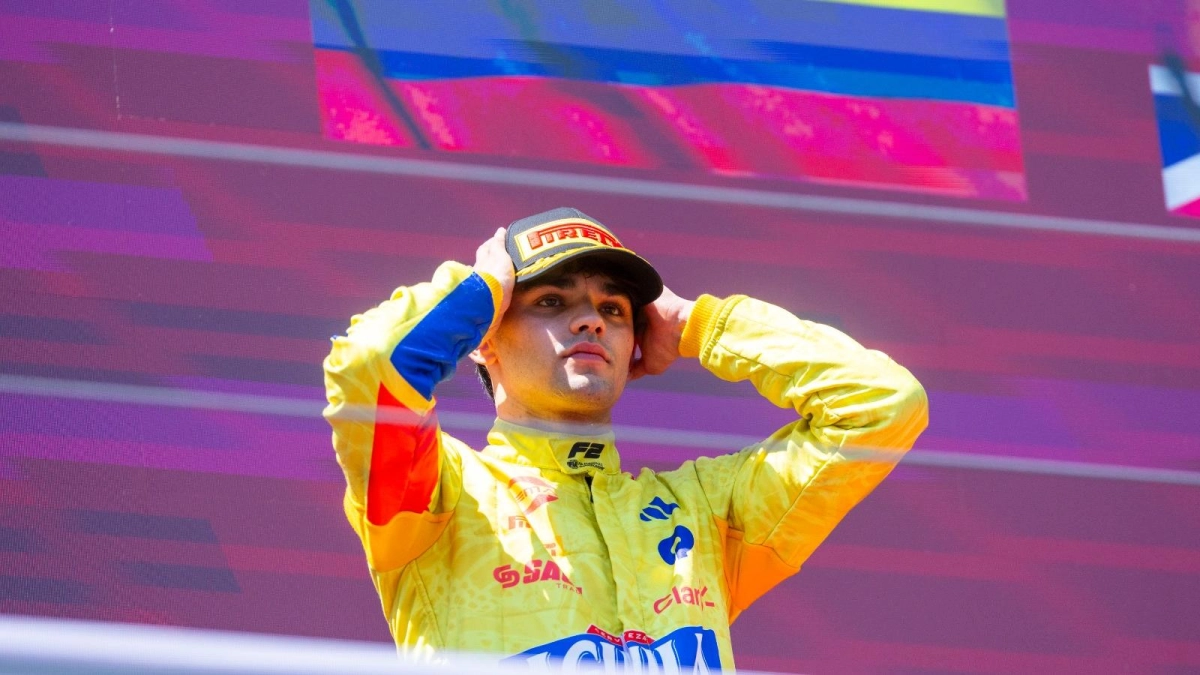
The world of Formula 2, known for its high-octane intensity and razor-thin margins, witnessed a bizarre administrative incident this weekend that has left the paddock—and the fans—astounded. Colombian rising star Sebastián Montoya, currently competing for Prema Racing, has been hit with a financial penalty that had nothing to do with his driving, but rather a breach of strict safety attire protocols by a guest in his pit lane: his sister, Paulina Montoya.
The incident, which occurred during the qualifying session for the Formula 2 Grand Prix of Madrid, serves as a stark reminder of the draconian nature of FIA-sanctioned safety regulations, where the actions of a single individual can directly impact a team’s bottom line and competitive standing.
The Incident: An Unforeseen Breach of Protocol
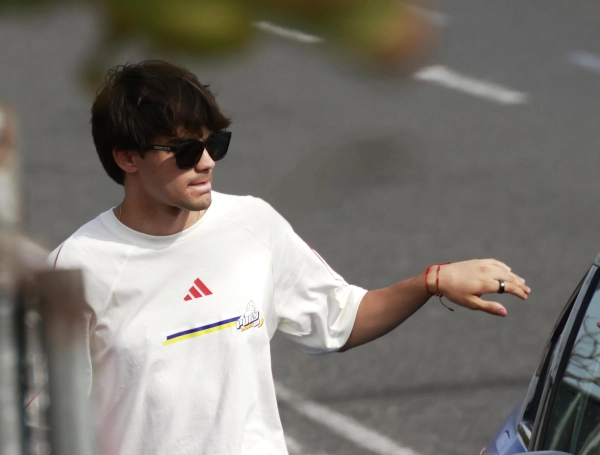
During the high-pressure environment of the F2 qualifying session, where every second counts and teams are meticulously focused on tire management and track position, a seemingly innocuous moment triggered a formal investigation by race stewards. Paulina Montoya, attending the event to support her brother, approached the Prema Racing monoplaza in the pit lane.
According to reports from Mundo Deportivo, the issue centered on the attire worn by Paulina. FIA regulations regarding the pit lane—an area classified as a high-risk zone—are stringent. Safety protocols mandate that anyone entering the pit lane must be dressed appropriately to minimize the risk of injury in the event of a fire, a mechanical failure, or a collision. Paulina was seen wearing a dress that did not sufficiently cover her legs, a direct violation of Article 22.15 of the Formula 2 Sporting Regulations.

While the incident might appear trivial to the casual observer, the FIA maintains a zero-tolerance policy regarding pit lane safety. The stewards determined that the presence of an improperly dressed individual in such close proximity to the machinery posed a liability that the governing body could not ignore.
Chronology of a Surreal Penalty
The sequence of events unfolded rapidly, highlighting the efficiency with which the FIA enforces its administrative code:
- The Approach: During the qualifying session, Paulina Montoya approached the Prema Racing pit box.
- The Observation: Race officials monitoring the pit lane identified the dress code violation.
- The Investigation: Stewards immediately opened an inquiry under Article 22.15, which outlines the safety requirements for personnel and guests in restricted areas.
- The Defense: Prema Racing representatives attempted to argue that the individual was a guest and not an official member of the team organization. However, the FIA’s stance is clear: teams are held strictly liable for the conduct and compliance of their invited guests.
- The Ruling: The stewards issued a fine of 500 euros to the team, citing the breach of safety regulations.
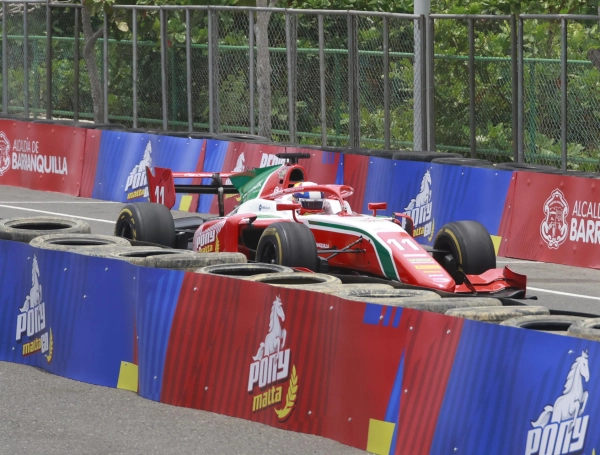
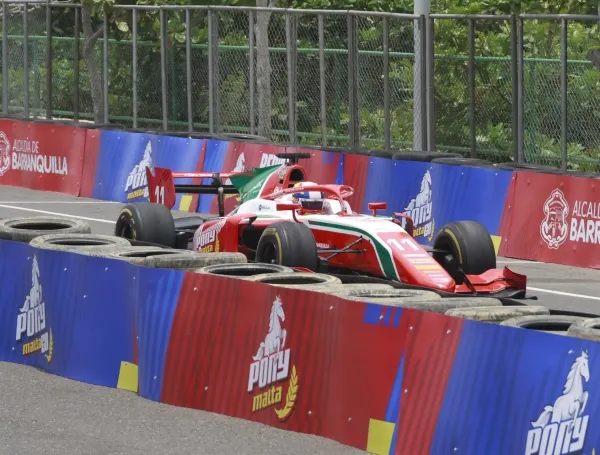
- The On-Track Fallout: Compounding the day’s misery, Sebastián Montoya suffered an incident on the track, losing control of his car and impacting the barriers. The resulting damage and the interrupted session left him at the back of the grid for the main race.
Supporting Data: The Broader Context of F2 Strictness
This incident is not an isolated case of "bizarre" penalties this season. The FIA has been hyper-vigilant regarding team discipline and the conduct of external parties, aiming to professionalize every aspect of the support categories.
The most notable comparison is the case of Mexican driver Noel León, who races for the Campos Racing team. His situation in Belgium was significantly more severe than the Montoya incident. During that weekend, a guest of the Campos team was found wearing a restricted pit-to-car communication headset. These headsets are limited to a maximum of 12 essential team personnel to prevent unauthorized data access or tactical interference. Despite being warned by officials, the guest reportedly refused to remove the equipment.
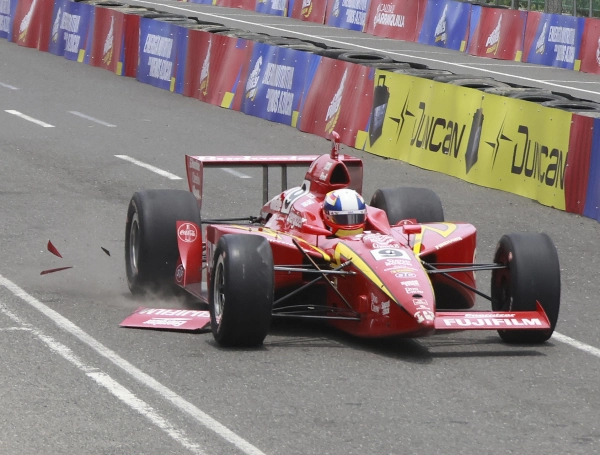
The consequences for Campos were staggering: Noel León was disqualified from the event, despite having crossed the finish line in a podium position (third). Furthermore, the team was slapped with a 20,000-euro fine and a suspended penalty of 25 points in the Constructors’ Championship, to be applied if a similar incident occurs again.
These rulings underscore a growing trend in motorsport: the "invitation" to the paddock is a privilege that carries significant legal and financial weight. Teams are now under immense pressure to act as gatekeepers, ensuring that every person wearing their team pass is fully briefed on the dangers and requirements of the environment.
Official Responses and Team Liability
The legal argument presented by Prema Racing—that the team should not be held accountable for the attire choices of a private individual—was swiftly dismissed by the race stewards. In the eyes of the FIA, an invitation to the garage constitutes a delegation of responsibility.
"The team is responsible for the actions of their guests," noted a spokesperson close to the FIA. "Safety regulations exist to save lives. When a team grants access to the pit lane, they are vouching for that person’s compliance with the rules. If a guest is not wearing the required protective gear, the team has failed to maintain their duty of care."
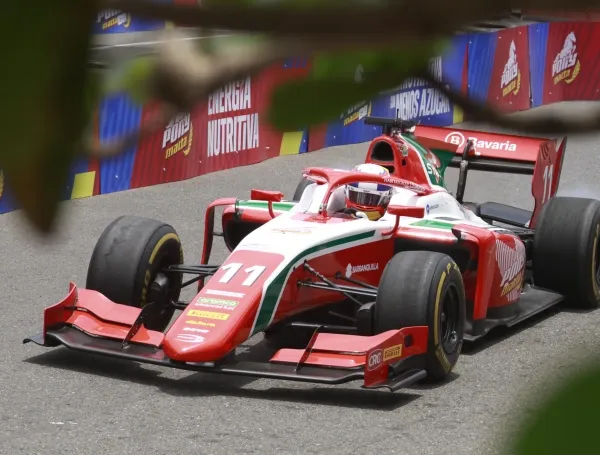
For Prema Racing, this is a bitter pill to swallow during a season already fraught with challenges. The Italian powerhouse, which has historically dominated junior categories, is currently experiencing one of its most difficult campaigns in recent memory.
The Implications: A Season of Turmoil
The financial penalty, while minor in the grand scheme of a multi-million-euro budget, acts as a symbolic weight on a team that is already struggling. Sebastián Montoya, currently sitting in 16th place in the Drivers’ Championship, is fighting for every position to prove his worth in the highly competitive F2 field.

The pressure on the young Colombian is immense. Being the son of a motorsport legend like Juan Pablo Montoya brings both opportunity and intense scrutiny. With Prema Racing currently languishing in the lower half of the Constructors’ standings, the team is under immense pressure to improve performance.
The combination of the administrative fine and the on-track crash creates a "perfect storm" for the driver. Starting at the back of the grid, Montoya faces a monumental task to climb through the field in the main race. The incident with his sister, while accidental, has added an unnecessary layer of distraction to a weekend where focus should be exclusively on telemetry, strategy, and race pace.

A Lesson for the Paddock
This episode serves as a cautionary tale for all teams and their guests. As Formula 2 continues to grow in stature and global visibility, the "wild west" era of paddock access is firmly over. The stewards are sending a clear message: the pit lane is a place of business and danger, not a social gathering space.
Moving forward, teams are expected to increase their vetting processes. It is likely that we will see more stringent briefings for guests, and perhaps even the introduction of mandatory "safety attire" kits for all non-essential personnel entering the pit lane.

For Sebastián Montoya, the goal remains the same: to put the chaos of the qualifying session behind him and execute a clean, aggressive race. However, he will undoubtedly be more careful in the future about who he invites into his workspace, and more importantly, how they are dressed when they arrive. In a sport where the smallest detail can lead to a victory, it appears that the smallest detail—a dress—can also lead to an embarrassing and costly defeat.