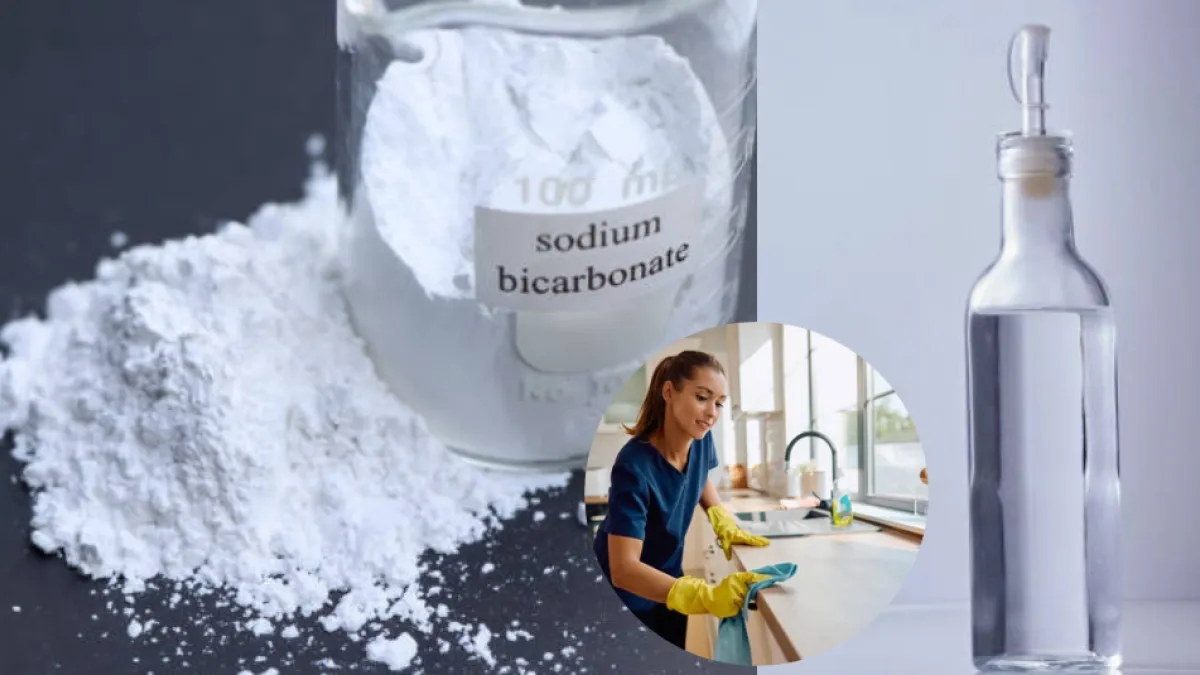
In the world of domestic maintenance, few "life hacks" have achieved the cult-like status of the vinegar-and-baking-soda cleaning solution. It is a staple of social media tutorials, DIY blogs, and grandmotherly wisdom, often touted as a "miracle" mixture capable of scrubbing away grime, unclogging drains, and whitening surfaces. However, a growing consensus among chemists and cleaning professionals suggests that this popular combination is not only ineffective but, in many cases, scientifically counterproductive.
What many homeowners view as a powerful chemical synergy is, in reality, a classic case of neutralizing agents cancelling each other out. As we delve into the chemistry behind these household staples, it becomes clear that while both substances are excellent cleaning agents on their own, their combination transforms them into something far less useful.
The Chemistry Behind the Fizz: A Neutralization Reaction
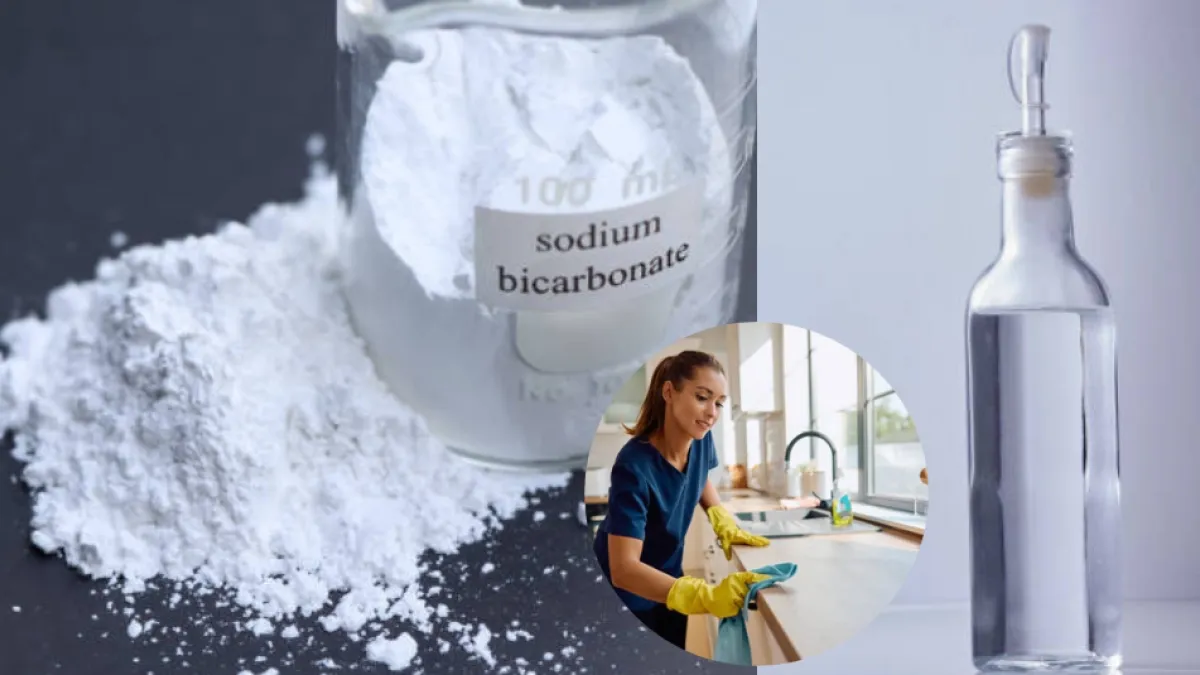
To understand why this mixture fails, one must first understand the chemical profiles of the two protagonists. Baking soda (sodium bicarbonate) is a mild base, while white vinegar (an aqueous solution of acetic acid) is, as the name implies, an acid.
When an acid and a base are combined, a chemical reaction occurs to neutralize the pH levels of both substances. The result of this specific reaction is the production of water, carbon dioxide (the gas responsible for the satisfying, aggressive bubbling), and sodium acetate.

From a cleaning perspective, the "show" is the problem. The bubbling is merely the release of carbon dioxide gas. Once the fizzing stops—which usually happens within seconds—you are left with a solution that is essentially just water and a small amount of salt (sodium acetate).
The cleaning efficacy of the original components is entirely lost. Baking soda, when used alone, acts as a gentle abrasive and a deodorizer. Vinegar, when used alone, acts as a powerful degreaser and mineral deposit remover due to its acidity. By mixing them, you have effectively "neutralized" the acidic power of the vinegar and the abrasive alkalinity of the baking soda, leaving you with a diluted, salt-water solution that has little to no cleaning power.

Chronology of a Myth: How the "Miracle Cleaner" Took Hold
The rise of the vinegar-baking soda myth can be traced back to the pre-internet era, where it was passed down as a "green" alternative to harsh commercial chemicals. However, the ubiquity of short-form video platforms in the last decade accelerated the misinformation.
- The Pre-Internet Era: The mixture was popularized in early housekeeping guides as an eco-friendly way to clean kitchen drains. The focus was on the "mechanical action" of the fizzing, which people assumed was "lifting" dirt out of pipes.
- The Early 2000s: DIY blogs began codifying the mixture into recipes, often ignoring the chemistry of neutralization in favor of the visual satisfaction of the chemical reaction.
- The Social Media Explosion (2015–Present): Platforms like TikTok and Instagram incentivized visual "satisfaction." The bubbling reaction looks great on camera, creating a visual hook that implies a deep-cleaning process is occurring, even if that process is chemically inert.
- Current Scientific Pushback (2025–2026): In recent months, experts in chemistry and domestic science have launched a campaign to debunk these trends, citing the loss of chemical potential as the primary reason to stop the practice.
Supporting Data: The Case for Separation
To maximize the efficacy of these ingredients, science dictates that they should be used in isolation, depending on the nature of the mess.
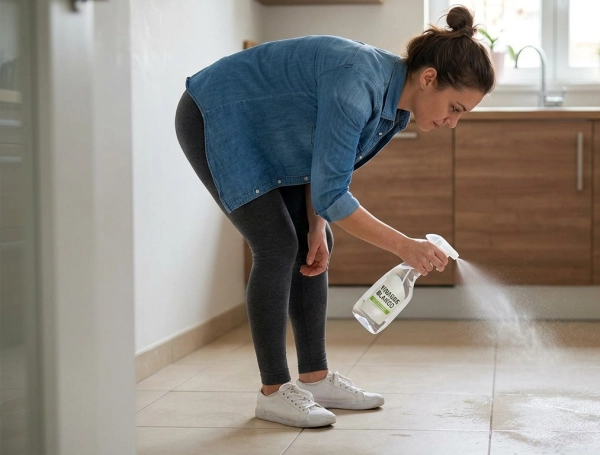
1. The Power of Acidity: Vinegar
Vinegar is a weak acid. It is exceptionally effective at dissolving mineral buildup, such as limescale on faucets, hard water stains on shower glass, and soap scum in the bathroom. Because it is acidic, it breaks down the alkaline bonds of mineral deposits.
2. The Power of Alkalinity: Baking Soda
Baking soda is a mild abrasive. It is perfect for scrubbing surfaces that are stained or greasy. Because it is a powder, it provides the physical friction required to lift dirt from surfaces without scratching them. It is also highly effective at absorbing odors in refrigerators or carpets.

The Expert Recommendation: If you are tackling a stubborn drain, pour the baking soda first, let it sit to absorb grease and odors, and then follow it with vinegar. The reaction should ideally take place inside the drain pipe, where the physical expansion of the gas might help loosen debris. If you mix them in a bowl beforehand, the reaction happens in the air, and you are simply pouring the resulting water down the drain.
Official Perspectives and Safety Concerns
Beyond the lack of cleaning power, there are safety considerations that are often overlooked by proponents of the mixture.
While neither vinegar nor baking soda is inherently toxic, their mixture can be dangerous in specific environments. When combined in a closed container, the rapid release of carbon dioxide gas creates significant pressure. This can lead to the container bursting or "exploding," potentially causing injury or damage to surfaces. In confined, unventilated spaces, the sudden release of gas can also be disorienting.
Furthermore, there is a common misconception that this mixture acts as a "disinfectant." This is scientifically inaccurate. Neither baking soda nor vinegar are EPA-registered disinfectants. They cannot kill bacteria like Salmonella, E. coli, or viruses like the flu. Relying on this mixture to sanitize surfaces in a kitchen where raw meat is handled, or in a bathroom, poses a genuine public health risk.

Implications for Modern Household Management
The persistence of the vinegar-and-baking-soda myth highlights a broader issue in modern society: the "misinformation-as-content" cycle. In the quest for views and engagement, the aesthetic of cleaning has been prioritized over the efficacy of the chemistry.
Implications for the Consumer:
- Waste of Resources: Consumers are effectively flushing money down the drain by using two useful cleaners to create a useless one.
- False Sense of Security: By believing they have "disinfected" a surface with this mixture, individuals may be leaving behind pathogens, leading to potential illness.
- Environmental Impact: While both ingredients are biodegradable, using them in ineffective combinations leads to higher consumption rates, meaning more packaging waste and more frequent trips to the store.
The Way Forward:
The shift in perspective required is simple: treat cleaning as a science rather than an aesthetic experience.

- Identify the pH of the stain: Is it mineral (needs acid/vinegar) or organic/greasy (needs base/baking soda)?
- Use the correct tool: Apply the appropriate substance for the job.
- Sanitize separately: If you need to disinfect, use products specifically designed and tested for that purpose, such as hydrogen peroxide, alcohol-based solutions, or approved commercial disinfectants.
In conclusion, while the vinegar-baking soda volcano remains a fun science experiment for children, it has no place in a professional or effective home cleaning routine. By separating these two household heroes, you can reclaim their true cleaning potential and ensure a home that is not just clean in appearance, but truly hygienic in practice. As we move toward a more evidence-based approach to domestic care, it is time to leave the "fizz" behind and embrace the chemistry of effective cleaning.