By Editorial Staff
October 25, 2026
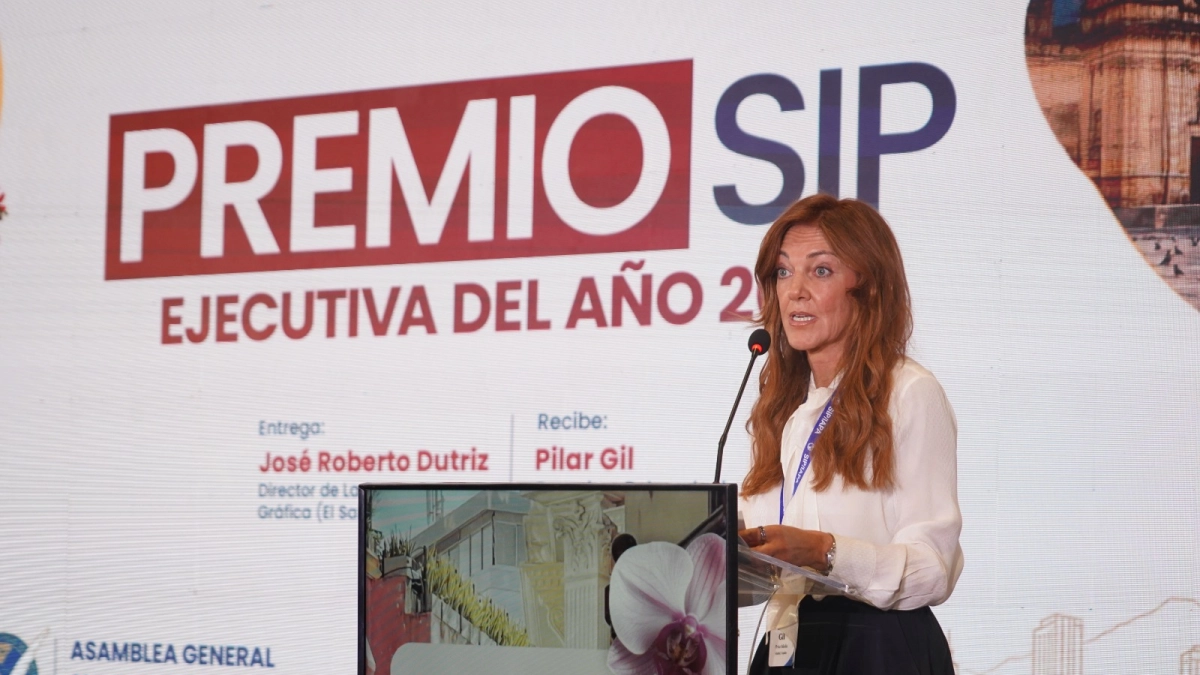
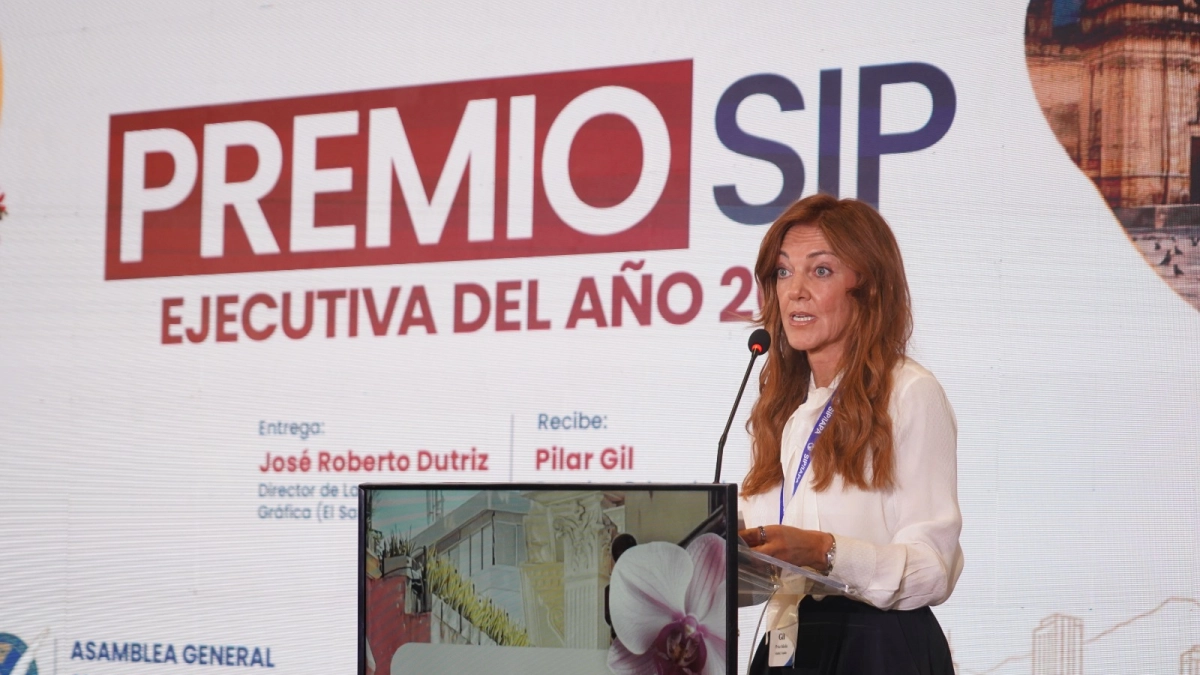
In a powerful display of unity and defiance against the mounting challenges facing modern media, the 82nd General Assembly of the Inter-American Press Association (SIP/IAPA) concluded in Bogotá with a poignant recognition of leadership. Pilar Gil, the Chief Executive Officer of Prisa Media Spain, was awarded the prestigious "Executive of the Year" title, a distinction that honors not only her decades-long tenure at the helm of one of the world’s most influential media conglomerates but also her unwavering commitment to the preservation of democratic values in an era defined by digital volatility.
The ceremony, held in the heart of Colombia’s capital, served as a rallying point for over 1,300 media members who gathered to discuss the survival of independent journalism. As the industry faces existential threats ranging from artificial intelligence to aggressive political polarization, Gil’s acceptance speech resonated as a manifesto for the future of the press.
The Path to Leadership: A Two-Decade Legacy
Pilar Gil’s trajectory within the Prisa Group is a testament to institutional continuity and strategic vision. Joining the conglomerate at a pivotal moment—when the group was navigating its debut on the stock market—Gil has spent over twenty years shaping the operational and editorial landscape of Spanish and Latin American media.
Born 54 years ago, Gil holds a degree in Economic and Business Sciences and a postgraduate degree in Executive Development. Her career has been marked by a transition from financial oversight to the high-level management of some of the most respected brands in the Spanish-speaking world. Currently, her influence extends across the boards of directors for Santillana, Prisa Media, El País, and Diario AS.
Her leadership style is described by peers as pragmatic yet deeply rooted in the humanist traditions of journalism. In her own words, her role is one of "facilitator-in-chief." She oversees the complex task of ensuring that 1,800 journalists across the group have the structural and financial support necessary to pursue their work with absolute independence. "My work consists of making sure that the 1,800 journalists who work for the Prisa group can do their jobs freely," Gil noted during her acceptance speech. "Ensuring the profitability of this business functions is the goal, and while the objective sounds simple, it is by no means easy."

Chronology of Influence: From Stock Market Debut to Global Digital Strategy
To understand the weight of Gil’s recognition, one must look at the evolution of Prisa Media under her influence.
- The Early 2000s: Gil joined Prisa during a period of massive expansion and financial restructuring. Her background in economics proved essential as the company navigated the volatile waters of the public equity markets.
- The Digital Pivot: Over the last decade, Gil has been a primary architect of the group’s digital transformation. As traditional print revenues declined globally, she spearheaded the transition toward subscription models and digital-first content delivery for El País and its subsidiaries.
- The 2026 Milestone: The recognition at the 82nd SIP Assembly marks the culmination of a period where Prisa has had to navigate not only economic headwinds but also a global wave of misinformation and the rapid, often disruptive, adoption of AI in newsrooms.
Defending Truth in the Age of "Invisible Enemies"
The most striking aspect of the Bogotá assembly was the focus on the "new threats" to press freedom. In her keynote remarks, Gil drew a sharp contrast between the challenges of the 20th century and the complexities of the current era.
"In this 21st century, we are fighting 24 hours a day against enemies that seem abstract and virtual," Gil declared. "They are, however, more dangerous than the tangible enemies of the 20th century."

Her rhetoric reflects a growing consensus among media executives that the primary threat to democracy today is not necessarily a single authoritarian figure, but rather the ecosystem of algorithms, deepfakes, and automated disinformation campaigns that erode the public’s trust in reality. She emphasized that the media must take a stand against any entity—human or artificial—that threatens the core of democratic institutions.
"I want to affirm here, alongside the 1,300 members of the SIP, that we are not afraid," she stated, to the sustained applause of the assembly. "We will stand up to anyone who puts our democratic convictions and our radical commitment to freedom of expression and human rights at risk."
Supporting Data: The Economics of Journalistic Independence
The honor bestowed upon Gil is not merely symbolic; it reflects the success of her management in securing the financial sustainability of "quality journalism."

For media outlets in the Ibero-American region, profitability is often the only shield against capture by political interests or economic pressure groups. Under Gil’s guidance, Prisa Media has focused on a strategy that prioritizes:
- Audience Retention: By investing in high-quality digital storytelling, the group has successfully converted casual readers into loyal, paid subscribers.
- Cultural and Scientific Outreach: Gil emphasized the importance of "opening windows" to culture, science, and sports, moving beyond the sensationalism that often plagues digital media.
- Youth Engagement: A central pillar of her strategy is the "attraction of the youth" through truth and excellence, acknowledging that the next generation of readers will not be captured by traditional news formats.
"We are in America by conviction," she stated, referring to Prisa’s deep footprint in Latin American markets. "We are here for the defense of rights and with the commitment to attract the youth, from the basis of truth, quality, and excellence."
Implications for the Future of Media
The recognition of Pilar Gil by the Inter-American Press Association sends a clear signal to the media industry: the era of the "passive observer" is over. The role of a media executive today is as much about defending the legal and technological borders of the newsroom as it is about managing the balance sheet.

A Sacred Trust
Gil closed her address with a call to action regarding the SIP itself. She characterized the organization as "something sacred that we must protect against any political or technological power." This perspective suggests that the future of journalism depends on collective action. When a single media outlet is targeted by state censorship or cyber-attacks, the entire ecosystem is weakened.
The Technological Challenge
The assembly also addressed the ethical implications of AI. While the industry is cautiously adopting these tools for efficiency, leaders like Gil are drawing a red line at the point where technology threatens the human element of journalism. The "human touch"—the judgment, empathy, and ethical reasoning that a journalist brings to a story—remains the only competitive advantage that cannot be automated.
Conclusion: Journalism as a Light
In a closing statement that resonated with the hundreds of journalists in attendance, Pilar Gil reminded the audience that "journalism is a light in the world at this moment."

Her award serves as a recognition of the professional courage required to keep that light burning. In an age of polarization, economic instability, and technological warfare against the truth, the leadership of figures like Gil—who balance the cold, hard logic of economics with the warm, defiant passion for democratic liberty—is what will ultimately determine whether the press remains a cornerstone of society or fades into the background of the digital noise.
As the 82nd assembly concluded, the sentiment in Bogotá was clear: the fight for freedom of expression is not a battle of the past, but the most vital challenge of the future. Pilar Gil stands at the center of that fight, representing a model of executive leadership that does not just manage change, but actively shapes it in defense of the public good.