INTERNATIONAL | October 25, 2026 By Global Affairs Desk
Introduction: A Geopolitical Watershed moment
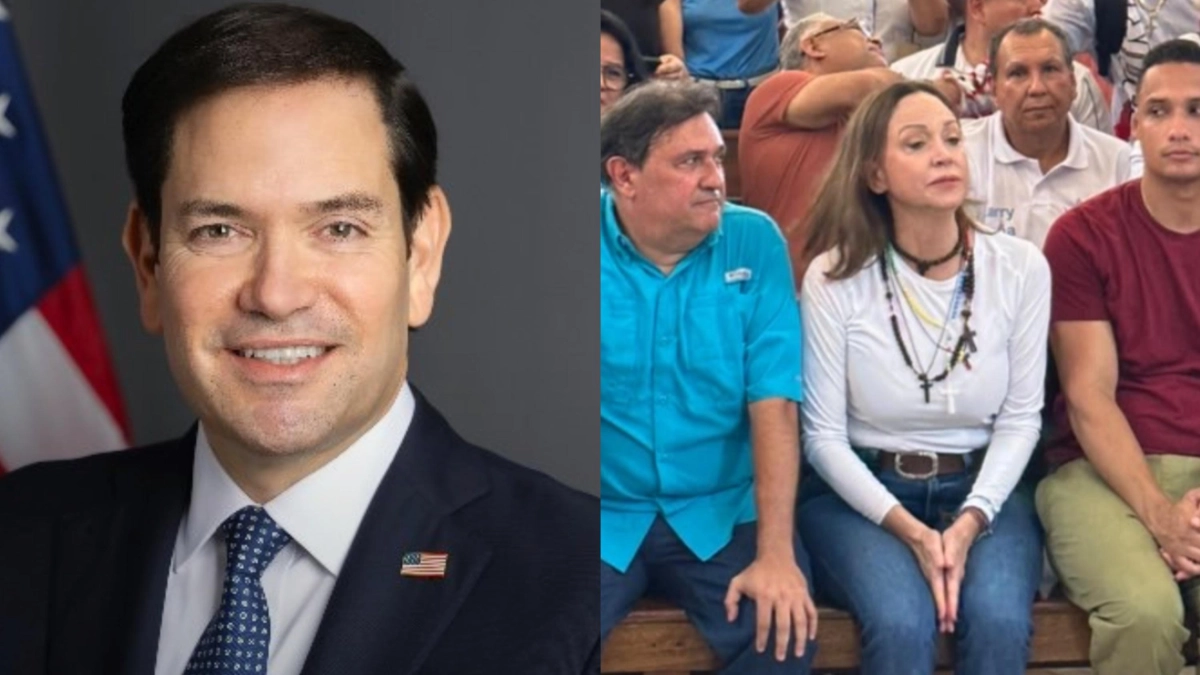
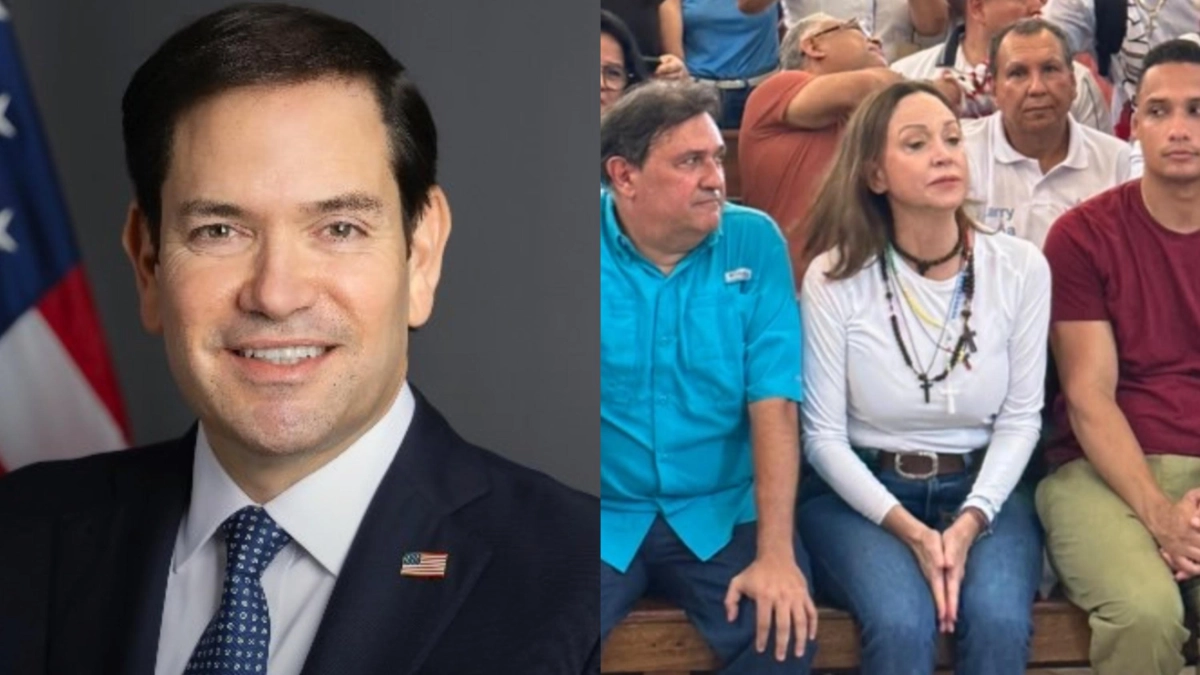
The return of Venezuelan opposition leader María Corina Machado to her homeland has sent shockwaves through the international community, igniting intense diplomatic maneuvers in Washington and a renewed sense of uncertainty within Venezuela. Following a period of intense scrutiny and secretive movements, Machado reemerged publicly inside a Catholic church in the northwestern state of Lara, signaling a defiant and strategic shift in the nation’s political landscape.
The development has prompted high-level reactions from the highest tiers of the United States government. Secretary of State Marco Rubio and President Donald Trump have both publicly addressed the implications of her return, tying it directly to ongoing, delicate diplomatic dialogues aimed at easing decades of authoritarian rule. As Washington hails the moment as a vindication of its pressure-and-dialogue strategy, critics and analysts remain cautious about what this means for the future of democracy, security, and stability in the troubled South American nation.
Main Facts: What Led to Machado’s Reemergence?
The unfolding narrative centers on the coordinated, albeit fragile, international diplomatic efforts that have gradually reshaped Venezuela’s domestic political arena over the past year.
The Reemergence: María Corina Machado broke months of speculation regarding her whereabouts by appearing publicly in an unexpected location: a local Catholic church in Lara State. Her appearance was quickly verified by local sources and international observers.
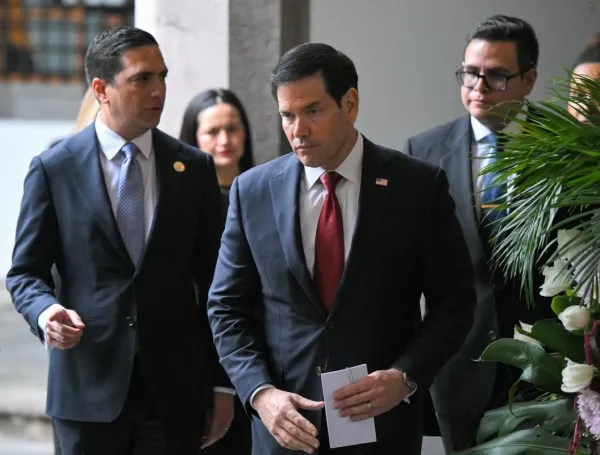
The U.S. Diplomatic Stance: Secretary of State Marco Rubio asserted that the conditions facilitating Machado’s safe return were forged through structured reconciliation talks backed actively by Washington.
Prisoner Releases and Exiles: According to the U.S. State Department, these ongoing backchannel negotiations have already secured tangible concessions, including the release of hundreds of individuals classified as political prisoners and the repatriation of numerous prominent opposition figures who were previously forced into exile.
Presidential Remarks: Speaking from Washington, U.S. President Donald Trump publicly acknowledged Machado’s return, expressing concern for her safety and highlighting their prior interactions, notably referencing the Nobel recognition associated with her advocacy.
Chronology of Events: The Path to the Return
To understand the weight of Machado’s return, it is essential to trace the timeline of political friction, underground movements, and international negotiations that culminated in her appearance in Lara State.
Phase 1: Underground Resistance and Escalating Tensions
Following heavily contested political cycles and intense crackdowns by the regime in Caracas, prominent opposition figures faced severe security threats, forcing many, including Machado, into clandestine operations or exile. For months, rumors swirled regarding her physical location, safety, and capacity to lead the anti-government coalition from within or outside national borders.
Phase 2: Backchannel Diplomacy and Concessions
Simultaneously, international pressure led by the United States and regional partners initiated a dual-track strategy: maintaining strict economic and diplomatic leverage while opening channels for peaceful political transition. Over the subsequent months, these talks yielded initial humanitarian victories. Human rights organizations and foreign ministries confirmed the systematic release of hundreds of political prisoners, alongside the gradual, authorized return of several key opposition leaders previously banned from entering the country or living abroad.
Phase 3: The Public Breakthrough in Lara State
The culmination of these shifting dynamics materialized when Machado surfaced in Lara State. Choosing a community gathering space—a Catholic church—rather than a traditional political rally, she executed a calculated move designed to test the boundaries of the regime’s tolerance, leverage international protective oversight, and reassert her leadership presence directly on Venezuelan soil.
Phase 4: Washington’s Immediate Reaction
Within hours of her public sighting, senior U.S. officials took to public forums and media outlets to address the development. The coordinated messaging from Secretary Rubio and President Trump underscored the gravity with which Washington is monitoring her security and the broader political transition.
Supporting Data and Context: Thirty Years of Turmoil
The current political opening—fraught with risk as it may be—occurs against the backdrop of nearly three decades of socio-economic devastation, democratic erosion, and institutional collapse in Venezuela.
Humanitarian and Political Exodus: Since the late 1990s, the nation has witnessed the displacement of over seven million citizens, constituting one of the largest migration crises in modern history. The return of exiled political figures represents a symbolic, albeit complex, reversal of this diaspora trend.
The Prisoner Crisis: Human rights monitors, including local NGOs and international bodies like the Organization of American States (OAS), have historically documented thousands of arbitrary detentions. While the recent release of hundreds of political prisoners is viewed as a positive step by Washington, civil society organizations emphasize that thousands more await due process or unconditional freedom.
Electoral Integrity: The core objective underscored by U.S. and regional diplomats remains the establishment of verifiable guarantees for free, fair, and internationally monitored elections—a benchmark that has eluded Venezuela for multiple consecutive electoral cycles.
Official Responses: Washington’s Stance
The response from the U.S. administration highlights a distinct blend of diplomatic optimism and cautionary oversight.
Marco Rubio’s Statement on X (Formerly Twitter)
Secretary of State Marco Rubio took to social media to articulate the administration’s official framework regarding the events unfolding in Caracas and Lara:
"The conditions that permitted the safe return of opposition leader María Corina Machado to Venezuela are the direct result of reconciliation talks advanced with our support. This dialogue process has already facilitated the release of hundreds of political prisoners, as well as the return from exile of numerous figures of the Venezuelan political opposition."
Rubio further emphasized the long-term strategic vision of the United States, calling on all domestic and international factions to preserve the integrity of the ongoing dialogue:
"The United States expects the freedoms of all sectors of Venezuelan politics to continue to be respected. Likewise, we expect all political actors to support these conversations, which represent the best opportunity Venezuela has had in thirty years to achieve peacefully not only a free and fair election, but a lasting democracy."
President Donald Trump’s Remarks
Adding a personal and high-profile dimension to the administration’s posture, President Donald Trump addressed the media in Washington, D.C., sharing his thoughts on Machado’s courage and their prior encounters:
"She is a very nice woman. She gave me her Nobel Prize, so how can I say anything else? And I hope she is safe."
Trump’s remarks reinforce the personal visibility and high-stakes nature of Machado’s political brand on the international stage, tying her safety directly to the diplomatic capital invested by the White House.
Implications: What Lies Ahead for Venezuela?
The return of María Corina Machado and the official U.S. framing of these events carry profound implications for the immediate and long-term future of Venezuela:
A Test of Regime Sincerity: The tolerance—or lack thereof—shown by the Venezuelan government toward Machado’s physical presence will serve as the ultimate litmus test for whether Caracas is genuinely engaging in negotiated democratization or merely playing for tactical time on the global stage.
Cohesion of the Opposition: Machado’s return unifies the fragmented anti-regime coalition, providing a tangible rallying point for citizens and political organizers. However, it also places immense pressure on the opposition to maintain a unified front amid persistent security threats.
The Role of International Guarantors: With Washington openly claiming credit for the diplomatic architecture enabling these developments, the U.S. has effectively tied its diplomatic credibility to Machado’s continued safety and the realization of democratic reforms. Any aggressive action by state security forces against Machado could trigger immediate retaliatory economic or diplomatic measures from the international community.
The Road to Free Elections: While the release of political prisoners and the return of exiles mark crucial milestones, the transition toward a "lasting democracy" remains an uphill battle. Transforming these localized concessions into structural, irreversible institutional reforms will require sustained, high-pressure mediation by regional and global powers in the months to come.
As Venezuela enters this critical chapter, the eyes of the world remain fixed on Lara State and Caracas, watching to see whether this high-stakes political gamble will finally break three decades of authoritarian deadlock.
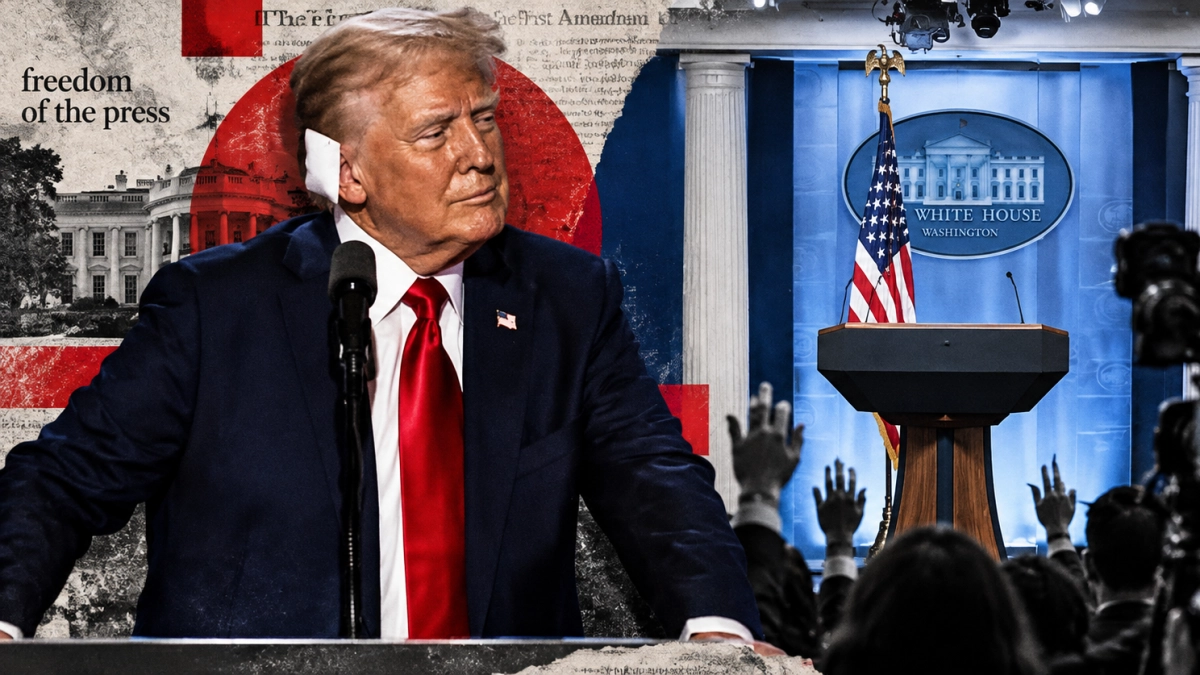
Washington D.C. — In a dramatic escalation of tensions that threatens to redefine the boundaries of executive power and press freedom in the United States, the administration of President Donald Trump has barred prominent news…
International Desk With reporting from EFE and AFP Updated: October 1, 2026 Main Facts: A Routine Commercial Route Plunges into Crisis What was supposed to be a standard commercial flight across the Middle East transformed…
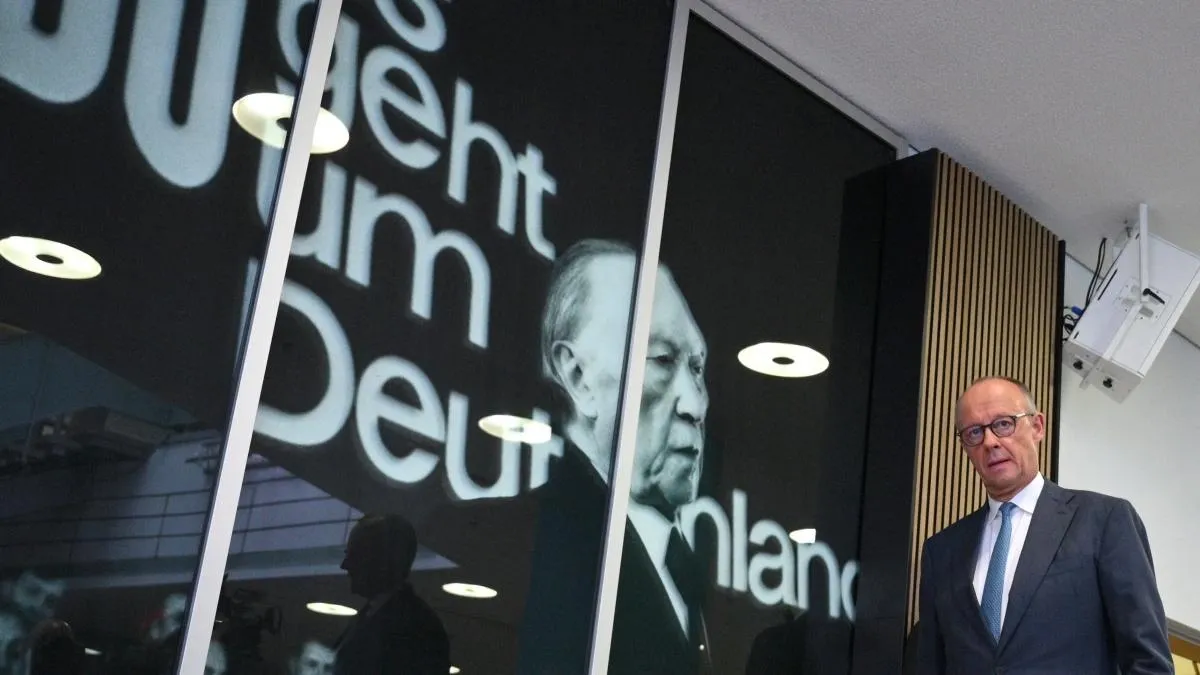
By International Desk Analysis Published: September 26, 2026 Main Facts: The Rejection of the Political Center Germany, long considered the bedrock of political stability and the primary containment wall against extremist movements in post-World War…