BOGOTÁ, Colombia – July 24, 2026 – With just under two weeks remaining until he formally assumes the highest office in Colombia, President-elect Abelardo De La Espriella is immersed in a whirlwind of preparations, meticulously laying the groundwork for his administration. The nation, poised for a new chapter, watches intently as De La Espriella navigates the intricate transition process, sculpts his cabinet, and outlines the foundational policies that will define his presidency starting August 7th.
The period leading up to the transfer of power is always critical, but for De La Espriella, a prominent public figure whose journey to the presidency has captivated national attention, these final days are proving particularly intensive. His agenda is packed with high-stakes meetings, strategic announcements, and crucial engagements designed to ensure a seamless shift in governance and to project a clear vision for the country’s future. From securing the commitment of key personnel to engaging with diverse societal sectors, the President-elect is leaving no stone unturned in his quest to hit the ground running.
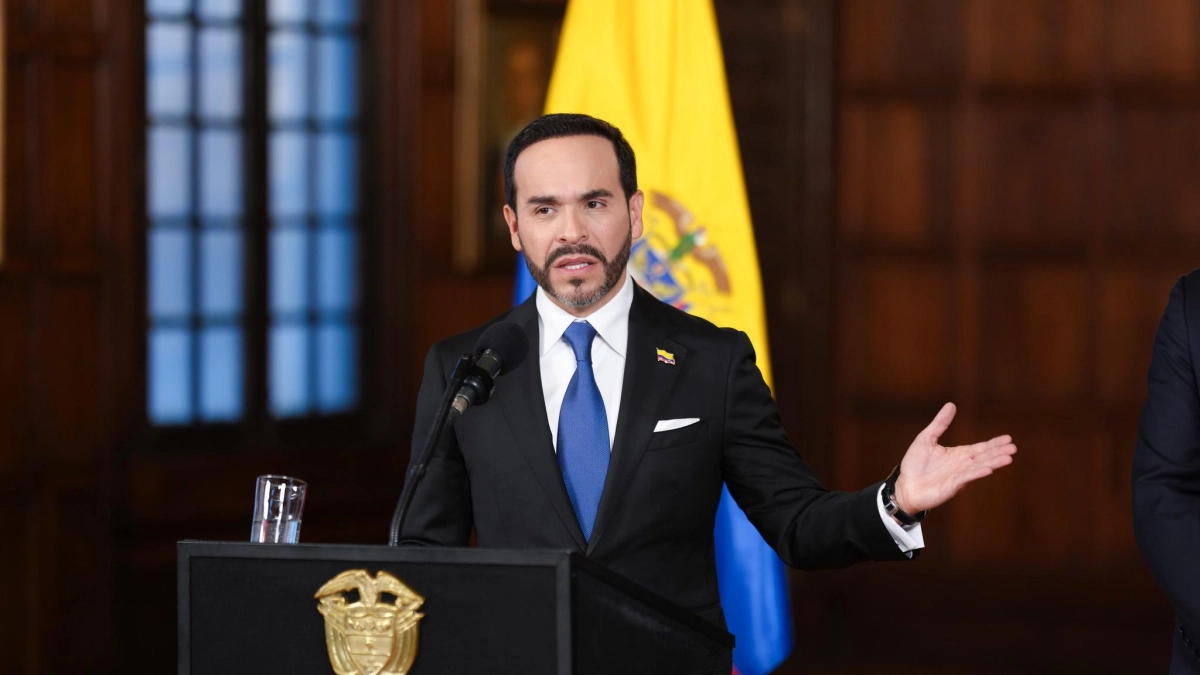
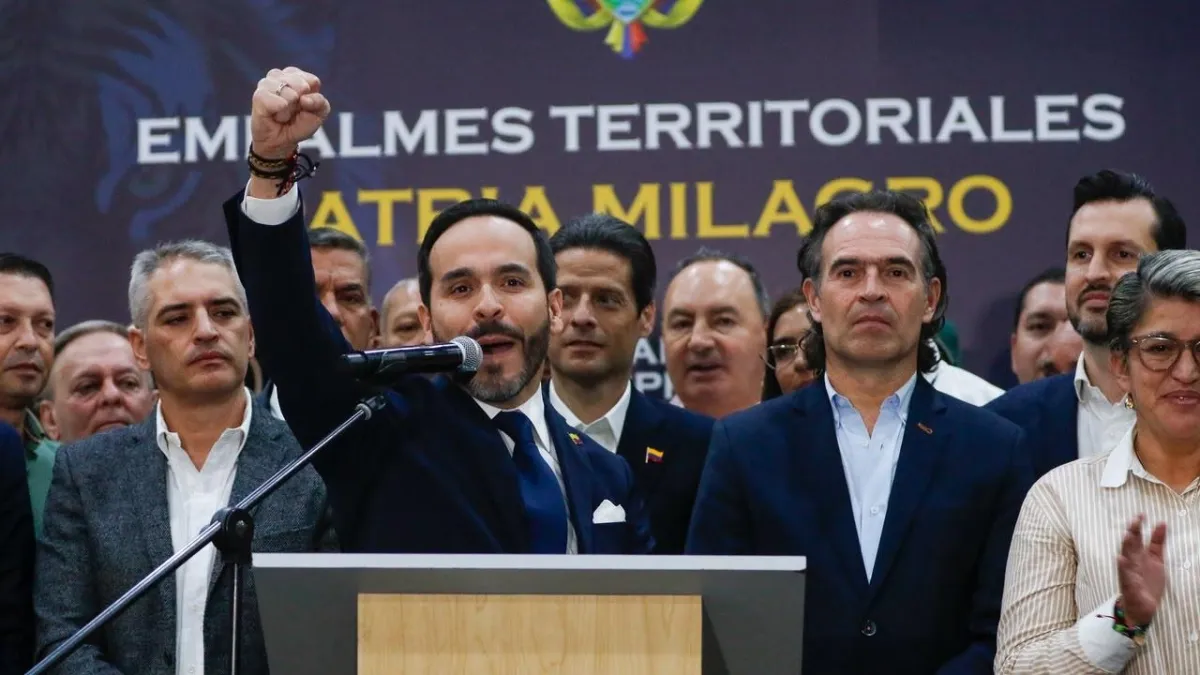
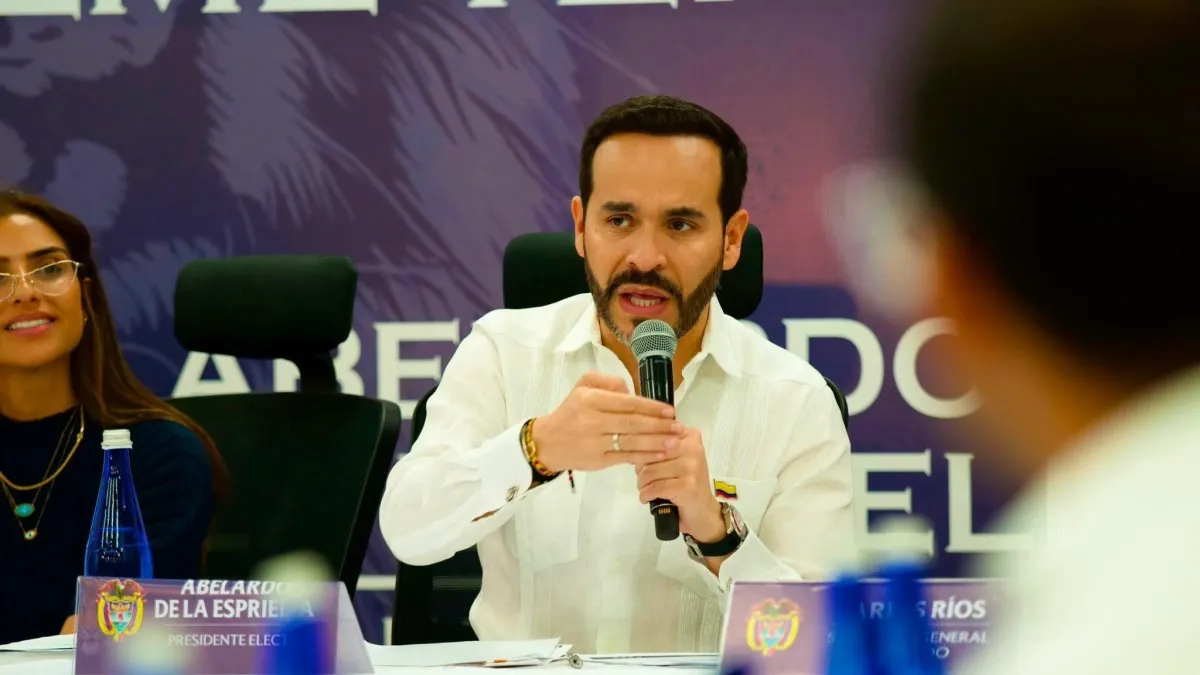
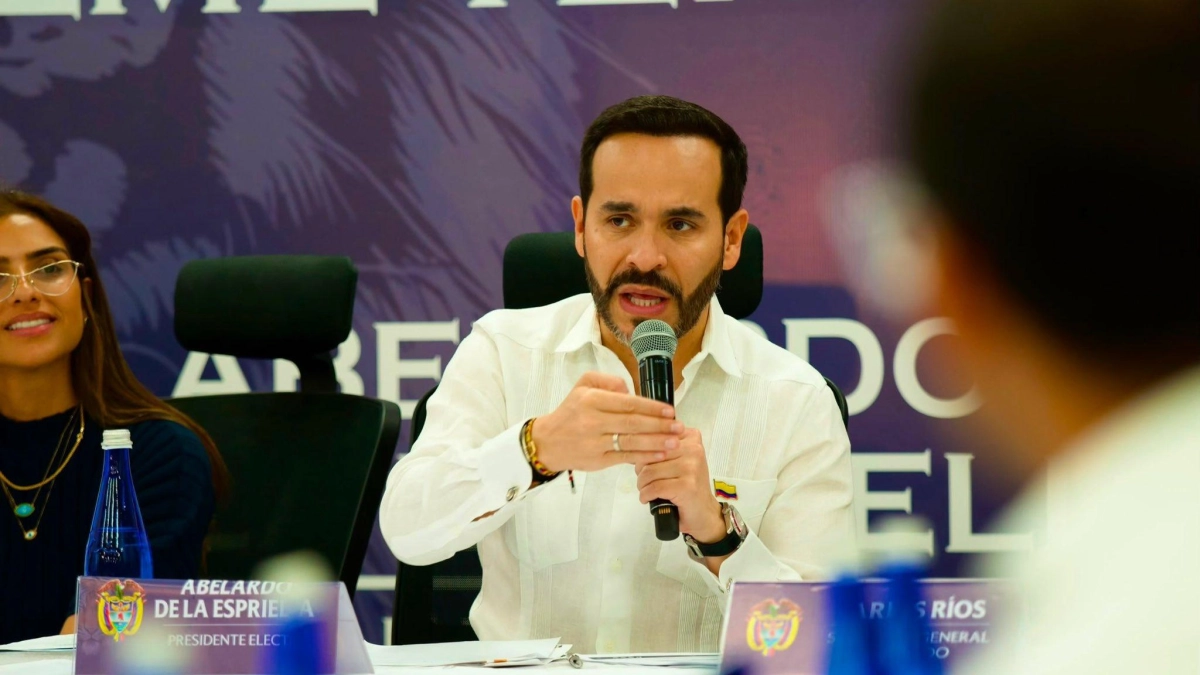
The photograph accompanying this report captures a recent moment from his busy schedule, showing Abelardo De La Espriella in Montería, a testament to his commitment to regional engagement even before taking the oath. This kind of hands-on approach underscores the meticulous preparation characteristic of his nascent administration.
The Dawn of a New Administration: De La Espriella’s Intensive Transition
The anticipation in Colombia is palpable as the nation counts down to August 7th, the day Abelardo De La Espriella will officially be sworn in as President. This fortnight is a crucible for the incoming administration, a period where strategic decisions are made, alliances forged, and the operational framework for the next four years begins to take concrete shape. De La Espriella’s team has been working tirelessly, often behind closed doors, to ensure that the transition from the outgoing government is not merely ceremonial but deeply substantive.
The Critical Countdown to August 7th
The clock is ticking towards the inauguration, and every day brings new developments from the President-elect’s camp. The significance of these pre-inaugural weeks cannot be overstated. It is during this time that the incoming government receives crucial briefings on national security, economic indicators, ongoing foreign policy initiatives, and the myriad of social programs currently in effect. This information transfer is vital for maintaining state continuity and preventing any disruption in essential public services. De La Espriella’s emphasis on these preparatory stages reflects a deep understanding of the complexities of governing a nation as diverse and dynamic as Colombia.
His public appearances, while carefully managed, often hint at the themes and priorities that will dominate his mandate. The visits to various regions, such as the one documented in Montería, are not just photo opportunities; they serve as platforms for direct engagement with local communities and leaders, allowing the President-elect to gauge regional needs and integrate them into his broader national strategy. These interactions are crucial for building a sense of national unity and ensuring that his administration’s policies resonate across the country.
Navigating the Empalme: A Seamless Handover
The "empalme" or transition process, is a critical phase in Colombian governance, designed to facilitate a smooth handover of power from one administration to the next. This involves detailed meetings between the outgoing and incoming ministers and their respective teams across all governmental portfolios. For De La Espriella, this has meant an exhaustive review of departmental budgets, an assessment of ongoing projects, and an understanding of the challenges and opportunities inherited from the previous government.
Experts in public administration highlight the importance of a robust empalme. It minimizes potential disruptions in policy implementation, ensures the continuity of essential public services, and allows the new administration to gain a comprehensive understanding of the state’s operational machinery. De La Espriella’s focus on this process signals a commitment to stability and effective governance from day one. His representatives have been actively engaging with their counterparts, discussing everything from macroeconomic stability to the intricacies of the peace process, environmental protection, and public security strategies. The goal is to avoid any policy vacuums and to ensure that the transition is perceived, both domestically and internationally, as orderly and responsible.

Shaping the Future: Cabinet Appointments and Policy Foundations
One of the most defining aspects of a president-elect’s transition period is the careful selection of his or her cabinet. These appointments are not just about filling positions; they are about signaling the ideological direction, the administrative competence, and the priorities of the incoming government. De La Espriella has been strategically unveiling his choices, each announcement scrutinized by political analysts, media, and the public alike.
Strategic Selections: Crafting the Executive Team
De La Espriella has already announced a significant portion of his cabinet members and other strategic officials, meticulously selecting individuals who he believes will be instrumental in executing his vision for Colombia. These selections typically involve a delicate balance of political experience, technical expertise, regional representation, and a commitment to the President-elect’s policy agenda. The early announcements suggest a focus on a blend of seasoned politicians and technocrats, aimed at instilling confidence in both the political establishment and the private sector.
The process of forming a cabinet is inherently complex. It requires not only identifying competent individuals but also ensuring a cohesive team that can work effectively together. Each ministerial portfolio, from finance and foreign affairs to defense, justice, and social inclusion, requires specific expertise and a deep understanding of the challenges unique to that sector. De La Espriella’s choices are expected to reflect his broader strategic objectives, whether they pertain to economic revitalization, strengthening security, advancing social equity, or enhancing Colombia’s standing on the international stage. The identities of these appointees offer the first tangible clues about the operational philosophy and key policy directions of the new administration.
Defining the Agenda: First Measures and Governmental Priorities
Beyond cabinet appointments, De La Espriella has been proactively outlining the initial measures and overarching priorities that will guide his government. These preliminary announcements are crucial for setting expectations and providing a clear roadmap for the early days of his presidency. Typically, new administrations prioritize a handful of key initiatives designed to demonstrate momentum and address pressing national concerns.

While specific details are still emerging, it is anticipated that De La Espriella’s early agenda will likely focus on areas such as economic recovery and growth, given the ongoing global and domestic challenges. Security, a perennial concern in Colombia, is also expected to feature prominently, potentially involving reforms or strengthened strategies to combat organized crime and ensure public safety. Social programs, aimed at reducing inequality and improving access to essential services, are also a staple of any incoming government’s initial policy push. These early policy signals are carefully crafted to build public trust and to articulate a clear direction for the country under his leadership. The public discourse often revolves around these initial promises, with citizens and political observers keen to see how these ambitious plans translate into concrete actions.
Regional Vision: The Barranquilla Alternate Capital Proposal
One of the more intriguing and widely discussed proposals emanating from President-elect De La Espriella’s team has been the suggestion of designating Barranquilla as an "alternate capital" of Colombia. This idea, which has garnered a significant and positive response from local leadership, represents a potential paradigm shift in the country’s administrative and political geography.
Decentralization Dreams: Mayor Char’s Enthusiastic Reception
The proposal to elevate Barranquilla’s status has been met with particular enthusiasm by its mayor, Alejandro Char. In a public statement, Char reacted positively, expressing gratitude and support for the initiative. His endorsement underscores the potential benefits perceived by the regional leadership for such a move. The concept of an alternate capital is not entirely new in global governance, often employed to decentralize power, stimulate regional development, and address issues of over-concentration in primary capitals.
For Barranquilla, a vibrant port city on Colombia’s Caribbean coast, such a designation could translate into a substantial boost in economic investment, infrastructure development, and political influence. It aligns with broader aspirations for greater regional autonomy and a more equitable distribution of national resources and attention, which traditionally have been heavily concentrated in Bogotá. Mayor Char’s swift and positive reaction highlights the readiness and ambition of Barranquilla to play a more central role in the nation’s political and administrative landscape.

Implications and Potential: A New Hub for Governance?
The implications of establishing Barranquilla as an alternate capital are far-reaching. Administratively, it could involve the relocation of certain governmental agencies, the periodic holding of cabinet meetings, or even legislative sessions outside Bogotá. Symbolically, it would represent a powerful statement about decentralization and the recognition of Colombia’s diverse regional identities and contributions. Economically, it could transform Barranquilla into an even more significant hub, attracting both domestic and international investment, fostering job creation, and stimulating growth in the broader Caribbean region.
However, such a move would also present significant logistical and political challenges. It would require careful planning, substantial investment in infrastructure, and a robust framework to ensure effective coordination between two administrative centers. Political analysts are already debating the feasibility and the long-term impact of such a bold proposal. Nevertheless, the fact that President-elect De La Espriella is openly considering and advocating for such a measure signals a willingness to challenge traditional norms and to explore innovative approaches to governance and national development. This initiative, if pursued, could redefine the very fabric of Colombia’s political and administrative structure, promising a more polycentric approach to national leadership.
The Road Ahead: Challenges and Expectations
As Abelardo De La Espriella prepares to assume the presidency, he faces a nation brimming with both hope and significant challenges. His inaugural speech on August 7th will not only mark the beginning of his term but also set the tone for how his administration intends to tackle the complex issues confronting Colombia.
Public Scrutiny and Political Landscape
The transition period has already seen intense public scrutiny, a phenomenon that will only amplify once De La Espriella takes office. Every appointment, every policy announcement, and every public statement is meticulously analyzed by political opponents, allies, civil society organizations, and the general populace. The political landscape in Colombia is diverse and often polarized, and De La Espriella will need to navigate this intricate environment with skill and diplomacy. Building consensus and forging alliances across the political spectrum will be crucial for passing legislation, implementing reforms, and ensuring governability.

The media, both traditional and digital, plays a vital role in shaping public opinion and holding power accountable. The "minute-by-minute" coverage mentioned in the original article underscores the relentless nature of modern political reporting. De La Espriella’s team will undoubtedly be focused on managing communications effectively, ensuring that his messages are clear, consistent, and resonate with the diverse aspirations of the Colombian people.
Pressing National Issues Awaiting the New President
De La Espriella will inherit a nation grappling with a myriad of pressing issues. Foremost among these are the ongoing challenges related to peace and security. While the peace process with the FARC has been a landmark achievement, other armed groups continue to pose threats, and the issue of drug trafficking remains a significant concern, impacting both internal stability and international relations. His administration will be tasked with formulating effective strategies to consolidate peace, enhance citizen security, and combat criminal organizations.
Economically, Colombia faces the need for sustainable growth, job creation, and managing inflation. Social inequality, a persistent historical challenge, demands innovative solutions in education, healthcare, and access to opportunities. Environmental issues, including climate change impacts and the protection of biodiversity in the Amazon and other vital ecosystems, will also be high on the agenda. Furthermore, strengthening democratic institutions, combating corruption, and ensuring judicial independence will be crucial for fostering public trust and reinforcing the rule of law. De La Espriella’s ability to address these multifaceted challenges effectively will ultimately define his legacy.
A Chronology of Transition: Key Moments Leading to Inauguration
The period between the election and the inauguration is a blur of activity. While specific minute-by-minute details are reserved for live blogs, a general chronology of events for President-elect De La Espriella’s transition would include:

- Early Post-Election Days (June/July 2026): Initial celebrations, first meetings with key advisors, establishment of a formal transition team.
- Late June/Early July 2026: Commencement of formal "empalme" meetings with outgoing government officials across various ministries.
- Mid-July 2026: First wave of cabinet and strategic appointments announced, generating initial public and political reactions.
- Ongoing through July 2026: Bilateral meetings with foreign dignitaries, ambassadors, and international organizations to signal foreign policy directions.
- Mid to Late July 2026: Regional visits (like the one to Montería) to engage with local leaders and communities, demonstrating a commitment to national unity and regional development.
- Late July 2026: Further policy announcements, potentially including the detailed proposal for Barranquilla as an alternate capital and reactions from regional leaders.
- Early August 2026: Finalization of cabinet, last-minute briefings, preparation of inaugural address.
- August 7, 2026: Inauguration Ceremony and assumption of presidential duties.
This timeline reflects a dynamic period of intense work, where every decision and every interaction contributes to shaping the future direction of Colombia.
Beyond the Headlines: Expert Analysis and Public Sentiment
The political climate in Colombia is always vibrant, and the transition period amplifies this dynamism. Beyond the official announcements and formal meetings, there’s a constant hum of analysis, speculation, and public discourse that helps frame the unfolding events.
Pundits Weigh In
Political analysts and commentators have been busy dissecting every move made by President-elect De La Espriella. They scrutinize his cabinet choices for their political implications, assess his policy proposals for their economic viability and social impact, and interpret his public appearances for hints about his leadership style. Debates rage in newsrooms and on academic panels about the potential trajectory of his administration, considering both the opportunities and the inherent obstacles he will face. Experts often draw parallels with previous transitions, offering historical context and foresight into the challenges of implementing a new governmental agenda in a complex nation like Colombia. The "alternate capital" proposal, for instance, has sparked considerable discussion among urban planners, economists, and constitutional lawyers about its potential benefits and legal ramifications.
The Pulse of the Nation
Public sentiment during a presidential transition is a complex tapestry of hope, skepticism, anticipation, and concern. Citizens across Colombia are closely monitoring the developments, eager to see how the promises made during the campaign will translate into tangible improvements in their daily lives. From the streets of Bogotá to the rural communities of the Amazon, Colombians are discussing the implications of the new administration’s policies on employment, security, education, and healthcare. Social media platforms become vibrant arenas for debate, reflecting the diverse opinions and expectations of a highly engaged populace. The challenge for De La Espriella will be to harness this public engagement and translate it into widespread support for his vision, ensuring that his government is perceived as responsive, inclusive, and effective in addressing the nation’s most pressing needs.

Conclusion
As the countdown to August 7, 2026, continues, Abelardo De La Espriella stands on the precipice of leading Colombia into a new era. His intensive transition period, marked by strategic cabinet appointments, foundational policy definitions, and bold regional proposals like the alternate capital for Barranquilla, underscores a determined effort to prepare for the immense responsibilities ahead. The nation watches with a mix of anticipation and scrutiny, eager to witness how the promises of the campaign trail will evolve into the realities of governance. The challenges are formidable, but the energy of a new administration, poised to take the helm, promises a dynamic and consequential chapter in Colombia’s ongoing journey.