By Edwin Caicedo | Environmental and Health Correspondent
For decades, the prevailing wisdom in marine biology suggested that sea turtles were primarily passive travelers, drifting aimlessly across the vast oceanic expanse, guided almost exclusively by the rhythm of surface currents. However, a groundbreaking study from the Universidad de Bogotá Jorge Tadeo Lozano has shattered this perception, revealing that these ancient mariners are far more active in their navigation than previously imagined.
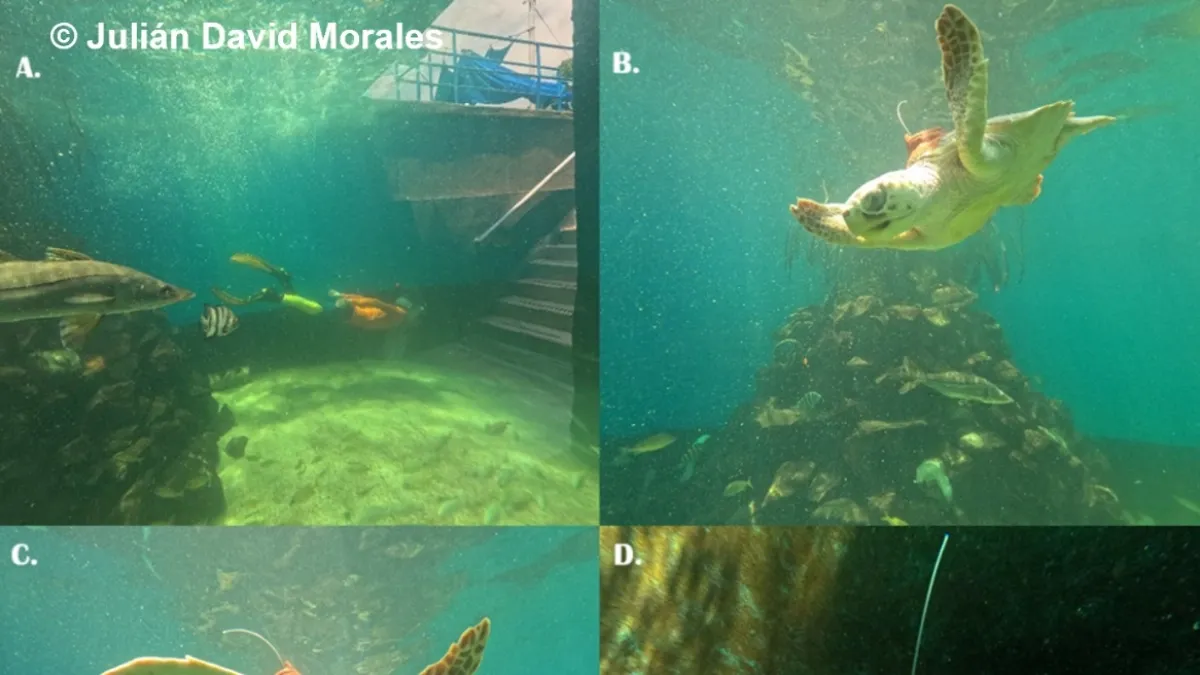
The research project, titled "Ancestral Navigators: Satellite Tracking of Sea Turtles in the Colombian Caribbean," has provided a rare, high-definition look at the lives of three specific turtles—Kika, Corazón, and Canela. By combining satellite telemetry with complex oceanographic data, researchers have discovered that these creatures frequently fight against powerful currents, choosing instead to navigate in alignment with wind patterns and localized food sources.
The Core Findings: Redefining Migratory Behavior
The investigation, led by biologist Julián David Morales Sánchez, marks the revival of a critical line of scientific inquiry that had remained dormant in the region for 12 years. The study did not merely track location; it integrated variables such as sea surface temperature, wind velocity, ocean currents, and primary productivity (the concentration of chlorophyll in the water, which indicates the availability of nutrients).

"The data were definitive," explains Morales. "We observed the animals making deliberate movements against the prevailing currents, opting instead to travel with the wind. Furthermore, their routes were clearly influenced by the availability of prey and the overall health of the marine ecosystems they traversed."
This shift in understanding is profound. If sea turtles are not just drifting, but are instead "choosing" their paths based on environmental cues, our conservation models must shift from protecting broad, generalized areas to focusing on specific "corridors" of high biological productivity.
A Chronology of the Expedition
The journey of the three subjects—Kika, Corazón, and Canela—serves as the backbone of the study, offering a micro-view of the survival challenges faced by these species in the Colombian Caribbean.
The Release: May 2025
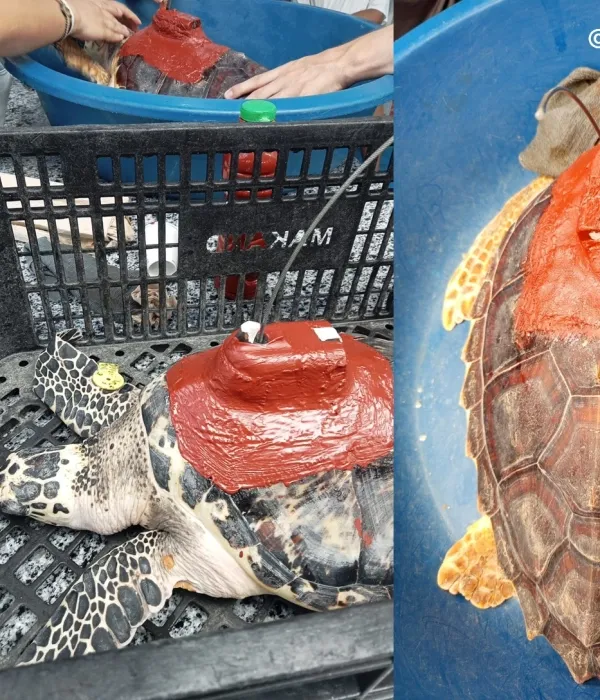
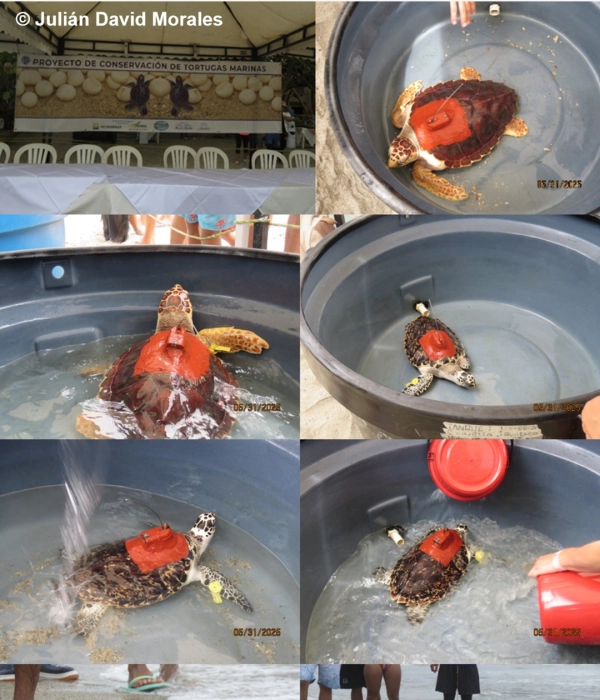
The study began in earnest on May 31, 2025, at the beaches of Mendihuaca, near Santa Marta. Here, Kika and Corazón were released into the wild, each equipped with a state-of-the-art satellite transmitter.
Kika: The Explorer
Kika, a Loggerhead turtle (Caretta caretta), displayed a sophisticated understanding of her environment. After an initial foray 42 kilometers into the open sea, she performed a strategic U-turn, returning to the coastline before embarking on a purposeful journey toward the La Guajira peninsula. Her tracking data revealed a month-long residency in a coastal lagoon, a zone identified by the study as having high primary productivity—effectively a "refueling station" for her long-distance migration.
Corazón: The Coral Guardian
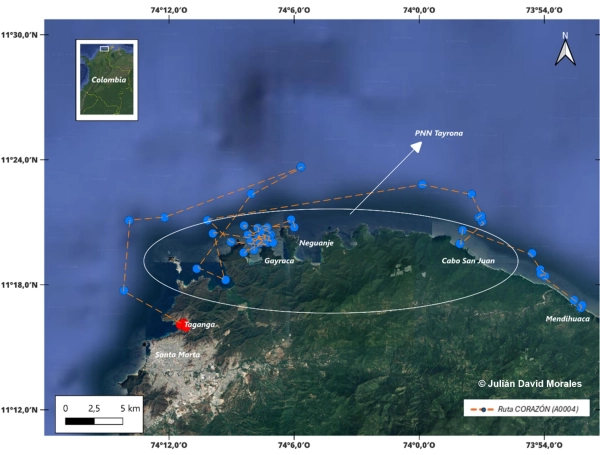
Corazón, a Hawksbill turtle (Eretmochelys imbricata), opted for a different strategy. She moved toward the Tayrona National Natural Park, a critical biodiversity hotspot. Her movements highlighted a deep dependency on coral reefs, which serve as both shelter and the primary source of her diet: sea sponges. Her path underscored the importance of protected coral zones as "safe havens" for endangered marine life.
Canela: The Second Chance
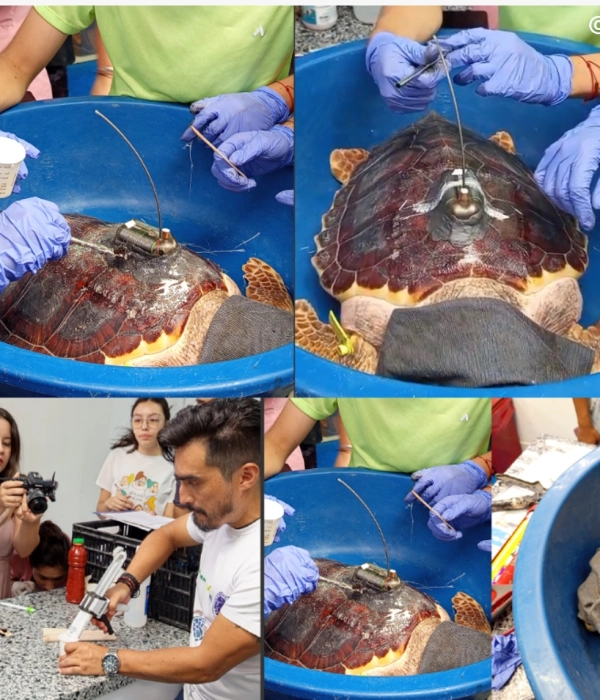
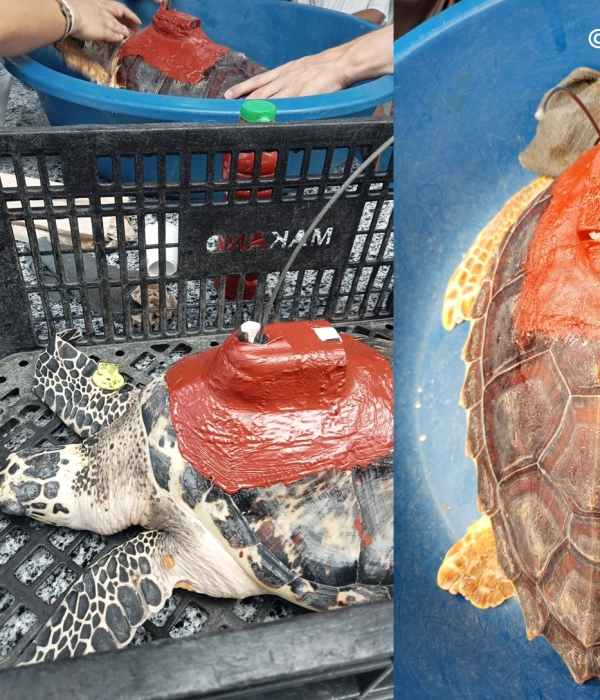
The project’s most poignant chapter involves Canela, a 90-kilogram Loggerhead. After the tragic loss of Corazón (detailed below), her transmitter was repurposed for Canela, a rescue turtle that had been under the care of the Mundo Marino Aquarium due to clinical complications. Following a successful veterinary rehabilitation, Canela was released 10 kilometers offshore with the support of the National Navy. Her journey, guided by the data-driven selection of a release point that utilized offshore currents, allowed her to safely reach the protected waters of the Tayrona Park.
Supporting Data: The Intersection of Science and Oceanography
The success of "Ancestral Navigators" lies in its multi-layered analytical approach. By overlaying the turtles’ GPS coordinates with satellite imagery of the ocean’s physical properties, the researchers identified a direct correlation between turtle behavior and "biological hotspots."
The study highlights three key zones of critical importance:
- The Alta Guajira: A region of high productivity where turtles stop to forage.
- Riohacha Coastal Waters: An area that appears to serve as a vital transit corridor.
- Tayrona National Natural Park: A essential refuge characterized by healthy coral reefs, which are critical for the survival of species like the Hawksbill.
This data provides a rigorous scientific argument for policy changes. As Morales notes, "It is one thing to declare an area protected because it is aesthetically beautiful; it is an entirely different, and much more effective, strategy to protect an area because we have proven it is where endangered species find their sustenance."
The Human Factor: Threats and Community Engagement
The study was not without tragedy. Shortly after her release, Corazón’s signal became stationary in the area of Taganga. Upon investigation, researchers and local authorities discovered that the turtle had become trapped in fishing gear and had died.
While the loss of an individual is devastating, the team chose to transform the setback into a learning opportunity. The transmitter was recovered, cleaned, and eventually used for Canela. More importantly, the incident opened a dialogue with the local fishing community.

"Science often fails because it excludes the very people who live in the territory," says Morales. "Conservation cannot be a top-down mandate. It must be built with the community, recognizing their knowledge and their needs."
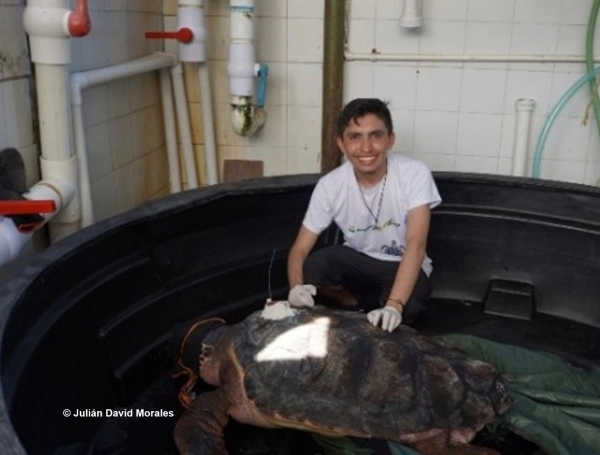
The research team conducted workshops in Taganga, educating local fishermen on what the satellite devices were and how to handle them if they encountered a tagged turtle. This effort was crucial; it shifted the perception of the equipment from a "foreign object" to a "scientific tool" that represents a shared commitment to the health of the ocean.
Implications for Future Conservation
The "Ancestral Navigators" project has served as a catalyst for a new era of marine research in Colombia. By proving that telemetry is a viable and necessary tool, the team has paved the way for larger-scale studies.
Scientific Policy Recommendations
- Data-Driven Protection: Use telemetry data to map out "migratory highways" that require stricter seasonal regulation of fishing activities.
- Community-Led Monitoring: Formalize the role of local fishers as citizen scientists. Their proximity to the water makes them the first line of defense and the primary source of information.
- Expanding the Scope: The current study has only scratched the surface. There is an urgent need to track other species, such as the Leatherback, which remains critically endangered in the Caribbean.
A Call for Continued Investment
The project was made possible through a collaboration between the Project for the Conservation of Sea Turtles, the Mundo Marino Aquarium, and the support of Petrobras. However, the study concludes with a sobering call to action: the research is a start, not a finish.

"We need more turtles, more transmitters, and more people willing to fill these massive gaps in our knowledge," says Morales. The data collected has already been presented at the XXI National Seminar on Marine Sciences and Technology (SENALMAR XXI-2026) and the 4th Colombian Herpetology Congress, garnering significant interest from the academic community.
Conclusion: The Message of the Sea
As the researchers reflect on the 12-year gap that this project finally bridged, they emphasize that the significance of this work extends far beyond the data points. Each transmission, each successful journey through a reef, and each interaction with a local community is a testament to the resilience of marine life.
"Each turtle that returns to the sea is a message of hope," concludes Morales. "Understanding their journey is the first step toward ensuring a future where all of them can return."
The legacy of Kika, Corazón, and Canela is now a foundation of knowledge—a roadmap for the protection of the Caribbean’s silent, ancestral navigators. As we look toward the future, the integration of satellite technology, rigorous science, and genuine community engagement stands as the only viable path to preserving the majesty of these ancient creatures in an ever-changing ocean.