Beneath the shimmering surface of the Caribbean, a silent, data-rich world exists—one that has long remained beyond the reach of traditional environmental monitoring systems. Every day, divers glide over vibrant reefs, artisanal fishermen haul in their daily catch, and tourists capture snapshots of marine life. For years, these thousands of encounters with the ocean remained fleeting moments, buried in smartphone galleries or personal memories, failing to reach the desks of those who could actually protect these fragile ecosystems.
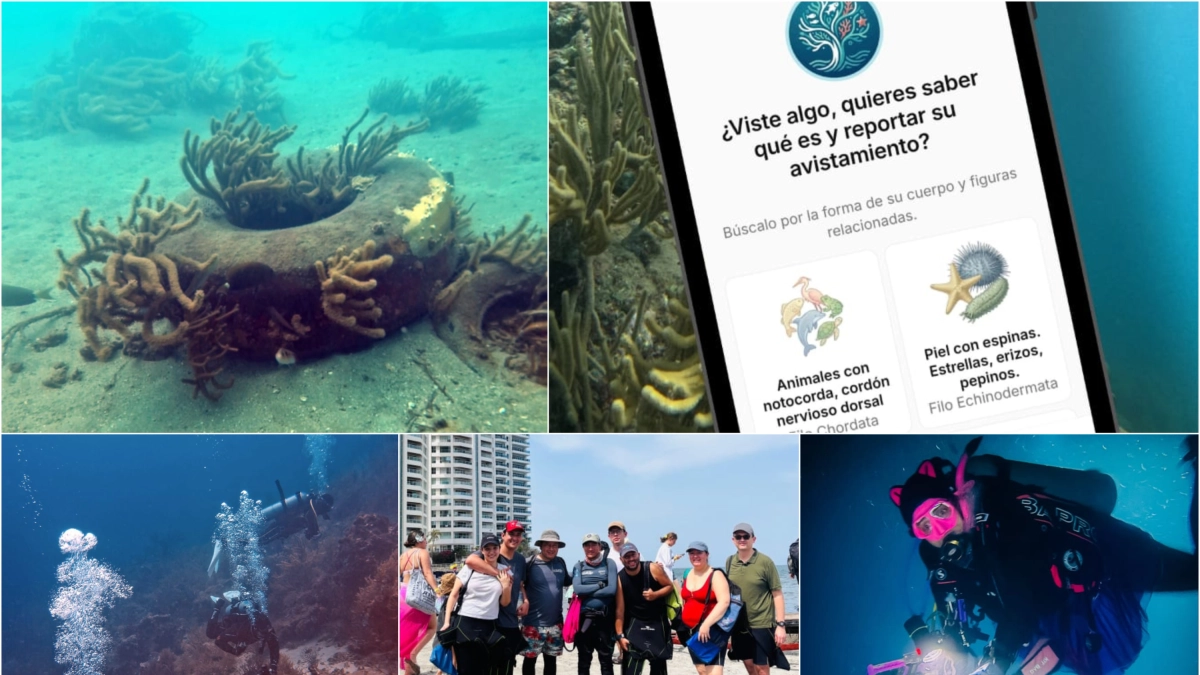
Now, a pioneering initiative known as Árbol de la Vida Marina (Tree of Marine Life) is bridging this critical gap. Born from the vision of the Fiatmar Foundation and spurred by the practical needs of the Atlántida Diving Center, this platform is turning ordinary citizens into a sophisticated, decentralized network of observers. By leveraging the power of "citizen science," the project is successfully identifying species, documenting ecological threats, and triggering formal alerts to environmental authorities in real-time.
The Genesis of a Digital Shield
The project, spearheaded by marine biologist and diving instructor Lina Rico Muller, emerged from a long-standing desire to harmonize recreational diving with rigorous marine biology. The motivation was not merely academic; it was born from a frustrating administrative reality.
"Formalizing complaints about what was happening underwater—whether it was coral bleaching, illegal fishing, or wildlife entanglement—was a bureaucratic nightmare," Rico explains. "It was a long, complex process that often left witnesses feeling intimidated or ignored."

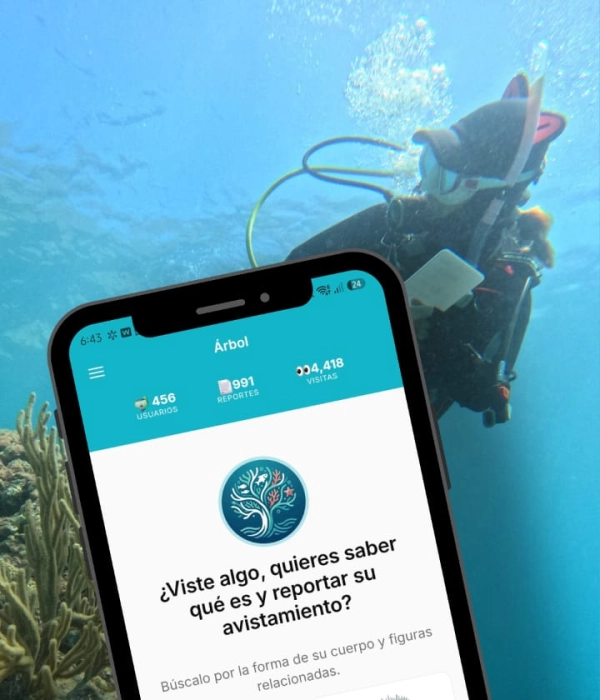
To solve this, the team developed a "progressive web app" (PWA). Unlike traditional apps that require heavy downloads, this tool functions seamlessly via a URL, making it accessible to anyone with an internet connection. The core mission is to "democratize marine science," stripping away complex academic jargon and replacing it with an intuitive interface that allows any citizen—whether a professional diver or a beachgoer—to contribute high-value data to a collective scientific database.
A Chronology of Conservation
The platform has seen rapid growth since its inception approximately six months ago. Its evolution represents a transition from fragmented observation to a structured, institutionalized monitoring system:
- Initial Concept (Pre-2026): The Fiatmar Foundation identifies the "blind spot" in marine monitoring, where thousands of eyes see signs of ecological degradation, but no formal channel exists to report them.
- Prototype Launch (Early 2026): Development of the PWA begins, focusing on the interface between divers and the scientific team.
- Pilot Phase (Mid-2026): The tool is tested in the Santa Marta region, integrating initial reports from the Atlántida Diving Center.
- Operational Scale-up (October 2026): The platform hits a milestone of 499 registered users and over 1,400 recorded sightings. Strategic meetings are initiated with Corpamag and the Tayrona National Natural Park authorities to integrate the data into formal environmental indicators.
The Mechanics of Data: From Snapshot to Policy
The workflow of Árbol de la Vida Marina is built on a "verify-and-alert" model. When a user uploads a photo of an organism or an environmental event, it enters a queue. A team of scientists performs a "curation" process, verifying the species and the context.
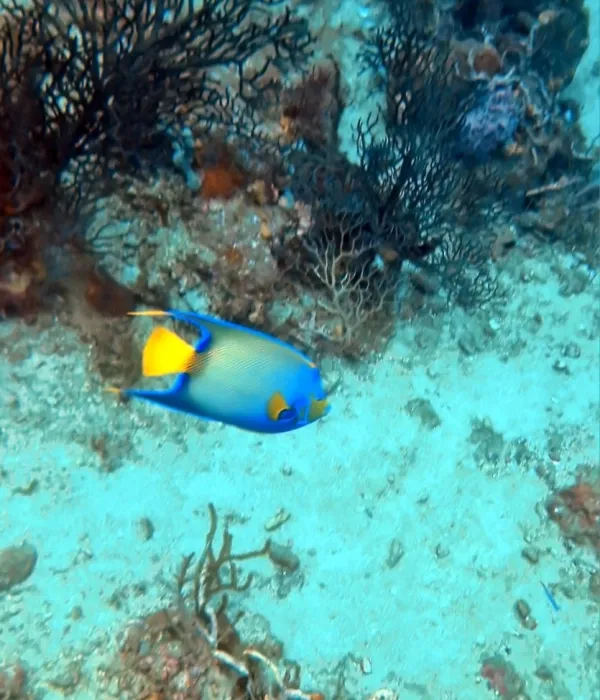
If the data suggests an anomaly—such as a sea turtle trapped in a ghost net, the presence of invasive species like the lionfish, or the onset of coral disease—the platform triggers an "early warning." Unlike a social media post, these alerts are formatted as formal petitions or reports, providing the necessary evidence for environmental agencies to take direct action.
The system relies on gamification to ensure sustainability. Users accumulate points for accurate identifications, rising through levels of "citizen scientist" status. This not only encourages consistent reporting but also fosters what biologists call the "frequency illusion"—a phenomenon where, as people learn to recognize a species, they begin to notice it more often, leading to a deeper, more personal connection with the marine environment. As Rico succinctly puts it: "Those who know, value. Those who value, protect."
Supporting Data: The Power of Collective Observation
The platform’s efficacy is perhaps best illustrated by the data it has already generated regarding invasive species. For example, while regional authorities had officially reported only five instances of the invasive lionfish across two bays during a period of monitoring, Árbol de la Vida Marina had already registered 71 confirmed sightings from its network of citizen observers.
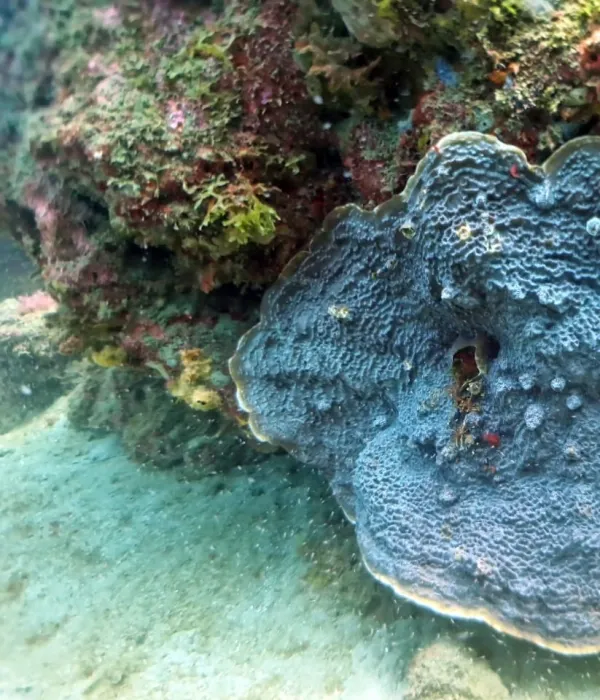
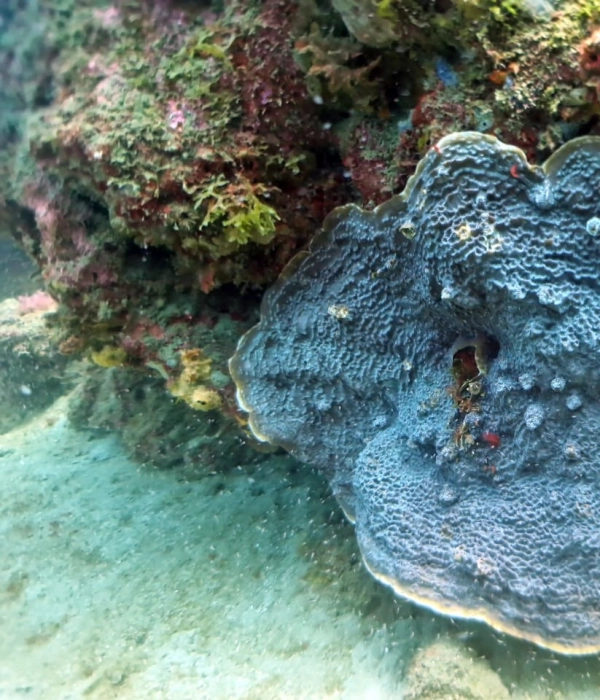
This discrepancy highlights the limitations of traditional monitoring, which is often hampered by budget constraints and staffing shortages. By contrast, the platform provides a constant, high-resolution view of the ocean floor. Similarly, the project has documented species of coral that were frequently seen by recreational divers in the currents of Santa Marta but were entirely absent from official reports from research institutes like Invemar.
Key Metrics (As of October 2026):
- Total Users: 499
- Total Species Logged: 371
- Total Sightings: 1,403
- Verified/Curated Records: 1,050
- Pending/Unidentified Reports: 87
- Threat-Related Reports: 234
Official Responses and Institutional Integration
The success of Árbol de la Vida Marina has caught the attention of regional and national environmental authorities. The project team has been in active negotiations with entities such as Corpamag and the directors of the Tayrona National Natural Park. The goal is to move beyond simple "reporting" and toward a formal partnership where the platform’s database serves as a legitimate source for official environmental indicators.
In one notable case, a photo uploaded by a user regarding the illegal sale of a "parrotfish" (a protected species) in a local market provided sufficient evidence for a direct follow-up, demonstrating the traceability that the platform offers. By formalizing the path from observation to enforcement, the project effectively acts as a digital watchdog for the maritime authorities.
The Path Toward "Regenerative Diving"
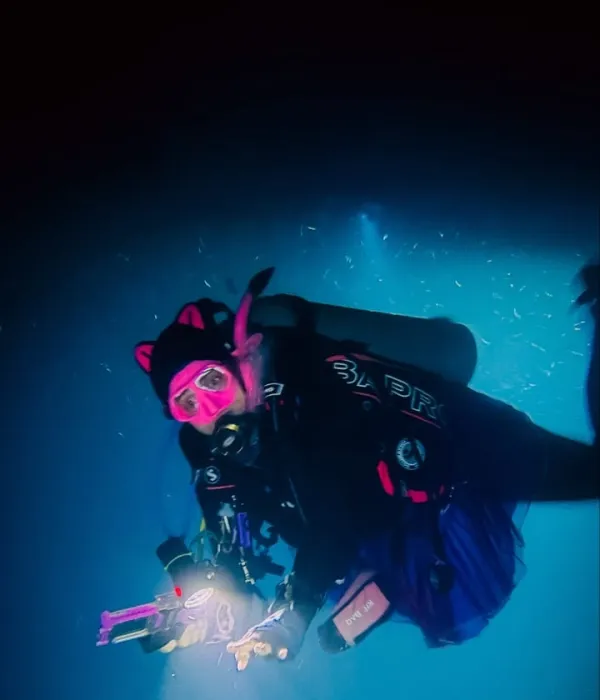
The project seeks to shift the culture of diving from passive consumption to "regenerative" practice. In this paradigm, the diver is no longer just a visitor to the reef, but an active steward. This involves training participants not only to appreciate the beauty of the ecosystem but to identify indicators of stress, such as coral bleaching, sedimentation, or plastic pollution.
The organizational structure is entirely volunteer-based, sustained by a team of 21 specialists covering fields ranging from taxonomy and database management to outreach and software development. Funding is currently sourced through a hybrid model: corporate "adoption" of species profiles by partner brands (such as Mundo Marino Aquarium and various local businesses) and national or international grant funding.
Future Implications: Scaling the Vision
As the project looks to the next 12 months, its ambitions are expansive. The goal is to reach 20 active diving centers, 5,000 recorded sightings, and an increase in the user base to 1,000. Furthermore, the team aims to establish "observation engines" in the Gulf of Morrosquillo and the San Andrés archipelago, effectively creating a national web of marine surveillance.
The long-term implication of this project is a fundamental change in the power dynamics of environmental conservation. By giving citizens the tools to document, analyze, and report, Árbol de la Vida Marina is effectively "democratizing" the sea. It ensures that the thousands of hours spent underwater by divers are no longer lost to the tide, but are instead transformed into a living, breathing map of the ocean’s health.
"The reef is screaming information at us," says Rico, "and for too long, we haven’t been doing anything with it. We are building a platform so that, for the first time, the divers can finally be heard."
As technology continues to integrate with environmental science, projects like this offer a blueprint for a future where collective action is supported by digital infrastructure, turning the vast, silent ocean into a space where every citizen has the capacity to be an agent of change.