In a move that marks a watershed moment for animal rights in Latin America, the Colombian government has officially incorporated direct funding for animal protection into the General Budget of the Nation. For the first time in the country’s history, public resources have been specifically earmarked to address the systemic challenges of pet overpopulation, animal abandonment, and the transition away from animal-drawn labor. This legislative achievement, spearheaded by Senator Andrea Padilla, represents a paradigm shift in how the state views the welfare of domestic and working animals.
The Financial Breakthrough: A Legislative Feat
The allocation of 26.5 billion Colombian pesos (COP) is not merely a budgetary line item; it is a hard-won victory in a highly contested fiscal environment. According to Senator Padilla, the process of securing these funds was arduous. In a legislative landscape where thousands of proposals compete for limited government resources, the Ministry of Finance reviewed over 800 legislative initiatives. Out of this massive volume of requests, fewer than 20 received the formal endorsement of the government.

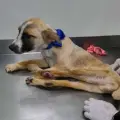
The inclusion of the animal welfare budget—specifically designed to power the "Esterilizar Salva" (Sterilization Saves) program—is a testament to the growing political influence of the animal rights movement in Colombia. With the formal signature of the Minister of Finance, the 26.5 billion pesos were secured within the final text approved by both houses of Congress. This funding is dedicated to mass, inter-institutional sterilization campaigns for dogs and cats across the country, aiming to tackle the root cause of animal homelessness: uncontrolled reproduction.
Chronology of a Policy Shift
The road to this historic funding was paved by years of advocacy and evolving public sentiment regarding animal welfare.

- Initial Advocacy: Over the past decade, civil society organizations and animal activists in Colombia began shifting their focus from local municipal ordinances to national policy.
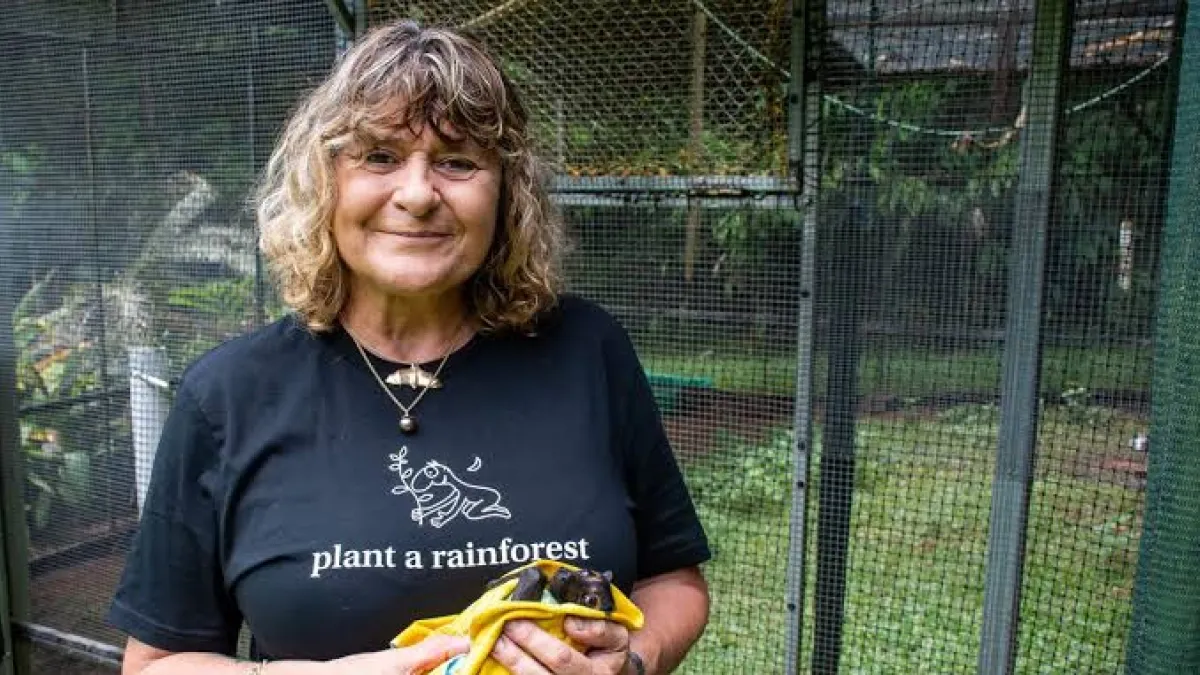
- Legislative Pressure: Senator Andrea Padilla emerged as a central figure, utilizing her platform to document instances of animal cruelty and push for structural change. Her work often involved direct, sometimes high-risk interventions in cases of severe abuse.
- Budgetary Debates (2026): As the 2026 fiscal cycle approached, the debate centered on how to reconcile the country’s economic limitations with the urgent need for social programs.
- The Approval: By October 2026, the intense lobbying by animal welfare advocates paid off as the government recognized that animal health is inextricably linked to public health and urban sanitation.
- Formalization: With the final budget approval in late October 2026, the government solidified the commitment to the "Esterilizar Salva" program and the phasing out of animal-drawn vehicles.
Supporting Data and The "Esterilizar Salva" Initiative
The magnitude of the stray animal crisis in Colombia is difficult to quantify, but current estimates suggest that millions of animals live on the streets or in conditions of neglect. The "Esterilizar Salva" program is designed as a public health strategy. By reducing the population of homeless animals, the government aims to lower the incidence of zoonotic diseases, reduce public safety hazards related to aggressive roaming packs, and mitigate the social and emotional strain on communities burdened by the sight of neglected animals.
The 26.5 billion pesos will be distributed across various regions, targeting areas with the highest rates of abandonment. This is not a one-time grant but rather an investment in a structural, state-led program that emphasizes long-term prevention over reactionary measures.
Ending the Era of Animal-Drawn Labor
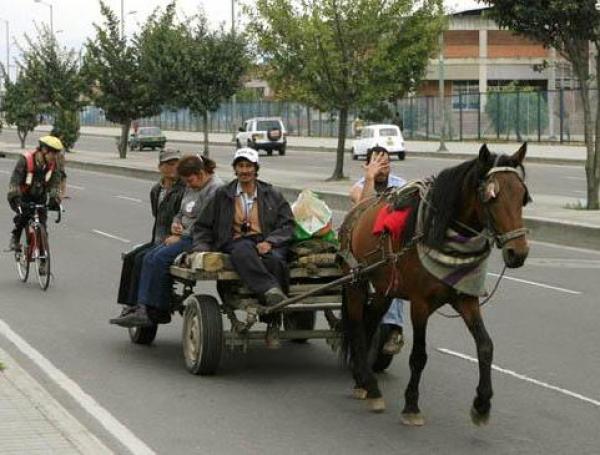
Beyond the sterilization of pets, the government has made a parallel, equally significant commitment: the total phase-out of animal-drawn vehicles (ATVs). For years, the sight of horses and mules pulling heavy carts through urban centers has been a point of ethical contention.
The Ministry of Transport has been tasked with the technical and operational execution of this transition. The plan is twofold:

- Economic Transition: The government intends to provide financial and technical support to families who rely on animal-drawn vehicles for their livelihoods, facilitating their transition to mechanical transportation or other sustainable trades.
- Animal Rehabilitation: The equines currently in service will be retired and placed in rehabilitation programs, ensuring that these animals—many of whom have spent their lives in strenuous labor—receive the care they require in their final years.
Official Responses and Political Implications
The success of this budget allocation has been met with a mix of celebration and calls for further reform. President Abelardo De La Espriella took to social media to express his gratitude toward the congressional members who supported the budget.
"To the senators and representatives to the Chamber who voted in favor, my special recognition for their patriotism and determination," the President stated on the platform X. He framed the decision not just as a matter of animal rights, but as a defining moment for the country’s moral development, suggesting that Colombia is entering a new, more compassionate phase of its national history.
However, the political implications extend beyond a single victory. The success of this budget indicates that animal rights have become a "cross-party" issue in Colombia. Supporters of the bill represented various ideological backgrounds, proving that the protection of vulnerable beings is a cause that can transcend traditional political divides.
The Broader Context: Why This Matters
For decades, animal welfare in Colombia was treated as a secondary concern, largely left to underfunded NGOs and private citizens. The move to bring this under the umbrella of the General Budget of the Nation fundamentally changes the legal and moral status of animals in the country. It acknowledges that the state has a responsibility to protect those who cannot protect themselves.
Furthermore, the integration of this program into public policy addresses the issue of "animal abandonment" as a matter of public infrastructure. When the government funds sterilization, it reduces the burden on municipal shelters and veterinary services. It is a proactive, data-driven approach to social policy.
The Road Ahead: Implementation and Oversight
While the announcement is a cause for celebration, the real work begins now: implementation. The success of the "Esterilizar Salva" program will depend on the efficiency of the regional governments in utilizing these funds. Transparency will be key. Citizens and advocacy groups are already signaling their intent to monitor the disbursement of the 26.5 billion pesos to ensure that the money reaches the clinics and the communities for which it was intended.
The transition for those currently using animal-drawn vehicles is also a delicate social issue. It requires more than just money; it requires a sophisticated plan that protects the dignity of the workers while ensuring the absolute welfare of the animals. If successful, this model could become a blueprint for other nations in the region struggling with similar issues of modernization and animal ethics.
Conclusion: A New Standard
Colombia has set a new standard for the region. By codifying animal welfare into its financial DNA, the country has signaled that its future is one where progress is measured not only by economic output but by the way it treats its most vulnerable inhabitants. The 2026 budget will be remembered as the moment when the state finally took direct, financial, and moral responsibility for the welfare of the animals that share its territory.

As the country moves forward, the focus will shift from the legislative chambers to the streets and rural areas where the work of sterilization and animal rehabilitation will finally commence in earnest. It is a monumental task, but for the millions of animals who suffer in silence, this is the first real sign of hope in a long, difficult struggle. The path is now cleared, the funds are allocated, and the mandate is clear: for Colombia, the era of indifference has come to an end.