By Pablo Pachón Ramírez, Digital Reach Desk, EL TIEMPO
In the fast-paced ecosystem of digital trends, the line between a viral social media squabble and a nationwide commercial opportunity is thinner than ever. What began as a polarizing, anecdotal account of a disastrous first date has metamorphosed into a sophisticated, country-wide marketing goldmine. As of mid-July 2026, burger chains across Colombia have pivoted their business strategies to capitalize on a viral debate centered on a single, controversial request: ordering a triple-patty hamburger.
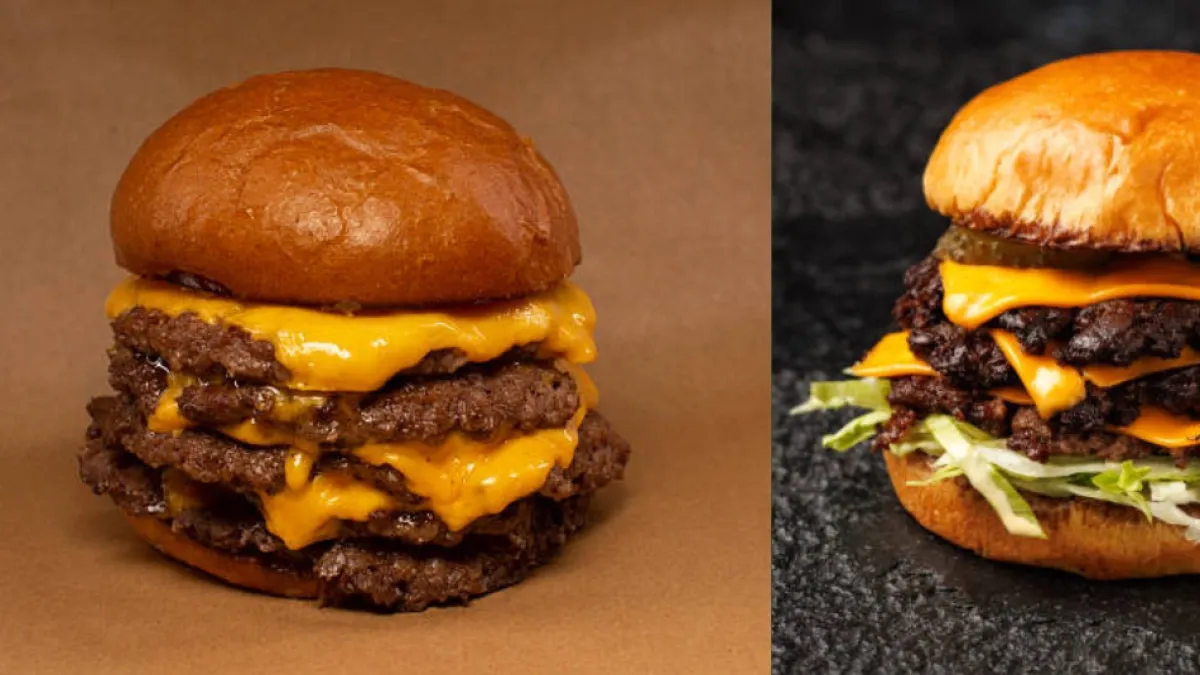
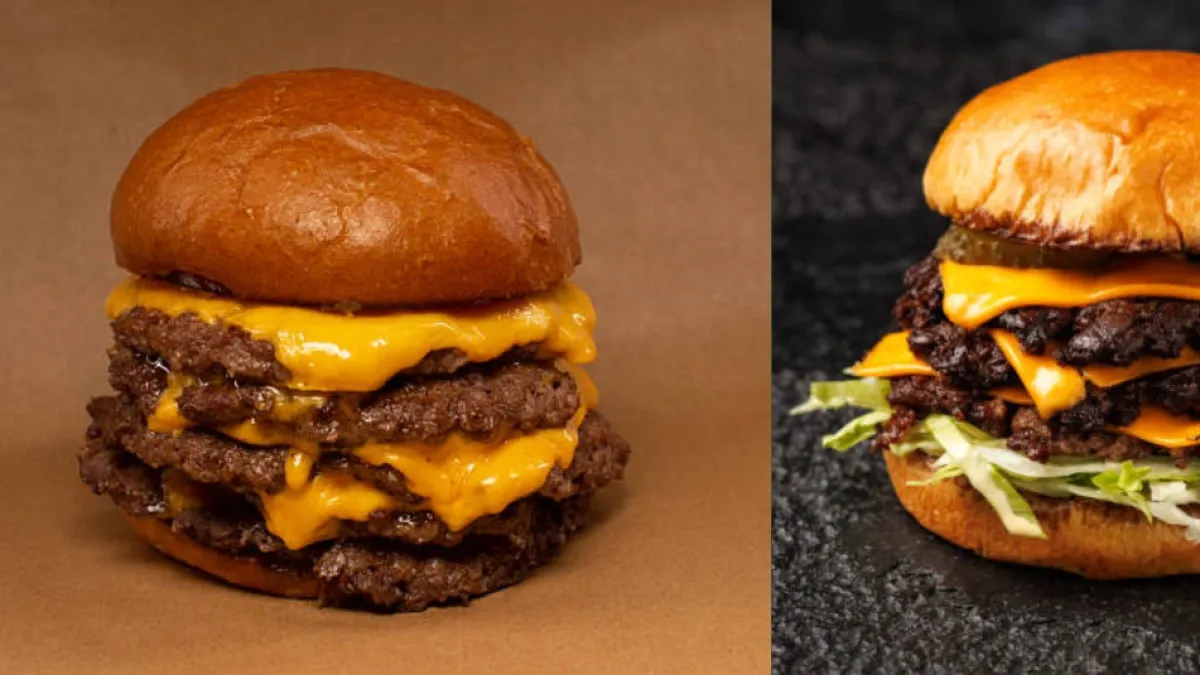
This phenomenon, which has dominated social media conversations for the past week, serves as a masterclass in "real-time marketing." Brands are no longer just observing the discourse; they are actively participating in it, launching targeted promotions, special menu items, and tongue-in-cheek advertising campaigns that turn a potential social faux pas into a badge of honor for hungry consumers.
1. The Genesis: From Viral Controversy to Culinary Trend
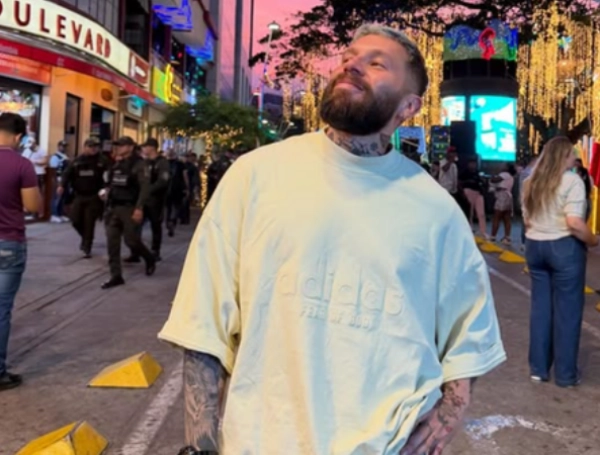
The origins of this trend can be traced back to a video posted by a content creator who shared a deeply personal—and highly subjective—experience regarding a date. In the video, the narrator expressed indignation after his date ordered a triple-patty hamburger, implying that such an order was excessive or "inappropriate" for the setting.
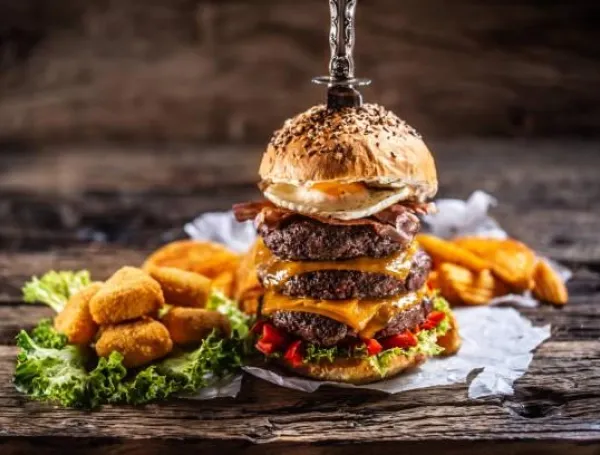
The response was immediate and overwhelming. Rather than siding with the narrator, a massive segment of the internet rallied against him, defending the right to order whatever one desires on a date, regardless of the setting or the expectations of the companion. The "Triple Burger" became a symbol of autonomy, appetite, and a rejection of social pretenses.
As the debate raged on platforms like X (formerly Twitter), TikTok, and Instagram, restaurant owners and marketing departments identified an opening. By aligning their brands with the "pro-triple" movement, these businesses effectively transformed a divisive internet moment into a shared cultural experience.

2. A Chronology of the "Triple" Takeover
The transition from online outrage to physical sales floor happened at breakneck speed. By July 14, major chains began testing the waters with social media posts referencing the viral event. By July 15 and 16, full-scale promotional campaigns were live in cities ranging from Bogotá and Cali to Pasto and Santa Marta.
The Corporate Response:
- Burger King: As one of the first major players to pivot, the fast-food giant launched a temporary campaign allowing customers to upgrade any burger on the menu to a "triple" version for a nominal fee of $9,000 COP. This initiative, set to run until July 17, is a prime example of leveraging global brand flexibility to meet local cultural trends.
- El Paso Hamburguesas: Demonstrating a keen sense of irony, this chain—with strong footholds in Bogotá and Cali—introduced a special combo dubbed ‘El Tacaño’ (The Cheapskate). The $50,000 COP combo, available until July 21, features one simple cheeseburger and one triple cheeseburger, plus two lemonades. The marketing strategy here is clear: acknowledge the "cheapskate" accusation directed at the viral creator while providing a high-value offer for actual couples.
- Tierra Querida: With a wide reach spanning the Eje Cafetero, Valle del Cauca, Santander, and Antioquia, this brand took a slightly more direct approach. They utilized the conversation to remind their customer base that they have long offered a high-quality triple burger for $29,900 COP, successfully positioning their existing menu as the "standard-bearer" for the trend.
- Hyper-Local Disruptors: In Cali, Hashtag Food aggressively slashed prices to offer triple burgers starting at $7,900 COP until July 19. Meanwhile, in Pasto, the restaurant Pidevicio leaned into the controversy by naming their new combo ‘La Interesada’ (The Gold Digger)—a direct nod to the pejorative terms used in the original viral video. The combo, priced at $39,900 COP, includes the triple burger, fries, and a soda.
- Coastal Participation: Even in the Caribbean, the trend has taken root. A Lo Francisco in Santa Marta implemented an "add-on" model, allowing any customer to upgrade their order to a triple-patty version for $8,000 per patty.
3. Supporting Data and Economic Context
The success of these campaigns is rooted in the "participatory economy." According to industry analysts, restaurants that engage with trending social topics see a significant uptick in brand mentions and "earned media."
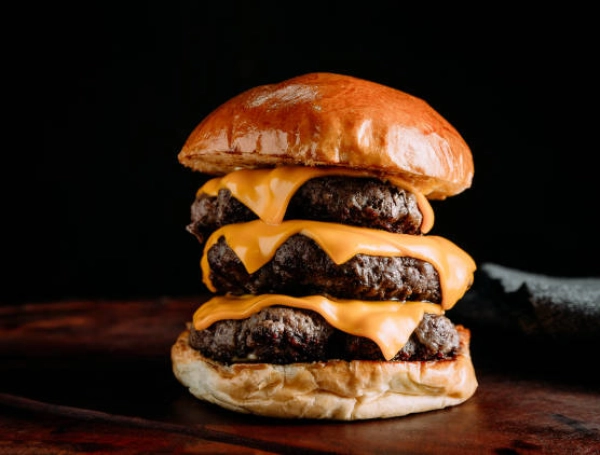
For many of these small and medium-sized enterprises (SMEs), the cost of the promotion is offset by the increased volume of traffic. The $9,000–$10,000 COP price point for an additional patty is a common industry standard for add-ons, ensuring that the profit margins remain stable while the "viral" appeal drives new customers through the door.
Furthermore, the data suggests that these campaigns are driving foot traffic among the 18–35 demographic, who are the most active participants in the digital discourse. For these consumers, visiting a restaurant that "gets the joke" is an extension of their online social life.

4. Official Responses and Industry Perspectives
While the marketing teams are celebrating, the incident has prompted a broader conversation about modern dating etiquette and the role of social media in shaping public opinion.
"What we are seeing," says a marketing consultant familiar with the restaurant industry, "is the weaponization of the ‘common man’ narrative. Brands are using the viral video as a mirror. If the public thinks the narrator of the original video was wrong, then the restaurant that supports the ‘triple-burger eater’ is automatically seen as the hero of the story."
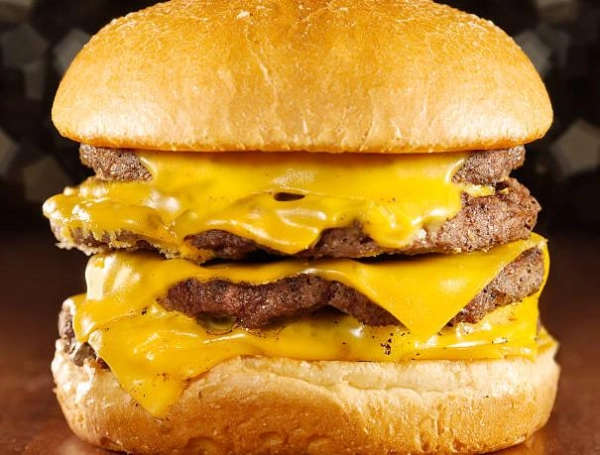
There have been no official condemnations of the trend from the restaurant industry, as the economic benefits have far outweighed the potential for "bad taste" accusations. On the contrary, the consensus is that the trend is a harmless, albeit aggressive, form of marketing that benefits the consumer through lower prices and more variety.
5. Implications for the Future of Viral Marketing
The "Triple Burger" phenomenon is a case study in how quickly modern businesses must move to remain relevant. In the past, a marketing campaign might take months to plan, approve, and execute. Today, it takes roughly 48 to 72 hours for a local trend to manifest as a nationwide retail strategy.

The Long-term Impact:
- Agility as a Competitive Advantage: Businesses that have invested in social media monitoring and agile decision-making are clearly winning. The ability to pivot the menu in response to a 24-hour news cycle is becoming a requirement, not a luxury.
- The Death of the "Corporate Tone": Consumers are increasingly rejecting sanitized, formal corporate messaging. The success of names like ‘El Tacaño’ and ‘La Interesada’ proves that customers prefer brands that are willing to be cheeky, slightly provocative, and culturally aware.
- Economic Resilience: By turning a "scandal" into a sale, these restaurants have demonstrated that the food and beverage industry can create its own demand. Even in a fluctuating economy, the power of a viral meme can move thousands of units in a matter of days.
Conclusion: A Lesson in Appetite
As of July 16, the momentum shows no signs of slowing down. While the original video that sparked the controversy may fade into obscurity within a few weeks, the "Triple Burger" trend has successfully cemented itself as a mid-summer culinary staple in Colombia.
For the average consumer, the result is a win-win: they get a larger portion of food for a competitive price, and they get to participate in a cultural "in-joke" that connects them with thousands of others across the country. For the restaurant owners, the lesson is clear: in the age of social media, the most effective marketing isn’t always the most expensive—it’s the one that listens to what the people are talking about and serves it up on a plate.

As the promotions conclude later this week, the restaurant sector will likely look back on this moment as a landmark example of how to turn a moment of digital tension into a tangible, and delicious, commercial triumph.