By Cultural Desk, International News Service
Updated November 9, 2026
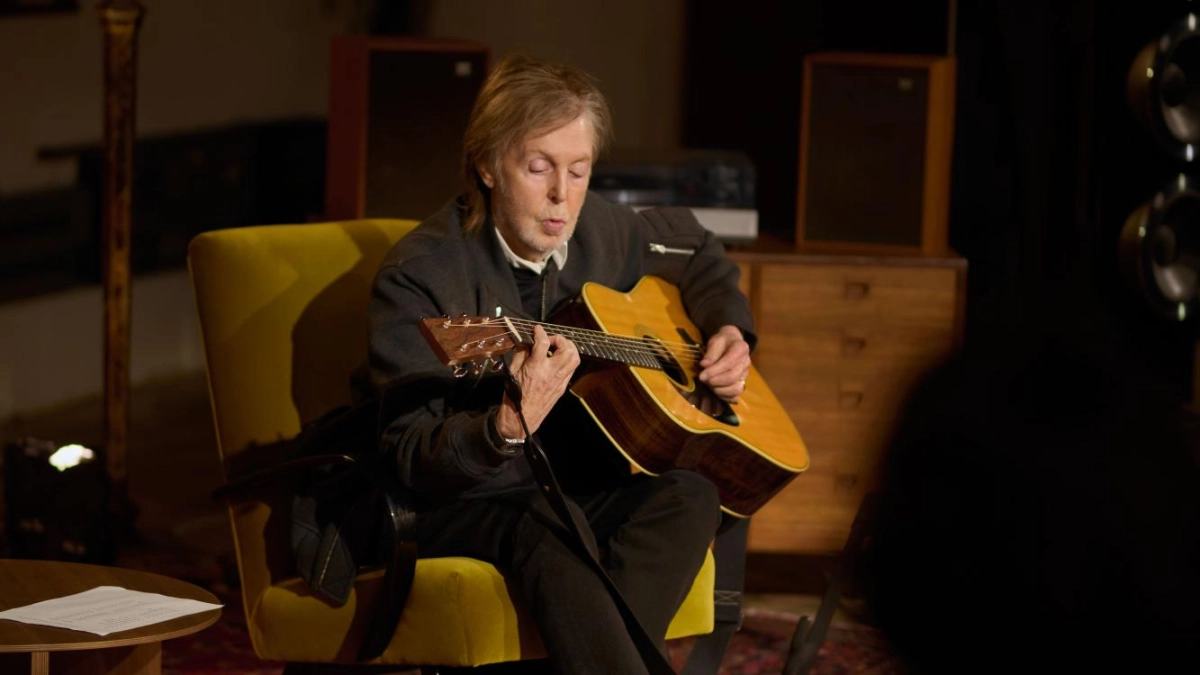
Sir Paul McCartney, the legendary architect of the "British Invasion" and a cornerstone of global music history, has officially crossed the threshold into billionaire status. According to a comprehensive financial analysis recently published by Forbes, the former Beatle now commands a staggering fortune estimated at $1.4 billion. This milestone does more than just solidify his position as one of the wealthiest musicians in history; it serves as a testament to six decades of unparalleled artistic influence combined with a remarkably shrewd approach to business and asset management.
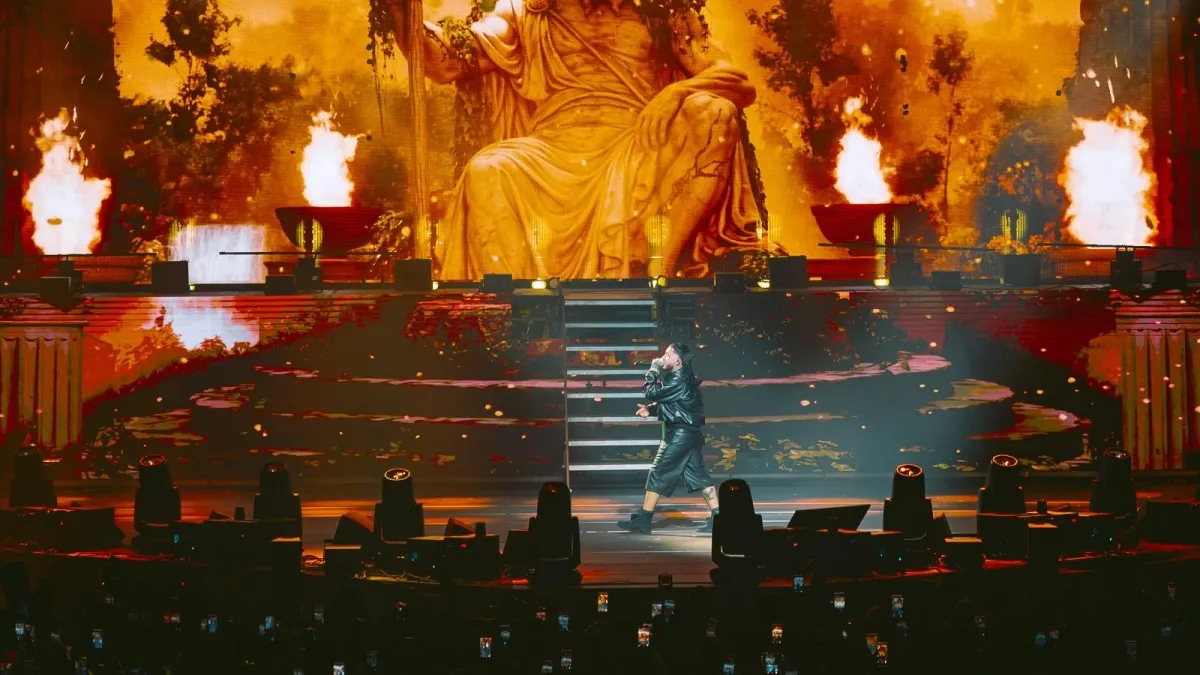
McCartney now ranks as the third-wealthiest artist globally, sitting in the rarefied company of fellow music titans such as Taylor Swift, whose valuation is estimated at $2 billion, and hip-hop mogul Jay-Z, who leads the pack with a net worth of approximately $2.8 billion.
The Pillars of Prosperity: How a Legend Amassed His Fortune
The journey to $1.4 billion is not the result of a single hit record or a fortuitous investment, but rather a complex web of intellectual property, real estate holdings, and strategic corporate interests. Financial analysts point to four primary pillars that support McCartney’s massive wealth.

1. The Power of Intellectual Property
At the heart of McCartney’s empire is the value of his musical catalogs. Unlike many artists of his generation who were stripped of their publishing rights early in their careers, McCartney maintained a relentless focus on retaining control over his creative output. His editorial company, MLP Communications, founded in 1969, acts as the central repository for this wealth. The company manages not only the legendary Beatles catalog—which remains one of the most profitable in music history—but also works by other notable artists.
2. Apple Corps and the Streaming Revolution
The resilience of The Beatles’ brand is perhaps the most impressive aspect of McCartney’s portfolio. Through Apple Corps, the parent company formed by the band, each surviving member (and the estates of the deceased) receives a 25% share of the company’s profits. Despite the band having disbanded over half a century ago, the entity continues to generate roughly $50 million annually. This revenue is fueled by a relentless demand for streaming, consistent sales of vinyl records, and the lucrative licensing of the band’s imagery for global merchandising.

3. Real Estate and Diversified Investments
Beyond the music industry, McCartney has long followed the advice of prudent wealth managers, channeling his earnings into tangible, high-value assets. He possesses an extensive property portfolio that spans the United Kingdom and the United States, most notably in the Hamptons. These properties serve as both private sanctuaries and significant appreciation-heavy investments.
4. The Private Collection
McCartney’s wealth is also reflected in his sophisticated taste in fine art. His collection, which reportedly includes works by masters such as Pablo Picasso and René Magritte, represents a "store of value" that has likely appreciated significantly over the years, providing a hedge against market volatility.

A Chronology of Musical and Financial Evolution
To understand how McCartney arrived at this financial zenith, one must look at the timeline of his career, which mirrors the evolution of the music industry itself.
- 1960–1970: The Beatles Era. During this decade, McCartney and his bandmates redefined pop culture. While the initial earnings from the band were significant, the real financial value was locked in the copyrights and publishing rights that would pay dividends for decades.
- 1971–1981: Wings and Independence. Following the dissolution of The Beatles, McCartney launched his band, Wings. This period was crucial as it proved McCartney’s capability to sustain a career as a solo artist and bandleader, ensuring his relevance in the post-Beatles era.
- 1980s–1990s: Strategic Acquisitions. During these decades, McCartney became increasingly involved in the business side of music, famously engaging in high-profile negotiations regarding music publishing, including his well-known, albeit unsuccessful, attempt to purchase the Northern Songs catalog.
- 2000s–2020s: The Digital Transition. The advent of digital streaming and the resurgence of vinyl allowed McCartney to monetize his back catalog in ways unimaginable in the 1960s. His recent work, including the 2026 album The Boys of Dungeon Lane, proves that he remains a prolific creator, keeping his brand top-of-mind for newer generations.
The Strategic Mindset: A Legacy of Financial Prudence
McCartney’s approach to his finances has always been grounded in a "musician-first, businessman-always" philosophy. While many rock stars of the 1960s and 70s succumbed to the pitfalls of bad management and excessive spending, McCartney’s trajectory was marked by a steady focus on long-term sustainability.

His decision to establish MLP Communications in 1969 was a turning point. At a time when artists were frequently exploited by predatory contracts, McCartney recognized that the true value lay not just in the performance, but in the ownership of the underlying intellectual property. This foresight has allowed him to benefit from every technological shift in music delivery, from the LP and cassette to the CD and the current era of Spotify and Apple Music.
Implications for the Music Industry
McCartney’s billionaire status sends a clear message to the industry: Content ownership is king. In an era where many artists are selling their catalogs to private equity firms and holding companies for quick cash, McCartney remains a holdout, preferring to retain his assets and reap the long-term rewards of passive income.

This status also highlights the massive, enduring value of "legacy acts." The Beatles are not just a historical reference point; they are a functioning, high-revenue corporation. The continued success of the brand proves that if managed correctly, musical intellectual property can perform similarly to high-growth stocks or real estate portfolios.
Furthermore, his wealth highlights the extreme stratification of the modern music economy. While the "top 1%" of artists like McCartney, Swift, and Jay-Z see their fortunes climb into the billions, the vast majority of working musicians struggle to secure a living wage in the streaming era. McCartney’s success, therefore, serves as both an aspirational goal and a point of contention in ongoing debates regarding fair compensation for artists.

Looking Ahead: The Future of the McCartney Empire
Despite reaching the $1.4 billion mark, McCartney shows no signs of slowing down. His recent comments regarding his latest creative output suggest that his passion for music remains the driving force behind his daily life, with the wealth being a fortunate byproduct rather than the sole objective.
As he moves into this new phase of his life and career, the question arises: how will he handle the succession of his vast empire? With his family, including his daughter Mary McCartney—who has played a key role in documenting his life and work—already involved in various capacities, it is likely that the "McCartney Brand" will continue to be managed with the same level of care and precision that has defined the last sixty years.

Sir Paul McCartney’s ascent to billionaire status is a victory for the endurance of art. It proves that a creative life, when coupled with intellectual rigor and sound financial stewardship, can create a legacy that lasts far longer than the music itself. He remains not only a Liverpool lad who changed the world with a guitar but a titan of industry who redefined what it means to be a modern artist.