By Editorial Staff
Updated: October 28, 2026, 17:36
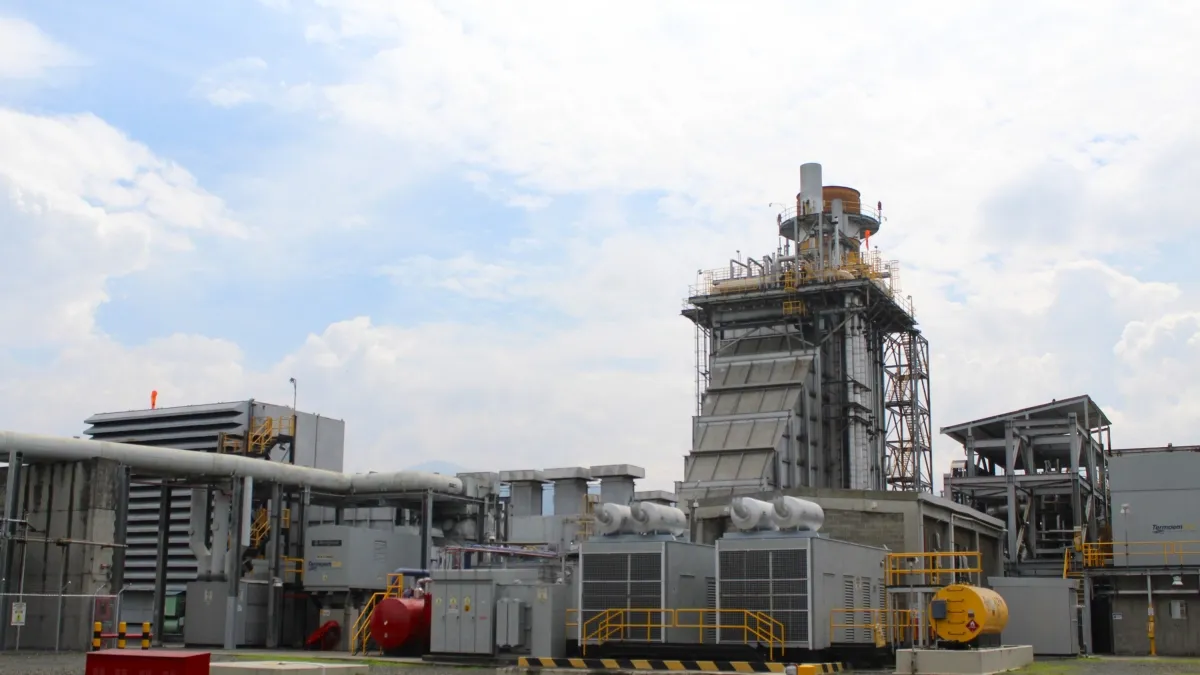
In a decisive move to safeguard the stability of Colombia’s power grid, the Superintendency of Industry and Commerce (SIC) has launched a formal inquiry into nine thermal power generation companies. The investigation, spearheaded by the Delegatura for the Protection of Competition, seeks to determine whether these entities engaged in anti-competitive behavior or failed to meet their contractual obligations during the critical energy demands imposed by the El Niño weather phenomenon.
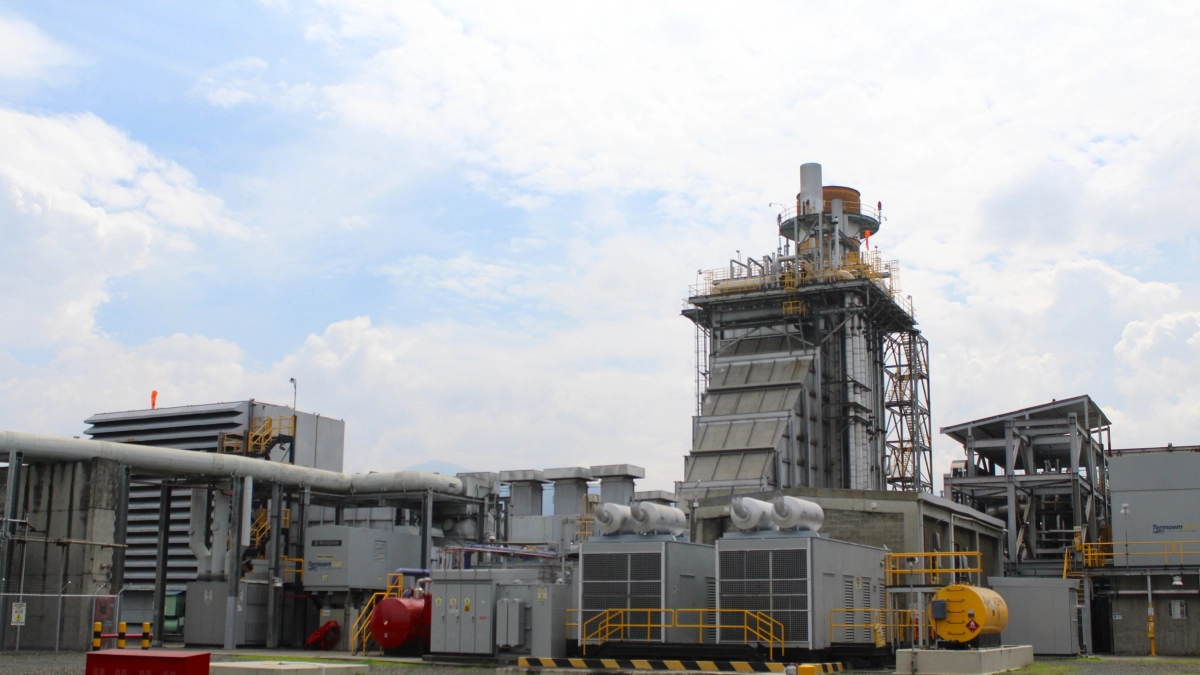
As the country faces fluctuating hydrological conditions and increased reliance on thermal backup, the regulator’s intervention highlights growing concerns over market transparency and the security of the National Interconnected System (SIN).
The Core of the Investigation: Ensuring Supply and Fair Play
The SIC’s directive, announced on October 28, 2026, is not yet a formal sanctioning proceeding but rather a rigorous information-gathering exercise. The regulator is demanding detailed internal data to assess how thermal generators have managed their "firm energy" obligations—the commitment to provide electricity when the grid is under stress.

The investigation rests on two fundamental pillars:
- Operational Reliability: Determining the specific circumstances behind documented failures or delays in electricity delivery to the SIN.
- Competitive Integrity: Evaluating whether these operational failures were the result of genuine technical constraints or, conversely, strategic maneuvers designed to manipulate market prices or artificially restrict supply to benefit from higher spot-market rates.
"The objective is to verify compliance with competition laws in an environment where the stability of the power supply is paramount," the SIC stated in its release. By scrutinizing the internal decision-making processes of these nine companies, the authority aims to uncover whether market agents acted in good faith or if systemic distortions are jeopardizing the energy security of Colombian households and industries.
Chronology of the Crisis: A Grid Under Pressure
The current regulatory action follows weeks of escalating tension within the energy sector. Throughout October 2026, reports surfaced regarding a significant disconnect between the obligations of power plants and their actual performance.
- Mid-October 2026: Market analysts and grid operators began noting that a substantial majority of thermal plants were failing to meet their firm energy commitments. Reports indicated that 25 out of 35 major thermal generation units were falling short of their capacity requirements.
- October 26, 2026: Public discourse regarding energy prices reached a fever pitch, with consumer groups and industrial associations calling for intervention against companies perceived to be "withholding" energy during the dry season.
- October 28, 2026: The SIC formally issued the administrative requirement to the nine targeted companies. This move effectively signaled that the regulator would no longer observe the volatility from the sidelines, marking the transition from market monitoring to active investigation.
Supporting Data: The Weight of Firm Energy Obligations
The "Firm Energy" (Energía Firme) mechanism is the backbone of the Colombian electricity market. Under this system, generators receive compensation for maintaining plants that are ready to operate at a moment’s notice, particularly when hydroelectric reservoirs are low due to El Niño.
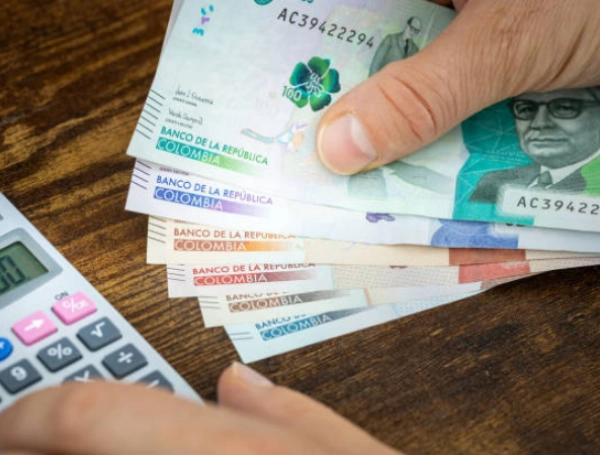
When a generator fails to deliver this energy, it is not merely a technical glitch; it is a breach of a financial and systemic contract. Preliminary data suggests that the shortfall is not evenly distributed, leading to suspicions that larger market players might be leveraging their position to influence price indices.
The SIC’s inquiry is particularly interested in the "availability declarations" provided by these companies. If a company declared its plant unavailable due to "maintenance" or "fuel supply issues" without sufficient justification, it could be interpreted as an intentional limitation of supply—a direct violation of competition regulations.
Official Stance and Regulatory Discretion
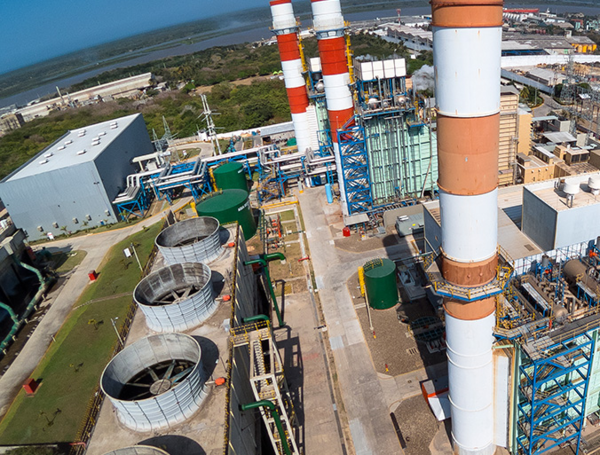
While the identity of the nine firms remains under a veil of confidentiality—a standard practice during the investigative phase to protect the integrity of the process—the implications are clear. The Superintendency has emphasized that it is currently in the "information analysis" stage.
"We have not issued any sanctions at this time," clarified a spokesperson for the SIC. "The focus is to establish the facts. We must understand the interplay between the climatic realities of El Niño and the commercial decisions made by the generation companies."

This measured approach is essential. If the SIC were to act prematurely, it could create uncertainty in the stock market and among energy investors. However, the authority has warned that if the data reveals evidence of collusion, price-fixing, or illegal supply restriction, it possesses the legal mandate to impose substantial financial penalties that could reshape the competitive landscape of the sector.
Broader Implications: What This Means for Consumers
The energy sector is currently the most sensitive area of the Colombian economy. As the cost of electricity directly impacts the cost of living and the competitiveness of the manufacturing sector, the SIC’s investigation carries heavy political and social weight.

1. Market Transparency
This investigation serves as a warning to the entire sector. The message is clear: during periods of national crisis, the rules of competition are not suspended. If companies use the cover of a climate phenomenon to engage in rent-seeking behavior, the state will intervene.
2. Stability of the SIN
The National Interconnected System relies on trust. If generators cannot be relied upon to honor their firm energy contracts, the entire market architecture—which has served Colombia for decades—faces a crisis of legitimacy. This investigation may force a structural review of how "firm energy" is monitored and enforced by entities like the CREG (Energy and Gas Regulation Commission) and the XM (the grid operator).

3. Impact on Energy Prices
Ultimately, consumers are the ones who pay the price for supply inefficiencies. If the investigation concludes that supply was artificially restricted to drive up prices, there may be calls for refunds or, at the very least, a fundamental change in how price caps are set during high-demand periods.
The Road Ahead
The SIC has not provided a specific timeline for the conclusion of this investigation. Much of the progress will depend on the speed and transparency with which the nine companies provide the requested documentation.

Industry experts suggest that this could be a long-drawn-out legal process. However, the fact that the regulator has moved to the information-gathering stage suggests that it has already identified "red flags" in the market data that warrant a deeper look.
As we move into the end of 2026, the energy sector will remain under intense scrutiny. The ability of the Colombian grid to weather the remainder of the El Niño phenomenon depends not just on rain, but on the willingness of the private sector to act in accordance with the common good, and the readiness of the state to ensure that the rules of the game are respected by all.

For now, the sector holds its breath, waiting to see if these nine companies can justify their actions or if they will become the center of one of the most significant antitrust cases in the country’s recent economic history.
Stay informed with the latest developments in the Colombian energy sector. Follow El Tiempo for continuous updates, in-depth analysis, and exclusive reports on the ongoing investigation into the thermal power generators.