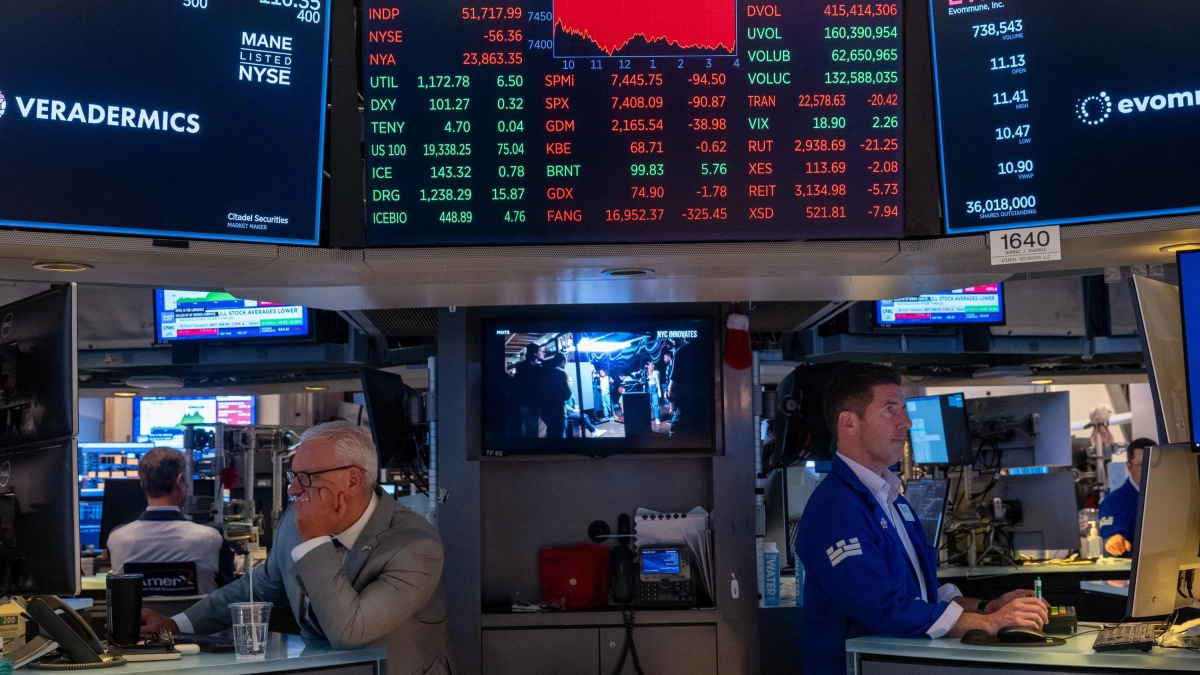
The Latin American financial landscape faced a day of profound volatility on Monday, October 26, 2026, as the aftermath of Brazil’s presidential election sent shockwaves through the region’s markets. Following the victory of Luiz Inácio Lula da Silva, who secured the presidency with 51.79% of the valid votes against Flávio Bolsonaro’s 48.21%, investors—who had largely priced in a victory for the opposition—responded with an aggressive sell-off of Brazilian assets.
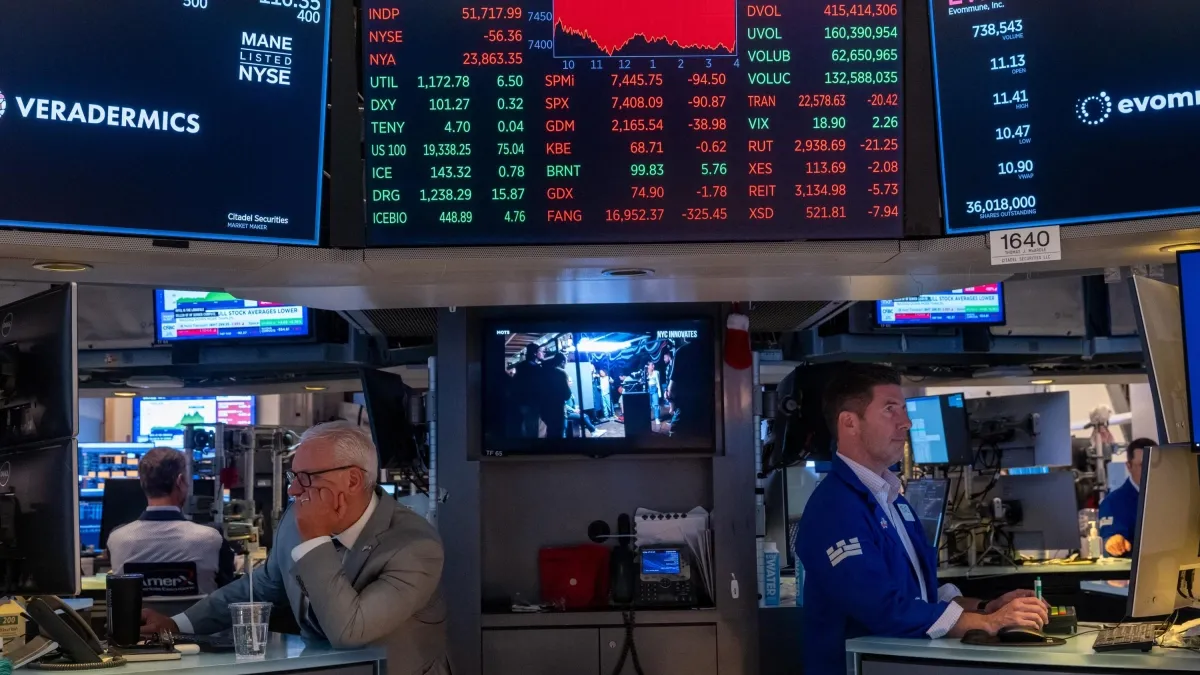
The reaction in São Paulo was historic. The Ibovespa index, the benchmark of the Brazilian stock market, suffered a staggering 13.88% collapse, closing at 176,608 points. This represented the steepest daily percentage decline for the exchange since the height of the global pandemic panic in March 2020. Conversely, while Colombia’s financial markets felt the tremors of the regional shift, the impact remained contained, with the Colcap index experiencing a modest retreat and the peso showing remarkable resilience against the greenback.
The Anatomy of the Crash: A Historic Day in São Paulo
The turbulence in Brazil was not merely a reaction to a change in leadership, but a comprehensive re-pricing of sovereign risk. As the election results solidified, the sell-off intensified so rapidly that the B3 exchange was forced to trigger its "circuit breaker" mechanism.
The Triggering of the Circuit Breaker
During the height of the trading session, the Ibovespa plummeted by more than 17%, reaching an intraday low of 169,516 points. This extreme downward momentum triggered a 30-minute suspension of all trading activities—the first time this emergency protective measure had been deployed in over six years. This pause served as a grim reminder of the fragility of investor sentiment in emerging markets when faced with unexpected political transitions.

Currency and Fixed Income Destabilization
The equity market was not the only casualty. The Brazilian real (BRL) experienced its most violent devaluation in over two decades, depreciating 8.36% against the U.S. dollar to close at 5.406. At the peak of the panic, the currency had plummeted by 12.52%, testing the 5.60 level.
Simultaneously, the fixed-income market signaled deep concern regarding future fiscal policy. The interest rate futures contract for January 2031 spiked by 254 basis points, settling at 15.185%. In bond markets, such a dramatic increase in yields reflects a market demanding a higher risk premium to hold debt denominated in local currency, fearing potential inflationary pressures or a deviation from current fiscal austerity measures under the new administration.

Chronology of the Volatility
The market instability followed a specific, fast-moving timeline that left analysts and institutional investors scrambling to recalibrate their portfolios:
- Sunday Night (Oct 25): Preliminary results confirm the victory of Luiz Inácio Lula da Silva. Futures markets in offshore centers immediately begin to discount the result, signaling a "risk-off" environment for the start of the week.
- Monday Morning (Oct 26): The Ibovespa opens with a massive gap down. The selling pressure is relentless, targeting major blue-chip stocks and banking sectors.
- Monday Mid-Day: The "circuit breaker" is triggered as the index hits the 17% loss threshold. Trading is halted for 30 minutes to allow the market to digest the outcome.
- Monday Close: The market settles at a 13.88% loss. The Real suffers an 8.36% depreciation, reflecting broad capital flight.
- Tuesday Morning (Oct 27): Markets attempt to find a floor. The Ibovespa opens with volatility, showing brief signs of recovery before succumbing to minor profit-taking and technical selling, ultimately closing down 0.51% at 175,710 points.
Regional Contagion: The View from Bogotá
While the Brazilian economy acted as the epicenter of the crisis, neighboring Colombia observed the fallout with a degree of detachment, though not without feeling the regional pressure. The Colcap index, representing the most significant companies on the Colombian Stock Exchange (BVC), retreated by 1.38% to finish at 2,505.04 points.
A Comparative Resilience
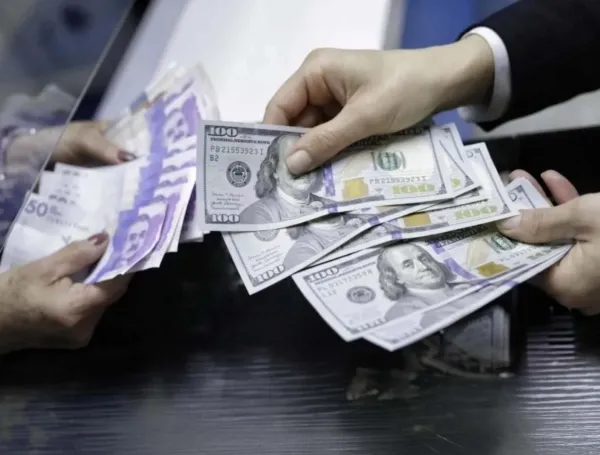
Unlike the dramatic fluctuations seen in São Paulo, the Colombian currency market remained remarkably stable. The U.S. dollar, which is the primary benchmark for foreign exchange in Colombia, dropped a mere 86 centavos to close at an average price of $3,157.57. This contrast is striking: while the real was being decimated by an 8% slide, the Colombian peso held its ground, effectively decoupling from the regional sell-off triggered by the Brazilian election.
However, the sentiment was not entirely immune. Within the Colombian market, particularly in the "Global Colombian Market" segment—where foreign equities are traded—investors reacted to the regional volatility. The stock of Nubank, a massive player in the Latin American fintech space, saw its price tumble by 16.98%, with trading volumes reaching $101.325 billion. This highlighted that while the Colombian macro-environment remained stable, exposure to Brazilian-linked companies led to significant individual asset losses.

Sector-Specific Performance
Within the BVC, the losses were distributed across key sectors:
- Energy/Commodities: Ecopetrol, the state-run oil giant, saw its shares dip by 1.61%.
- Financials: The preferred stock of Davivienda suffered a notable 3.83% decline, reflecting broader concerns about regional banking stability.
- Consumer Goods: Nutresa, conversely, bucked the trend, advancing 2.54%, suggesting a flight to defensive, domestic-focused assets among local investors.
Global Context and Future Implications
The shock of the Brazilian election is occurring at a critical juncture for the global economy. Investors are not only managing the political transition in South America but are also bracing for key policy decisions from the world’s most influential central banks.

Central Bank Watch
Markets are currently fixated on the upcoming policy meetings of the Federal Reserve (U.S.), the European Central Bank (ECB), and the Bank of Japan (BoJ). Consensus among analysts suggests that all three entities will opt to hold interest rates steady. In a period of high regional uncertainty, the "wait-and-see" approach from global central banks provides a fragile anchor for international markets. If the Fed were to signal a more hawkish stance, it could further exacerbate the capital flight from emerging markets, placing additional pressure on currencies like the Brazilian real and the Colombian peso.
The Long-Term Outlook
It is important to note that the events of Monday and Tuesday are snapshots of a highly reactive market environment. While the 13.88% drop in the Ibovespa is historic, market analysts warn against viewing a single day—or even a 48-hour window—as a definitive predictor of the long-term trend. The incoming administration in Brazil will likely face an immediate challenge in rebuilding trust with the international investor community.

For Colombia, the stability of the exchange rate suggests that investors are distinguishing between the idiosyncratic political risk of Brazil and the broader Latin American basket. However, the reliance on high commodity prices and the potential for shifts in regional trade policy remain key variables that could influence the Colcap and the peso in the coming months.
Conclusion
The events of October 26 and 27, 2026, serve as a stark reminder of the volatility inherent in Latin American financial markets during major political shifts. Brazil’s market correction was a visceral response to the uncertainty surrounding the future economic path of its new government. Colombia, meanwhile, demonstrated that while regional ties are strong, domestic resilience can provide a buffer against external shocks.

As the dust settles, the focus of the investment community will shift from the shock of the election to the substance of the policies implemented by the new administration in Brasilia. Until such time as there is clarity on fiscal policy, tax reform, and industrial regulation, market participants are expected to maintain a defensive posture, keeping volatility metrics at elevated levels. For now, the region waits—monitoring both the halls of power in Brazil and the policy committees of the world’s central banks—to determine the next phase of the market cycle.