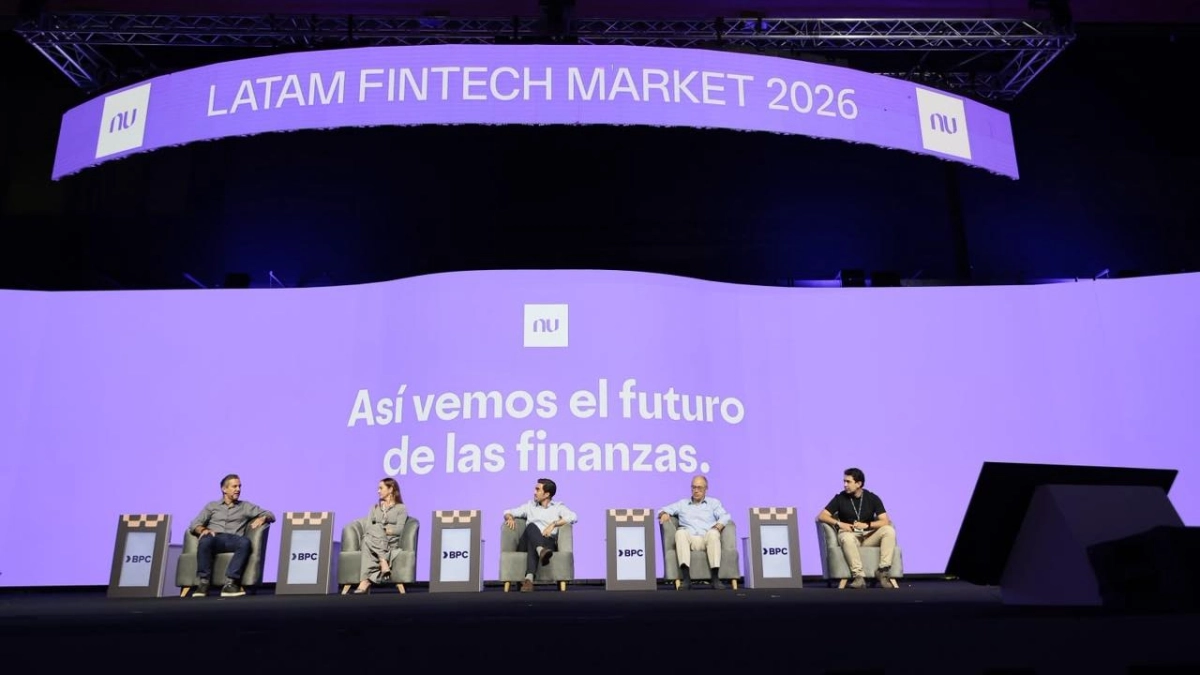
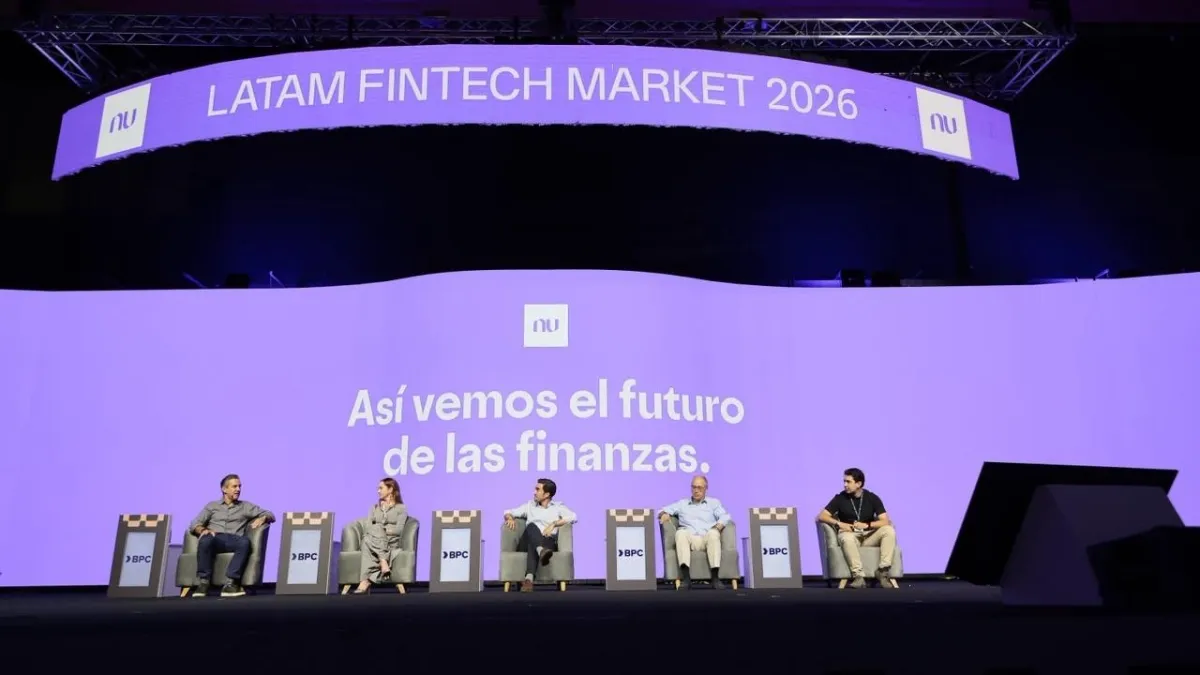
The Colombian financial sector is undergoing a profound metamorphosis. If the recent Latam Fintech Market, held this week in Barranquilla, served as a barometer for the industry, the verdict is clear: the era of "digital experimentation" has ended, and the era of "systemic disruption" has begun.
Colombia is no longer just observing the fintech revolution; it is actively fueling a multi-billion-peso expansion that challenges the traditional banking hegemony. From massive capital injections into AI-driven infrastructure to the aggressive encroachment into corporate banking, payroll management, and factoring, the nation’s financial ecosystem is pivoting toward a high-growth, high-stakes future.
The Strategic Shift: Moving Beyond the Smartphone
For years, the narrative surrounding fintech in Colombia centered on accessibility—the promise of bringing banking services to the underserved via mobile applications. While that mission remains core, the industry has graduated to a more sophisticated phase.
The current trend, evidenced by discussions in Barranquilla, shows that fintechs are no longer content with "peripheral" services. They are now encroaching on the core business models of legacy institutions. Credit origination, business treasury management, sophisticated factoring, and payroll services are now the battlegrounds where digital-native firms are fighting for market share.

This is not merely about convenience; it is about efficiency. By leveraging Artificial Intelligence (AI) and massive data sets, these companies are compressing the time and cost associated with financial transactions, forcing traditional banks to either digitize their legacy infrastructure at breakneck speeds or risk obsolescence.
Chronology of an Evolving Ecosystem
The rise of the Colombian fintech sector has been a steady climb, punctuated by milestone moments of maturity:

- 2021 – The Foothold: Nu Colombia initiates operations in the country, marking a turning point in user adoption of digital-first banking models.
- 2023 – The Infrastructure Phase: Focus shifts to integrating digital payment gateways and improving the UX/UI of banking applications.
- 2025 – The Scale-Up: A year of explosive growth in digital lending, with volume figures significantly outpacing previous annual benchmarks.
- 2026 – The Institutionalization (Current Status): The industry shifts toward corporate services, massive capital investment, and active lobbying for a comprehensive regulatory framework that includes crypto-assets and Open Finance.
Supporting Data: The Magnitude of the Digital Surge
The numbers revealed during the Latam Fintech Market underscore the velocity of this transition.
Capital Commitments
Colombia Fintech, the industry association representing over 360 companies, announced a staggering 4 trillion pesos in planned investments for 2027. This capital is earmarked for operational expansion, technological upgrades, and the further democratization of financial services.

Simultaneously, the giant of the sector, Nu Colombia, unveiled a massive five-year plan. Between 2026 and 2030, the company intends to invest 5 trillion pesos to bolster its data capabilities, AI research, and new product development. Currently, Nu serves 5 million customers in Colombia, holding over 11 trillion pesos in deposits, and boasts coverage across 95% of the nation’s municipalities.
Credit Origination Dominance
Perhaps the most striking indicator of the shifting power balance is in the credit market. Between January and July 2026, fintechs were responsible for 5.2 million of the 7.5 million credit operations backed by the FGA (Fondo de Garantías). This represents a 70% share of the total market volume. These companies moved 3.3 trillion pesos in loans in just seven months, with an average loan size of 600,000 pesos, primarily targeting the retail and commercial sectors.

Corporate Expansion
Lulo Bank’s recent push into "Lulo Empresas" signals a direct assault on the corporate banking sector. With 194 companies already integrated and over 500 billion pesos moved in third-party payments, the platform is proving that the efficiency of digital-native processes is highly attractive to business owners. The potential here is massive: the DIAN reported over 15 trillion pesos in electronic invoices registered by late July, representing a massive untapped market for digital factoring and financing.
Official Responses and Industry Vision
During the summit, leadership from key organizations emphasized that the goal is not just profit, but responsible inclusion.

Gabriel Santos, Executive President of Colombia Fintech, stated: "This announcement [the 4 trillion-peso investment] represents the sector’s commitment to the development of Colombia and reflects the profound trust placed in us by millions of customers. We are building the financial backbone of the future."
David Vélez, founder and president of Nu, reflected on the company’s trajectory: "In five years, we went from zero to five million clients, many of whom had no previous access to credit. Our goal for the coming years is to establish ourselves as one of the country’s leading financial institutions."

Johanna Neira, VP of Business at FGA, highlighted the social dimension of these tools: "True financial innovation is not just about approving a loan in minutes. It is about ensuring that the ‘yes’ reaches people who previously encountered only closed doors, and doing so in a responsible, sustainable way."
Implications: The Regulatory Crossroads
As the industry scales, it is hitting the inevitable friction of outdated regulatory frameworks. The sector’s rapid growth is currently testing the limits of Colombian law, and during the Barranquilla summit, a clear list of demands was presented to the government:

- Strengthening "Bre-B": The industry is calling for the removal of transaction caps and the inclusion of state payments within the digital ecosystem to improve government-to-citizen efficiency.
- The 4×1,000 Tax: There is a consensus that the gradual phase-out of this tax is essential to encourage digital transactions and reduce the cost of financial inclusion.
- Open Finance and Crypto-Regulation: The sector is pressing for a defined legal framework for crypto-assets. With an estimated six million Colombians utilizing crypto-assets—largely driven by the adoption of stablecoins—the lack of regulation is viewed as a significant systemic risk and a missed opportunity for the country to become a regional leader in Web3 finance.
- Methodological Reform: Fintechs are calling for a revision of how "current banking interest" is calculated, arguing that the traditional metrics do not reflect the risk profiles or the diverse product offerings of digital-native platforms.
Conclusion: The Path Ahead
The 2026 Latam Fintech Market was more than just a gathering of industry leaders; it was a declaration of independence from traditional, slow-moving financial models. The shift from retail-focused mobile apps to enterprise-wide financial solutions signifies that the industry is ready to take responsibility for the broader economic health of the country.
However, the "new stage" of the industry will be determined by the quality of the dialogue between the private sector and regulators. As fintechs prepare to deploy billions of pesos in capital, they are looking for a clear, predictable, and modern legal landscape. If Colombia can provide that, it is well-positioned to cement its status as a premier fintech hub in Latin America, bridging the gap between historical exclusion and a future of inclusive, data-driven prosperity.

The pressure is now on the regulators to match the speed of the innovators. As the industry moves, so too must the rules of the game. The coming years will be defined by whether the government embraces this digital transformation as a strategic asset or allows it to be stifled by the inertia of tradition.