By Edwin Caicedo, Environmental and Health Correspondent
Introduction: A Tense Transition in the Andes
As the administration of President Gustavo Petro enters its final three weeks, a storm of controversy has erupted in the province of Soto Norte, Santander. Social, communal, and mining organizations have launched a vigorous rejection of three new resolutions issued by the Ministry of Environment regarding the Santurbán páramo complex.
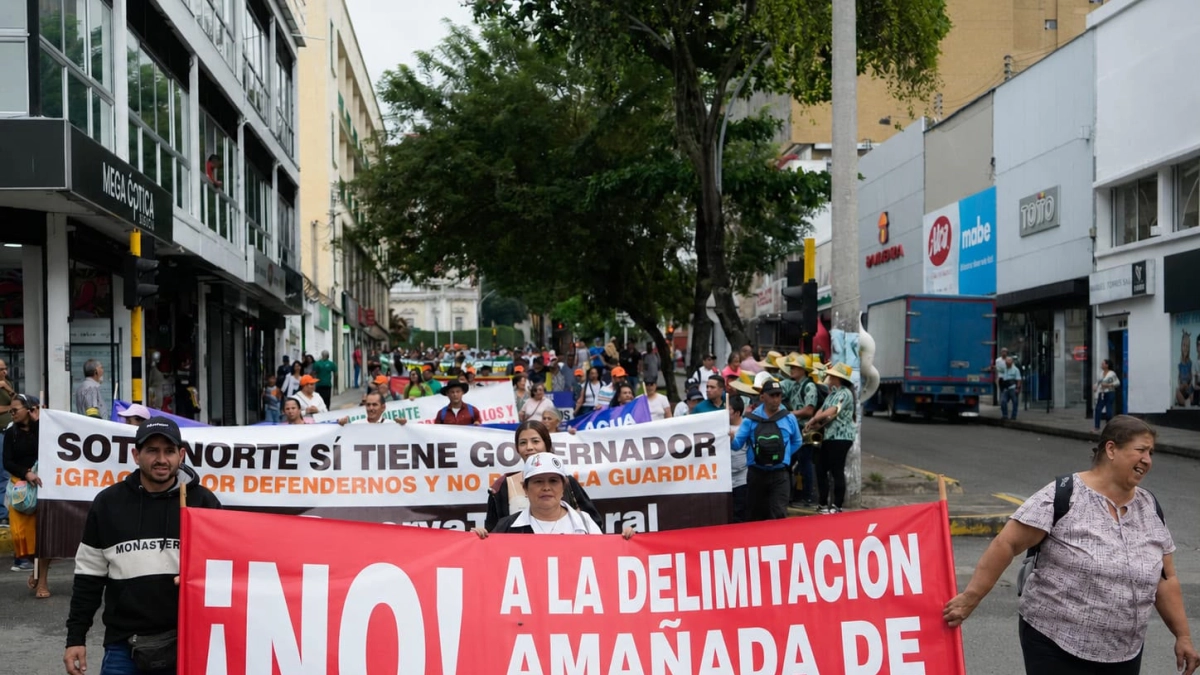
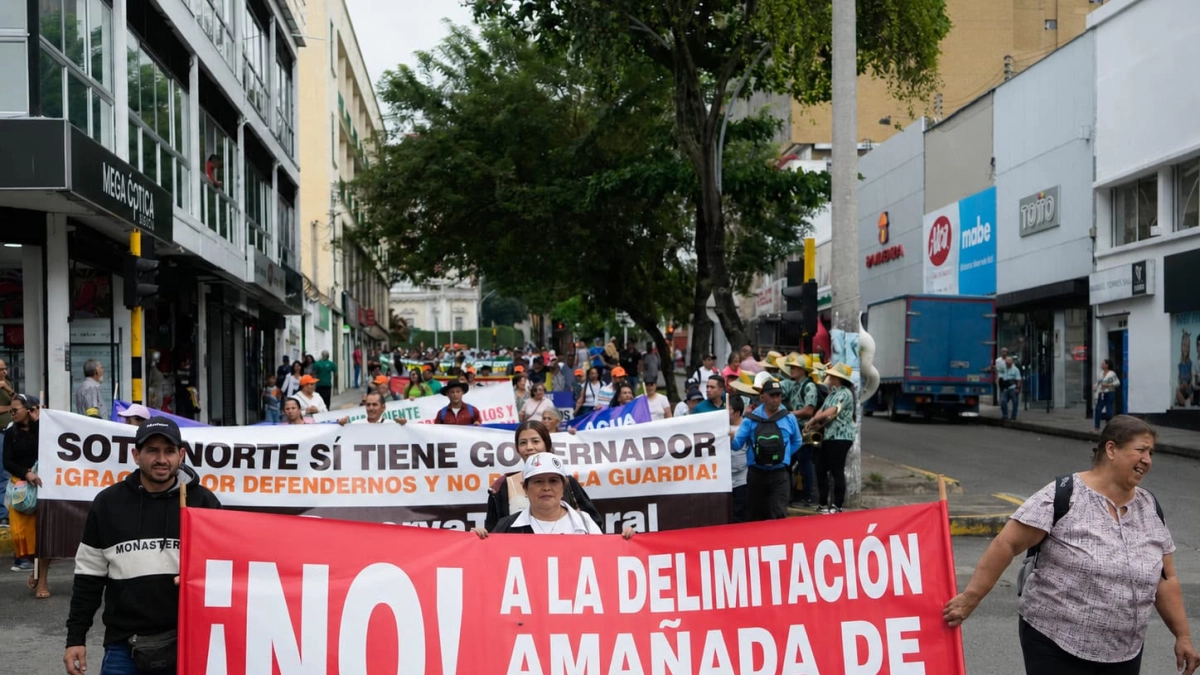
The measures, announced on July 15, 2026, have been labeled by local leaders as "politically motivated" and legally questionable. According to the coalition of stakeholders—which includes small-scale miners and formal titleholders—these decisions threaten the stability of legal mining, violate fundamental rights to public participation, and, ironically, create a power vacuum that could facilitate the expansion of illegal mining operations.
The Core Conflict: Three Resolutions Under Scrutiny
The tension centers on three specific regulatory instruments pushed by the Ministry of Environment, led by Acting Minister Irene Vélez. The stakeholders argue that these decisions were reached behind closed doors, bypassing the necessary consultation processes required by national law and international agreements such as the Escazú Agreement.

1. The "Progressive Delimitation" of Santurbán
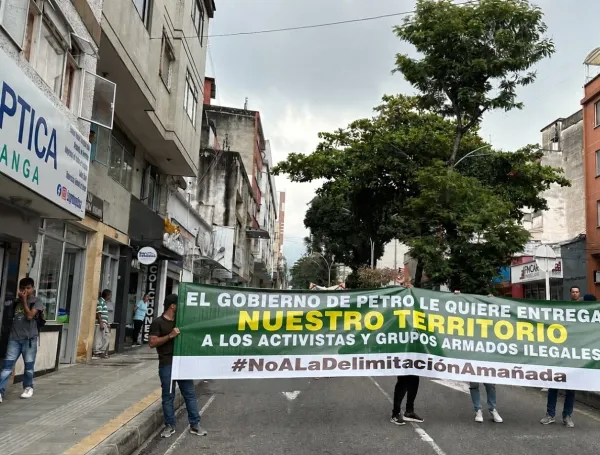
The most contentious measure is the so-called "progressive delimitation" of the Santurbán páramo. The Ministry’s move has drawn sharp criticism because, as recently as 2023, the same ministry had argued that such a mechanism was legally unviable and environmentally flawed. In formal communications to the Administrative Tribunal of Santander, the government had previously stated that a partial delimitation would ignore the mandates established by the Constitutional Court in Sentence T-361 of 2017. That ruling requires a comprehensive, integrated consultation process involving all 40 municipalities across Santander and Norte de Santander.
2. The Declaration of a Permanent Reserve Zone in California
The Ministry has declared a "Permanent Reserve Zone" in the municipality of California, Santander. Local community members assert that this was done without prior consultation, effectively stripping the inhabitants of their say in the land-use policies that directly impact their livelihoods. Beyond the procedural flaws, the technical basis of this declaration is being challenged. Critics cite a report from the Colombian Geological Service (Servicio Geológico Colombiano) that they characterize as non-conclusive and technically flawed.
3. The Extension of the Temporary Reserve Zone
Finally, the government has extended the "Temporary Reserve Zone" until 2029. This extension prolongs the state of uncertainty for six municipalities—most notably Vetas—whose economies are inextricably linked to mining. Stakeholders argue that since the implementation of these temporary zones, legal mining has been systematically displaced, while illegal armed groups have exploited the lack of regulatory clarity to continue their environmentally destructive practices.
Chronology of the Dispute: From Dialogue to Confrontation
The path to the current standoff has been marked by years of legal battles and broken promises.
- 2017: The Constitutional Court issues Sentence T-361, mandating that the delimitation of Santurbán must be the result of a rigorous, participatory, and scientific process.
- 2023: The Ministry of Environment informs the Administrative Tribunal of Santander that a "partial" or "progressive" delimitation is not legally permissible, citing the complexity of the ecosystem and the need for a unified approach.
- Early 2026: Discussions on the future of the páramo stall, leading to frustration among the local population.
- July 2026: With only weeks left in the Petro administration, the Ministry holds a "quick concertation" meeting in a private hotel in Bucaramanga. Stakeholders claim this meeting excluded the very communities affected by the measures.
- July 14, 2026: President-elect Abelardo de la Espriella announces plans for new, international technical studies to address the impasse, signaling a departure from the current administration’s approach.
- July 15, 2026: The Ministry of Environment releases the three controversial resolutions, sparking immediate condemnation from regional leaders.
Stakeholder Perspectives: The Human Impact
Ivonne González, president of Asomineros Vetas and a key representative for the Pomca del Alto Lebrija, has been a vocal critic of the government’s maneuver.
"We are deeply concerned," González stated during a press briefing in Bucaramanga. "With these three resolutions, the government is effectively handing over the Santurbán páramo to criminal interests. By attacking formal, legal mining, they are not protecting the water; they are clearing the field for illegal actors who do not follow environmental regulations."
González emphasizes that the small-scale miners in the region are not against environmental protection; rather, they seek a path to formalization that allows them to sustain their families while adhering to environmental standards. "What we are seeing is a political ‘tantrum’ by those who thought they would remain in power," she added, highlighting the perceived urgency to push through these measures before the change of government.
Implications: The Legal and Environmental Fallout
The implications of these resolutions extend far beyond the immediate frustration of the mining sector. They represent a significant test for the rule of law in environmental governance.
Legal Challenges
The coalition of mining and community organizations has announced a multi-pronged legal strategy. They intend to file complaints against the acting minister and other involved officials for:
- Fraud to judicial resolution: Alleging that the government is ignoring the specific mandates of the Constitutional Court.
- Prevarication: Claiming that officials have knowingly acted against the law in the performance of their duties.
- Abuse of authority and overstepping functions.
The "Illegal Mining" Paradox
One of the most alarming arguments presented by the local leaders is the unintended consequence of the government’s policy. By creating a "Permanent Reserve Zone" and extending "Temporary Zones" without offering a viable path for the transition of legal miners, the government creates a void. In this void, illegal mining—often linked to organized crime and armed groups—thrives, as it operates outside the legal frameworks that the government is currently making "impossible" for the legitimate sector to follow.
The Institutional Call to Action
The organizations have issued a formal appeal to the Office of the Inspector General (Procuraduría General de la Nación), the Ombudsman’s Office (Defensoría del Pueblo), and the Government of Santander. They are demanding an immediate intervention to halt the implementation of these resolutions, citing a gross violation of due process and the rights of the inhabitants of Soto Norte to participate in decisions that will dictate their future for years to come.
Looking Ahead: The Transition to the De la Espriella Administration
The timing of these resolutions is particularly sensitive. With President-elect Abelardo de la Espriella set to take office in early August, the decision to finalize these measures now is seen by many analysts as a "poison pill" designed to constrain the incoming administration.
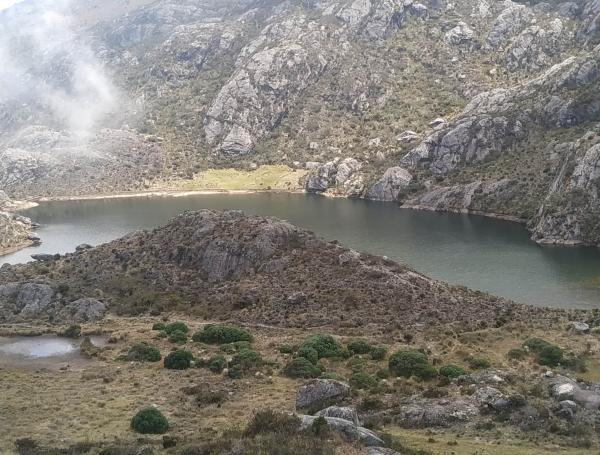
The incoming government has signaled a preference for international, evidence-based technical studies. Whether these new studies will be able to reconcile the deeply entrenched positions of environmentalists, miners, and local communities remains to be seen. However, the current impasse serves as a stark reminder of the complexity of the Santurbán issue: a region where the struggle for economic survival, environmental integrity, and political legitimacy collide in one of the most sensitive ecosystems in the Andes.
As the legal battles commence, the eyes of the nation remain fixed on Santander. The final outcome of this dispute will not only define the future of the Santurbán páramo but will also set a precedent for how the Colombian state manages the delicate balance between natural resource conservation and the rights of the communities that have lived in these mountains for generations.