Introduction: The Return of Holiday Baking and the Quest for Balance
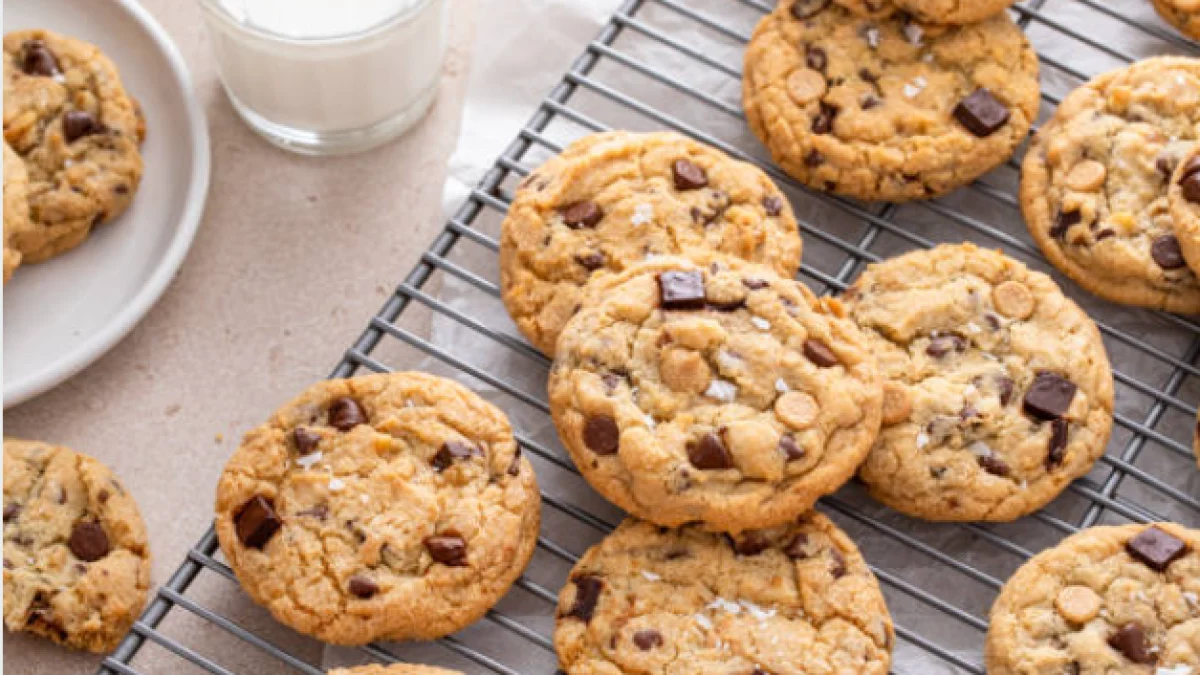
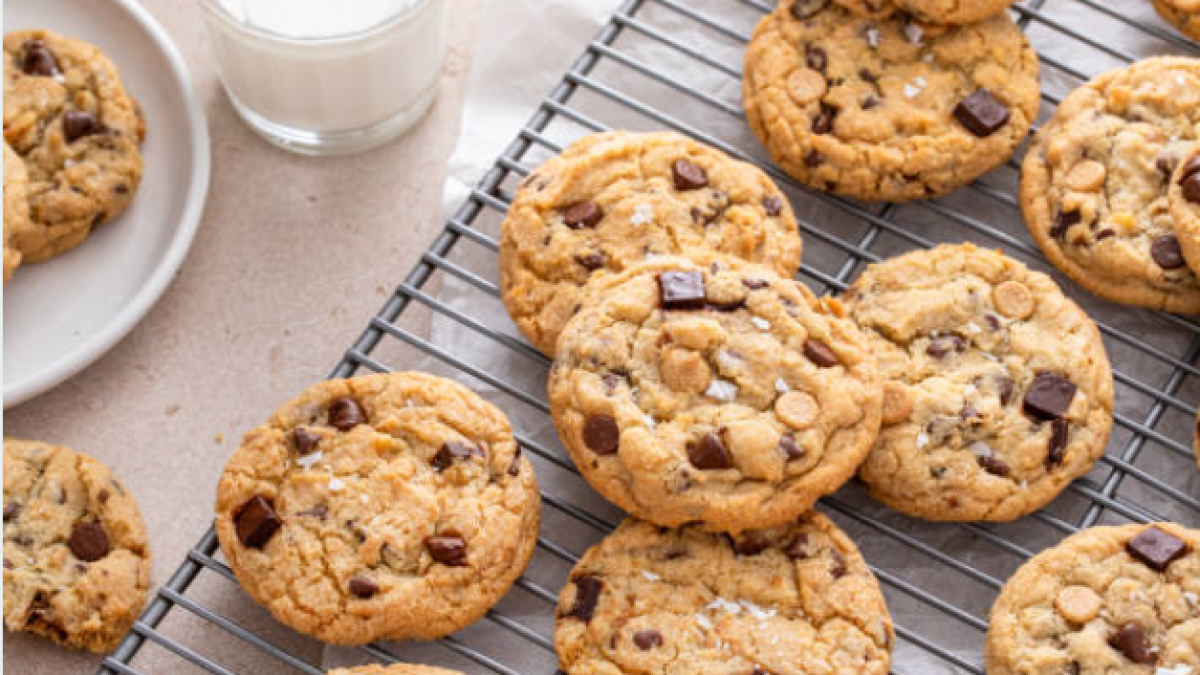
As the winter holidays approach, homes around the world undergo a magical transformation. The crisp air outside is met with the comforting, unmistakable aromas of cinnamon, nutmeg, and freshly baked goods wafting from the kitchen. Among the most cherished traditions of this festive season is the preparation of homemade sweets, particularly cookies. Sharing these sweet treats with family, neighbors, and friends is a cornerstone of holiday celebrations, symbolizing warmth, hospitality, and togetherness.
However, the holiday season also presents a well-known challenge: maintaining health and nutritional balance amidst an abundance of rich foods, processed sweets, and calorie-dense industrial snacks. Traditional holiday baking often relies on refined flours, massive quantities of white sugar, and saturated fats, which can leave people feeling sluggish and working against their long-term health goals.
Fortunately, a growing culinary and nutritional movement is transforming how we approach holiday treats. By turning to homemade alternatives that incorporate wholesome ingredients—such as whole-grain flours, fiber-rich oats, healthy fats from nuts, and natural sweeteners—families can enjoy the rich flavors of the season while nourishing their bodies. This shift not only supports physical well-being but also reconnects us with the mindful, therapeutic art of cooking from scratch.
Main Facts: The Nutritional Shift in Festive Baking
The core of this seasonal shift lies in conscious ingredient selection. When baking cookies and other treats at home, individuals have complete control over the quality and nutritional profile of what they consume.
The Industrial Problem: Store-bought holiday cookies and mass-produced festive snacks are typically loaded with refined carbohydrates, artificial preservatives, trans fats, and hidden added sugars. These ingredients can cause rapid spikes in blood sugar, contribute to systemic inflammation, and offer little to no sustained nutritional value.
The Homemade Advantage: By replacing refined white flour with whole-grain or alternative flours (such as oat, almond, or whole wheat), bakers instantly increase the fiber content of their treats. Fiber is essential for digestive health, promotes satiety, and prevents blood sugar crashes.
Natural Sweeteners and Healthy Fats: Swapping out refined white sugar for alternatives like honey, pure maple syrup, or natural fruit purees introduces complex flavors along with trace minerals and antioxidants. Similarly, incorporating plant-based oils, seeds, and raw nuts introduces heart-healthy monounsaturated and polyunsaturated fats, including omega-3 fatty acids.
This deliberate choice transforms a standard indulgence into a balanced, nutrient-dense snack that satisfies sweet cravings without the guilt or adverse health effects of ultra-processed alternatives.
Chronology: The Evolution of Home Cooking and Public Health Awareness
To understand why a return to home baking is gaining such strong momentum today, it is helpful to look at the historical timeline of culinary habits and nutritional research.
Mid-to-Late 20th Century: The Rise of Convenience Foods
The Industrial Boom: Following the post-WWII era, the food industry experienced a massive boom in convenience foods. Pre-packaged mixes, frozen doughs, and ready-to-eat industrial baked goods flooded supermarkets, marketed as time-saving solutions for busy families.
The Dietary Shift: Over the decades, reliance on home-cooked meals steadily declined. Cooking from scratch shifted from an everyday necessity to an occasional hobby or weekend activity, leading to a concurrent rise in the consumption of processed foods high in sodium, trans fats, and added sugars.
2015: The Johns Hopkins University Milestone
The Public Health Study: A watershed moment for modern nutrition came in 2015, when researchers at the prestigious Johns Hopkins Bloomberg School of Public Health published a landmark study in the journal Public Health Nutrition.
The Findings: The study analyzed dietary habits and cooking frequencies, revealing a profound correlation between home cooking and overall nutritional quality. Specifically, the research demonstrated that individuals who frequently prepare meals at home consume significantly fewer calories, less sugar, and lower amounts of unhealthy fats than those who rely primarily on dining out or consuming pre-packaged, industrial foods. This study laid the empirical foundation for modern campaigns promoting home cooking as a vital preventive health measure.
Present Day: The Conscious Holiday Movement
Digital Awareness and Culinary Education: Today, culinary platforms, nutritionists, and media outlets (such as the lifestyle publication Saber Vivir) actively champion the findings of the 2015 study, applying them specifically to seasonal celebrations.
The Modern Approach: As consumers become increasingly health-conscious, the winter holidays are no longer viewed as a "free pass" to abandon healthy habits entirely. Instead, the current culinary zeitgeist focuses on adaptation—reimagining classic holiday recipes so they align with wellness goals without sacrificing flavor or festive joy.
Supporting Data: The Science Behind Home Cooking and Wholesome Ingredients
Scientific research and nutritional data strongly support the transition toward whole-food, home-baked holiday treats. Understanding the biochemical impact of specific ingredients sheds light on why these alternative recipes are so beneficial.
1. The Power of Cooking at Home
According to data referenced from the Johns Hopkins University study, regular home cooking acts as a natural shield against the pitfalls of the modern diet. When people cook at home:
They inherently practice portion control and ingredient transparency.
They avoid the hidden additives, flavor enhancers, and high-fructose corn syrups commonly embedded in commercial baked goods.
They foster a psychological connection to their food, which encourages more mindful eating habits during festive gatherings where overindulgence is common.
2. Functional Ingredients in Healthier Cookies
The recipes highlighted for this holiday season are packed with functional ingredients—foods that offer health benefits beyond basic nutrition:
Oats (Avena): Rich in a soluble fiber called beta-glucan, oats have been extensively shown to help lower cholesterol levels, improve heart health, and promote stable blood sugar regulation.
Nuts (Almonds and Walnuts): Walnuts are exceptionally rich in alpha-linolenic acid (ALA), a plant-based omega-3 fatty acid crucial for cardiovascular health. Almonds provide a robust dose of Vitamin E, a potent antioxidant that protects cells from oxidative stress.
Spices (Cinnamon and Ginger): Cinnamon is renowned for its ability to improve insulin sensitivity and help stabilize blood glucose levels after a meal. Ginger contains gingerol, a bioactive compound celebrated for its powerful anti-inflammatory and digestive-soothing properties.
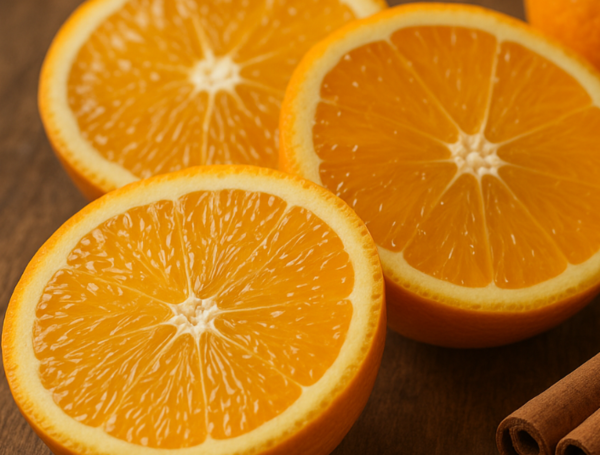
Citrus and Fruit Purees: Incorporating fresh orange zest, juice, or natural apple puree adds natural moisture, vibrant flavor, and essential micronutrients (like Vitamin C), drastically reducing the need for added butter, oils, or refined sugars.
Official Responses and Expert Perspectives
Nutritional experts, culinary artists, and public health advocates universally endorse the practice of mindful, home-based holiday baking.
Dietitians and Nutritionists
Registered dietitians emphasize that the secret to a healthy holiday season is not deprivation, but substitution and moderation.
"The winter holidays are an integral part of our social and cultural fabric; we should never approach them with a sense of punishment or strict restriction," notes a leading clinical nutritionist. "Instead, the goal is empowerment. By baking at home using whole-grain flours, healthy fats, and natural sweeteners, we reclaim control over our nutrition. We can enjoy every single bite knowing that our food is actively supporting our vitality rather than draining it."
Public Health Advocates
Public health organizations frequently point out that lifestyle-related metabolic conditions are heavily influenced by the cumulative impact of daily dietary choices. Encouraging families to spend time together in the kitchen preparing wholesome meals and snacks serves a dual purpose: it strengthens familial bonds and passes down healthy nutritional habits to younger generations. Furthermore, the act of baking from scratch reduces household reliance on single-use plastics and packaging associated with commercial snack foods, offering a secondary benefit for environmental sustainability.
Implications: Transforming Holiday Culture for Long-Term Wellness
The movement toward healthier, balanced holiday baking carries profound implications for individuals, families, and society at large.
1. Shifting the Holiday Mindset
For generations, the cultural narrative surrounding holiday food has been polarized: either strictly diet-restricted sadness or uninhibited, regret-inducing indulgence. Embracing nutritious, home-baked alternatives bridges this gap. It proves that food can be simultaneously decadent, deeply comforting, and radically nourishing. This mindset shift reduces holiday stress and prevents the common January cycle of harsh crash diets and weight-loss anxiety.
2. Strengthening Family and Community Bonds
Cooking is fundamentally a communal activity. In an era dominated by screens and fast-paced digital lives, gathering in the kitchen to measure, mix, shape, and bake cookies creates invaluable space for connection. Involving children in the process teaches them practical culinary skills, introduces them to the value of whole foods, and builds lasting positive memories associated with healthy eating habits.
3. Long-Term Metabolic Health
While a single holiday season will not make or break a person’s health, the habits formed during these months often set the tone for the entire year. By normalizing the consumption of fiber-dense, low-glycemic, antioxidant-rich treats during festive gatherings, individuals train their palates to appreciate natural sweetness and wholesome textures. Over time, this reduces cravings for ultra-processed foods, leading to sustained improvements in metabolic health, sustained energy levels, and overall physical well-being.
Bonus: Three Wholesome Holiday Cookie Recipes to Try at Home
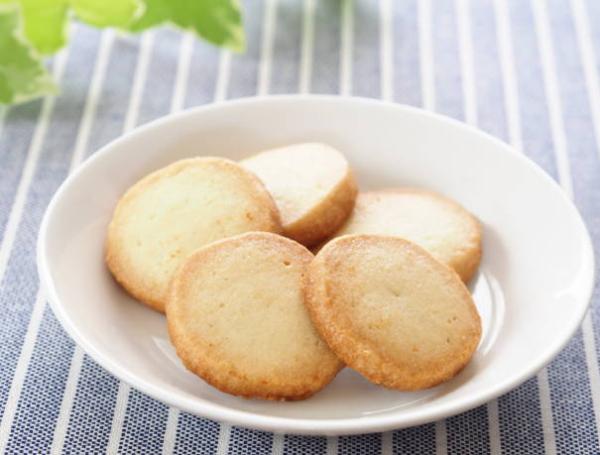
To help you put these principles into practice, here are three delicious, nutrient-dense, and balanced cookie recipes designed to bring warmth, flavor, and wellness to your holiday table.
1. Oat, Almond, and Orange Festive Cookies
Nutritional Profile: Rich in dietary fiber, Vitamin E, and powerful citrus antioxidants.
Key Ingredients: Rolled oats, almond flour, fresh orange zest, a splash of freshly squeezed orange juice, coconut oil, and a touch of raw honey or maple syrup.
Preparation: Combine the dry ingredients with the wet mixture until a dough forms. Shape into small cookies and place on a lined baking sheet. Pre-heat your oven to 180°C (350°F) and bake for 10 to 12 minutes, or until the edges turn a delicate golden brown. Allow to cool before serving.
2. Whole-Grain Oat and Walnut Spiced Cookies
Nutritional Profile: Packed with heart-healthy omega-3 fatty acids from walnuts and blood-sugar-stabilizing Ceylon cinnamon.
Key Ingredients: Whole-grain oat flour, chopped raw walnuts, ground cinnamon, a pinch of sea salt, plant-based milk, and unrefined coconut sugar.
Preparation: Mix the ingredients thoroughly to incorporate the walnuts evenly throughout the dough. Pre-heat your oven to 175°C (345°F) and bake on a parchment-lined tray for 12 to 14 minutes. These cookies offer a wonderful crunch and a deeply comforting autumn-winter aroma.
3. Apple, Ginger, and Oat Soft-Baked Cookies
Nutritional Profile: Features natural fruit moisture, sweet notes of apple, and the anti-inflammatory power of fresh ginger and cinnamon.
Key Ingredients: Rolled oats, unsweetened natural apple puree (applesauce), freshly grated ginger, ground cinnamon, a dash of vanilla extract, and crushed pecans.
Preparation: Whisk the apple puree, vanilla, and spices together before folding in the oats and pecans. The apple puree provides natural moisture, eliminating the need for excessive butter. Pre-heat your oven to 175°C (345°F) and bake for 12 to 15 minutes until set. Enjoy these soft, aromatic cookies alongside a warm cup of herbal tea or spiced cider.
Conclusion
The winter holidays are a time for celebration, gratitude, and sharing love with those who matter most. By embracing healthier baking alternatives, we no longer have to choose between enjoying festive traditions and maintaining our health. Through mindful ingredient choices, a return to home cooking, and a passion for wholesome nutrition, this holiday season can be our sweetest—and healthiest—yet.
By Edwin Caicedo | Environmental and Health Journalist Published: September 7, 2026 Main Facts: The Physics and Chemistry Behind the Golden Crust For generations, home cooks and seasoned chefs alike have sworn by an unconventional…
By Global Trends Desk Published: September 5, 2026 In an era where modern living often disconnects individuals from natural rhythms, millions of households are returning to ancestral traditions to bring a sense of balance, calm,…
By Edwin Caicedo Environment and Health Journalist Updated: April 26, 2026 Main Facts The environmental institutional framework of Colombia is facing an unprecedented institutional and humanitarian crisis. Following a devastating wave of violence that struck…