By Editorial Staff
September 22, 2026
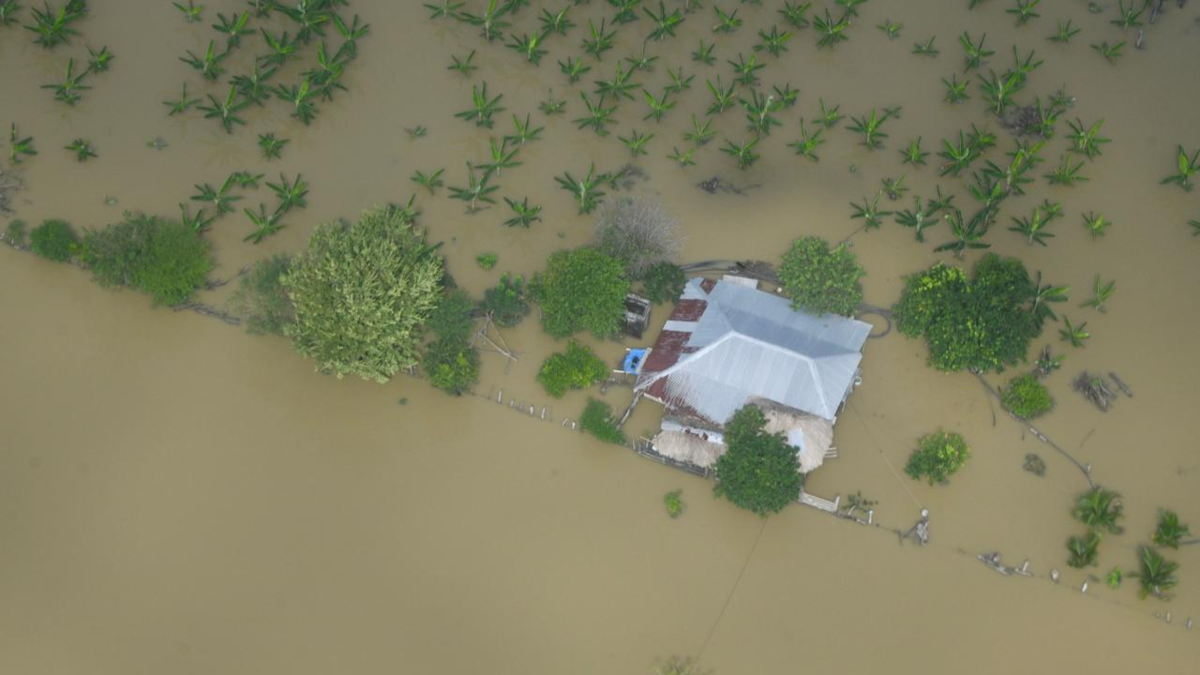
More than a month after a devastating earthquake struck the Chocó region and neighboring areas of Colombia, the true scale of the tragedy is beginning to crystallize. As the initial chaos of the emergency response gives way to the arduous reality of long-term recovery, international organizations and the Colombian government are grappling with a reconstruction effort of unprecedented complexity.
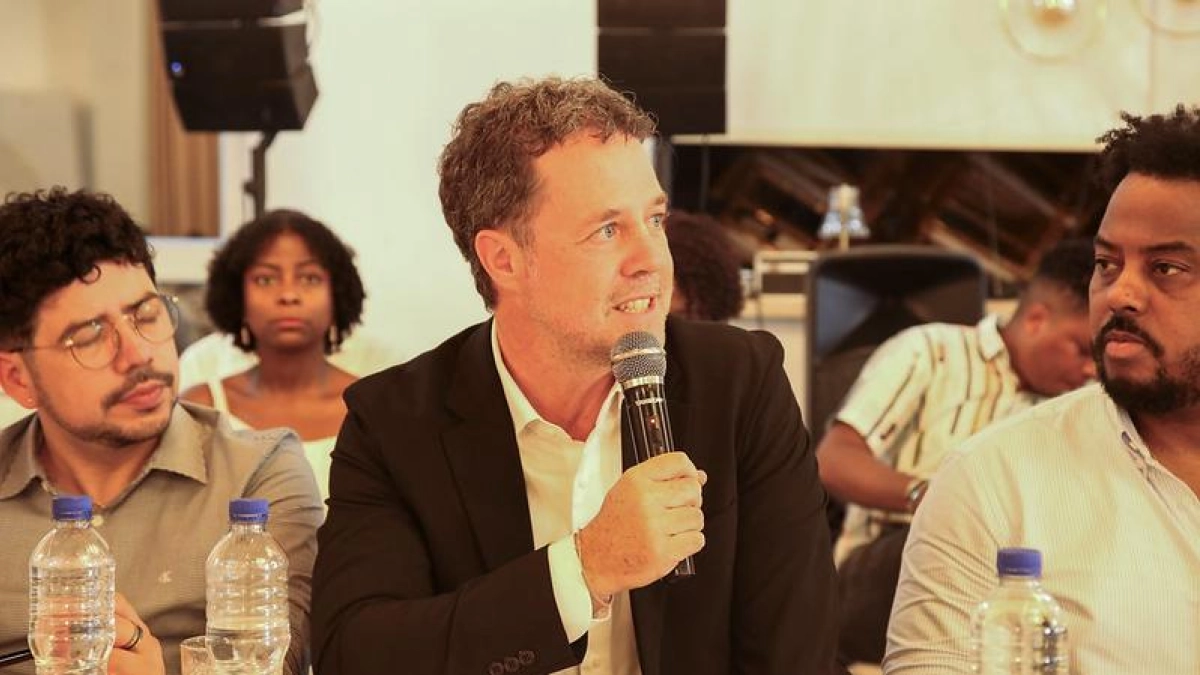
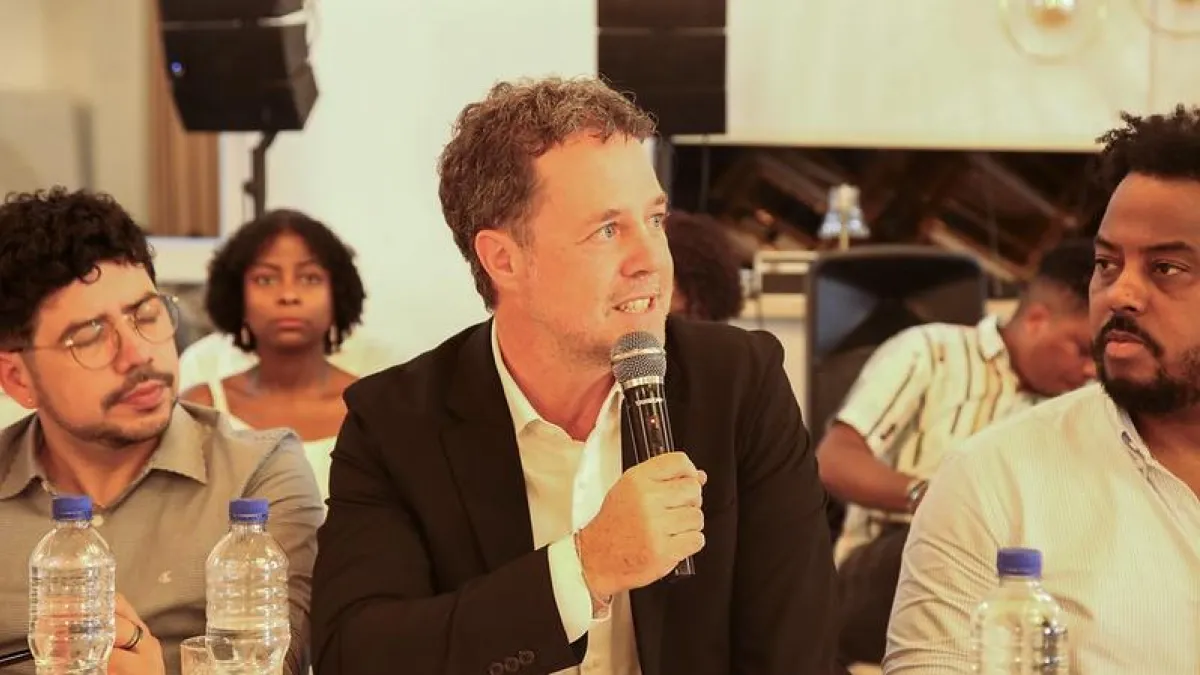
Claudio Tomasi, the Resident Representative of the United Nations Development Programme (UNDP) in Colombia, has provided a sobering assessment of the situation. While current figures remain preliminary, they serve as a critical baseline for what promises to be one of the most significant infrastructure and social recovery projects in the nation’s recent history.
The Magnitude of the Disaster: Preliminary Findings
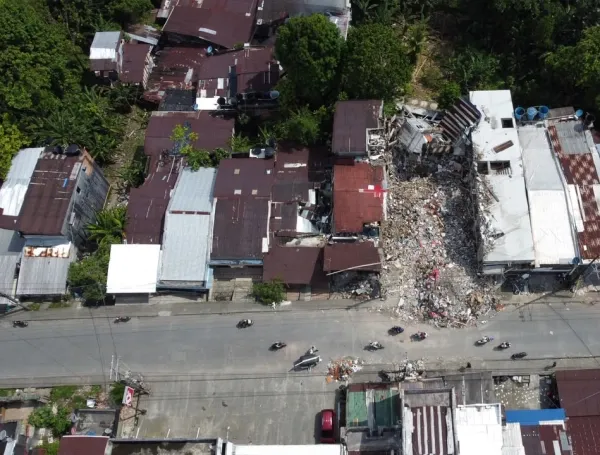
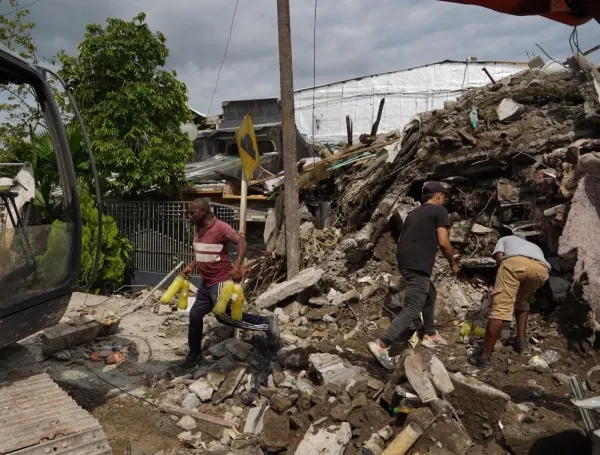
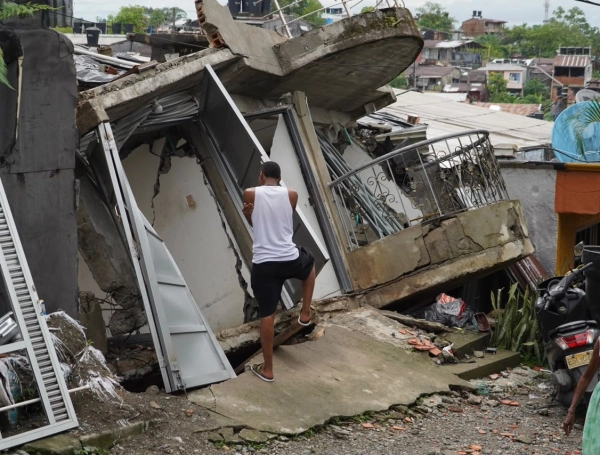
According to a UNDP assessment conducted with data cut-offs as of August 27, 2026, the physical damage to infrastructure is estimated at 42.1 trillion Colombian pesos. Beyond the financial cost, the sheer volume of debris—calculated at 16.9 million cubic meters—presents a massive logistical hurdle that must be cleared before meaningful reconstruction can begin.

It is important to note that these figures, as highlighted by Tomasi, represent only the physical damage to structures. They do not yet account for the profound economic losses, the long-term impact on household livelihoods, or the immeasurable human suffering that has displaced communities across the department. These critical variables are currently being integrated into the Evaluación de Daños, Análisis de Necesidades, Pérdidas, Riesgos Asociados e Impactos (EDANPRI), an comprehensive evaluation currently being spearheaded by the Colombian government.
Chronology of the Response and the Role of EDANPRI
In the immediate aftermath of the seismic event, the Colombian government requested the support of the UNDP to coordinate a technical response. Working in close collaboration with the National Unit for Disaster Risk Management (UNGRD), the UNDP utilized geospatial modeling and national databases to map the initial impact.
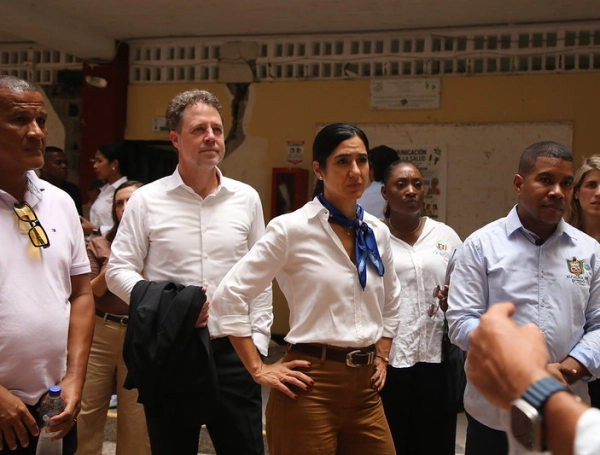
The current phase involves the transition from immediate rescue to the systematic application of the EDANPRI framework. This methodology is designed to provide a granular, sector-specific view of the disaster, which is essential for informed decision-making.
- August 2026: Initial rapid assessments identify the primary impact zones and estimate the volume of rubble and structural failures.
- September 2026: The UNDP assumes the role of Technical Secretariat and methodological lead for the EDANPRI, aiming to harmonize disparate diagnostics into a unified recovery plan.
- October 7, 2026: The target date for the delivery of a comprehensive, validated diagnosis of damages and losses.
- November 4, 2026: The scheduled submission of the Specific Action Plan (PAE) for Recovery, which will align reconstruction efforts with the broader National Development Plan for 2026–2030.
Supporting Data: A Multi-Sectoral Crisis
The damage is not confined to one sector, and the UNDP has identified three primary fronts that require simultaneous and urgent intervention:
- Housing and Essential Services: Beyond merely rebuilding houses, this pillar focuses on the sustainable management of millions of cubic meters of debris and the restoration of water, electricity, and sanitation networks.
- Economic Recovery: The earthquake has devastated local commerce. The priority is to revive small businesses, restore local market supply chains, and support informal workers whose livelihoods have been completely disrupted.
- Social Infrastructure and Institutional Strengthening: This encompasses the reconstruction of schools, healthcare facilities, and judicial offices, as well as the need to rebuild social cohesion and institutional capacity in a region that already faced significant developmental hurdles.
Moving Beyond "Lifting What Fell": A Call for Transformation
Claudio Tomasi has been categorical in his interviews: "Rebuilding is not just about lifting what fell." The UNDP’s perspective is that this tragedy must serve as a catalyst to address the structural vulnerabilities that plagued Chocó long before the earth shook.
"The recovery must not reproduce the vulnerabilities that existed before the quake," Tomasi explained. He argues that true success will be measured by the ability to close historic regional gaps. This means providing permanent, sustainable access to water, healthcare, energy, and connectivity. Furthermore, the recovery process must be inclusive, ensuring that Afro-Colombian and Indigenous communities are not mere beneficiaries, but active participants in the design, execution, and oversight of every project.
The goal is to transform the regional infrastructure into something more resilient, effectively turning a moment of extreme trauma into an opportunity to build a more equitable future.
Official Responses and the Financial Architecture
The question of how to fund this massive reconstruction is at the forefront of the government’s agenda. While specific budget allocations are still being finalized, it is expected that the funding architecture will be built around the "Fondo Milagro," a central vehicle for managing the massive influx of resources required.
The funding mix is expected to be diverse, combining:
- National Budgetary Resources: Public investment remains the bedrock of the recovery.
- Multilateral Financing: Support from international financial institutions (IFIs) and the development banking sector.
- Private Sector Engagement: The UNDP notes that corporations and business foundations have already expressed a firm commitment to the region.
- International Cooperation: Serving a catalytic role in providing technical assistance and reducing investment risks.
Tomasi emphasizes that while resources are critical, they must be channeled through a "transparency-first" approach. This includes a public, traceable portfolio of projects, clear institutional responsibilities, and periodic reporting on both financial and physical progress. The implementation of a "Single Window" or project bank is being discussed to prevent the fragmentation of resources that has historically hindered development in the region.
The "Chocó Territorial Readiness Facility"
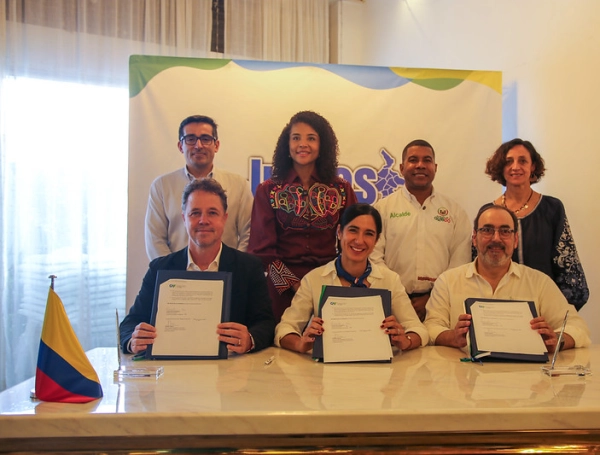
A central innovation in this recovery process is the Chocó Territorial Readiness Facility. This mechanism, approved by the SDG Fund, is designed to act as a bridge between immediate emergency response and long-term development.
Unlike past initiatives, this facility is built upon four distinctive pillars:
- Territorial Leadership: All priorities are aligned with the "Vision Chocó 2050" plan and existing local instruments.
- Unified Strategy: It shifts away from fragmented interventions toward a single, coherent governance structure.
- Capacity Building: It focuses on strengthening the fiscal and planning capabilities of local municipalities, ensuring that they can manage complex investment portfolios.
- Integrated Platform: It acts as a nexus connecting the CAF (Development Bank of Latin America), the UN, local government, and private investors, creating a scalable architecture that can incorporate new partners over the two-year lifespan of the facility.
Looking Forward: A Vision for Success
When asked what would define success three years from now, Tomasi remains optimistic but grounded. Success will not be found in the completion of buildings alone. It will be found in the evidence that the reconstruction was truly built "from and with the territory."
If, in a few years, Chocó possesses stronger local institutions, a more robust and resilient economy, and, most importantly, if the communities feel that their specific needs and cultural realities were central to the reconstruction process, then the project can be declared a success.

"I found an enormous potential in the departmental and local authorities, the business community, and the civil society of Chocó," Tomasi stated. "I carry with me the commitment and the conviction to position this region of Colombia as a territory of opportunities."
As Colombia moves into the next phase of the EDANPRI evaluation, the world watches to see if this coordinated, multi-stakeholder effort can indeed break the cycle of tragedy and provide a sustainable path forward for one of the country’s most historically underserved, yet culturally rich, regions.