By Editorial Staff, Education Desk
Updated: November 10, 2026
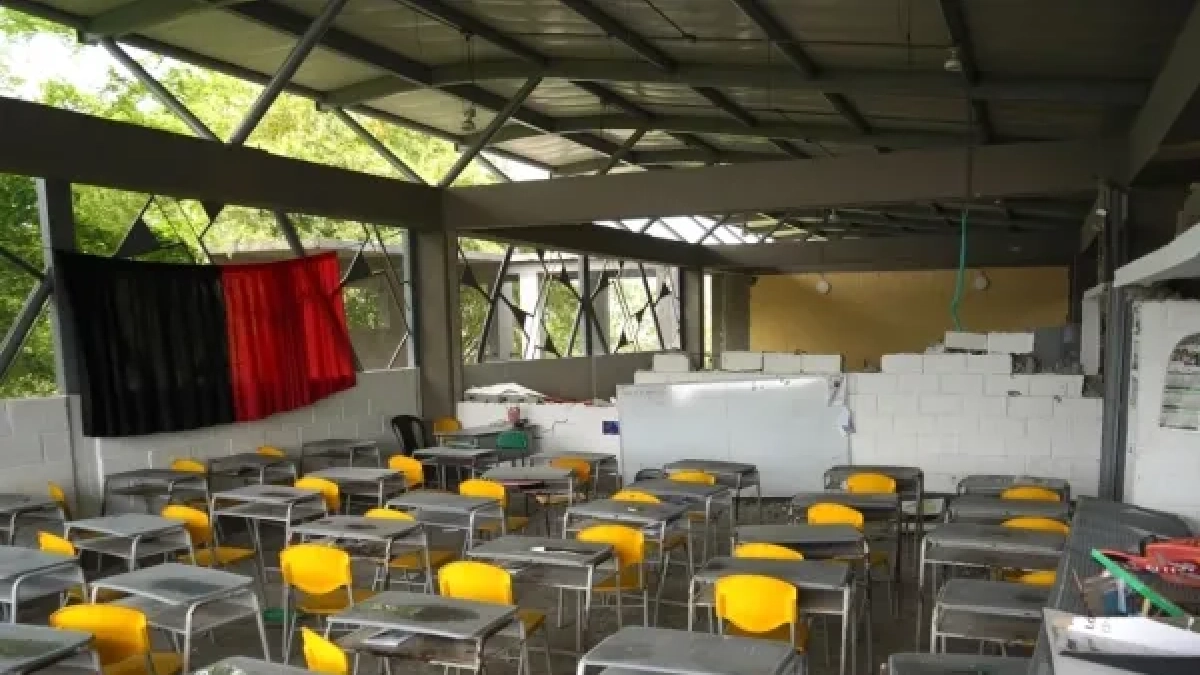
In a decisive move to stabilize the nation’s educational landscape, the Colombian Ministry of Education has announced a comprehensive financial rescue package totaling more than $337,000 million pesos. This significant investment is earmarked for the urgent restoration and reconstruction of 236 educational facilities and 11 institutions of higher education that were severely compromised by recent seismic activity.
The initiative represents a strategic pivot in the government’s approach to disaster management, shifting from emergency response to long-term structural rehabilitation. By securing these funds through a blend of national budget allocations and strategic international partnerships, the Ministry aims to ensure that over 1.3 million students affected by the recent wave of earthquakes can return to safe, fully functional learning environments.
The Scope of the Crisis: A Nationwide Challenge
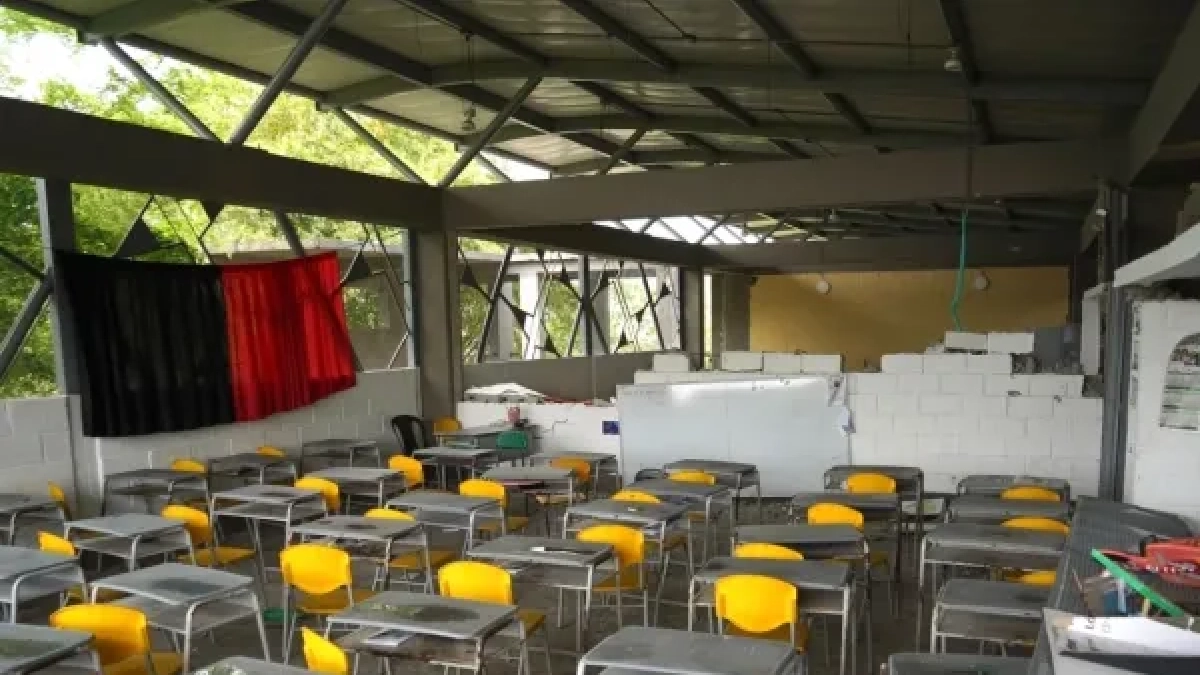
The magnitude of the challenge facing the Ministry of Education is unprecedented. According to official reports, a collaborative assessment conducted alongside the United Nations Development Programme (UNDP) and the National Unit for Disaster Risk Management (UNGRD) revealed a staggering level of destruction.
The "Emergency Response Plan" (PAE), developed in the immediate aftermath of the seismic events, identified critical structural damages in 5,738 educational sites spread across 480 municipalities and 22 departments. The geographic reach of the damage underscores the vulnerability of existing infrastructure, particularly in regions where public facilities had not been upgraded to modern seismic standards.
The data reveals that the impact is not merely structural but social. With over 1.3 million students displaced or unable to attend classes due to the closure of their schools, the educational system faced a potential collapse. The Ministry’s plan is designed to address this by prioritizing the most severely damaged facilities, ensuring that educational continuity is restored as rapidly as possible.

Chronology of Response: From Emergency to Reconstruction
The response to the disaster has moved through three distinct phases:
Phase I: Immediate Containment (Post-Earthquake)
In the immediate hours following the seismic activity, the Ministry of Education activated the PAE. This phase focused on identifying high-risk buildings and establishing temporary learning sites to prevent a complete cessation of academic activities. During this period, the Ministry worked closely with local authorities to assess the integrity of roofs, load-bearing walls, and electrical systems.
Phase II: Strategic Assessment and Funding (Q3 2026)
Following the initial stabilization, the Ministry entered a phase of resource mobilization. This involved complex negotiations with multilateral banks and internal budgetary reallocations. By October 2026, the government began finalizing agreements with international entities, most notably the Development Bank of Latin America and the Caribbean (CAF).

Phase III: Deployment and Execution (Current)
As of November 2026, the focus has shifted to the execution of 265 prioritized projects. These projects represent the most critical infrastructure needs identified during the initial assessment. The Ministry has authorized the Education Infrastructure Financing Fund (FFIE) to undertake direct interventions in public universities, a departure from its usual operational mandate, reflecting the severity of the crisis.
Supporting Data and Financial Strategy
The $337,000 million peso investment is not a monolithic fund but a mosaic of financial instruments. A core component of this strategy is the redirection of $48 million USD in credit from the CAF, specifically earmarked for the departments of Chocó and Risaralda. These regions were identified as having some of the highest concentrations of "high-vulnerability" infrastructure.
Breakdown of Investments:
- Total Budget: $337,000 million COP.
- Scope: 236 primary/secondary schools and 11 Higher Education Institutions (HEIs).
- Geographic Focus: 22 departments, with special emphasis on the Chocó and Risaralda regions.
- Institutional Partners: UNGRD, UNDP, and the Development Bank of Latin America (CAF).
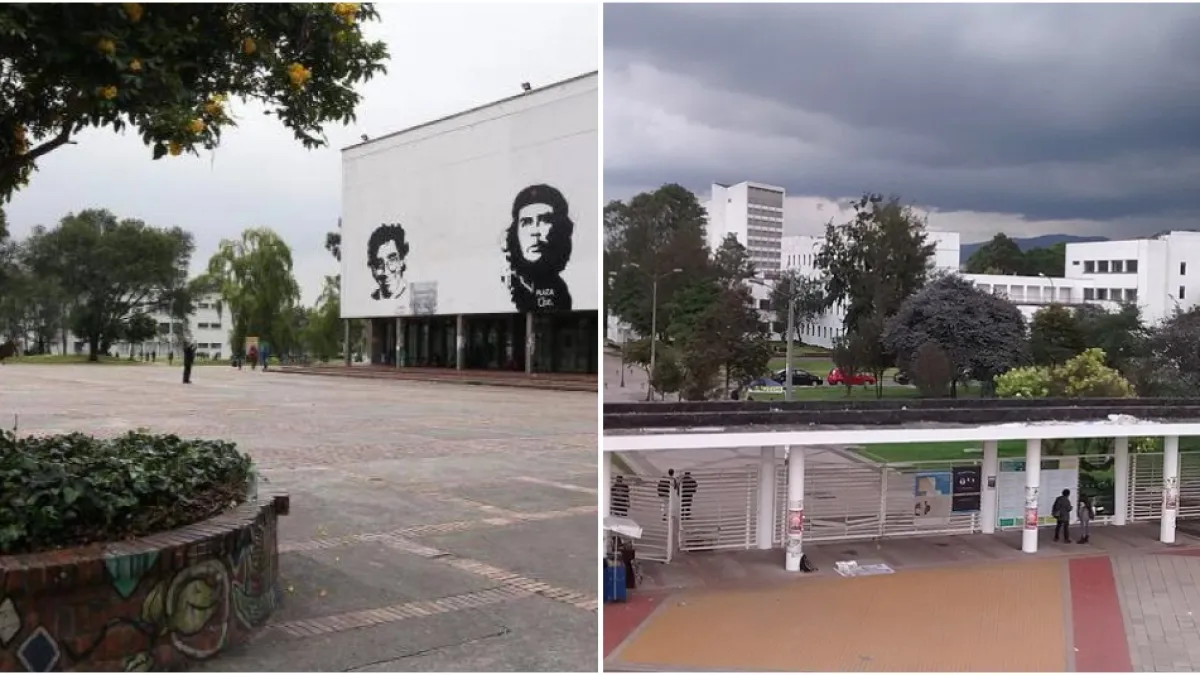
The inclusion of Higher Education Institutions (HEIs) in this rescue plan is particularly noteworthy. Universities often act as community hubs, and their closure has ripple effects on local economies and research capabilities. The Ministry has specifically prioritized the Universidad Nacional de Colombia, entering into high-level consultations to address the recovery of their Manizales and Palmira campuses, both of which serve as pillars of academic research in their respective regions.

Official Responses and Administrative Shifts
The management of this crisis has occurred amidst a broader administrative reshuffling within the educational sector. On the same day as the announcement of the reconstruction funds, the Ministry confirmed the appointment of Maribel Castro Flórez as the new interim director of the ICFES (Colombian Institute for the Evaluation of Education).
This leadership change is viewed by political analysts as an attempt to streamline the administrative response to the crisis. By aligning the leadership of the evaluation agency with the reconstruction efforts of the Ministry, the government aims to ensure that standardized testing and academic evaluation metrics remain consistent, even while physical campuses are undergoing repairs.
Government spokespeople have emphasized that the criteria for selecting the 265 priority projects were based on a "Safety First" matrix. This matrix weighs the age of the building, the frequency of seismic activity in the zone, and the number of students served.

"We are not just rebuilding walls; we are building resilience," a Ministry representative stated during a recent press briefing. "The goal is to move beyond the structures that existed before the earthquake and create campuses that serve as safe havens for the community during future climate or geological events."
Long-term Implications: Building a Resilient Future
The commitment to rebuilding 265 projects is a significant step toward modernizing Colombia’s public educational infrastructure. However, the scale of the damage—affecting over 5,000 sites—suggests that the current investment is only the beginning of a multi-year reconstruction cycle.
Challenges Ahead:
- Logistical Bottlenecks: Moving materials into remote areas, particularly in the Chocó region, presents a significant challenge for construction teams.
- Standards Compliance: The government has mandated that all reconstructed schools must meet current earthquake-resistant building codes, which may increase costs and timelines compared to standard renovations.
- Academic Continuity: Maintaining the quality of education while students are rotated through temporary facilities or hybrid models remains a top priority for local secretariats of education.
The Ministry’s decision to authorize the FFIE to intervene in universities is a bold step that indicates the government’s willingness to bypass traditional bureaucratic hurdles to expedite the return to normalcy. If successful, this model of "accelerated intervention" could serve as a template for future infrastructure management in the country.

As the reconstruction projects break ground, the Ministry of Education has promised a high degree of transparency. A dedicated portal is expected to be launched by the end of the year, allowing citizens to monitor the progress of the 265 prioritized projects in real-time. This level of oversight is intended to ensure that the $337,000 million pesos are managed with the rigor and efficiency that a national emergency demands.
For the students of Quibdó, Manizales, and beyond, the coming months will be defined by the sound of reconstruction. While the road to full recovery is long, the allocation of these resources provides a concrete roadmap to ensure that the physical collapse of their schools does not lead to a collapse of their educational aspirations.
The Colombian government remains committed to ensuring that every student, regardless of their location, has a safe place to learn, study, and grow, effectively turning the tragedy of the earthquake into an opportunity to modernize the nation’s most vital public spaces.