When modern travelers pack their bags and set out to explore a new city, they are no longer satisfied with merely checking off iconic landmarks from a generic bucket list. Increasingly, the modern tourist approaches a destination with a distinct lens shaped by cultural identity, national heritage, and personal passions. Whether it is a deep-seated fascination with brutalist and modern architecture in Latin America, a historical obsession with 20th-century geopolitical conflicts in Italy, or a craving for culinary markets in France, how we tour the globe reveals profound cultural blueprints.
These insights emerge from an expansive new global analysis conducted by Freetour.com, one of the world’s leading platforms for guided walking tours. By dissecting over 337,000 tour bookings made by more than 264,000 travelers across 51 countries and territories over a six-month period in 2026, the study offers a fascinating x-ray of modern tourism behavior. The findings challenge the traditional one-size-fits-all approach to sightseeing, demonstrating that the nationality of a traveler heavily dictates the thematic focus of their urban explorations.
Main Facts: The Architecture Obsession in Latin America and Global Tour Preferences
At the heart of the Freetour.com study lies a striking revelation: architecture and urban design reign supreme among certain nationalities, most notably in Latin America.
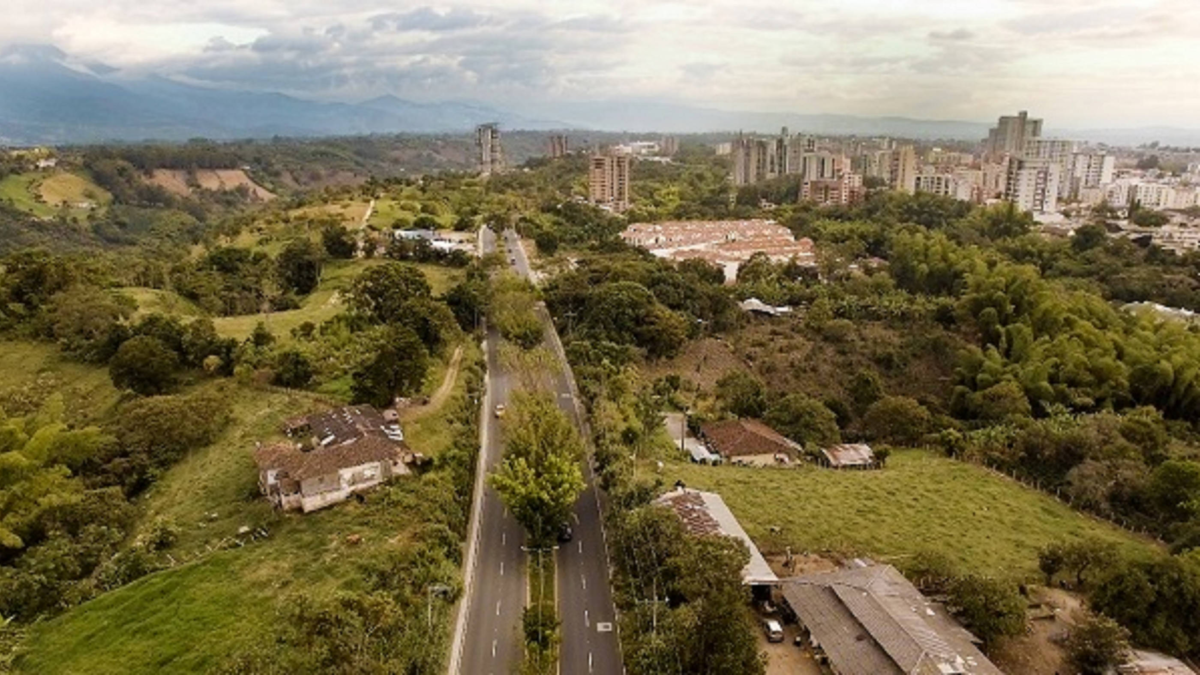
Leading the charge are Colombian travelers, whose bookings for architecture and design-focused walking tours surpass the platform’s global average by a staggering 94%. This immense appetite for understanding how cities are built, structured, and aesthetically designed is not an isolated phenomenon in the region.
Neighboring and regional markets mirror this trend with impressive intensity:
Argentina: Registered an 84% increase in architecture tour bookings compared to the global average.
Mexico: Showed a 61% surge in design-focused excursions.
Brazil: Outpaced the platform average by 37%.
When combined, these four major Latin American markets exhibited an aggregate index for architecture and design reservations that was 59% higher than the global baseline.
However, architecture is just one piece of a much larger puzzle. On a macro level, the global data demonstrates that history and heritage remain the undisputed heavyweight champions of experiential travel. Across all 337,000 analyzed bookings, historical tours account for a commanding 30.7% of total reservations.
Following closely behind are:
Landmarks and Main Attractions: 16.6% of total bookings.
Local Life and Off-the-Beaten-Path Experiences: 11.6% of reservations, highlighting a growing desire among global citizens to escape heavily touristed corridors and immerse themselves in authentic, neighborhood-level daily life.
Chronology of the Study: Methodology and Scope
To understand the weight of these findings, it is essential to look at how the data was compiled and evaluated over time.
Phase One (Early 2026): Freetour.com initiated a comprehensive internal audit of its transactional database, aggregating booking behaviors across six months of continuous travel activity in 2026.
Phase Two (Mid-2026): Analysts isolated transactions from more than 264,000 unique users originating from 51 distinct countries and territories. This filtering process ensured that localized travel spikes wouldn’t skew international metrics.
Phase Three (Comparative Analysis): Researchers mapped the proportion of bookings within specific thematic categories (such as gastronomy, politics, art, and architecture) against the platform’s general global baseline. This comparative index allowed data scientists to pinpoint statistically significant deviations—revealing which nationalities over-index in specific experiential categories.
Phase Four (Publication): The final dataset was released to the public in November 2026, providing the travel industry with a nuanced roadmap of post-pandemic tourist psychology.
Supporting Data: A Nation-by-Nation Breakdown of Travel Desires
Beyond Latin America’s architectural fixation, the study uncovered distinct behavioral profiles for travelers from North America, Europe, and beyond. Each nationality showcases a unique cultural signature when navigating foreign urban landscapes.
1. Italy: A Preoccupation with 20th-Century History and Politics
Perhaps one of the most intellectually compelling insights from the study centers on Italian travelers. Moving far beyond leisurely strolls, Italian tourists exhibit a 66% higher demand for experiences related to politics, wars, and 20th-century history than the global average. While this niche category accounts for only 2.41% of bookings globally, it surges to 3.99% among Italian travelers, signaling a profound national engagement with historical memory and sociopolitical evolution.
2. France: A Synergy of Art, Music, and Gastronomy
True to its rich cultural heritage, France’s outbound travel demographic prioritizes sensory and creative immersion. French tourists book art, street art, and music-focused tours at a rate 43% higher than the global norm. Furthermore, their love for culinary exploration shines through: experiences centered around gastronomy, local markets, and food tastings exceed the platform average by 41%.
3. Spain: Nocturnal Explorations, Myths, and Legends
Spanish travelers display a distinct temporal preference, leaning heavily into the evening hours. Bookings for afternoon and night-time tours among Spaniards are 38% higher than average. Additionally, Spanish tourists show a pronounced affinity for religious heritage, local mysteries, and dark tourism elements such as urban legends and ghost tours.
4. Germany: The Rise of the Culinary Explorer
German travelers demonstrate a robust appetite for local flavors. Culinary experiences, food markets, and beverage tastings rank 25% higher among German users compared to the broader platform baseline, pointing to a travel philosophy centered on tasting the local culture.
5. United Kingdom and United States: Archaeology and Modern Design
British Travelers: Show a distinct leaning toward the ancient past, registering an 18% higher interest in ancient history and archaeological tours.
American Travelers: Align closely with the broader Americas trend, showing a 20% preference spike for architecture and design walking tours, valuing clean urban aesthetics and historical structural development.
Official Responses: Insights from Industry Leadership
The data paints a clear picture: tourism is no longer just about geography; it is about psychological alignment with a city’s ethos. Alexandra Dubakova, Marketing Director at Freetour.com, emphasized the deep implications of these findings for the global tourism sector.
"This data proves that travelers do not merely select a physical destination; they carefully curate the specific facets of that destination they wish to unlock," Dubakova noted during the release of the study.
"A single city can simultaneously offer rich history, world-class gastronomy, breathtaking architecture, vibrant street art, and a bustling nightlife. However, our booking data consistently demonstrates that travelers from different countries of origin selectively filter these elements, consistently gravitating toward what resonates most with their cultural identity."
Industry analysts have echoed Dubakova’s sentiments, pointing out that modern tour operators must move away from generic city tours. To capture the attention of international markets, local guides and tourism boards must tailor their storytelling. For instance, a walking tour in a historic European capital might need to emphasize architectural evolution if marketing to Colombian or American visitors, while highlighting culinary craft and local markets when catering to French and German tourists.
Implications for the Future of Global Tourism
The revelations from Freetour.com’s extensive data analysis carry significant weight for the travel industry, local economies, and urban planners alike.
1. Tailored Marketing for Tour Operators
Local tour agencies can no longer rely on broad descriptions like "City Walking Tour." By understanding that Italian tourists seek political history, while Spaniards look for evening mystery tours and Latin Americans hunt for architectural marvels, boutique tour operators can hyper-target their digital marketing efforts and design bespoke itineraries that cater directly to these high-value psychographics.
2. Combatting Overtourism Through Niche Specialization
With 11.6% of travelers actively seeking off-the-beaten-path experiences and local life, cities struggling with overtourism can leverage these insights. By promoting specialized architectural walks in lesser-known neighborhoods or highlighting local food markets outside the historic center, cities can effectively disperse tourist crowds, alleviating pressure on over-visited landmarks while supporting local businesses in peripheral districts.
3. Cultural Preservation and Urban Pride
For countries like Colombia, Argentina, and Mexico, the high demand for architectural tours serves as an economic and cultural validation. It encourages local municipalities to invest heavily in the preservation, restoration, and clean-up of historic and modernist architectural districts. When international visitors display a deep fascination with local design, it fosters a renewed sense of civic pride among residents, who begin to view their everyday urban environments through a lens of artistic and historical value.
Ultimately, the way we tour a city is a mirror of who we are. As global tourism continues to evolve in the post-pandemic era, the traveler of 2026 is an active co-creator of their journey—seeking out not just a place on a map, but a deeper, culturally resonant dialogue with the world.
By Angie Rodríguez Travel and Trends Journalist More than two months after the powerful earthquake that shook Colombia on August 10, the country’s beloved Coffee Triangle (Eje Cafetero) is showing definitive signs of tourism recovery.…
By Angie Rodríguez | Travel & Trends Desk Updated: November 3, 2026 Main Facts Cartagena de Indias, the historic jewel of the Colombian Caribbean, is set to become the epicenter of national culture and high…
By Angie Rodríguez Travel and Trends Journalist Published: September 16, 2026 Main Facts The tourism sector in Colombia is experiencing an unprecedented golden era, characterized by an exponential surge in international and domestic interest, robust…