By Justice Desk
Updated: November 4, 2026
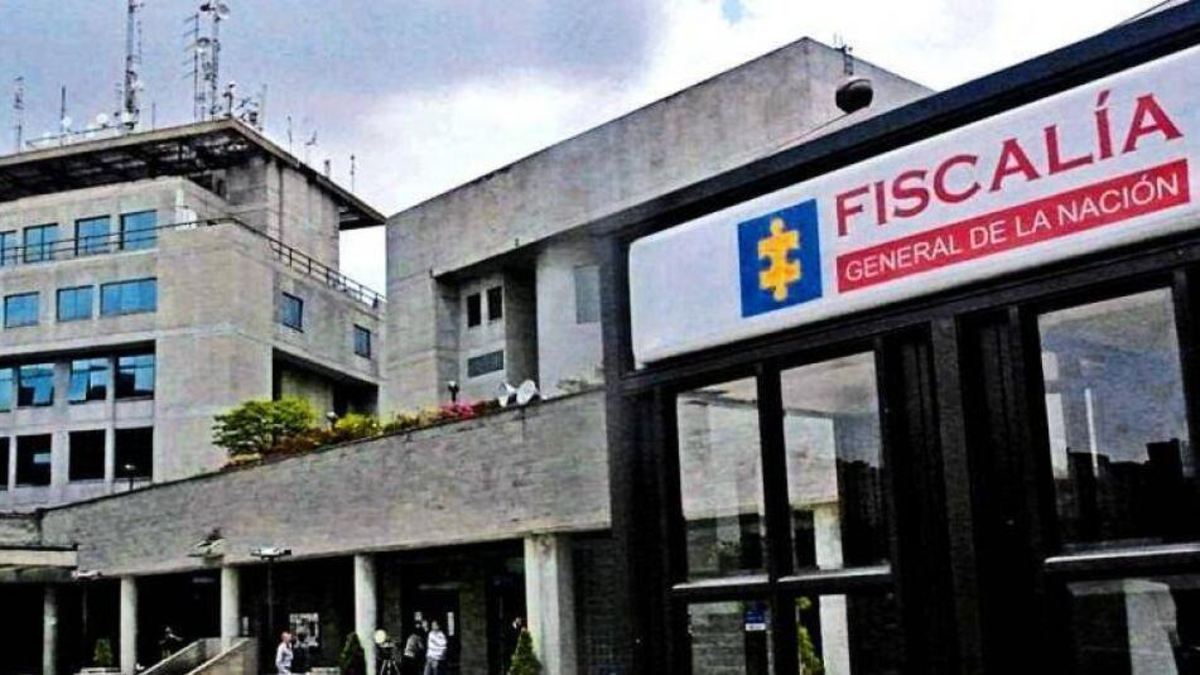
The Office of the Attorney General of Colombia (Fiscalía General de la Nación) has formally launched a comprehensive investigation into a series of unauthorized information leaks that have compromised two of the country’s most sensitive judicial proceedings. The move, announced this Wednesday, signals a aggressive push by the oversight body to curb the erosion of procedural confidentiality, which officials warn is threatening the integrity of the justice system.
The investigations center on two distinct, high-profile matters: the ongoing criminal case involving the tragic poisoning with thallium that claimed the lives of two minors in Bogotá, linked to businesswoman Zulma Guzmán, and the separate, sensitive proceedings involving the testimony of Eva Ferrer Galcerán, the former Presidential Advisor for Reconciliation.

The Fiscalía has directed its judicial police units to trace the origin of the leaks, which include internal documents, sensitive audio recordings, and confidential testimony summaries that have appeared in the public domain. The breach of "reserve legal" (legal secrecy) has prompted a stern warning from the Prosecutor’s Office regarding the potential for criminal and disciplinary consequences for those found responsible.
The Core of the Controversy: A Breach of Legal Secrecy
The sanctity of the judicial process relies heavily on the principle of reserve, which ensures that evidence, witness statements, and procedural strategies remain confidential until they are formally presented in a public trial. By leaking these materials prematurely, the individuals responsible have not only violated their professional obligations but have also jeopardized the evidentiary weight of the cases themselves.
In the case of the thallium poisoning, the sensitivity of the evidence is paramount. The investigation explores complex toxicology reports, medical records of the surviving victims, and forensic analysis of the substances involved. When such documents are filtered to the press or unauthorized third parties, it can lead to the contamination of testimony, public prejudice, and the potential intimidation of witnesses.

Similarly, the investigation into the statements provided by Eva Ferrer Galcerán concerns high-level government interactions and political reconciliation processes. The premature exposure of her sworn declarations could potentially expose sensitive state information or compromise the safety of individuals involved in the government’s reconciliation strategy.
Chronology of the Disclosures
While the Fiscalía’s investigation was officially announced on November 4, 2026, the accumulation of unauthorized leaks had been a growing concern for investigators for months.
- June 2, 2026: The first formal reports regarding the potential compromise of case files were filed with the Prosecutor’s Office. Concerns were initially raised regarding the handling of sensitive documentation in the thallium case.
- August – September 2026: Throughout these months, several segments of internal judicial documents began appearing in media outlets and on social media platforms, leading to internal audits of the digital and physical access logs for the two cases.
- October 2026: The intensity of the leaks reached a tipping point, with the transcript of a confidential hearing being discussed in public forums, prompting the Attorney General’s office to expedite the creation of a specialized task force.
- November 4, 2026: The Office of the Attorney General issued an official communique, confirming the opening of formal inquiries and the deployment of judicial police to identify the sources of the leaks.
Understanding the "Reserve Legal" and Its Implications
Under Colombian law, the "reserve of the summary" (reserva del sumario) is a fundamental pillar of the criminal justice system. It exists to protect the presumption of innocence, ensure that investigations remain untainted by external pressure, and safeguard the personal security of those participating in the legal process.

The Fiscalía highlighted that these leaks are not mere administrative errors; they are active threats to the judicial process. "These facts can affect the due process, compromise the development of the investigations, and violate the integrity of the witnesses and the good name of the victims," the entity stated in its press release.
Professional Obligations of Public Servants
The investigation will focus heavily on judicial staff, prosecutors, and administrative assistants who had access to the physical and digital folders of these cases. Legal experts note that any breach of confidentiality by a public official is subject to severe administrative sanctions, including permanent disqualification from public service, in addition to potential criminal charges for the prevarication or revelation of secrets.
Official Responses and Expert Perspectives
The Attorney General’s office has emphasized that it respects the freedom of the press and the citizens’ right to information. However, it made a sharp distinction between the role of journalism and the obligation of legal actors to maintain confidentiality.

"The duty to preserve the legal reserve falls upon those who have access to judicial files," the spokesperson noted. The office further stated that "judicial officials have the obligation to act with rigor in the custody of evidentiary material and to report the violation of the legal reserve in a timely manner."
Legal analysts have praised the move as a necessary step to restore public confidence. Dr. Camilo Montoya, an expert in criminal procedural law, commented: "When the secrecy of a case is broken, the victim loses their primary protection, and the accused loses their right to a fair, non-biased trial. The Prosecutor’s Office is effectively sending a message that the internal ‘leaking culture’—often used for political or social media clout—will no longer be tolerated."
The Thallium Poisoning Case: A Complex Investigation
The thallium poisoning investigation is arguably one of the most sensitive cases currently under the scrutiny of the judicial branch. The substance, a highly toxic metal, was linked to the deaths of two minors in Bogotá, sending shockwaves through the capital.

The involvement of Zulma Guzmán in the narrative has drawn significant public interest. The Fiscalía’s investigation into the leaks surrounding this case aims to determine whether the motive for the leaks was financial, political, or a result of internal corruption within the judicial bureaucracy. Investigators are currently reviewing the "chain of custody" for all digital records, analyzing access timestamps to see which user accounts were active at the time the documents were copied or distributed.
The Eva Ferrer Galcerán Testimony
The case involving Eva Ferrer Galcerán, the former Presidential Advisor for Reconciliation, adds a layer of political complexity to the situation. Given her former role, her testimony carries significant weight regarding how the state manages conflicts and reconciliation efforts.
Leaks in this case are particularly dangerous, as they could disclose sensitive state security protocols or jeopardize the identities of confidential informants working within the reconciliation framework. The Fiscalía has indicated that it is treating these leaks with "maximum priority" due to their potential impact on national security and public policy stability.

Future Steps and Potential Sanctions
The judicial police have been granted broad powers to investigate. This includes the ability to seize electronic devices, conduct forensic IT audits, and request the lifting of bank secrecy if there is suspicion that information was sold.
If the investigation identifies specific individuals—whether judicial employees or private parties—the consequences will be multi-faceted:
- Disciplinary Sanctions: Any public servant found responsible will likely face an immediate suspension pending the outcome of an internal investigation, followed by potential dismissal.
- Criminal Prosecution: Those who leaked the information could face charges related to the "revealing of secrets" or "prevarication," which carry potential prison sentences.
- Procedural Impact: In some scenarios, if the leaks are found to have fundamentally prejudiced the rights of the accused, it could lead to requests for the annulment of certain proceedings, which would be a catastrophic outcome for the prosecution of these cases.
Conclusion: A Test for the Judiciary
The current situation is a litmus test for the Colombian judiciary’s ability to protect its own internal processes. As the nation watches the development of the thallium and reconciliation cases, the ability of the Prosecutor’s Office to plug the leaks will be a defining factor in its credibility.

The message from the Attorney General is clear: there is no exception to the rule of law. While the public’s right to know is a cornerstone of democracy, the integrity of a trial—and the safety of those involved in it—remains the primary responsibility of the state. As the investigation progresses, the judiciary faces the difficult task of balancing transparency with the absolute necessity of procedural secrecy.
For now, all eyes are on the specialized task force as they begin the painstaking work of forensic data analysis. The outcome of this investigation will likely set a precedent for how the judicial branch handles information security in the digital age, ensuring that justice is served within the courtroom, rather than in the court of public opinion.
For more information on the progress of these investigations, stay tuned to our weekly legal newsletters or follow our dedicated Justicia desk on social media platforms.