By Edwin Caicedo | Environmental and Health Correspondent
In the arid landscapes of La Guajira, a department often defined by its stark climatic challenges and historical socioeconomic disparities, a quiet revolution is taking root. From the southern plains of Barrancas to the windswept northern reaches of the Alta Guajira, local communities are redefining the concept of survival. Through a blend of ancestral wisdom, sustainable agricultural practices, and modern bioeconomy models, families are proving that the desert can yield prosperity.
This transformation is anchored in initiatives like "Sabores y Saberes," which seeks to empower rural economies, and award-winning projects in Nazareth that have caught the attention of national sustainability monitors. By moving away from dependency and embracing productive autonomy, these communities are not only securing their own food sources but are also building a roadmap for climate resilience in a region increasingly threatened by desertification.
The Genesis of Autonomy: The Story of Doralma Rosado
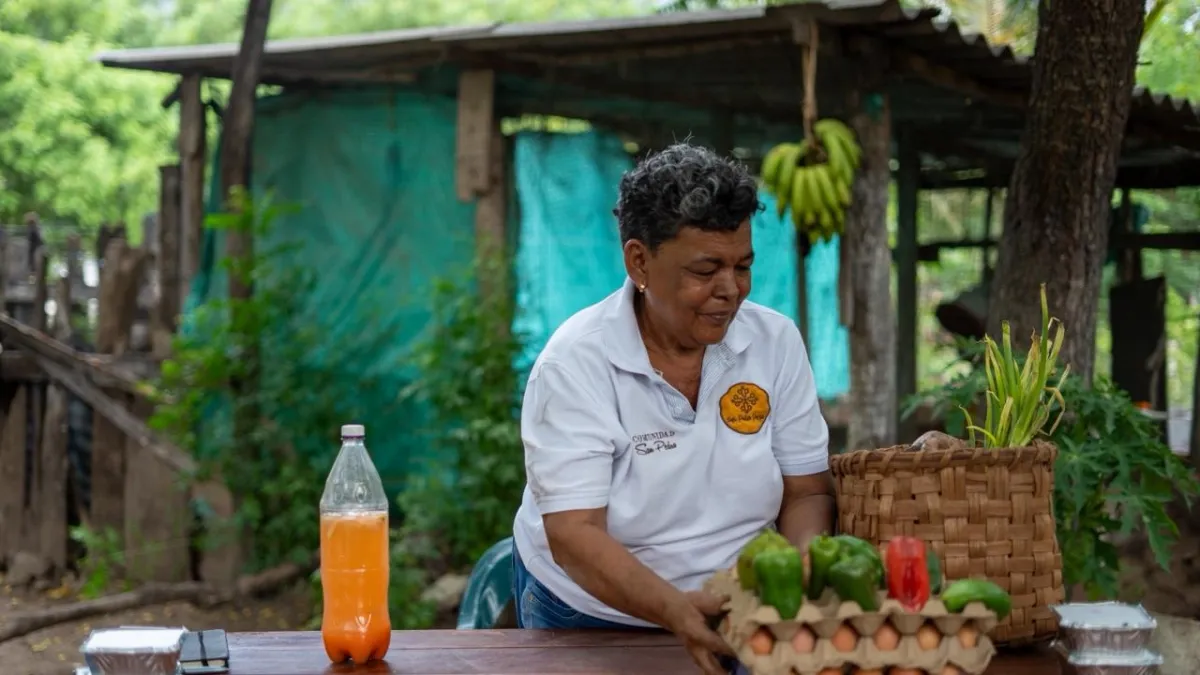
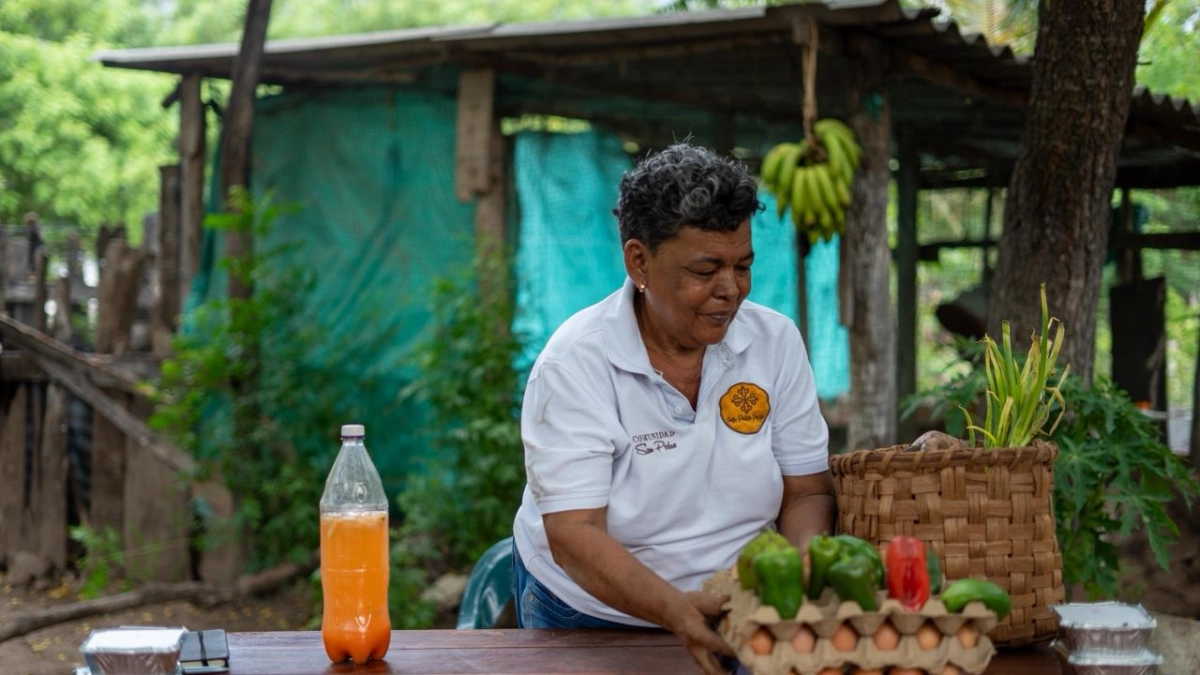
Five years ago, the future for Doralma Rosado—a 61-year-old resident of San Pedro del Perijá, in the municipality of Barrancas—looked vastly different. Like many in the region, she faced the volatility of the agricultural market and the unpredictability of a changing climate. However, a modest intervention changed the trajectory of her life and her livelihood.

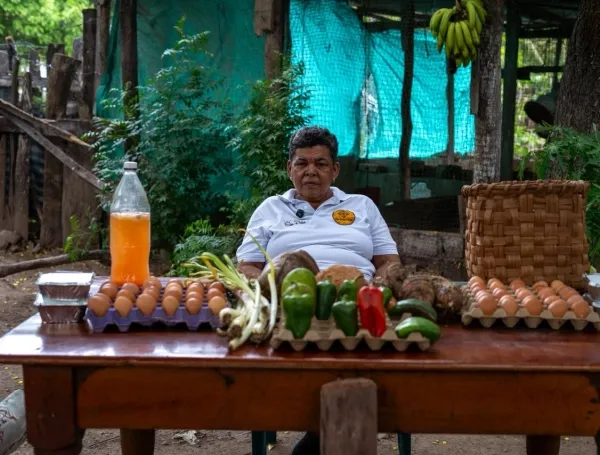
Rosado received a donation of 39 laying hens. While many might have viewed such a gift as a temporary relief, Rosado saw the foundation of a business. "They told us to work on the project and carry it forward," she recalls. "Today, I have 53 laying hens, and I never abandoned that production."
Her operation has since expanded significantly. Through rigorous management, her flock now produces approximately 45 eggs per day. She has also diversified into raising 80 broilers and two pigs, while cultivating staples such as malanga, yucca, and chili. At one point, she managed a harvest of 15,000 malanga plants, yielding 40 quintals of produce. The proceeds from these sales were not squandered; they were reinvested into her farm, specifically for a freezer that allows her to store meat and maintain a consistent supply for the market.

For Rosado, this is more than just a farm; it is a legacy. "I survive with them. I provided an education for my children by raising hens and minor species," she says with evident pride. Her daily life is a testament to the power of micro-entrepreneurship: "I don’t leave my Guajira. Here I have my animals, my crops, and I live happily."
A Chronology of Sustainable Development
The success stories currently emerging from La Guajira did not happen overnight. They are the result of long-term, structural interventions that prioritize training over handouts.
- The Initial Phase (2019-2020): The Fundación Alpina began working with local communities to introduce agroecological techniques. The focus was on soil health, organic fertilization, and the distribution of high-quality seeds for traditional crops.
- The Consolidation Phase (2021-2023): As farmers like Doralma Rosado mastered the basic techniques, the focus shifted to value-added production. This included the formation of culinary collectives like "Sabores y Saberes," where women began processing their harvests into traditional dishes such as coconut rice, fish, and mondongo soup, thereby tapping into the local gastronomy market.
- The Scaling Phase (2024-2026): Projects in the Alta Guajira, specifically in Nazareth, reached a level of maturity that led to national recognition. These programs moved beyond individual plots to communal systems, incorporating water-saving technologies and group-based savings models.
Supporting Data: The Impact of Agroecology
The success of these initiatives is backed by quantitative data that highlights the efficacy of the bioeconomy model in rural Colombia. According to reports from the Fundación Alpina regarding their work with the Wayúu communities in Nazareth, the impact has been profound:
- Water Security: The project successfully reduced the number of producers without access to potable water by 70%. This was achieved through the implementation of storage and irrigation systems tailored to semi-arid conditions.
- Nutritional Access: There has been a measurable increase in the consumption of high-nutrient foods, as families shifted from relying on store-bought staples to consuming fresh produce from their own huertas (gardens).
- Gender Empowerment: Perhaps the most significant social shift has been the rise of female leadership. Women now participate in 61% of community decisions and hold the majority of leadership roles in local associations.
- Economic Resilience: By establishing group savings mechanisms and formalizing new commercialization points, the projects have created a buffer against the economic shocks that typically plague rural producers.
The Climate Challenge: Addressing the Water Crisis
Despite these successes, the specter of climate change looms large over the department. Doralma Rosado’s account of the environmental decline is sobering. Having lived in San Pedro del Perijá for four decades, she remembers a time when the local rivers and streams had permanent, reliable flows.
"All the streams have been drying up. From 2010 onwards, that problem has worsened significantly," she notes. The reduction in rainfall has hit high-demand crops like avocados, plantains, and bananas particularly hard.
However, rather than viewing the situation as hopeless, these communities are adapting. They argue that the narrative of La Guajira as a "dead" or exclusively "desertic" zone is a dangerous misconception that discourages investment and effort. "Yes, agriculture can be done here," Rosado insists. "If one doesn’t abandon the planting of yucca, corn, or plantains, there is always production."
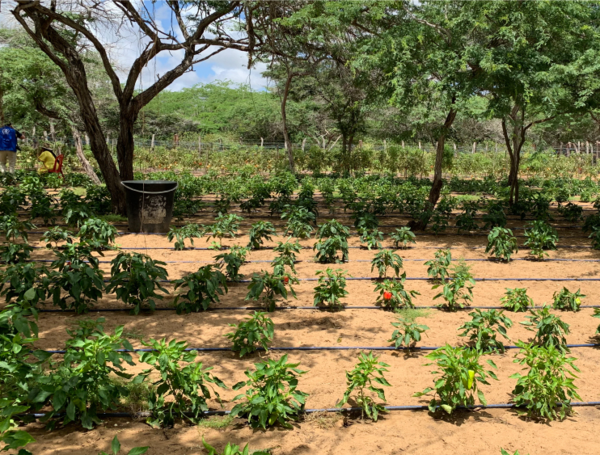
The consensus among experts and local leaders is that the future of agriculture in La Guajira depends on the modernization of water infrastructure. Small-scale, efficient irrigation systems and rainwater harvesting are no longer luxuries; they are essential tools for survival.
Implications for Public Policy
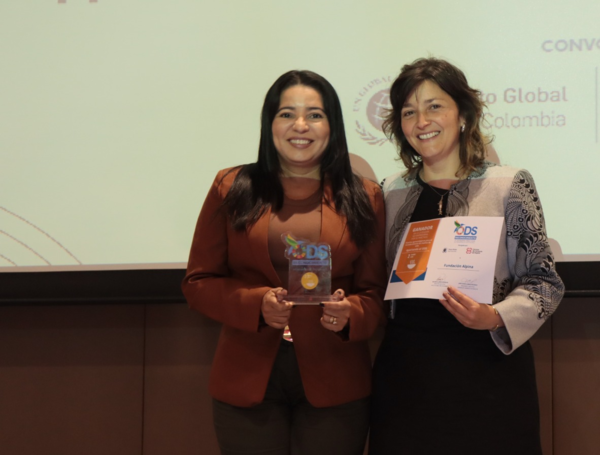
The recognition of the Nazareth project by the Global Compact Network Colombia and the Bogota Chamber of Commerce marks a significant shift in how rural development is viewed at the national level. It validates the "Bioeconomy" approach—a model that emphasizes the sustainable use of biological resources to drive economic growth while preserving ecosystem services.

The implications for policymakers are clear:
- Decentralized Support: The success of the Nazareth and Barrancas projects suggests that interventions are most effective when they are rooted in local community governance rather than top-down bureaucratic structures.
- The Role of Gastronomy: Linking primary production (agriculture/livestock) to secondary processing (gastronomy) creates a more resilient value chain. When farmers can process their products, they are less vulnerable to the low prices dictated by wholesale buyers.
- Resilience as a Strategy: In the face of climate change, government policy must pivot toward "resilience-building." This means funding projects that don’t just provide seeds, but provide the infrastructure—like freezers, irrigation pumps, and storage units—that allows producers to remain competitive in a changing environment.
Conclusion: A Blueprint for the Future
The experiences in Nazareth and San Pedro del Perijá share a common thread: they demonstrate that with the right technical support, access to basic infrastructure, and a focus on collective strength, the most vulnerable regions can become the most resilient.
While the geography of La Guajira presents formidable obstacles, the human element—characterized by the persistence of women like Doralma Rosado—is proving to be an unstoppable force. As the country grapples with the dual challenges of food security and climate change, the lessons learned in the Guajira desert offer a blueprint for a more sustainable, and ultimately more equitable, agricultural future.
The path forward is not easy, but as the crops continue to sprout in the red earth of the desert, it is becoming increasingly clear that the future of rural La Guajira is not found in fleeing the land, but in learning how to thrive within it.