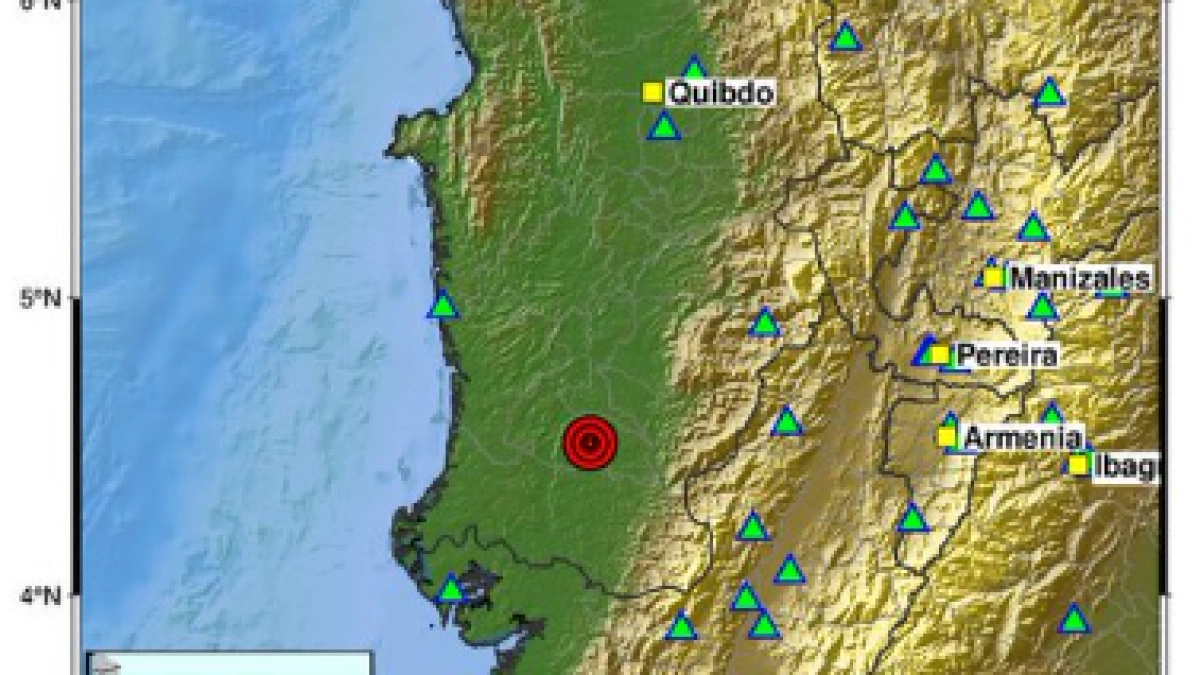
BOGOTÁ, COLOMBIA — More than a month after a powerful 7.4-magnitude earthquake rattled Colombia’s Pacific coast, the Department of Chocó continues to experience significant geological unrest. On Sunday, September 14, the Colombian Geological Survey (Servicio Geológico Colombiano – SGC) reported a fresh series of moderate-to-strong tremors concentrated around the municipality of Istmina. These movements, several of which exceeded a magnitude of 4.0, rattled residents and were felt across multiple departments in the Andean and Pacific regions of the country.
Far from being isolated incidents, authorities have confirmed that these latest tremors are part of an active seismic swarm. This geological phenomenon has kept scientists, emergency response agencies, and citizens on edge as the region struggles to regain a sense of normalcy following the devastation of the August 10 disaster.
As monitoring agencies work around the clock to analyze subterranean data, experts emphasize the critical need for public awareness, dispelling common myths about earthquake predictability, and understanding the complex tectonic mechanics driving the ongoing activity in western Colombia.
Main Facts: A Persistent Tectonic Awakening
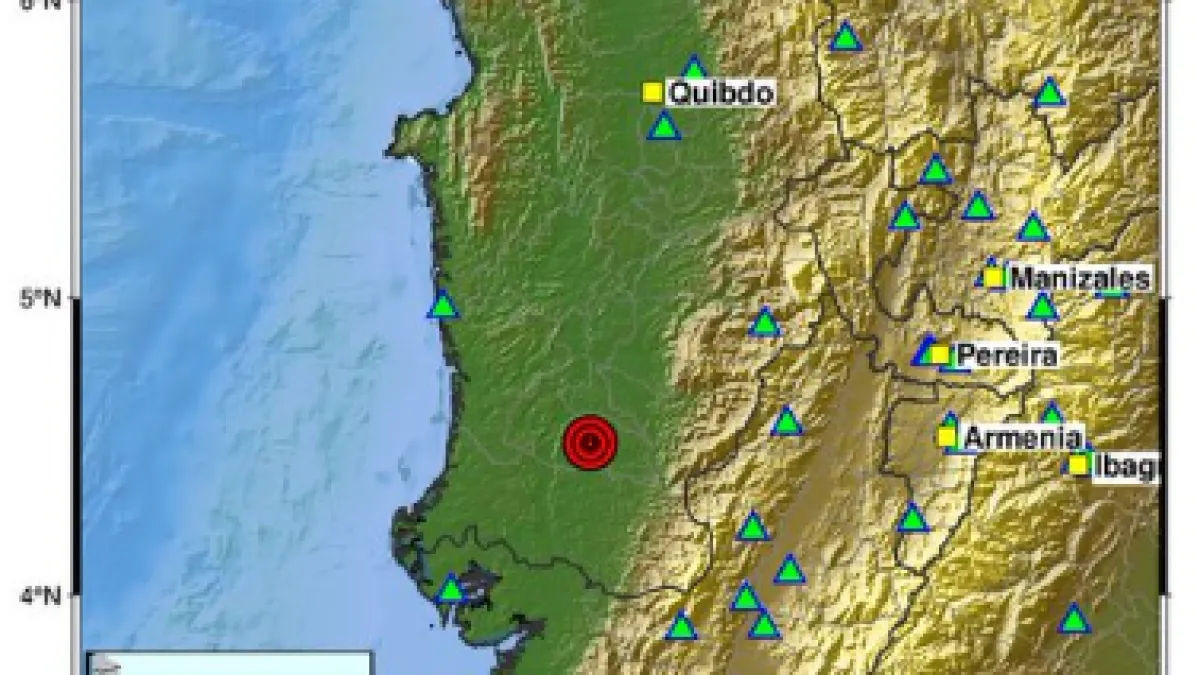
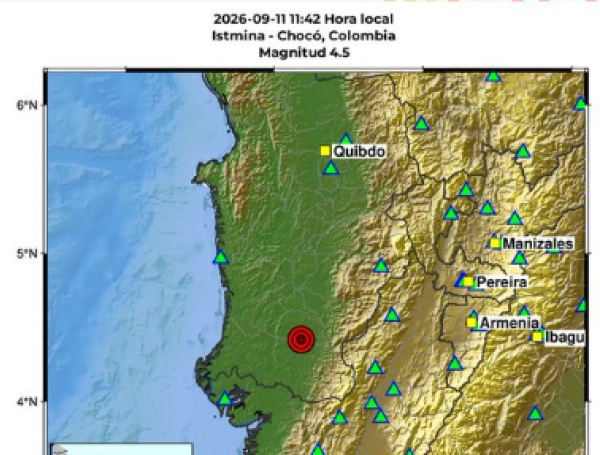
The seismic sequence on Sunday, September 14, marked one of the most intense single-day clusters of tremors since the region was struck by the major earthquake on August 10. According to the SGC, the epicenter of Sunday’s activity was located in Istmina, a bustling subregion of Chocó deeply vulnerable to geological disruptions due to its complex fault systems.
Freddy Tovar, coordinator of the National Seismological Network of Colombia, clarified that Sunday’s events are distinct from standard aftershocks. While aftershocks generally stem directly from the main fault rupture of a primary earthquake and gradually decrease in frequency and magnitude, the activity in Istmina represents a separate geological mechanism: an active seismic swarm.
"This is part of the seismic swarm that the Colombian Geological Survey identified and reported two weeks ago, forming part of the broader sequence of activity registered after the major earthquake in August," Tovar explained.

The tremors on Sunday were not minor shivers; they carried enough energy to shake foundations, rattle windows, and induce widespread panic. The sheer frequency of the events within a tight window of time compounded the psychological toll on residents who are still rebuilding or processing the psychological trauma of the August 10 event.
Chronology of Sunday’s Events: A Rapid Succession of Tremors
The geological activity on September 14 escalated rapidly during the afternoon, catching residents and local authorities by surprise.
The sequence began unfolding in the mid-afternoon, characterized by three significant tremors occurring in rapid succession over a span of less than six minutes:

- 3:02 p.m.: The first major tremor of the afternoon struck with a magnitude of 4.9 at a shallow depth of 39 kilometers, with its epicenter firmly rooted in Istmina.
- 3:08 p.m.: Just six minutes later, a second tremor registering at magnitude 4.4 hit the region at a depth of 40 kilometers.
- 3:15 p.m.: A third shock followed swiftly at magnitude 4.1, originating at a depth of 41 kilometers.
- 4:13 p.m.: Roughly an hour later, a fourth powerful tremor measuring magnitude 4.9 shook the area once again at a depth of 39 kilometers, reinforcing the intensity of the swarm.
By 4:30 p.m., the National Seismological Network had logged more than 2,000 citizen reports of perceived shaking. The reach of these tremors extended far beyond Chocó’s borders, with strong sensations reported by residents across Valle del Cauca, Risaralda, Antioquia, and Tolima. The shallow classification of the hypocenters—all occurring at depths under 50 kilometers—largely explains why the energy was so widely and intensely felt at the surface.
Supporting Data: Dissecting the Dual Seismic Sequence
To fully comprehend why the ground continues to shake in western Colombia, seismologists look at the dual nature of the seismic data collected since August 10. The SGC has categorized the post-earthquake activity into two distinct groups, each behaving according to different underground physical dynamics.
1. Traditional Aftershocks
The first group comprises classical aftershocks directly triggered by the initial 7.4-magnitude earthquake. These events are characterized by deeper focal depths, generally ranging between 70 and 120 kilometers. While they continue to occur, they generally follow the expected decaying trend in magnitude over time as the tectonic plates adjust and seek a new state of mechanical equilibrium.
2. The Active Seismic Swarm
The second group—and the source of Sunday’s alarm—is the seismic swarm to which the Istmina tremors belong. Unlike aftershocks, a seismic swarm defies the traditional model of a single dominant earthquake followed by progressively smaller tremors.
"A seismic swarm is a sequence of earthquakes that, unlike aftershocks, does not feature a single main event from which magnitudes steadily decrease," Tovar noted. "Here, we have a constant seismicity where we can experience seismic events with alternating magnitudes, whether higher or lower."
This dynamic explains why a swarm can produce sudden high-magnitude joltes weeks after a primary disaster, baffling casual observers who expect seismic energy to dissipate in a linear fashion.
Official Responses and Scientific Clarifications
In the wake of Sunday’s events, the Colombian Geological Survey moved swiftly to manage public communication, counter misinformation, and reinforce safety protocols.
The Elusive Nature of Earthquake Prediction
One of the most persistent challenges during active seismic swarms is managing public anxiety regarding future risks. The SGC has repeatedly emphasized a fundamental rule of geophysics: earthquakes cannot be predicted.
While scientists can map fault lines, monitor subterranean stress levels, and identify statistical patterns like swarms, it is technologically impossible to forecast the exact timing, magnitude, or location of an impending tremor. The occurrence of multiple earthquakes in a single day does not serve as a reliable crystal ball for what will happen next.

Duration of a Swarm
Understanding the timeline of a seismic swarm is equally critical for public reassurance. According to Tovar, swarms operate on their own geological timetables, dictated by the gradual release of localized crustal stress.
"A seismic swarm can last for days, weeks, or months, and subsequently disappear," Tovar stated.
Because of this variable lifespan, the National Seismological Network remains on high alert, maintaining continuous 24/7 monitoring of the Chocó region. Authorities have urged the public to ignore viral rumors on social media and rely exclusively on updates provided by official SGC channels.

Implications for Public Safety and Regional Resilience
The ongoing seismic activity in Chocó carries profound implications for infrastructure, emergency preparedness, and the socio-economic stability of one of Colombia’s most historically marginalized regions.
Structural Integrity and Fatigue
Constant ground motion poses a severe threat to regional infrastructure. Even if individual buildings survive a major earthquake, recurring moderate tremors (such as the 4.9-magnitude events recorded on Sunday) induce structural fatigue. Brick, mortar, and concrete elements that have already sustained microscopic fractures on August 10 become progressively more vulnerable with every subsequent shake. Local authorities face the immense challenge of conducting rapid structural assessments across remote municipalities where access is often difficult.
Psychological Impact
The psychological toll on the inhabitants of Chocó cannot be overstated. Living in a state of hyper-vigilance, where the ground can violently shake at any moment, creates chronic stress and anxiety among children, families, and local workers. Community mental health support and clear, transparent communication from civil protection agencies are vital components of disaster management during protracted seismic crises.

Emergency Preparedness
Civil defense organizations, including the National Unit for Disaster Risk Management (UNGRD), have reiterated basic safety measures for residents in affected zones:
- Identify safe zones within homes and workplaces prior to an event.
- Keep emergency kits stocked with water, non-perishable food, flashlights, and first-aid supplies.
- Remain calm during a tremor, drop, cover, and hold on, and avoid using elevators or staying near unreinforced masonry walls.
As the Colombian Geological Survey continues its round-the-clock observation of the Istmina fault dynamics, the resilience of Chocó is once again being tested by the raw power of the earth. For now, vigilance, preparation, and reliance on verified scientific data remain the best defenses against an unpredictable subterranean landscape.