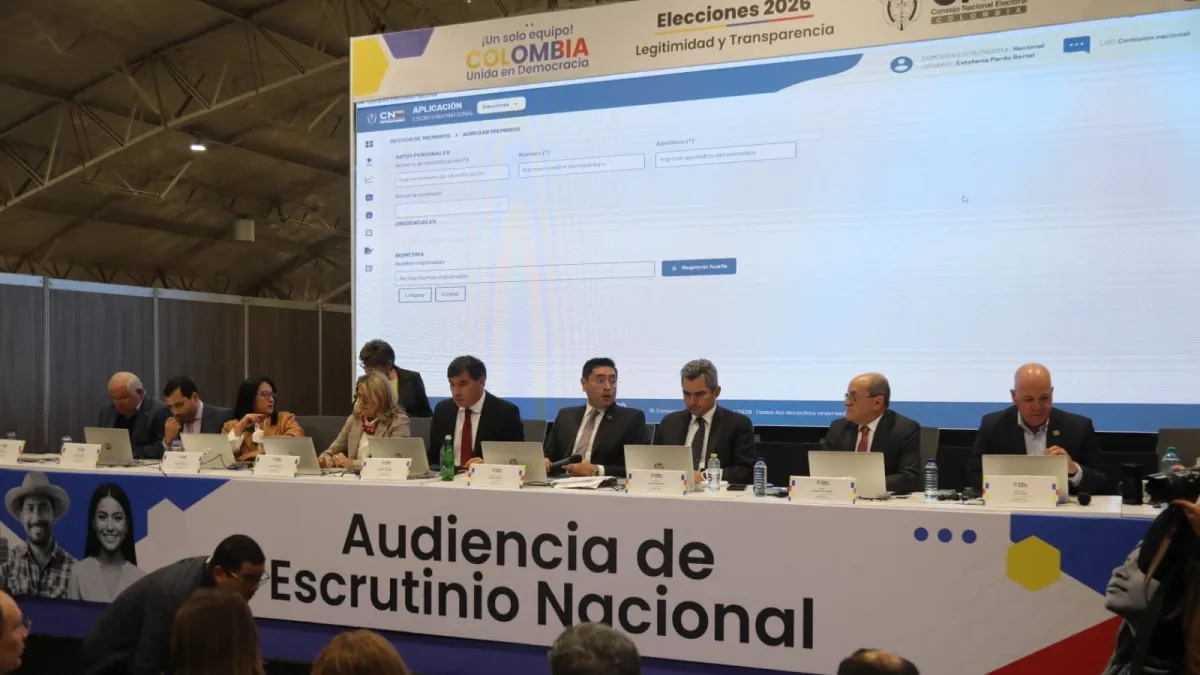
BARRANQUILLA — In a high-stakes political manoeuvre designed to project strength and unity, Colombian President Abelardo De La Espriella convened his full ministerial cabinet on Sunday, November 1, 2026. The strategic gathering took place at the alternative presidential headquarters located within the historic facilities of the Paraíso Battalion in Barranquilla, the vibrant capital of the Atlántico department.
The meeting comes at a critical juncture for the administration, which faces an unforgiving legislative calendar. Within days, the executive branch must successfully navigate a deeply polarized Congress to secure the approval of a sweeping economic adjustment package, while simultaneously racing against a hard deadline to pass the controversial submission-to-justice law (ley de sometimiento).
With national economic stability hanging in the balance and critical state security frameworks facing expiration, the administration has signaled that it is willing to expend its entire political capital to push its agenda across the finish line.

1. Main Facts
The extraordinary Sunday cabinet session served as a war room for President De La Espriella’s administration as it confronts its most challenging legislative test since taking office.
- The Venue: The meeting was held on November 1, 2026, at the alternative presidential seat in the Paraíso Battalion in Barranquilla, underscoring the administration’s decentralized approach to governance and its strong symbolic ties to the Caribbean coast.
- The Economic Agenda: The government is aggressively pushing a new tax and fiscal adjustment reform. While various political sectors have welcomed potential state spending cuts, the administration’s proposed tax hikes have sparked fierce resistance in preliminary congressional debates.
- The Judicial Deadline: The administration faces a definitive legal cliff on November 4, 2026. By this date, the ley de sometimiento must be fully approved and sanctioned. Failure to meet this deadline threatens to dismantle vital state mechanisms, including the Prosecutor General’s witness protection program and the Ministry of the Interior’s National Fund for Security and Citizen Coexistence (Fonsecon).
- The Leadership: President De La Espriella broadcasted the urgency of the meeting via social media, declaring that his administration "works without rest, with commitment and results, for the future of Colombia." Key economic architects, including Vice President José Manuel Restrepo and Minister of Finance Miguel Gómez, are leading the defense of the fiscal reforms.
2. Chronology of Events
The road leading to the November 1 cabinet meeting in Barranquilla has been marked by mounting economic pressures, strategic shifts, and an escalating legislative battle.
- Mid-October 2026: The Ministry of Finance finalizes the text of the comprehensive tax and fiscal adjustment reform, signaling to the financial markets that immediate action is required to curb national deficit trends.
- Late October 2026: Preliminary discussions with congressional leaders reveal deep divisions over the tax components of the economic package. Opposition lawmakers and independent factions push back against proposed revenue-raising measures, setting the stage for a bitter legislative standoff.
- October 31, 2026: President De La Espriella presides over an intensive national security council to review public order strategies tied to the pending submission-to-justice framework, highlighting the security implications of the November 4 deadline.
- November 1, 2026 (Morning): President De La Espriella travels to Barranquilla, convening his ministers at the Paraíso Battalion. The president shares video footage and statements on his official X (formerly Twitter) account under the banner of the "Patria Milagro" cabinet, emphasizing relentless work ethics and national loyalty.
- November 1, 2026 (Afternoon): Following the cabinet meeting, government spokespersons reiterate the existential nature of the upcoming days for the nation’s economic and security architecture.
- November 4, 2026 (The Deadline): The absolute constitutional and legal deadline for the approval and sanctioning of the ley de sometimiento. Any delays beyond this date will trigger the immediate termination of critical security and witness protection protocols.
3. Supporting Data and Economic Context
The urgency driving the De La Espriella administration is rooted in hard economic realities and stark institutional risks. According to financial analysts and government projections, Colombia’s macroeconomic stability is navigating a knife-edge scenario.

The Fiscal Adjustment Imperative
The fiscal reform package introduced by the executive branch is designed to address structural deficits that have accumulated over successive fiscal years. Key data points underlying the administration’s push include:
- The Deficit Threat: Treasury models indicate that failure to implement immediate expenditure controls and revenue enhancements could trigger a severe structural crisis, depreciating the national currency and spiking sovereign debt yields.
- Political Capital Expenditure: The administration is risking its entire legislative leverage. Economic ministries argue that gradualism is no longer an option; the cost of inaction will be borne by the entire populace, eroding employment rates and public investment capacity.
The Legislative Bottleneck
Passing the reforms requires precise coordination between the executive and congressional leadership. To succeed, the government must achieve the following milestones before legislative sessions close:
- Committee Scheduling: Ensuring that economic committees in both the Senate and the Chamber of Representatives prioritize the tax and fiscal adjustment bills.
- Floor Debates: Securing quorum and managing floor votes amidst intense lobbying by interest groups and affected industrial sectors.
- Reconciliation Committees (Conciliación): Quickly bridging any textual discrepancies between the Senate and House versions of the bills to avoid fatal delays.
4. Official Responses and Statements
The administration has adopted an unapologetic, high-visibility posture, utilizing direct communication channels to rally public support and pressure lawmakers.

In a joint interview with EL TIEMPO, Vice President José Manuel Restrepo and Minister of Finance Miguel Gómez laid bare the administration’s philosophy regarding the economic measures:
"The government is willing and knows that it has to stake its political capital at this moment, around the problem of economic adjustment," Restrepo and Gómez stated. "Why are we so determined? Because we know that if we don’t act quickly, if we don’t act now, we are going to face a very deep economic crisis. And in that situation, all of Colombia loses."
President De La Espriella underscored this unyielding resolve through his official social media broadcast from the Barranquilla military base, writing:

"Sunday of work alongside the cabinet of the Miracle Fatherland. Here we do not stop! We work without rest, with commitment and results, for the future of Colombia. Firm for the Fatherland! Long live Christ the King!"
These statements reflect a deliberate strategy to frame the legislative battles not merely as political skirmishes, but as a patriotic duty necessary to safeguard the nation’s survival against impending economic and security collapse.
5. Implications for Colombia’s Future
The outcome of the legislative battles unfolding this week will cast a long shadow over the remainder of President De La Espriella’s term, fundamentally reshaping the country’s socio-economic and security landscape.

Economic Fallout
Should the administration succeed in passing its tax and fiscal adjustment package, Colombia may regain vital fiscal credibility with international credit rating agencies and multilateral lenders. However, if the package is defeated or severely watered down, the government could be forced to implement painful emergency decrees, potentially triggering widespread social unrest and eroding business confidence.
Security and Institutional Risks
The November 4 deadline for the ley de sometimiento carries profound implications for the rule of law. A failure to pass and sanction the law on time will lead to the abrupt expiration of:
- The Prosecutor General’s Witness Protection Program: Leaving high-risk informants, whistleblowers, and cooperators in organized crime investigations exposed to retaliatory violence.
- Fonsecon (National Fund for Security and Citizen Convection): Depriving the Ministry of the Interior of crucial financial resources dedicated to local law enforcement infrastructure, community policing, and municipal security projects.
Political Dynamics
Beyond the specific policies, this week’s showdown will test the durability of the administration’s congressional alliances. A decisive victory will cement President De La Espriella’s dominance over the legislative agenda, while a defeat would signal a crippled executive branch vulnerable to gridlock for the rest of its mandate. As the clock ticks toward the November 4 deadline, all eyes remain fixed on Bogotá’s Capitol Hill and the echoes of the command decisions made in Barranquilla.