Introduction: The Hidden Barrier to Academic Success
For millions of students, the school day is supposed to be a journey of intellectual discovery and personal growth. However, for a staggering 73 percent of students in Colombia, the school day is defined by a silent, physiological struggle: the conscious decision to avoid the school bathroom. A recent survey conducted by the Fundación Barco, involving 1,533 students across 74 educational institutions in 10 departments, has illuminated a profound crisis that goes far beyond simple hygiene.
The data reveals a troubling correlation: students who avoid using school facilities report up to four times more difficulty concentrating in class and are ten times more likely to exhibit signs of chronic absenteeism. When a fundamental human need—access to a clean, safe, and private bathroom—is denied or made unpleasant, the classroom ceases to be a space for learning and becomes an arena of discomfort and anxiety.
The Core Problem: Infrastructure in Decay
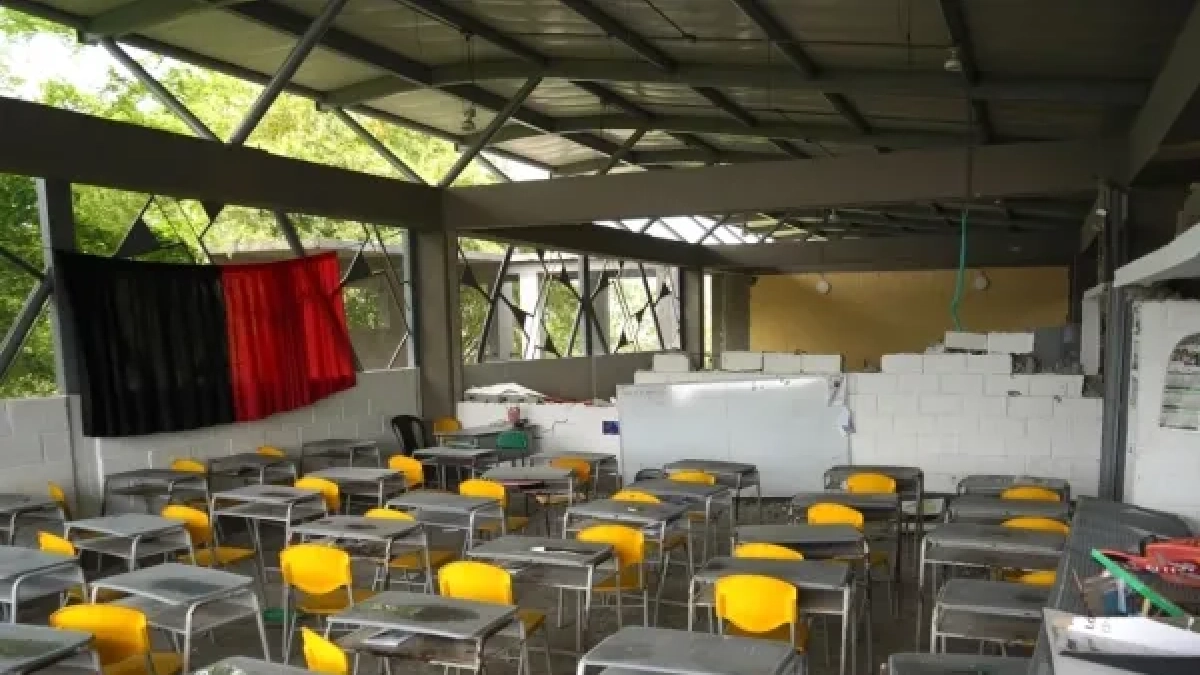
The findings, presented at the sixth edition of the Fundación Barco’s Education Forum, highlight a systemic failure in school infrastructure. The survey paints a grim picture of the conditions forcing students to "hold it" until they return home.
Key Factors for Avoidance:
- Water Scarcity: The primary deterrent, cited by 50 percent of students, is the lack of reliable water access. Without running water, handwashing and basic sanitation become impossible.
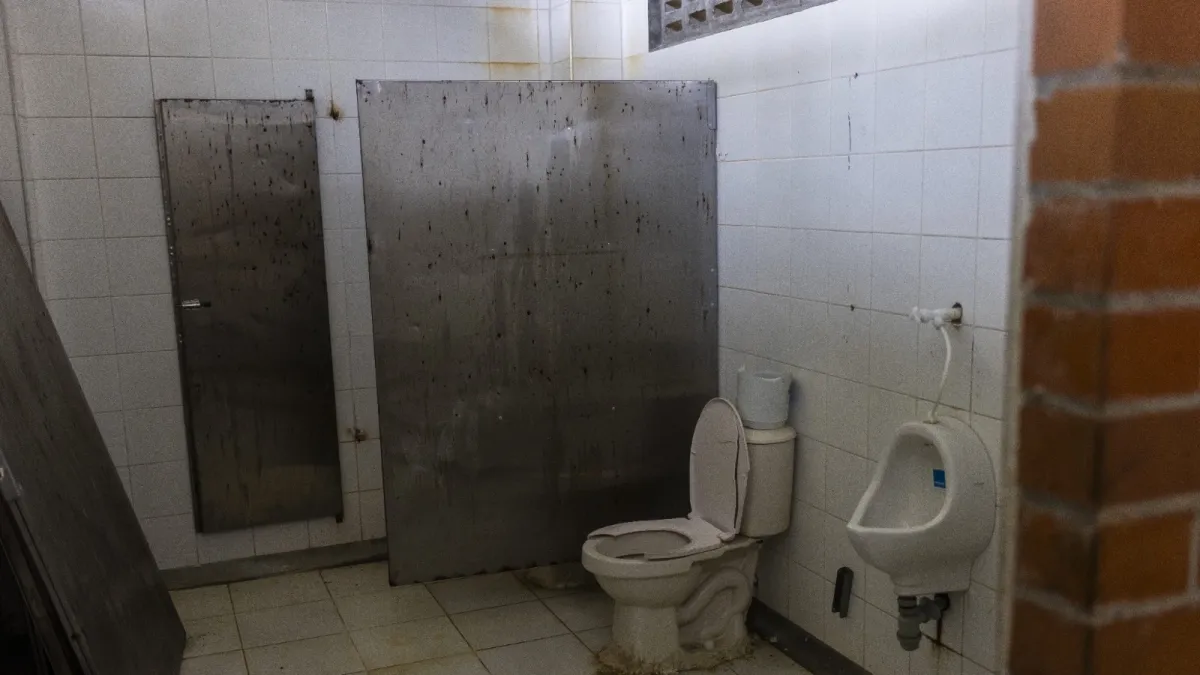
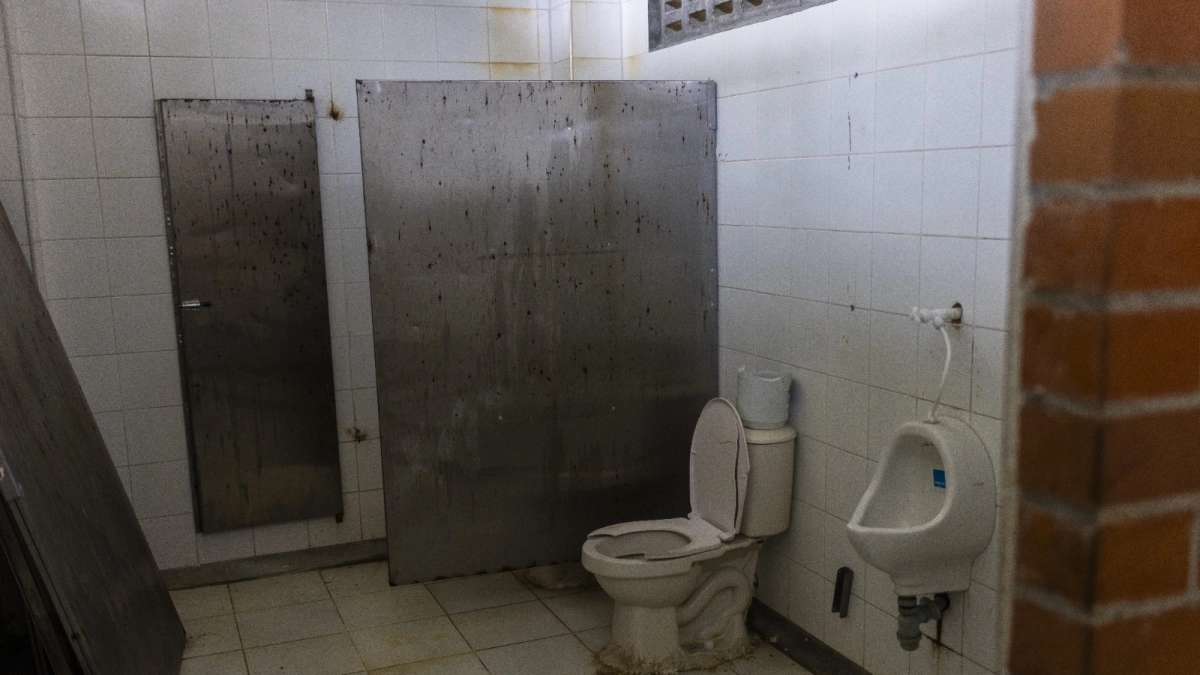
- Deteriorated Facilities: 40 percent of respondents pointed to the physical decay of the infrastructure. Broken toilets, doors that do not lock, and overflowing waste management systems are common complaints.
- Environmental Neglect: Poor lighting and insufficient ventilation are major contributing factors, turning bathrooms into uncomfortable or intimidating spaces.
The implications of these conditions are direct. Approximately 29 percent of those surveyed admitted that the state of school bathrooms has led them to contemplate skipping school entirely or leaving campus early. This is not merely a preference for comfort; it is a direct obstacle to the right to education.
Chronology of the Crisis and the Call to Action
While the issue of school sanitation has long been a concern for parents and educators, it has recently moved to the forefront of the national debate in Colombia.
- 2010: The United Nations General Assembly officially recognizes the right to safe drinking water and sanitation as an essential human right, foundational to the enjoyment of all other rights.
- 2026 (Early): Reports of school absenteeism due to poor hygiene begin to correlate with lower academic performance in rural and semi-urban districts.
- November 2026: The Fundación Barco presents its landmark survey during the Education Forum in Bogotá, formally linking sanitation infrastructure to student focus and attendance.
- Late 2026: The launch of the "Baños al Derecho" (Rights-Based Bathrooms) program, aimed at diagnosing the conditions in 725 rural schools across the Caribbean and the Eje Cafetero regions.
The Gendered Impact: A Disproportionate Burden
The data suggests that the lack of adequate sanitation does not affect all students equally. Female students face a significantly higher barrier to education due to the lack of private, hygienic, and well-maintained facilities.

The survey found that 55 percent of female students have been unable to use the bathroom when needed, compared to 44 percent of their male peers. Perhaps more alarmingly, 44 percent of girls stated they almost never use school bathrooms. This issue is magnified by the onset of menstruation. Up to 40 percent of female students surveyed have considered staying home during their menstrual cycles due to the lack of private, sanitary facilities.
This creates a cycle of inequality. Each month, these students lose days of instruction, falling behind their male counterparts. A bathroom that lacks basic privacy, water, and waste disposal facilities effectively acts as a deterrent to gender equality in the classroom.
Legal and Ethical Implications
The right to education, as established by international law and interpreted by the Colombian Constitutional Court, is not merely about access to a classroom seat. It includes the right to an environment that respects human dignity.

In the landmark Sentence T-175 of 2026, the Constitutional Court reaffirmed that the absence of adequate sanitary batteries constitutes a violation of the right to education. The Court reasoned that failing to provide these facilities directly compromises the dignity, personal integrity, and physical health of students.
"The right to education does not end with the provision of a school spot; it demands material conditions that allow for learning with dignity, staying in school, and participating on equal terms," stated Alfonso Otoya, General Director of the Fundación Barco. This legal framework forces policymakers to reconsider school maintenance not as a peripheral budgetary concern, but as a core educational necessity.
Official Responses and Strategic Solutions
Recognizing that the current situation is untenable, stakeholders have begun to coalesce around the "Baños al Derecho" program. The initiative is a multi-phased approach to resolving the sanitation gap.

The Three Pillars of the "Baños al Derecho" Initiative:
- Comprehensive Diagnosis: Mapping the specific needs of 725 schools. This phase is critical, as it identifies which schools require plumbing repairs, which need water storage solutions, and which require structural renovation.
- Infrastructure Improvement: Using the data gathered to prioritize funding and technical interventions to ensure that all participating schools meet basic international health standards.
- Cultural Appropriation: Recognizing that hardware is not enough, the program includes educational components to help school communities—students, parents, and faculty—take ownership of their facilities, ensuring they are maintained and respected long after the initial repairs are completed.
Expert Perspectives: A Collective Responsibility
The forum featured international experts who emphasized that the solution requires a departure from traditional "siloed" thinking. Francis L. de los Reyes III, a professor from North Carolina State University and an expert in sanitation microbiology, noted that sustainable solutions often require innovative, low-cost technologies that can be easily maintained at the local level.
Tania Vachon, a veteran in international development, stressed that the visibility of the problem is the most important step in resolving it. "We cannot fix what we do not measure," Vachon stated, emphasizing the need for better data collection across the country.
Local officials have also weighed in on the necessity of community engagement. Carlos Castañeda, from the Bogotá Secretary of Education, argued that involving students in the process of bathroom improvement is a pedagogical tool in itself. "Speaking with students and involving them in infrastructure improvements fosters a sense of stewardship for public property. Co-responsibility is the key to long-term sustainability," he said.

The Path Forward: Quality Beyond Content
The current crisis serves as a wake-up call for the educational sector. For too long, the focus of "educational quality" has been limited to curriculum development, standardized testing, and teacher training. While these are vital, the physical environment of the school remains the "hidden curriculum."
When a student spends the entire day in a state of physical discomfort, their cognitive capacity is hijacked by the need to manage their bodily functions. As the evidence from the Fundación Barco makes clear, you cannot teach a student who is preoccupied by the lack of basic human dignity.
Moving forward, the integration of public policy, private sector sustainability efforts, and academic rigor will be essential. As Diana Chingaté, head of corporate sustainability at Industrias Corona, noted, the goal must be to strip away the egos of various actors and focus on a singular, shared objective: providing the next generation with the basic infrastructure they need to learn, to grow, and to participate in society with the dignity they deserve.

The journey toward universal, quality sanitation in Colombian schools is just beginning. However, by transforming the "hidden crisis" into a national priority, the country has the opportunity to ensure that the schoolhouse is, at last, a place that supports, rather than hinders, the potential of every child.