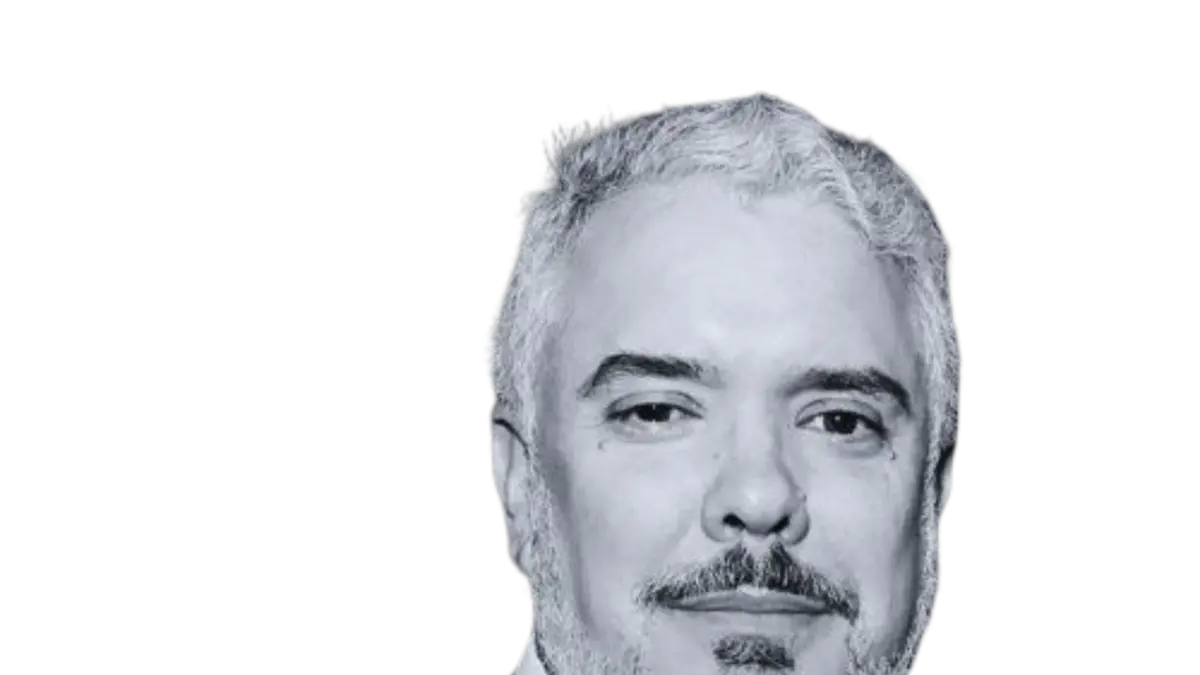
In an era where digital communication has become the primary battleground for social interaction, the degradation of language is often overlooked until it reaches a boiling point. Recently, a high-profile "influencer" on the social platform X (formerly Twitter) directed a derogatory slur at Humberto de la Calle, a prominent Colombian politician and intellectual. By calling him a "viejo marica" (an old queer), the aggressor intended to weaponize both age and sexual identity.
This incident serves as a prism through which we can examine the broader cultural malaise of our time: the weaponization of identity, the shifting semantics of derogatory language, and the cyclical, often hypocritical nature of ageism.
The Chronology of a Slur: From Affection to Weaponization
To understand the weight of these words, one must look at their linguistic trajectory. In the past, words like "viejo" (old man) could carry a tone of endearment, as immortalized in song and literature. Yet, language is not static; it is a living entity that often suffers from cultural pollution.

The Erosion of Meaning
Language reflects the society that speaks it. When a term once used for kinship is repurposed as a tool of disdain or to signal decrepitude, it reflects a society increasingly obsessed with the ephemeral value of youth. Similarly, the term "marica" has been stripped of its context by those who use it not to describe sexual orientation, but to attempt a clumsy, outdated form of character assassination.
For many, the defense against such slurs is to point out their inaccuracy. However, as De la Calle aptly notes, engaging in a defense based on the truth of the claim—or lack thereof—is a "poisoned trap." To defend oneself against being called a "marica" is to implicitly accept the premise that being gay is a moral failure. By refusing to dignify the slur with a rebuttal, the victim strips the aggressor of their intended power.
Supporting Data: The Legal Precedent of Speech
The intersection of offensive speech and the judicial system is not new to Colombian history. One of the most significant moments in recent years regarding the limits of expression involved the magazine SoHo.

The ‘SoHo’ Case and the Battle for Free Speech
Years ago, SoHo published a piece titled "La última cena" (The Last Supper), a visual allegory featuring a nude model surrounded by historical figures. Fernando Vallejo, a writer known for his blistering, irreverent prose, accompanied the images with a text describing Jesus in terms that caused an uproar among the conservative establishment.
Alejandro Ordóñez, then a polarizing figure in the Procuraduría (Inspector General’s Office), launched a criminal complaint against the magazine, its director, and its contributors. The subsequent legal defense, which De la Calle led pro bono, became a masterclass in the defense of free expression.
- The Defense Strategy: During the trial, the legal team conducted an empirical study, recording the usage of the term "marica" among students in Bogotá. The results proved that for the younger generation, the word had evolved into a colloquial filler or an informal address, devoid of its original hateful intent.
- The Outcome: The courts ultimately ruled in favor of the magazine, affirming that artistic and personal expression, even when provocative or offensive to the conservative sensibilities of a few, is protected under the constitution. This remains a cornerstone precedent for modern discourse in the region.
The Inevitability of Age: A Philosophical Perspective
The most profound element of the recent X-platform encounter is the attack on age. Ageism is a unique form of prejudice because it is the only one that applies to every human being who survives long enough to encounter it.

The Autogol of the Insult
When an influencer or any individual uses "old" as an insult, they are committing what can be described as a "pre-emptive strike against their future self." They are mocking a state of being that is an unavoidable, biological destiny.
Living to old age is not a crime, nor is it a sign of moral failing; rather, it is a testament to a life lived to its natural conclusion. To mock the elderly is to display a profound lack of historical and personal perspective. As the writer Gregorio Marañón once observed, "Nothing gives a better idea of a man’s premature aging… than his unconditional submission to the youth of others." By desperately clinging to the aesthetics of youth and viewing seniority with contempt, the aggressor is, ironically, the one who is aging prematurely in spirit.
Official Responses and Political Implications
The recent controversy also highlights the dangers of resurrecting political figures who operate under the guise of morality to suppress opposition.

The Coda: The Return of Old Dogmas
The mention of Alejandro Ordóñez in this context is not incidental. There is a worrying trend in political circles to "dust off" former hardline figures to gain legislative leverage or to manufacture a sense of moral equilibrium. This is a dangerous path.
The record of such figures, characterized by the use of disciplinary powers to persecute political opponents and the stigmatization of medical institutions providing legal healthcare, serves as a cautionary tale. When political discourse is reduced to the suppression of rights—whether through the use of slurs or the weaponization of the legal system—the democratic fabric is weakened.
Broader Implications for Digital Discourse
The incident serves as a microcosm of the current state of the internet. The digital sphere, once promised as a space for the democratization of knowledge, has become a megaphone for the reflexive and the cruel.

1. The Death of Nuance
The speed at which social media operates leaves no room for the complexity of human experience. A complex, elderly individual is reduced to a "viejo." A complex sexual identity is reduced to a slur.
2. The Responsibility of the ‘Influencer’
Those who command large digital audiences have a responsibility that they often shirk. By normalizing vitriol, they contribute to a culture where the "necio garrapateador" (the foolish scribbler of nonsense) is rewarded with engagement.
3. The Resilience of the Intellectual
Ultimately, the target of these slurs remains unmoved. The realization that the insults of the young—or the young at heart—are merely markers of their own impending future provides a stoic defense.

Conclusion: A Welcome to the End
The conflict between those who use language to degrade and those who use it to illuminate is an eternal one. As Humberto de la Calle suggests, there is a strange comfort in knowing that the cementerio (the graveyard) is the ultimate equalizer. When the digital aggressors finally arrive at the destination they so fear—the state of being "old"—they will find that the insults they once hurled at others have left them with no shield against their own reality.
In the final accounting, the capacity to grow old is a privilege denied to many. To live fully, to age with dignity, and to refuse to be defined by the shallow vitriol of the digital mob is the ultimate victory. The "influencer" may have his moment of viral spite today, but history—and the inexorable march of time—will have the final word. The graveyard is patient, and it will eventually welcome all those who have spent their limited time on earth barking at the shadows of their own inevitable future.