By Diana Vanessa Arévalo Correa
Redacción Últimas Notícias / International Desk Analysis
Published: September 10, 2026
Introduction: The Hidden Legacy of Ground Zero
Nearly 25 years after the catastrophic events of September 11, 2001, the city of New York has taken a monumental and long-overdue step toward historical transparency. On September 8, 2026, New York City Mayor Zohran Mamdani announced the public release of more than 170,000 pages of municipal records that lay bare a deeply troubling truth: local and federal authorities were acutely aware of the lethal toxicity of the air enveloping Lower Manhattan in the wake of the World Trade Center collapse, yet systematically downplayed the danger to limit institutional liability.
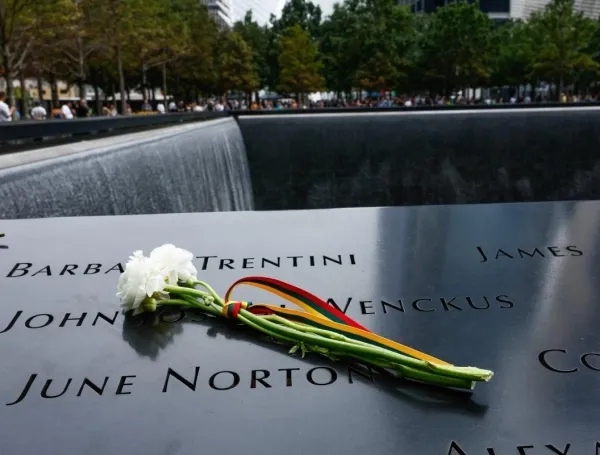
As the city prepares to mark the solemn silver jubilee of the terrorist attacks, the true human toll of September 11 has shifted from the immediate casualties of that fateful morning to a slow-motion health crisis. Today, statistics indicate that more people have died from illnesses directly linked to the toxic environment of Ground Zero than perished during the actual attacks.
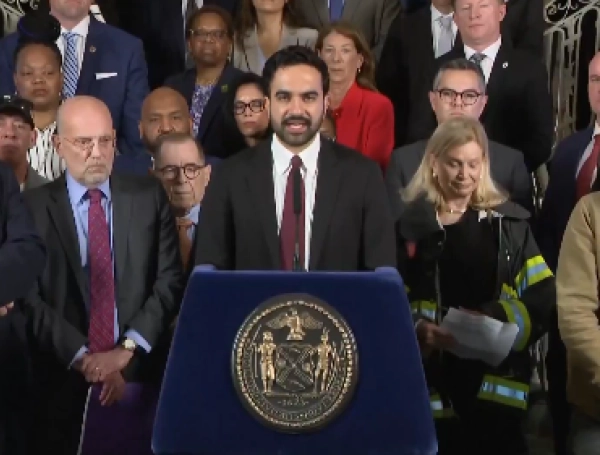
During a heavily attended press conference, Mayor Mamdani did not mince words regarding the institutional betrayal experienced by survivors, office workers, and first responders. "Workers of all kinds—firefighters, emergency personnel, desk employees—revive September 11 every single time they struggle for breath, every time they have to swallow a pill, and every time another dose of chemotherapy is administered," Mamdani stated.

This comprehensive report examines the newly unsealed documents, the chronology of the cover-up, the biological composition of the "Ground Zero cocktail," and the profound legal, political, and medical implications facing New York City a quarter of a century later.
Main Facts: What the Unsealed Archives Reveal
The trove of documents—released via a newly dedicated municipal web portal—comprises over 170,000 pages of internal memos, environmental assessments, inter-agency communications, and strategic briefings. According to Mayor Mamdani, these records explicitly demonstrate "what the city knew about the toxic air around Ground Zero, when it knew it, and how it acted to limit its liability."

Among the most damning revelations in the first wave of publications is the undeniable proof that municipal leadership possessed immediate data confirming the widespread presence of asbestos and other carcinogenic agents across examined sites in Lower Manhattan. Despite these internal findings, public messaging from city and federal officials in the autumn of 2001 repeatedly assured residents, students, and workers that the air was "safe to breathe."
"People got sick because leaders they trusted lied to them and told them it was safe to breathe toxic air," Mamdani declared. "Almost 25 years later, more people have died from 9/11-related illnesses than died on the day of the attack itself."
City officials have confirmed that the document dump represents only the first phase of a broader transparency initiative. Additional batches of records will be uploaded in the coming months. The administration has vowed that redactions will be strictly limited to personally identifiable information (PII) and specific structural safety evaluations of Lower Manhattan buildings that could still pose security vulnerabilities if published today.
Chronology of a Crisis: From the Dust Cloud to the Archives
To understand the weight of the newly released records, it is necessary to retrace the timeline of how the environmental disaster unfolded and how information was managed in the shadow of national trauma.
September 2001: The Immediate Aftermath
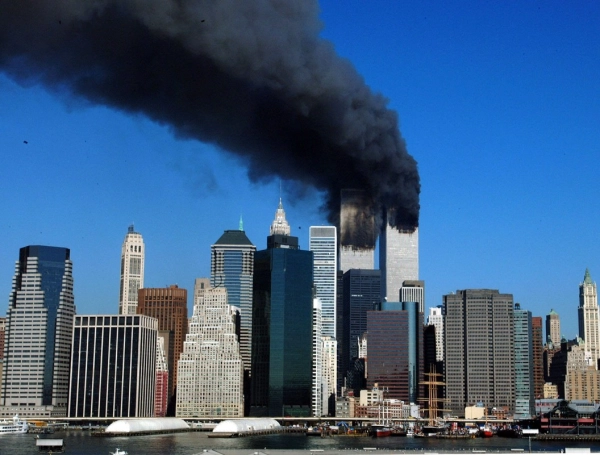
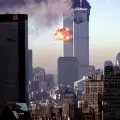
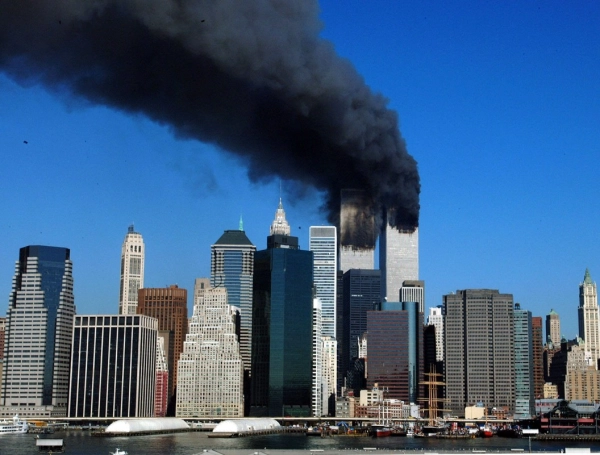
- September 11, 2001: Two hijacked commercial airplanes strike the Twin Towers of the World Trade Center, leading to their catastrophic structural collapses. A gargantuan, pulverized cloud of debris blankets Lower Manhattan, Brooklyn, and surrounding areas.
- Mid-to-Late September 2001: Environmental Protection Agency (EPA) statements, heavily influenced by inter-agency pressure, declare the air quality in the vicinity of the World Trade Center site to be safe or rapidly returning to normal levels. Workers re-enter downtown offices and schools reopen prematurely amidst lingering dust plumes.
The 2000s: The Emerging Health Epidemic
- 2010: The James Zadroga 9/11 Health and Compensation Act is signed into law after years of intense lobbying by first responders and advocates, establishing the World Trade Center Health Program (WTCHP) to monitor and treat lingering illnesses.
- 2015–2020: Medical consensus solidifies around the reality that exposure to Ground Zero toxins has triggered exponential spikes in rare cancers, chronic obstructive pulmonary disease (COPD), autoimmune disorders, and psychological trauma among rescue workers and local residents.
The Road to Transparency
- September 8, 2026: Mayor Zohran Mamdani convenes a press conference to announce the immediate declassification and online publication of over 170,000 pages of municipal records.
- September 10, 2026: Public access to the archives reveals direct evidence that city officials prioritized economic normalization and liability mitigation over public health warnings during the weeks immediately following the attacks.
Supporting Data: The Anatomy of Ground Zero Toxicity
The air quality surrounding the World Trade Center site in the days and weeks following September 11 was not merely polluted; it was a complex, pulverized chemical soup. According to comprehensive findings compiled by the World Trade Center Health Program and independent toxicological studies, the collapse of the Twin Towers acted as a massive industrial incinerator and pulverizer, atomizing millions of tons of building materials.
The resulting particulate matter and aerosolized chemicals included a lethal cocktail of elements:
- Asbestos: Widely used in the construction and fireproofing of the World Trade Center towers. When the buildings collapsed, hundreds of tons of microscopic asbestos fibers were released into the atmosphere. The World Health Organization (WHO) classifies all forms of asbestos as human carcinogens, directly linked to mesothelioma, lung cancer, and asbestosis.
- Heavy Metals: High concentrations of lead, cadmium, mercury, and nickel—derived from office electronics, wiring, and structural fixtures—were found embedded in the fine dust.
- Polycyclic Aromatic Hydrocarbons (PAHs): Resulting from the prolonged, low-temperature burning of jet fuel, office furnishings, plastics, and paper.
- Synthetic Vitreous Fibers: Ranging from fiberglass to mineral wool insulation materials, which cause severe irritation to the respiratory tract and skin.
- Concrete and Alkaline Dust: Pulverized cement created a highly caustic dust cloud with a high pH level, capable of severely burning mucous membranes, eyes, and lungs upon inhalation—a phenomenon famously known as the "World Trade Center cough."
Medical researchers point out that because the dust particles generated by the collapse were exceptionally fine—often less than 2.5 micrometers in diameter—they bypassed the human body’s natural filtration systems in the upper respiratory tract and penetrated deep into the pulmonary alveoli, entering the bloodstream and wreaking systemic havoc over decades.
Official Responses and Political Repercussions
The release of the 170,000-page archive has sent shockwaves through American politics, prompting fierce debates regarding governmental accountability, institutional trust, and the ethical responsibilities of leadership during national crises.
Mayor Mamdani’s administration has positioned this disclosure as an essential act of historical reckoning. By placing the blame squarely on past administrations and federal bodies for concealing known risks, the current city government seeks to validate decades of grievances voiced by grassroots advocacy groups, labor unions, and families of deceased first responders.
"One thing would have been if the government had stood by the survivors and provided them with everything necessary every step of the way," Mamdani emphasized during his briefing. Instead, the newly unearthed memos show a calculated effort by municipal bureaucrats to downplay environmental hazards to prevent widespread panic, deter economic flight from Manhattan, and shield the city from catastrophic financial liability.

Legal analysts predict that the unsealed records will serve as vital evidentiary support in ongoing and potential future litigation against municipal and federal agencies. While federal legislation like the Zadroga Act has provided essential financial compensation for medical treatment, survivors and victims’ families have long argued that full legal accountability and institutional apologies remained elusive.
Implications: A City Re-evaluating Its History
As New York City approaches the somber milestone of the 25th anniversary of the September 11 attacks, the revelations regarding the toxic air cover-up force a profound re-evaluation of the collective memory of that era.

The narrative is no longer solely one of heroic resilience in the face of external terror, but also one of internal institutional failure. Thousands of individuals who answered the call to rescue, rebuild, and work in the heart of Manhattan discovered years later that the air they trusted had become a silent killer.
Public health advocates hope that the newfound transparency will not only bring psychological closure to affected families but also serve as a cautionary blueprint for future emergency management. In crises of unprecedented scale, the temptation for authorities to manage public perception at the expense of transparent health warnings carries a generational cost—one measured not just in buildings lost to rubble, but in lives claimed decades after the dust has settled.