INTERNATIONAL DESK Published: October 29, 2026, 02:59 PM Updated: October 29, 2026, 03:29 PM
Main Facts
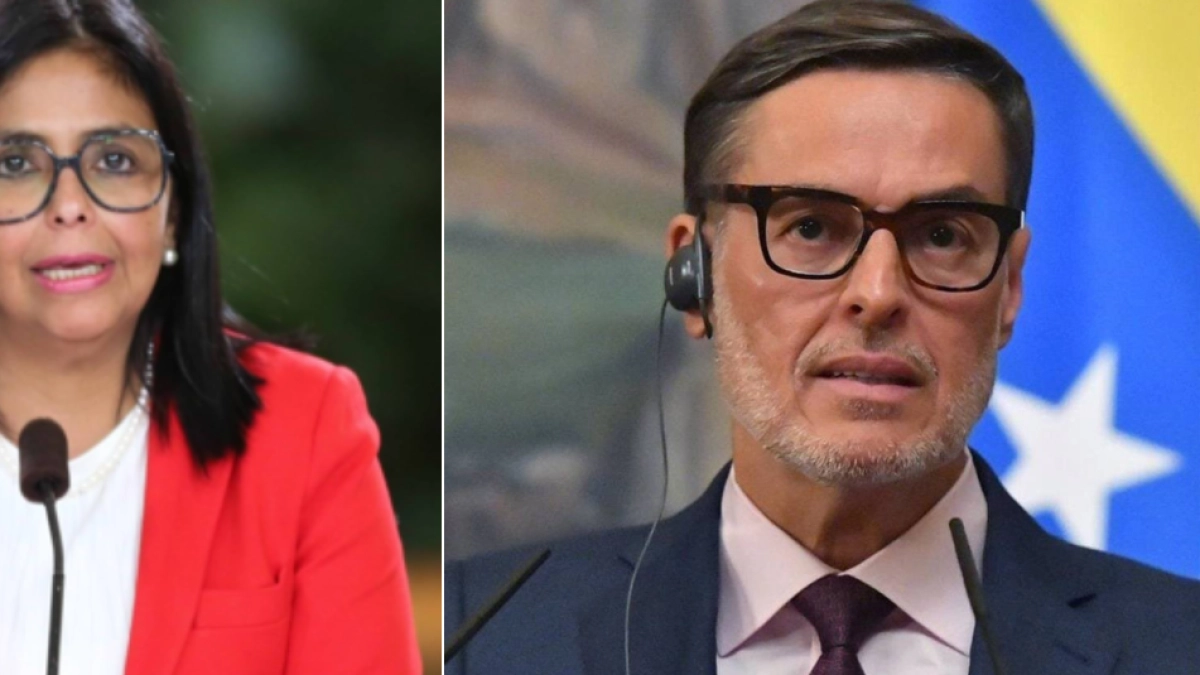
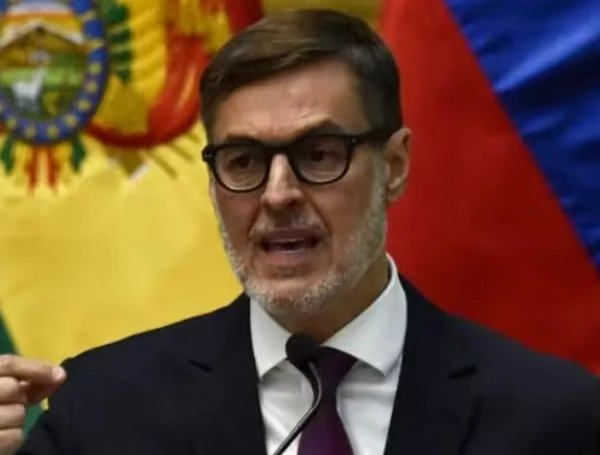
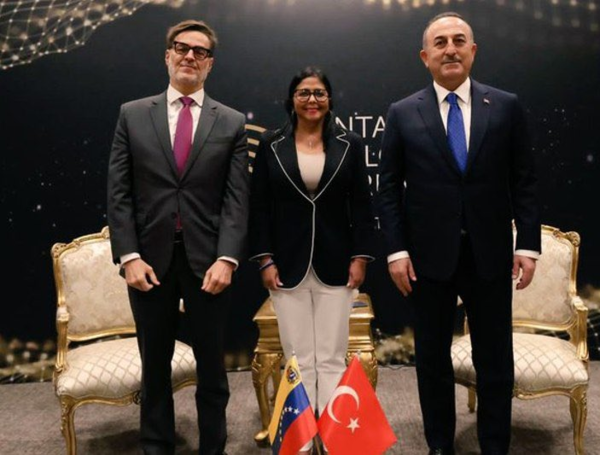
In a surprising and high-profile government shake-up, Delcy Rodríguez, the acting head of the regime in Venezuela, announced the removal of Félix Plasencia as Minister of Foreign Affairs on Thursday. Plasencia, a seasoned diplomat who had assumed the chancellorship only last July following his tenure as the regime’s representative to the United States, has been reassigned to a new strategic post.
Stepping into the crucial role of Chancellor is Oliver Blanco, who previously served as the Venezuelan Vice Minister for Europe and North America since February of this year. Blanco’s appointment marks a notable shift in the upper echelons of Venezuelan diplomacy, particularly given his earlier public statements noting that he does not hold official membership in the ruling party.
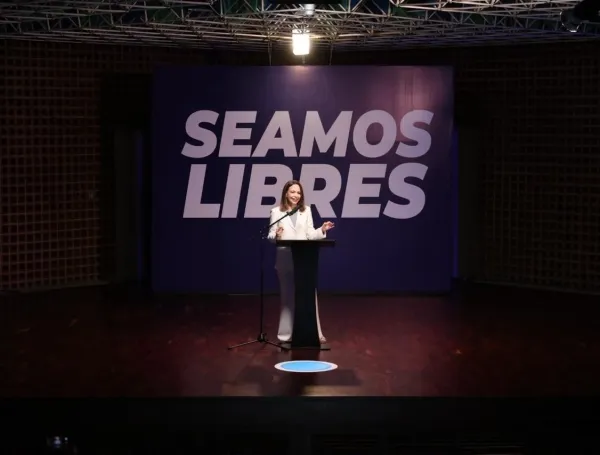
The restructuring of the foreign ministry comes at a volatile political crossroads for Caracas. While Rodríguez framed the leadership changes as part of a renewed push to recover approximately $2.000 million in gold reserves currently frozen in the Bank of England, international analysts view the move through the broader lens of mounting domestic and geopolitical pressure. The administration is currently facing intense scrutiny amid demands for democratic transition, renewed pressure for upcoming presidential elections, and the prominent return of opposition leader María Corina Machado to the Venezuelan political arena.
Alongside Blanco’s ascension to the Foreign Ministry, Rodríguez announced further structural modifications within the diplomatic corps. Marynna Saatdjian will fill the vacancy left by Blanco as the new Vice Minister for Europe and North America, while Saúl Ameliach—formerly a vice minister within the Ministry of Economy and Finance—will transition to lead the Viceministry of International Trade.
Chronology of Events and Diplomatic Shifts
The events leading up to this week’s ministerial overhaul reflect a rapid succession of strategic realignments designed to help the administration navigate both internal power dynamics and external pressures from Western powers, notably the United States and the United Kingdom.
Early 2026: Oliver Blanco is appointed as the Vice Minister for Europe and North America. Upon taking office, Blanco publicly distances himself from party militancy, framing his vision around establishing a "firm" foreign policy framework. Simultaneously, Félix Plasencia is deployed as a diplomatic representative to the United States in an effort to re-open communication channels with Washington and the incoming U.S. administration.
July 2026: Félix Plasencia is appointed Minister of Foreign Affairs, replacing Yván Gil, with Delcy Rodríguez heralding his arrival as the catalyst for a "new stage" in Venezuela’s international relations.
October 28, 2026 (Wednesday): Rodríguez formally petitions the Ministry of Foreign Affairs and the Office of the Attorney General to initiate immediate legal and diplomatic maneuvers aimed at retrieving roughly $2 billion in sovereign gold reserves held in the United Kingdom.
October 29, 2026 (Thursday): In a televised broadcast on state-run Venezolana de Televisión, Rodríguez shocks political observers by removing Plasencia from the chancellorship after less than five months on the job. She immediately elevates Oliver Blanco to the post of Minister of Foreign Affairs. During the same address, Plasencia is designated as the new Director of International Affairs of the Presidency of the Republic, with the explicit, primary mandate of relocating to the UK to spearhead the recovery of the frozen gold.
Late October 2026: Concurrently, opposition leader María Corina Machado returns to Venezuela, declaring that the nation’s democratic transition is now "irreversible," compounding the sense of political urgency surrounding the regime.
Supporting Data and Biographical Profiles
To understand the weight of these administrative changes, it is necessary to examine the backgrounds of the primary figures involved, as well as the economic stakes driving the current foreign policy agenda.
Félix Plasencia: The Diplomat on a Mission to London
Born in Maracay in 1972, Plasencia is a career diplomat who completed his undergraduate studies in International Relations at the Universidad Central de Venezuela, followed by advanced academic training in various European institutions. Over his career, Plasencia has occupied some of the most sensitive posts in Venezuelan foreign service:
Viceministerial roles: He previously held positions guiding regional portfolios within the foreign ministry.
Minister of Foreign Affairs (2021–2022): Managed the country’s foreign policy during a critical period of post-pandemic diplomatic re-engagement.
Ambassadorships: Served as Venezuela’s chief envoy to both the People’s Republic of China and the United Kingdom, granting him critical familiarity with Anglo-Saxon legal frameworks and financial systems.
U.S. Envoy (Early 2026): Tasked with probing pathways for dialogue with Washington before stepping into the chancellorship in July.
Despite his close ties to the inner circle of power—specifically his alignment with Delcy Rodríguez and Assembly President Jorge Rodríguez—Plasencia’s tenure as foreign minister was abruptly cut short. Explaining his new assignment during her broadcast, Rodríguez stated:
"I told [Plasencia] that his first task was to settle in the United Kingdom until we recover the gold that belongs to Venezuelans… He will be there performing the essential tasks and strategies required by our country."
Oliver Blanco: A Non-Partisan Pragmatist
Oliver Blanco steps into the top diplomatic post following a brief yet impactful stint as Vice Minister for Europe and North America. When he assumed the vice-ministerial post in February, Blanco emphasized his independent political status, stressing that he did not belong to the ruling party while advocating for a pragmatic yet robust external posture. His elevation to the chancellorship signals an attempt by the administration to project administrative competence and institutional continuity rather than partisan rigidity in its dealings with Western capitals.
The Financial Stakes: The Bank of England Gold Reserves
At the heart of Plasencia’s new mission lies a bitter, multi-year financial dispute. The Venezuelan government has long sought access to approximately $2 billion in gold bullion deposited in the vaults of the Bank of England. Following competing claims of political legitimacy in Venezuela, British courts previously restricted access to these reserves, ruling that the UK recognized Juan Guaidó’s parallel administration rather than the central government in Caracas. With the political landscape shifting and the administration pushing aggressively to reassert sovereign control over external assets, the regime is doubling down on legal and diplomatic strategies to force the release of the bullion.
Official Responses and Political Context
The timing of the cabinet reshuffle has drawn intense scrutiny from both domestic critics and international observers, occurring against a backdrop of escalating political pressure.
The Shadow of María Corina Machado and U.S. Policy
The administrative changes in Caracas coincide directly with the high-profile return of opposition leader María Corina Machado to Venezuela. Addressing supporters and the press, Machado asserted that the country’s momentum toward a democratic transition has become "irreversible."
Furthermore, the administration of U.S. President Donald Trump continues to apply strategic pressure, endorsing a comprehensive roadmap for political normalization. This international framework envisions the systematic renewal of critical state institutions—specifically the Supreme Tribunal of Justice (TSJ) and the National Electoral Council (CNE)—in the coming months. Under the proposed international parameters, these democratic reforms are intended to culminate in Delcy Rodríguez declaring the presidency vacant and opening a six-month window for democratic, internationally monitored presidential elections.
Internal Power Dynamics
Inside the ruling apparatus, Plasencia’s removal has raised eyebrows. Political analysts note that Plasencia is widely regarded as part of the core, trusted inner circle surrounding the Rodríguez siblings. Moving such a loyal and experienced troubleshooter out of the active chancellorship and dispatching him to London indicates that the recovery of the Bank of England gold is treated by the executive branch not merely as a routine legal matter, but as an existential financial and political priority.
Implications for Venezuela’s Foreign Policy
The transition from Félix Plasencia to Oliver Blanco at the Ministry of Foreign Affairs carries profound implications for Venezuela’s international posture:
A Dual-Track Diplomatic Strategy: By retaining Plasencia’s expertise for the specific task of asset recovery in the UK while installing Blanco at the helm of the ministry, Caracas is attempting to compartmentalize its economic salvage operations from its day-to-day international relations.
Bridging the Western Divide: Both Plasencia and Blanco have extensive experience dealing with North American and European nations. Blanco’s non-partisan background may provide a modicum of diplomatic flexibility as Caracas seeks to manage relations with Washington under a strict U.S. policy framework.
Navigating Domestic Uncertainty: As external actors and domestic opposition forces—bolstered by Machado’s return—intensify demands for electoral timelines and institutional overhauls, the Foreign Ministry will serve as the primary diplomatic shield for the administration. Whether Blanco can steer Venezuelan foreign policy through this turbulent period of transition will depend heavily on the regime’s willingness to engage constructively with international demands for democratization.
Kabul, Afghanistan – July 21, 2026 – Afghanistan is once again reeling from the devastating impact of torrential rains and flash floods, which have claimed at least 20 lives and left over 100 people missing…
By Pablo Pachón Ramírez Digital Outreach Desk, EL TIEMPO Updated: September 11, 2026 Main Facts: A Community in Mourning Over a Tragic Loss The digital content creation community and the residents of Ciudad Obregón, Sonora,…
Washington D.C., July 16, 2026 – A severe outbreak of cyclosporiasis, a parasitic infection, has swept across the United States, sickening thousands and prompting a nationwide investigation. A key ingredient used by the popular fast-food…