GENEVA — In a pivotal development for global public health governance, the World Health Organization (WHO) officially announced this Thursday that its Member States have put forward a diverse and highly credentialed slate of seven candidates vying to become the organization’s next Director-General.
The announcement sets in motion a rigorous, multi-month diplomatic and administrative process that will culminate in May 2027, when the 80th World Health Assembly officially appoints the successful candidate. The newly appointed leader will subsequently assume office on August 16, 2027, stepping into one of the most influential and demanding roles in international diplomacy.
The race to lead the specialized United Nations agency comes at a critical juncture for international health cooperation. As the world continues to grapple with the lingering socioeconomic impacts of the COVID-19 pandemic, persistent geopolitical fractures, escalating climate-related health emergencies, and chronic underfunding in healthcare systems across the Global South, the next Director-General will face an unprecedented array of systemic challenges.
The Main Facts
According to the official communication released by the WHO headquarters in Geneva, the nomination window closed with a total of seven contenders officially endorsed by their respective governments. The candidate pool reflects a broad geographic and professional distribution, featuring seasoned epidemiologists, high-ranking government ministers, veteran diplomats, and recognized leaders in clinical and public health practice.
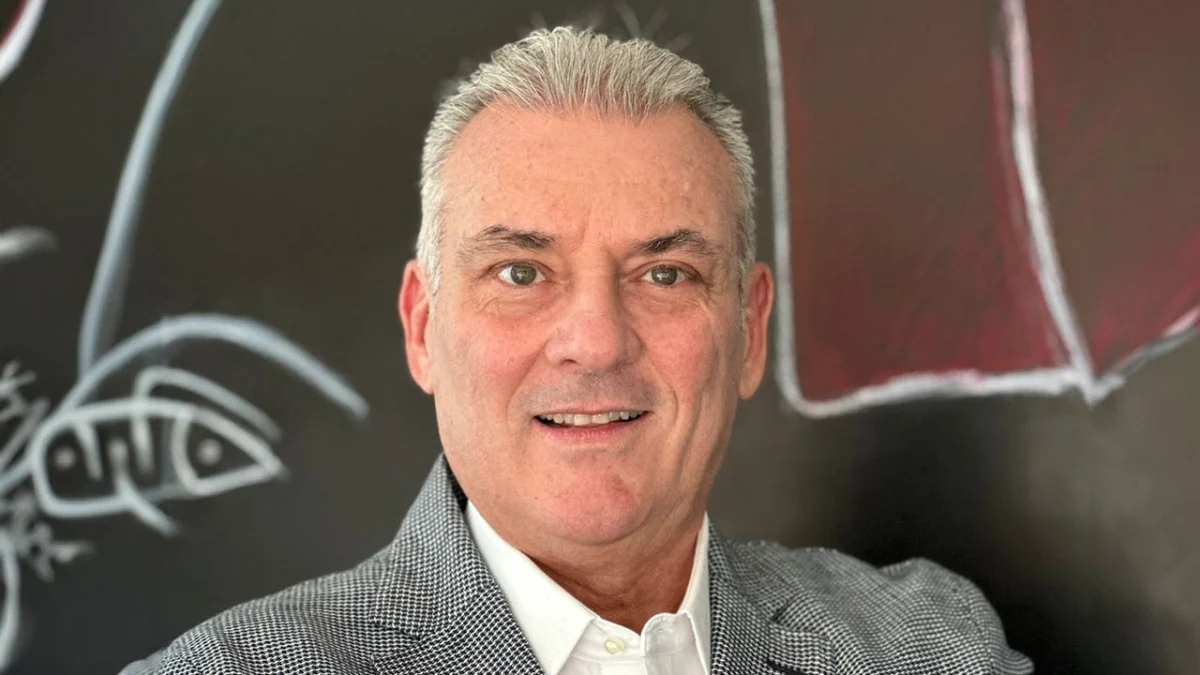
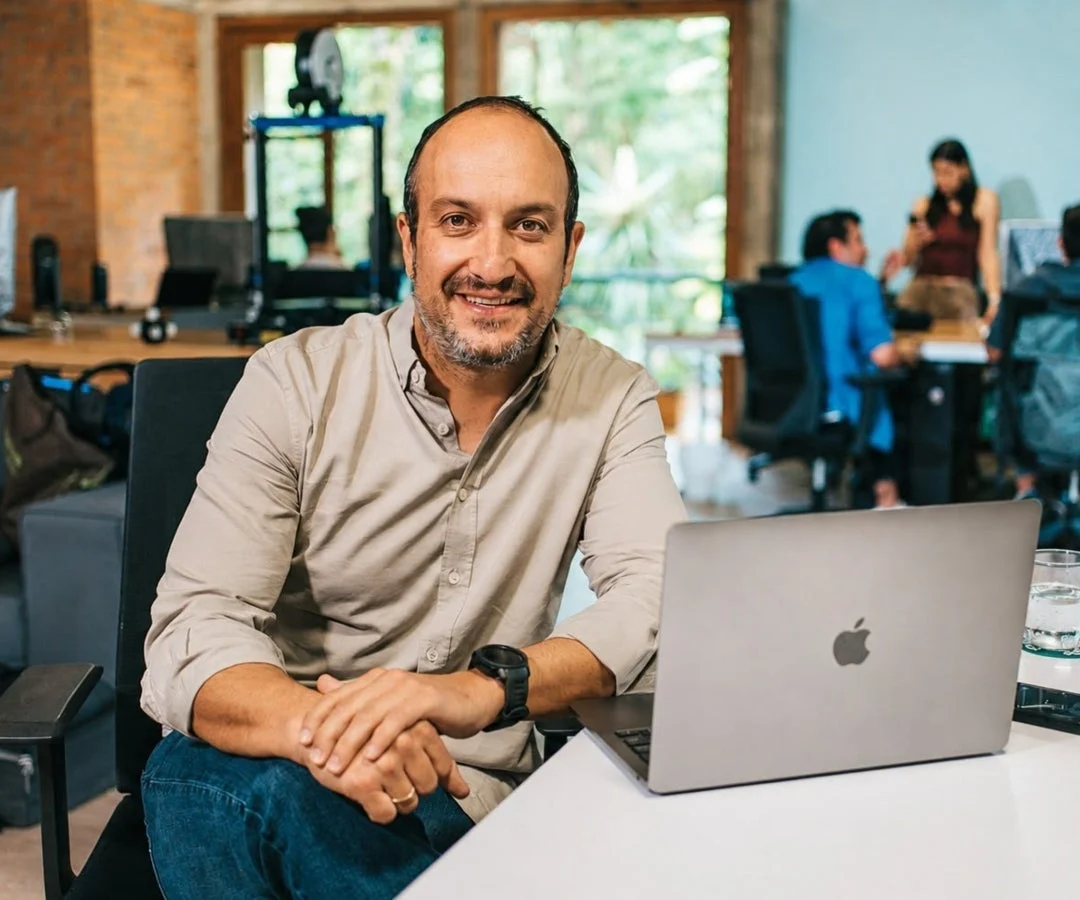
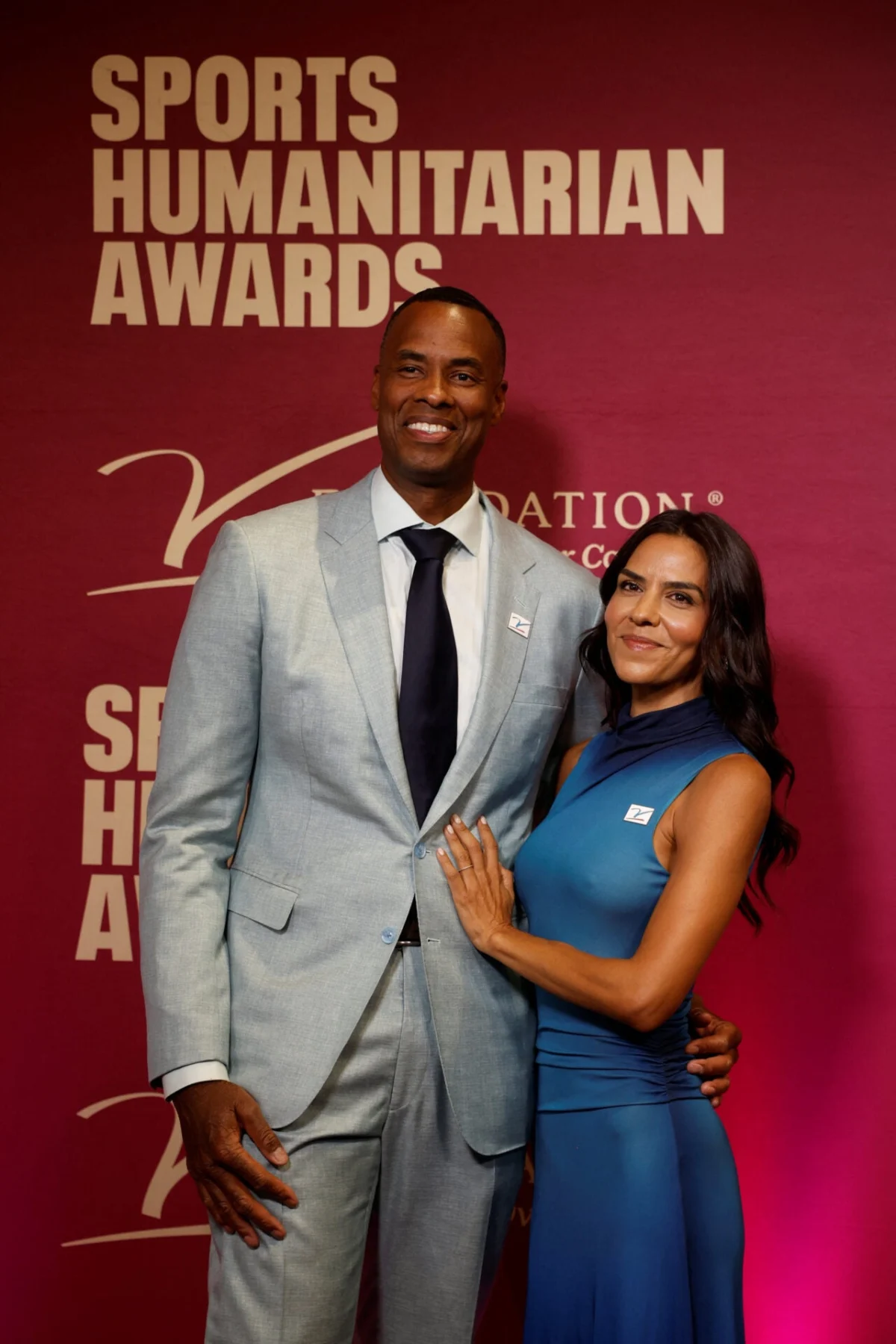
The seven officially designated candidates are:
- Mohammed Al-Kuwari
- Hanan Balkhy
- Hans Henri P. Kluge
- María P. Neira
- Budi Gunadi Sadikin
- Li Song
- Gevorg Tamamyan
This high-stakes election will determine who succeeds the incumbent leadership to steer the Geneva-based organization through an era defined by rapid technological disruption in medicine, antimicrobial resistance (AMR), mental health crises, and the urgent need to overhaul global pandemic prevention, preparedness, and response (PPPR) frameworks.
The selection process is governed by stringent internal regulations designed to ensure transparency, meritocracy, and equitable geographic representation, while giving all 194 Member States a voice in shaping the future of global health security.
Chronology of the Electoral Process
The path to the August 2027 inauguration is a meticulously structured timeline mandated by the WHO’s Executive Board and the World Health Assembly rules of procedure. Understanding this chronology is essential for tracking how the global health community will vet and ultimately select its next chief executive.
Phase 1: Nomination and Submission (Completed)
The formal process began months prior to the public announcement, with the opening of the call for nominations by the WHO Executive Board. Member States were invited to submit the names of qualified candidates accompanied by comprehensive curricula vitae, medical or public health credentials, and statements of vision. The deadline closed this week, resulting in the confirmation of the seven official candidates.
Phase 2: Vetting and Executive Board Scrutiny (Late 2026)
In the coming months, the candidates will undergo rigorous administrative screening to ensure they meet all constitutional and professional requirements. Following this, the candidates will prepare for the pivotal Executive Board session scheduled for early 2027. During this meeting, the 34 members of the Executive Board—representing geographically diverse regions—will interview the candidates in a series of closed and open sessions.
Phase 3: Shortlisting
During the Executive Board session, members will conduct a secret ballot to narrow down the pool of seven candidates to a short list, typically consisting of up to five nominees (though exact numbers depend on specific procedural thresholds). These shortlisted candidates will be formally presented to the World Health Assembly.
Phase 4: The 80th World Health Assembly (May 2027)
In May 2027, delegates from all WHO Member States will convene in Geneva for the landmark 80th World Health Assembly. A key agenda item will be the plenary debate and final election. Through a formal vote, the Assembly will select the definitive candidate to lead the organization.
Phase 5: Transition and Assumption of Office (August 16, 2027)
Following the appointment in May, an intensive transition period will commence. The incumbent leadership will work in tandem with the newly appointed Director-General to ensure institutional continuity, brief them on ongoing emergency operations, and facilitate a seamless handover. On August 16, 2027, the new Director-General will officially take the helm of the organization.
Supporting Data and Institutional Context
The significance of this election cannot be overstated when viewed against the backdrop of the WHO’s operational scope, budget constraints, and historical mandate. Headquartered in Geneva, Switzerland, the organization operates across six regional offices globally, coordinating responses to disease outbreaks, establishing normative health guidelines, and supporting countries in achieving Universal Health Coverage (UHC).
Historically, the position of WHO Director-General has been held by prominent public health leaders and politicians who have left distinct marks on global health architecture:
- Dr. Tedros Adhanom Ghebreyesus (Ethiopia), the first African to lead the organization, spearheaded the global response to the COVID-19 pandemic, monkeypox (mpox) outbreaks, and humanitarian health crises in conflict zones such as Gaza, Sudan, and Ukraine.
- Dr. Margaret Chan (China) guided the agency through the 2009 H1N1 influenza pandemic and the devastating 2014–2016 West African Ebola crisis, prompting major structural reforms in the WHO’s emergency response mechanisms.
- Dr. Gro Harlem Brundtland (Norway) focused heavily on tobacco control, mental health, and the establishment of the Framework Convention on Tobacco Control (FCTC) during her tenure.
Financial realities also frame the context of this election. While the WHO’s mandated budget has traditionally relied on assessed contributions from Member States—which historically accounted for a fraction of its total operating capital—the organization has become increasingly dependent on voluntary contributions from member governments, philanthropic foundations, and private donors. Navigating this complex funding landscape while maintaining institutional independence will be one of the foremost tests for the incoming Director-General.
Official Responses and Stakeholder Reactions
Following the public disclosure of the seven candidates, international organizations, diplomatic missions, and public health advocacy groups have begun issuing statements evaluating the breadth and depth of the field.
A senior WHO official, speaking on condition of anonymity due to the neutrality required during electoral cycles, noted: "The caliber of the candidates nominated by Member States demonstrates the enduring prestige and vital importance of the World Health Organization. Each nominee brings a unique set of professional experiences—ranging from health economics and clinical research to crisis diplomacy and national health system administration."
Civil society networks and global health watchdogs have emphasized the need for absolute transparency throughout the campaign trail. Organizations focused on transparency in international governance have called for open debates, live-streamed candidate hearings, and clear disclosures of campaign financing to prevent undue political influence from powerful donor states or corporate entities.
Furthermore, regional blocs have begun internal consultations. Representatives from the African Union, the European Union, the Association of Southeast Asian Nations (ASEAN), and the Pan American Health Organization (PAHO) are expected to weigh the strategic priorities of their respective regions, balancing the demand for localized health equity with the necessity of a cohesive global health security apparatus.
Implications for Global Health Security and Diplomacy
The appointment of a new Director-General in August 2027 carries profound strategic implications for the future of international relations and human security.
1. Pandemic Agreement and Global Health Architecture
Negotiations surrounding the international pandemic agreement (often referred to as the pandemic treaty) have exposed deep divisions between high-income and low- and middle-income countries regarding intellectual property rights, pathogen access, and the equitable distribution of countermeasures like vaccines and therapeutics. The incoming Director-General will inherit the responsibility of bridging these diplomatic divides, ensuring that global legal instruments are robust enough to withstand future health shocks.
2. Geopolitical Competition in Multilateral Spaces
Global health has increasingly become a theater for geopolitical competition, particularly between major superpowers like the United States and China, alongside rising regional powers. The candidate selection process will inevitably reflect these underlying tensions. The successful candidate must possess exceptional diplomatic dexterity to navigate competing national interests while fiercely safeguarding the scientific integrity, neutrality, and independence of the WHO.
3. Climate Change and Health Interventions
As the scientific consensus solidifies around the catastrophic health impacts of climate change—ranging from the expanded geographical vector of infectious diseases like malaria and dengue to the direct health consequences of extreme heatwaves and food insecurity—the WHO’s mandate must evolve. The next leader will be tasked with positioning public health at the very center of global climate negotiations, advocating for green health systems and resilient infrastructure.
4. Strengthening Primary Healthcare and Universal Health Coverage
Beyond emergency response, the day-to-day mission of the WHO centers on helping nations build resilient primary healthcare systems. Chronic conditions—such as cardiovascular diseases, cancer, diabetes, and mental health disorders—account for the vast majority of global mortality, yet they frequently receive a fraction of emergency-focused funding. The incoming chief will need to champion sustainable, long-term investments in domestic health systems, particularly in vulnerable and marginalized communities.
Conclusion
As the World Health Organization moves closer to its milestone 80th session in May 2027, the eyes of the international community are firmly fixed on Geneva. The vetting, debate, and eventual selection of the next Director-General will not merely be an administrative appointment; it will serve as a definitive referendum on the direction of multilateral health cooperation for the coming decade.
With Mohammed Al-Kuwari, Hanan Balkhy, Hans Henri P. Kluge, María P. Neira, Budi Gunadi Sadikin, Li Song, and Gevorg Tamamyan now officially in the running, Member States face a consequential choice. The leader who takes the oath of office on August 16, 2027, will shoulder the immense responsibility of guiding humanity through an unpredictable future—where public health, geopolitical stability, and global survival are inextricably linked.