

By Editorial Staff
Published: July 24, 2026
In an era where environmental, social, and governance (ESG) criteria have moved from peripheral corporate initiatives to the core of business viability, the latest results of the Index of Corporate Social and Environmental Investment (IISAE) have set a new benchmark for Colombian industry. The 2025 ranking, conducted by the consultancy firm Arteaga Latam, highlights how the nation’s leading corporations are pivoting toward a model where social impact is not merely a philanthropic footnote, but a fundamental pillar of their long-term business strategy.
After evaluating 318 companies across the country, the study—now in its tenth edition—reveals that the most successful organizations are those that have managed to synchronize their profitability with the welfare of the communities and ecosystems in which they operate.
The Vanguard of Corporate Sustainability: The 2025 Top Tier
The 2025 IISAE ranking identifies Bavaria as the leading entity in the country regarding social and environmental investment performance. The company’s top position underscores a consistent, long-term commitment to sustainability that permeates its entire value chain. Following closely in the second position is Alquería, a firm recognized for its dedication to social welfare and environmental stewardship, while PepsiCo Colombia rounds out the podium in third place.
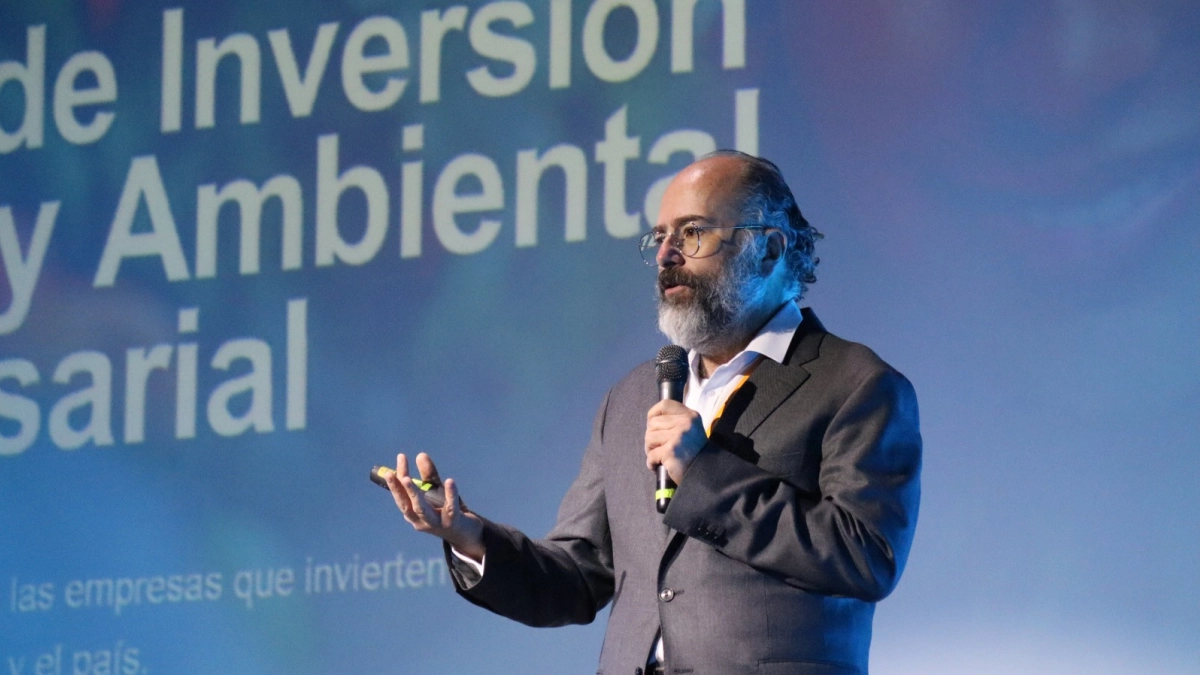
The top five is completed by two heavyweights of the industrial and energy sectors: Ecopetrol S.A., which secured the fourth position, and Esenttia, which took fifth place. These results, according to Jaime Arteaga, General Director of Arteaga Latam, demonstrate that "even in a challenging economic environment, numerous companies are proving in practice that ‘better is always possible’ when it comes to balancing corporate objectives with social development."
The top ten is further distinguished by a diverse array of sectors, including:

- 6th: Organización Carvajal S.A.
- 7th: Colsubsidio
- 8th: Cementos Argos
- 9th: Compañía Nacional de Chocolates
- 10th: Corona Industrial S.A.S.
A Comprehensive Methodology: Moving Beyond Mere Spending
A critical aspect of the IISAE is that it does not simply rank companies based on the total volume of capital invested. Instead, it employs a sophisticated, multidimensional metric designed to assess the quality and strategic alignment of these investments.
Jaime Arteaga explains that the methodology was developed to move away from the traditional "checkbook philanthropy" model. Instead, the index evaluates five core dimensions:
- Strategic Integration: How deeply are social and environmental components embedded within the core business strategy and executive decision-making?
- Management and Execution: The rigor applied to planning, monitoring, and evaluating the impact of social and environmental projects.
- Proportional Financial Effort: An analysis of the investment relative to the company’s size and profitability, ensuring a fair assessment of the commitment level.
- Articulated Capacity: The ability to form high-impact alliances with the public sector, international cooperation agencies, and local communities.
- Recognition and Peer Valorization: The level of acknowledgment received for sustainability practices, diversity, inclusion, and environmental management.
This "360-degree" view allows the index to recognize companies that may not have the largest budgets but demonstrate superior efficiency, innovation, and genuine social impact.
Chronology and Context: Ten Years of Measuring Change
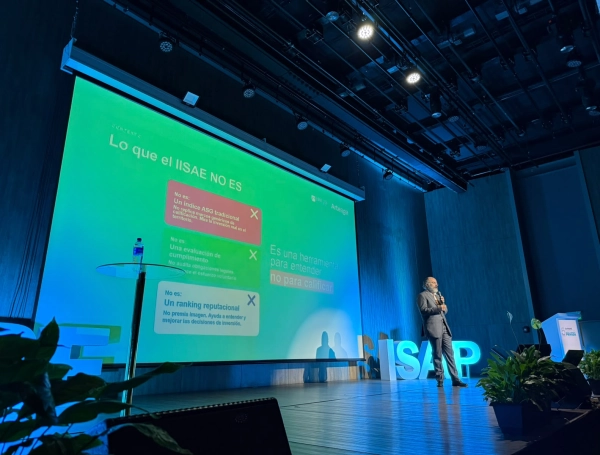
The presentation of these results took place during the Fifth Private Social and Environmental Investment Summit, held on July 23 and 24, 2026, at the Hall 74 in Bogotá. This event served as a focal point for industry leaders, policymakers, and academics to reflect on a decade of progress.
Over the last ten years, the IISAE has tracked a dramatic shift in the corporate landscape. Initially, social investment was largely disconnected from the business model—often treated as a side project or a public relations exercise. Today, the data shows that the most successful firms are those that view their investment as a form of risk mitigation and long-term value creation.
However, the journey has not been without hurdles. Recent reports indicate that while companies collectively channeled 19 trillion pesos into social and environmental initiatives, the broader social expenditure in the country has faced pressure, with a 16% decline in some sectors over the last three years. This makes the achievements of the top 30 ranked companies all the more significant, as they have managed to maintain high levels of investment despite macroeconomic headwinds.

Sectoral Distribution: The Top 30 Landscape
The top 30 list serves as a microcosm of the Colombian economy, featuring a mix of massive multinationals, regional giants, and institutional players. Following the initial top ten, the first block of the ranking is solidified by Postobón, Colanta, Uniban, Banco Davivienda, and Claro Colombia (Comcel S.A.).
The second block, which includes positions 16 through 30, reflects a broader diversity of sectors including education, energy, and retail. Alpina leads this segment, followed by organizations such as Incolmotos Yamaha, Air-e, Universidad Eafit, GreenLand Investments, Universidad Simón Bolívar, Natura Cosméticos, Incauca, Oleoducto de los Llanos Orientales (ODL), Fundación Cardioinfantil, Promigas, Fundación Clínica Universitaria Bolivariana, Acesco, SierraCol Energy, and Comfenalco Valle Delagente.
Beyond the top 30, the study identified an additional 20 companies as "outstanding," completing the top 50. This list includes stalwarts such as Smurfit Westrock, Nestlé, Cerrejón, Sura, Casa Luker, Mineros S.A., Procafecol, Celsia, Terpel, Grupo Manuelita, Enel Colombia, Colgate Palmolive, Nalsani (Totto), Hocol, Griffith Foods, Tetra Pak, Banco de Bogotá, Minera El Roble, Agropecuaria Aliar, and Constructora Bolívar.

Official Perspectives: The Value of Data-Driven Sustainability
During the summit, industry leaders emphasized that the IISAE is not merely a ranking but a tool for organizational transformation. By providing clear metrics, the index encourages firms to standardize their reporting, thereby increasing transparency for shareholders and stakeholders alike.
"The goal," noted one summit participant, "is to ensure that social investment is seen as an investment in the stability and growth of the country, not as an expense." The integration of environmental concerns is particularly critical, as firms face increasing pressure from both global markets and local regulations to reduce their carbon footprint and ensure the sustainable use of resources.
Implications for the Future of Colombian Business
The 2025 IISAE results carry several profound implications for the future of the Colombian private sector:

1. The Normalization of ESG Metrics
The success of companies in the top tier confirms that ESG is no longer a "nice-to-have" but a competitive advantage. Companies that ignore these metrics risk falling behind in access to capital, talent attraction, and consumer loyalty.
2. The Power of Public-Private Partnerships
A recurring theme in the top-ranked firms is their capacity to build bridges. Whether it is working with the government to improve infrastructure or partnering with NGOs to boost educational outcomes, the most successful companies are those that act as collaborators rather than isolated entities.
3. Resilience Through Purpose
As the global economy faces volatility—exemplified by recent trade challenges and shifting tariff landscapes—companies with a strong social foundation have proven to be more resilient. Their connection to local communities provides a level of "social license to operate" that acts as a buffer against market shocks.

4. Continuous Improvement as a Culture
The fact that the ranking is updated annually forces firms to avoid complacency. The presence of both established giants and agile newcomers in the top 50 suggests that the field is highly competitive and that innovation in social management is a constant requirement.
Conclusion: A Call to Action
The 2025 Index of Corporate Social and Environmental Investment provides more than just a list of winners; it provides a roadmap for the future. As Colombia navigates an increasingly complex global environment, the role of the private sector in fostering sustainable development has never been more vital.
The companies highlighted in this year’s index—from the leaders like Bavaria and Alquería to the broader group of top 50 firms—are setting a standard for what it means to be a modern, responsible enterprise. They demonstrate that by aligning business strategy with the needs of the environment and society, companies can not only survive but thrive in the decade to come. The challenge now is for the remaining hundreds of organizations in the country to adopt these practices, turning the "exception" of responsible investment into the "rule" of the Colombian business landscape.