By International News Desk
Updated: July 24, 2026
The fragile stability that defined the early summer months in the Middle East has effectively disintegrated. As of this Friday, July 24, 2026, the ongoing military standoff between the United States and the Islamic Republic of Iran has spiraled into a series of intense, reciprocal strikes, effectively nullifying the ceasefire agreement that had been painstakingly negotiated in June. With the United Kingdom now stepping into the fray with a stern warning to Tehran, the international community fears that the region is teetering on the edge of an uncontrollable conflagration.
The Current State of Hostilities: A Summary of Events
The latest surge in violence marks a dangerous departure from the post-June period of relative calm. Washington, citing the necessity of securing vital maritime corridors in the Strait of Hormuz—the world’s most critical oil chokepoint—has intensified its aerial and naval campaign against Iranian military installations. These operations are framed by the White House as defensive measures intended to preserve the flow of global commerce.
Tehran, conversely, has adopted a defiant posture. Iranian officials have vehemently condemned the U.S. actions, labeling them as acts of "blatant aggression" and asserting that the strikes have resulted in a significant number of civilian casualties. In retaliation, Iran has launched a series of calculated operations targeting U.S. military outposts scattered across the region. This "tit-for-tat" cycle of violence has made the prospects of returning to the negotiating table increasingly remote.

Chronology of the Escalation: From June Ceasefire to July Crisis
To understand the current volatility, one must trace the timeline of the breakdown.
- June 2026: A tenuous ceasefire was brokered through back-channel diplomacy, aiming to freeze hostilities and establish a maritime security protocol for the Persian Gulf.
- Early July 2026: Reports of intercepted commercial vessels near the Strait of Hormuz began to emerge, prompting U.S. naval assets to increase their patrol presence.
- July 20, 2026: A series of precision strikes hit Iranian infrastructure, which the U.S. claimed were command centers for proxy militias.
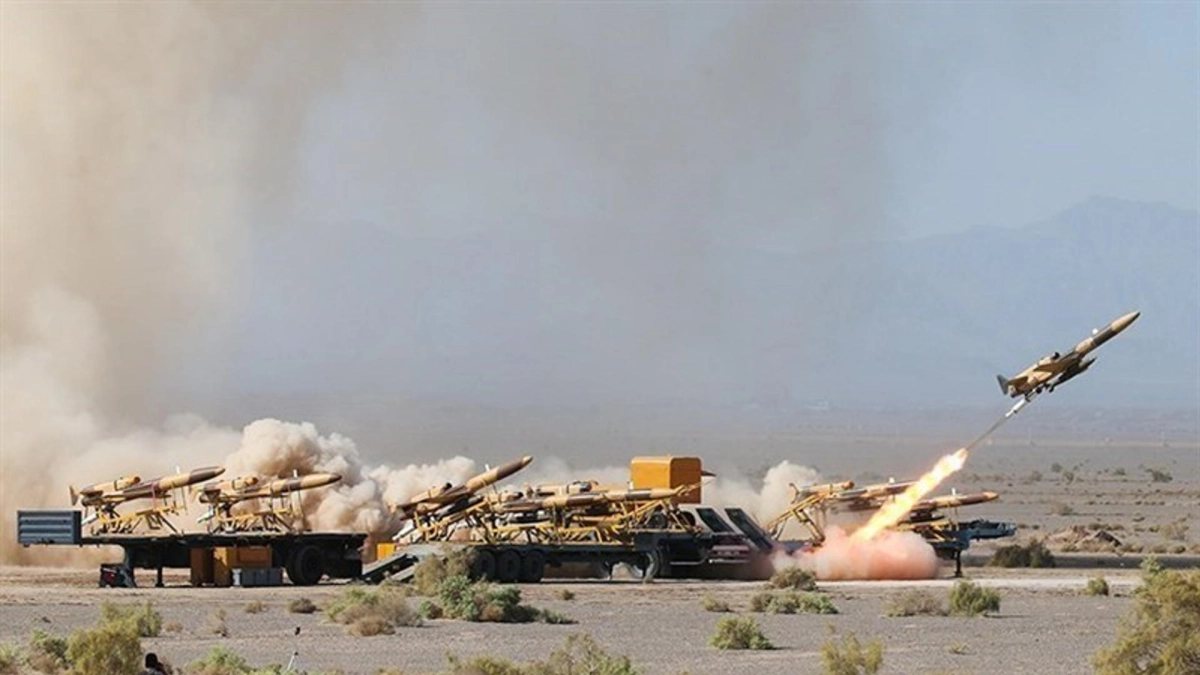
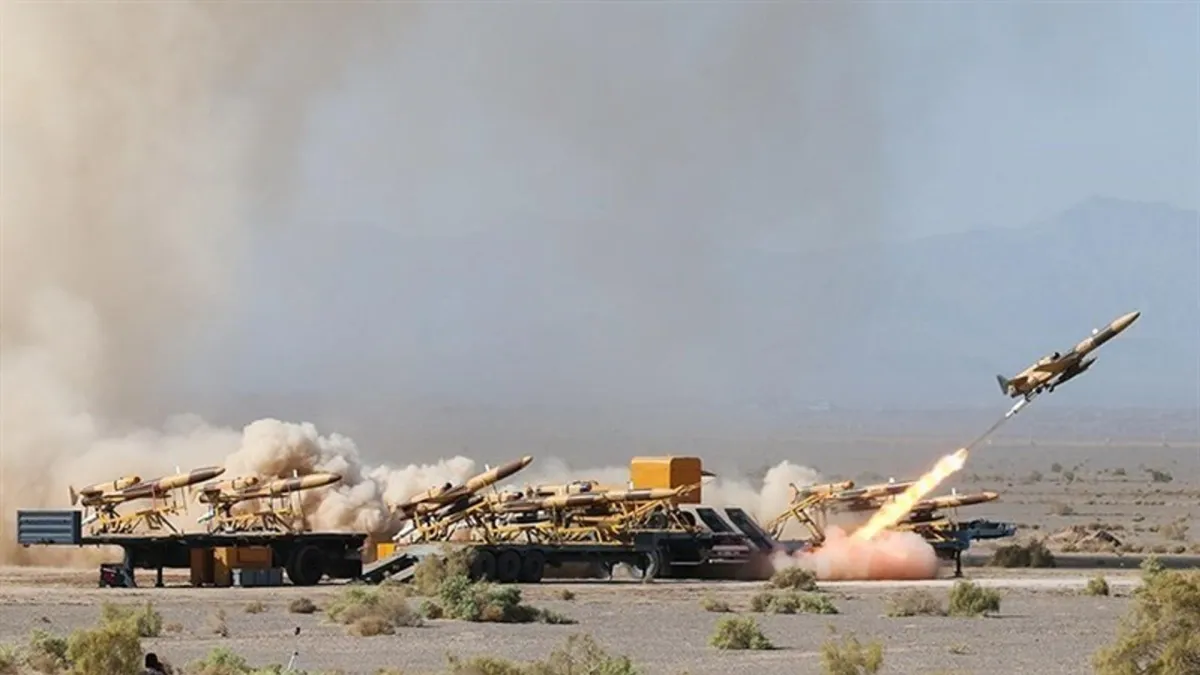
- July 22, 2026: Iran responded by deploying advanced drone technology against coalition bases, resulting in localized but significant damage to military logistics hubs.
- July 24, 2026: The United Kingdom issued a formal declaration, stating it is "prepared to defend itself and its allies," marking a significant expansion of the Western front against Iranian influence.
The British Intervention: A Shift in Strategic Alignment
The involvement of the United Kingdom adds a layer of complexity to an already combustible situation. British intelligence and military officials have signaled that they will not remain passive observers while the security of the Strait of Hormuz is threatened.

"The United Kingdom is prepared to defend itself and its partners against any direct or indirect aggression that threatens regional stability," a Downing Street spokesperson stated earlier today. This rhetoric suggests a high degree of alignment between London and Washington, potentially signaling a shift toward a more robust, multilateral military response should Iran continue its current trajectory.
The British position is particularly sensitive due to its historic influence in the Gulf and its ongoing efforts to maintain diplomatic ties with European signatories of the original nuclear accord. By taking a hardline stance, London is signaling that the era of patience regarding maritime harassment and drone-based asymmetric warfare has come to an end.
The Warning from the United Nations
As the military exchanges intensify, the United Nations has issued a somber warning regarding the state of the Red Sea and the broader Middle East. UN observers have noted that the maritime insecurity is no longer a localized issue; it is having a cascading effect on global supply chains.
Secretary-General representatives have urged all parties to "step back from the brink." The UN’s primary concern is that a miscalculation—a stray missile or an unintended strike on a civilian vessel—could trigger an all-out war that would draw in neighboring nations. The organization has explicitly warned that the current path of escalation is unsustainable and that "the cost of war will be measured not just in regional instability, but in a catastrophic global economic shock."
The Strategic Importance of the Strait of Hormuz
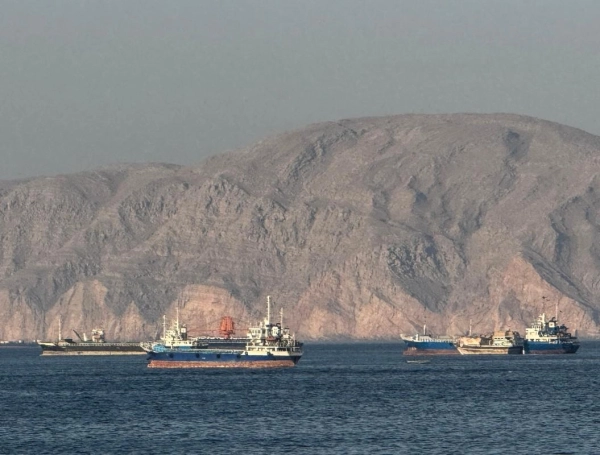
At the heart of this conflict lies the Strait of Hormuz, a narrow waterway that serves as the artery for approximately 20% of the world’s petroleum consumption. Any prolonged disruption in this corridor has immediate consequences for global energy prices.
U.S. defense officials argue that their military presence is the only factor preventing a total blockade of the strait. However, critics point out that the increased military density in the region serves as a self-fulfilling prophecy for conflict. Every U.S. patrol is viewed by Tehran as a provocation, and every Iranian defensive maneuver is viewed by the West as a prelude to an attack. This "security dilemma" has effectively paralyzed the diplomatic channels that were active only weeks ago.
Supporting Data: Economic and Military Implications
The economic ramifications of this escalation are already beginning to surface in global markets. Energy futures have seen a sharp increase in volatility, with investors pricing in the potential for a long-term blockade. Furthermore, the insurance premiums for commercial vessels transiting the Gulf have spiked, adding a significant tax to the cost of global trade.
Military analysts suggest that the conflict has entered a phase of "asymmetric warfare of attrition." Iran is utilizing its domestic drone capabilities and proxy networks to drain Western resources, while the U.S. is relying on its superior air power and naval presence to enforce a containment strategy. This mismatch in tactics means that a decisive military victory is unlikely, prolonging the suffering of the local populations and increasing the risk of regional contagion.

Regional Context: The Cisjordania Factor
While the Gulf remains the primary theater of conflict, the instability is compounded by events in other parts of the region. Recent reports indicate that Israel is preparing for heightened operations in the West Bank (Cisjordania) following a violent clash that left six individuals dead. These "contradictory versions" of the incident have served to further enflame regional tensions, creating a backdrop of chaos that Iran is likely exploiting to divert Western attention and resources.
The linkage between the conflict in the Gulf and the persistent tensions in the Levant suggests that the Middle East is facing a period of multi-front instability that could last for years.

Conclusion: The Path Ahead
The international community now finds itself at a critical juncture. The warning from the United Kingdom serves as a signal that the "Western bloc" is consolidating its military posture. However, history in the Middle East has shown that military superiority rarely translates into political stability.
As the world watches the unfolding events in the Strait of Hormuz, the primary question remains: is there any room left for diplomacy? With the ceasefire in tatters and rhetoric becoming increasingly bellicose on all sides, the possibility of a "de-escalation window" is closing rapidly. Without a major intervention from neutral global powers or a sudden, unexpected shift in the strategic calculus of both Washington and Tehran, the region appears locked into a cycle of conflict that may redefine the geopolitical landscape for the remainder of the decade.

The coming days will be decisive. Whether the current skirmishes lead to a controlled containment or a full-scale regional war will depend on the restraint shown by military commanders on the ground and the willingness of diplomats to find a path through the current impasse. For now, the world waits in apprehension as the shadow of conflict continues to lengthen over the Middle East.