Redacción Internacional
With information from AFP
Main Facts
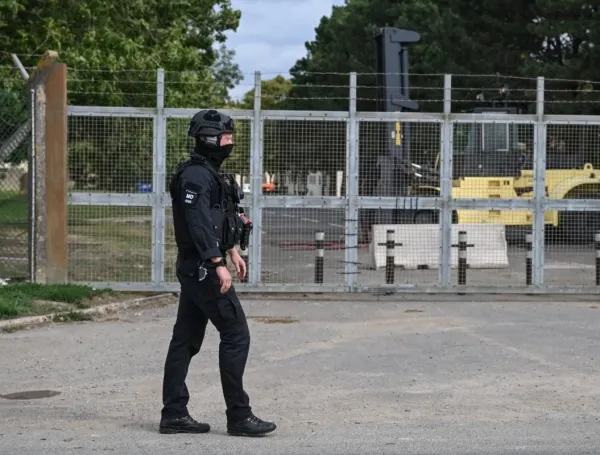
In a high-stakes counter-terrorism operation that shook the west of England, British law enforcement arrested five men suspected of plotting a major attack near the Royal Air Force (RAF) Fairford base in Gloucestershire. The sprawling military installation, heavily utilized by the United States Air Force, became the epicenter of a massive national security mobilization that led to the evacuation of more than 80 nearby homes, road closures, and the deployment of specialist bomb-disposal units.
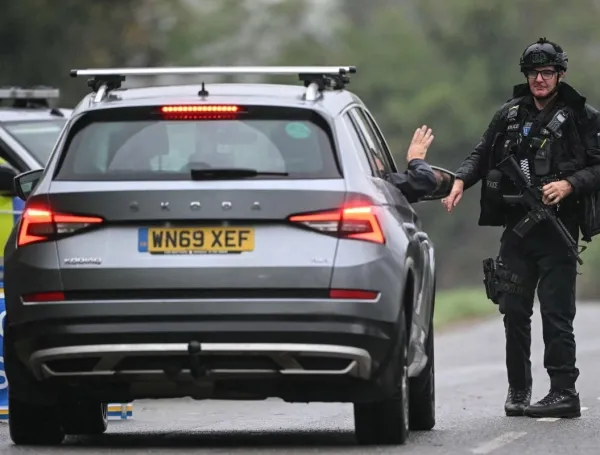
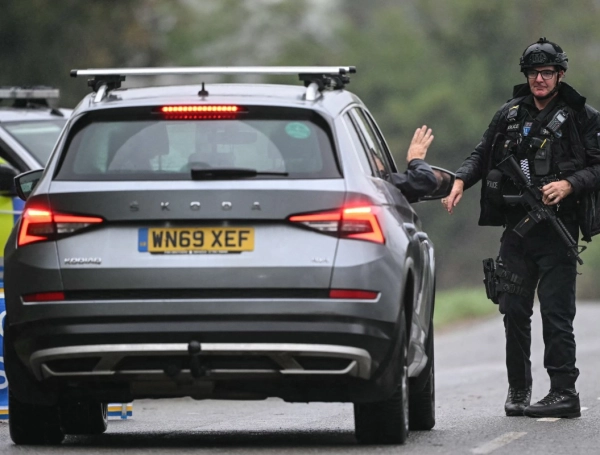
The operation unfolded during the early morning hours following a civilian tip-off regarding suspicious vehicle movements heading toward the perimeter of the facility. Armed units from the Metropolitan Police’s Counter Terrorism Command swiftly intercepted three vans. Initially apprehended on suspicion of explosives-related offenses, the five suspects were subsequently transitioned to formal detention under the UK Terrorism Act for the alleged "preparation of a terrorist act."
The incident has reverberated across international capitals, highlighting mounting vulnerabilities surrounding critical military infrastructure in Western Europe. It also underscores an increasingly tense geopolitical environment, marked by recent warnings from British intelligence officials regarding foreign state-sponsored proxy activities and persistent security breaches at defense sites across the United Kingdom.

Chronology of Events
The unfolding crisis at RAF Fairford followed a rapid, highly coordinated sequence of events that stretched from the rural lanes of Gloucestershire to high-level diplomatic briefings in Chicago and Liverpool:
- The Early Morning Alert: At dawn, a resident in the small village of Whelford noticed three unfamiliar vehicles moving erratically and lingering near restricted perimeters close to the air base. Recognizing the potential danger, the citizen alerted local authorities.
- The Interception: Acting on the civilian tip, armed response units and specialist counter-terrorism officers tracked down the vehicles. The three white vans were successfully intercepted on a rural road adjacent to the base, and five male suspects were taken into custody without immediate reports of an exchange of gunfire.
- Evacuations and Cordon Enforcement: As a safety precaution, local police established a wide security cordon. Over 80 residential properties in the vicinity were evacuated. Residents were temporarily rehoused in a designated community center in Whelford while explosive ordnance disposal (EOD) teams, assisted by remote-controlled robotic units, systematically examined the intercepted vans.
- International Revelations: Later in the day, during a public appearance in Chicago, US President Donald Trump publicly addressed the incident, asserting that the suspects had intended to inflict severe damage on the American-operated installation.
- Political and Ministerial Alignment: British Prime Minister Andy Burnham and Defense Secretary Wes Streeting confirmed close bilateral coordination with Washington, holding urgent consultations with US defense counterparts as forensic teams continued their sweeping examination of the vehicles and the surrounding terrain.
Supporting Data and Context
To fully understand the gravity of the RAF Fairford operation, security analysts point to a confluence of recent threat data and the unique strategic value of the base itself:

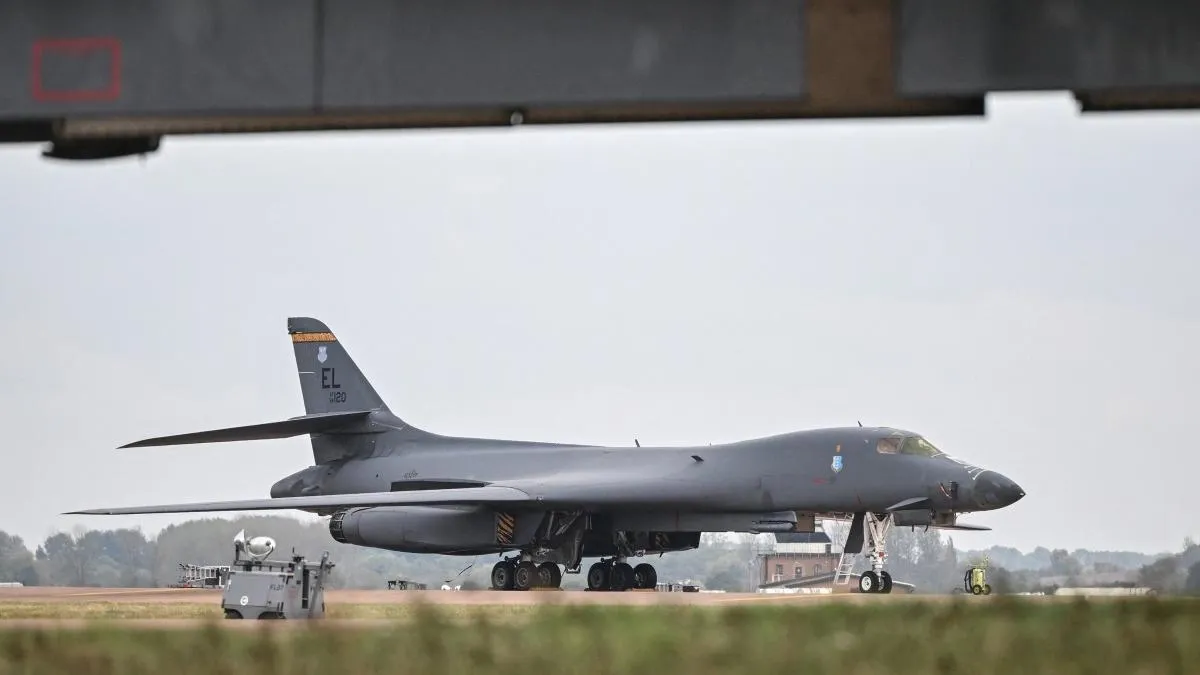
- Strategic Profile: RAF Fairford is home to the US Air Force’s 501st Combat Support Wing and serves as a critical European staging post for heavy bombers, including the B-1 Lancer and B-52 Stratofortress. Its profile surged earlier in the year when former Prime Minister Keir Starmer authorized the US military to utilize British facilities—including Fairford—for defensive operations linked to Middle Eastern contingencies.
- Infrastructure Vulnerability: The incident occurs against a backdrop of heightened anxiety regarding the security of British defense installations. Recent data published by The Independent revealed that UK military sites recorded more than 300 drone-related intrusion incidents over the preceding twelve months.
- Broader State Threats: Home Secretary Shabana Mahmood recently leveled accusations against nations like Iran and Russia, alleging they increasingly rely on criminal proxies and local intermediaries to conduct reconnaissance, harassment, and potential sabotage operations on British soil.
- Local Impact: The operation disrupted dozens of rural families. Julian Tudsbury, a resident of Whelford interviewed by the BBC, recounted how the quick-thinking observation of a neighbor catalyzed the emergency response that likely averted a catastrophic security breach.
Official Responses
The thwarted plot elicited strong, coordinated statements from both British and American leadership, emphasizing an unyielding stance against terrorism and affirming transatlantic security cooperation.
US President Donald Trump commended the joint efforts of intelligence and law enforcement agencies on both sides of the Atlantic during his remarks in Chicago:
"We were investigating them. They wanted to cause great damage to our base, and working with the British worked very well," Trump stated. "We had been watching them for a long time, and we got them."
In the United Kingdom, Prime Minister Andy Burnham took to the social media platform X to reassure the public that civil safety remains the government’s absolute mandate:
"The safety of the public constitutes our maximum priority," Burnham wrote. "Quiero que todos sepan que siempre tomaremos todas las medidas necesarias para proteger a los habitantes y garantizar la seguridad de nuestro país." (I want everyone to know that we will always take all necessary measures to protect the inhabitants and guarantee the security of our country.)
Defense Secretary Wes Streeting echoed these sentiments during the Labour Party annual conference in Liverpool, detailing his direct communication with US counterpart Pete Hegseth:
"We have worked in close collaboration with our American friends, and throughout the day I was in contact with my counterpart, Pete Hegseth," Streeting affirmed, underscoring the seamless operational synergy between London and Washington in confronting shared security threats.
Meanwhile, military spokespersons clarified that no personnel belonging to the US 501st Combat Support Wing stationed at Fairford were implicated in the plot, confirming that the threat originated entirely from external actors.

Implications
The counter-terrorism sweep near Fairford carries profound implications for national security policy, force protection protocols, and international relations across the Euro-Atlantic area:
- Tightening Defense Perimeter Security: The incident is expected to trigger a comprehensive audit of physical security and surveillance infrastructure at all joint UK-US military installations. The prevalence of drone sightings and now vehicle-borne threats will likely mandate accelerated investments in counter-UAS (Unmanned Aerial Systems) technology and enhanced perimeter monitoring.
- Scrutiny on Proxy Warfare: With home office officials publicly pointing fingers at hostile state actors like Iran and Russia for employing proxy networks, counter-terrorism police are likely to face increased pressure to map out domestic cells operating on behalf of foreign governments. The transition from explosive offenses to formal terrorism charges indicates that investigators suspect a coordinated, ideologically or state-backed conspiracy rather than isolated criminal behavior.
- Bilateral Strategic Friction and Cooperation: While the successful intervention highlights the efficacy of intelligence-sharing between MI5, the Metropolitan Police, and US agencies, it also raises awkward questions regarding how a multi-vehicle convoy could approach a premier strategic bomber base without early detection by outer-ring sensors, reinforcing reliance on vigilant local citizens.
- Civil-Military Relations: The swift evacuation of over 80 homes and the deployment of bomb disposal robots through rural Gloucestershire vividly brings the realities of modern hybrid and asymmetric warfare to the British doorstep, potentially hardening public attitudes toward national defense spending and domestic counter-terrorism vigilance.