By Edwin Caicedo | Environmental and Health Journalist Published: September 26, 2026
Main Facts
The transition toward sustainable mobility in Colombia is no longer confined to the passenger vehicle market. As enterprises, entrepreneurs, and logistics operators face mounting environmental regulations and urban restrictions, the electrification wave has officially crossed over into the commercial workhorse segment.
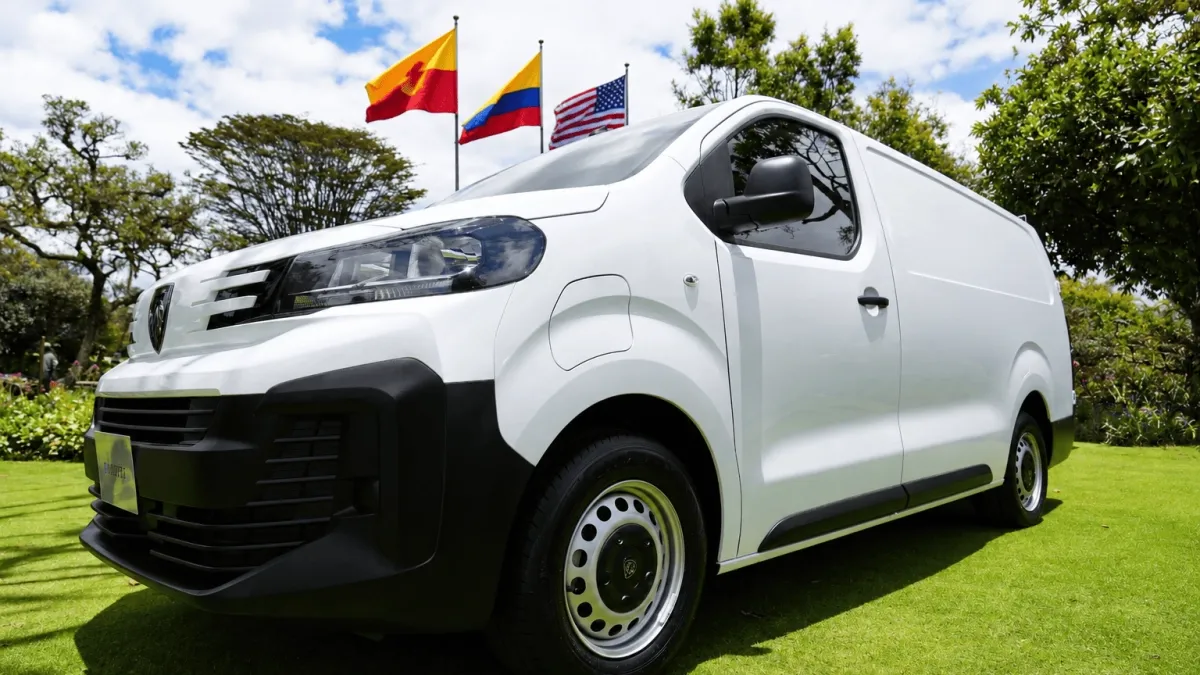
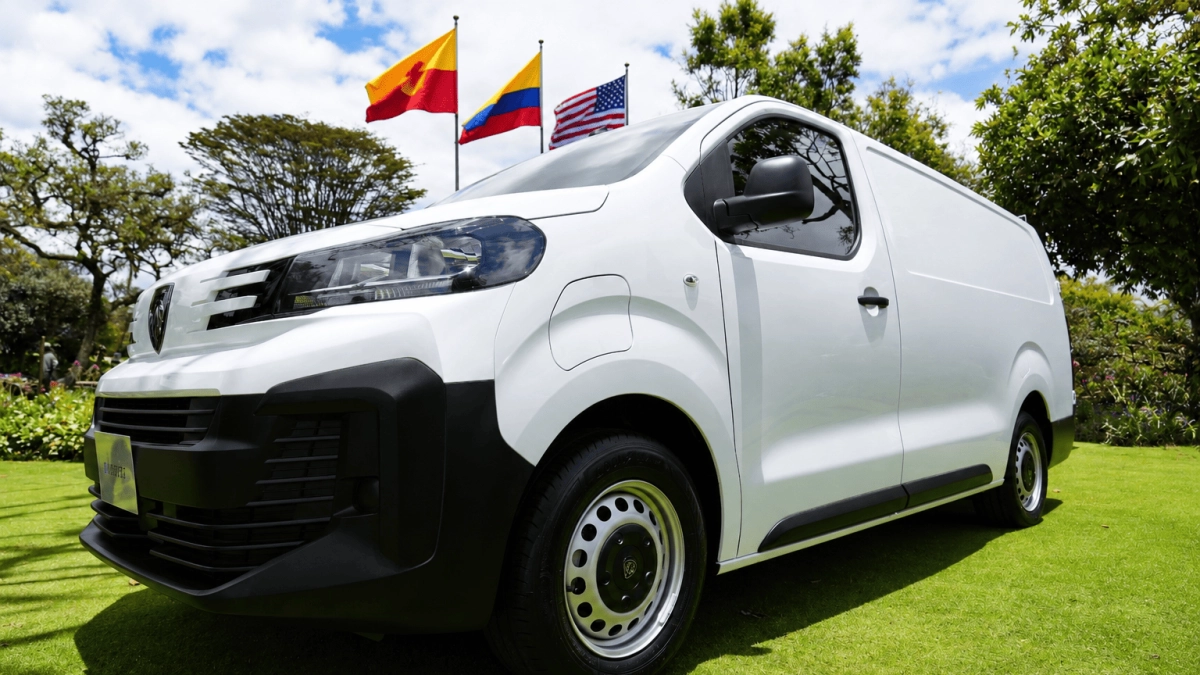
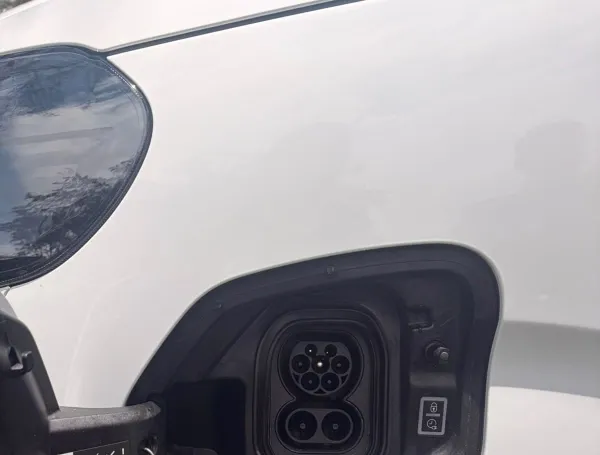
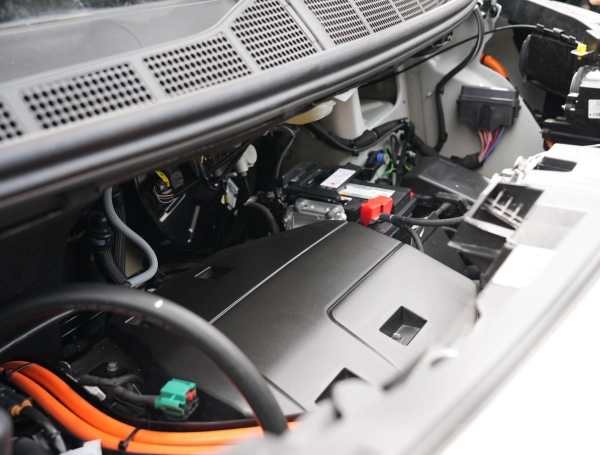
Answering this call, French automaker Peugeot has officially introduced two 100% battery-electric vans to the Colombian market: the e-Partner and the e-Expert. These two models complement the brand’s existing lineup of diesel-powered utility vehicles, preserving their core vocational capabilities while replacing internal combustion engines with zero-emission battery power.
According to Rodrigo Pineda, Commercial Manager of Peugeot, the brand’s strategy is fundamentally straightforward: "We are launching the exact same vehicles that we already had in diesel versions, now in electric versions."
This launch occurs against a backdrop of robust growth in Colombia’s automotive sector. Between January and August 2026, 213,377 new vehicles were registered nationwide, marking a 42.1% increase compared to the same period in 2025. Within this recovery, commercial vans grew by 30.2% in August alone, while electric vehicles surged by an astounding 176%, reaching 4,542 registered units. For Peugeot, the stakes are high: the brand reported 3,479 utility vehicle sales in 2025—a 14% year-over-year increase—with the traditional Partner model acting as its second-best-selling reference in the country, representing 16% of total brand sales.
Chronology and Market Evolution
To understand the strategic significance of Peugeot’s latest rollout, it is necessary to examine the brand’s trajectory in Colombia and the broader timeline of the country’s electric vehicle (EV) adoption.
2016–2025 (The Foundation Decade): Peugeot established a strong foothold in the Colombian commercial market, supported by its partnership with Astara. Over ten years, the brand cultivated intense customer loyalty, with logistics operators and small business owners building entire fleets centered around models like the traditional Peugeot Partner. By the end of 2025, Peugeot’s utility vehicle portfolio had expanded to 3,479 units annually, proving that businesses trusted the brand’s durability and performance.
January–August 2026 (The EV Boom): The Colombian automotive market experienced a dramatic post-pandemic and economic resurgence. Between January and August 2026, over 213,000 new vehicles hit national roads. Simultaneously, ecological awareness, tax incentives, and stricter urban environmental policies fueled an unprecedented 176% spike in electric vehicle registrations (totaling 4,542 units by August), while utility van sales jumped 30.2%.
Late September 2026 (The Electric Pivot): Capitalizing on this dual momentum—surging total sales and massive EV adoption—Peugeot officially unveiled the e-Partner and e-Expert. Rather than introducing experimental or unfamiliar body styles, the company bet on transitioning its tried-and-true commercial platforms into the electric era, initiating pilot talks and bidding processes with major logistics players like Mercado Libre.
Supporting Data and Technical Specifications
When commercial fleets transition from diesel to electric, operators evaluate utility metrics just as closely as environmental benefits. Peugeot’s new lineup has been engineered to match or exceed the practical demands of daily commercial operations without sacrificing cargo capacity or performance.
Performance and Range
Peugeot e-Partner: Offers a maximum driving range of up to 330 kilometers on a single charge, tailored ideally for daily urban distribution routes, technical service calls, and regional last-mile logistics.
Peugeot e-Expert: Reaches up to 348 kilometers of autonomy, providing extended operational capacity for larger payloads and inter-urban deliveries.
Market Context & Statistics (2026)
Total New Vehicle Registrations (Jan–Aug 2026): 213,377 units (42.1% increase compared to Jan–Aug 2025).
Electric Vehicle Growth: 176% increase, totaling 4,542 units registered by August.
Van Market Growth: 30.2% increase in August 2026 compared to August 2025.
Peugeot Utility Portfolio Performance (2025): 3,479 units sold, representing a 14% growth year-over-year.
Peugeot Partner Market Share: Accounts for 16% of total Peugeot sales in Colombia, serving as the brand’s second-best-selling nameplate behind the hybrid 2008 SUV.
Maintenance and Warranty
Warranty: 3 years or 100,000 kilometers, whichever comes first.
Service Intervals: Scheduled routine maintenance required every 10,000 kilometers.
After-Sales Support: Backed by the Peugeot Cumple (Peugeot Delivers) program, which addresses operational downtime by providing substitute vehicles if specialized repairs take longer than expected.
Official Responses and Executive Insights
The leadership team at Peugeot views the introduction of the e-Partner and e-Expert not merely as a product diversification move, but as a mandatory evolution to future-proof business fleets in Latin America’s changing urban landscapes.
Rodrigo Pineda, Peugeot’s Commercial Manager in Colombia, emphasized during an exclusive interview with EL TIEMPO that maintaining the vehicle’s functional integrity was paramount. Unlike other manufacturers introducing electric cars that lack proper commercial dimensions, Peugeot prioritized keeping its exact cargo configurations.
"We are launching the same vehicles that we already had in diesel version, now in electric version," Pineda stated.
Addressing why the commercial sector must pivot right now, Pineda pointed directly to regulatory shifts in major metropolitan areas:
"Today that is happening with the last mile. And why the last mile? Because today there are many restrictions on the entry of certain vehicles into cities."
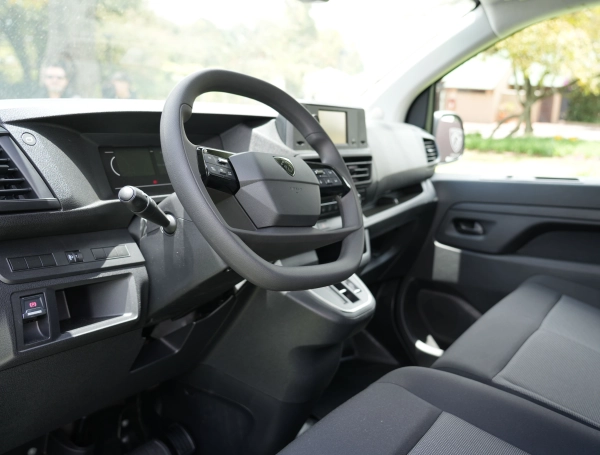
Pineda also highlighted the versatility of the interior cabin design, which bridges the gap between rugged utility and passenger car comfort:
"Peugeot has made it its task to also provide very significant interior comfort… Today there are other brands that also bring electrics, but not in the same size and with the same specifications."
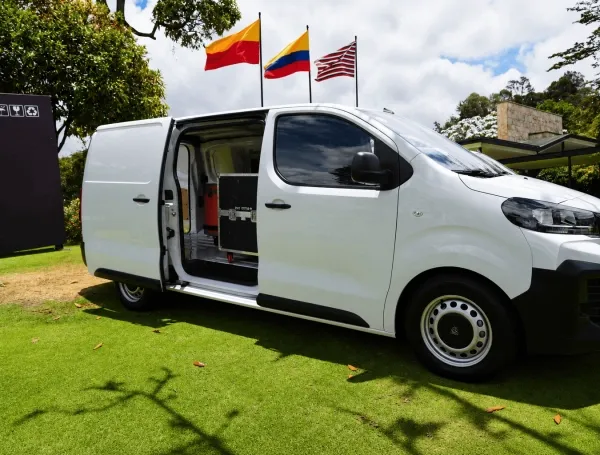
He pointed out innovative features such as three front seating configurations where auxiliary seats can fold down to create internal pathways for long objects like tubes, pipes, or ladders, stretching storage capability from the front cabin all the way to the rear doors.
On the critical topic of fleet uptime and business continuity, Pineda stressed that commercial vehicles cannot afford to sit idle in repair shops:
"It is a work vehicle that has to be working all the time because that vehicle produces income for the business." Through the Peugeot Cumple program, the company ensures that if a specialized component must be imported, corporate clients receive a replacement working vehicle to maintain their logistics chains uninterrupted.
Implications for Businesses and Urban Logistics
The introduction of the Peugeot e-Partner and e-Expert carries wide-ranging implications for Colombian commerce, urban planning, and sustainable corporate development.
1. Navigating Urban Restrictions and Last-Mile Logistics
As Colombian cities like Bogotá, Medellín, and Cali implement stricter environmental zones, pico y placa extensions, and outright bans on older combustion-engine cargo trucks, logistics operators face severe bottlenecks. Electric vans bypass these restrictions completely. By establishing decentralized urban hubs where goods are dropped off by heavy trucks and subsequently distributed via zero-emission vans like the e-Expert and e-Partner, logistics networks can maintain continuous, penalty-free city access.
2. Diversifying Commercial Applications
While courier and parcel delivery services (such as Peugeot’s ongoing bidding processes with Mercado Libre) represent the most obvious beneficiaries, the versatility of these electric vans opens doors across multiple sectors:
Specialized Pet Transport: Retrofitted vans providing climate-controlled environments for animal care services.
Hardware and Construction Supply: Transporting long construction materials, plumbing pipes, and tools safely using the modular folding passenger seats.
Furniture and Retail Logistics: Using the larger e-Expert variant for localized delivery of bulky items such as mattresses and household appliances.
Technical and Field Services: Providing mobile workshops with onboard power capabilities for technicians, electricians, and IT service providers.
3. Fostering Brand Loyalty and Trust
Peugeot’s decade-long presence in Colombia—anchored by Astara—has created a loyal customer base. According to Pineda, commercial clients who bought a combustion Partner years ago rarely look elsewhere: "The one who has a Partner, stays with a Partner and doesn’t look sideways." By offering a direct electric alternative, Peugeot lowers the psychological barrier for fleet managers hesitant to experiment with unproven EV startups.
4. Redefining Driver Well-Being
Historically, commercial utility vehicles were stripped-down, uncomfortable boxes designed purely to haul cargo. Peugeot’s philosophy challenges this by integrating passenger-car design cues into the cockpit. By improving ergonomics, reducing cabin noise, and minimizing whole-body vibrations inherent in diesel engines, the e-Partner and e-Expert protect driver health, reduce fatigue, and ultimately boost operational productivity during long delivery shifts.
Ultimately, Peugeot’s launch signals a mature phase in Colombia’s energy transition. Electrification is no longer just a luxury trend for early adopters or private SUV owners; it has officially become the backbone of modern, sustainable commerce.
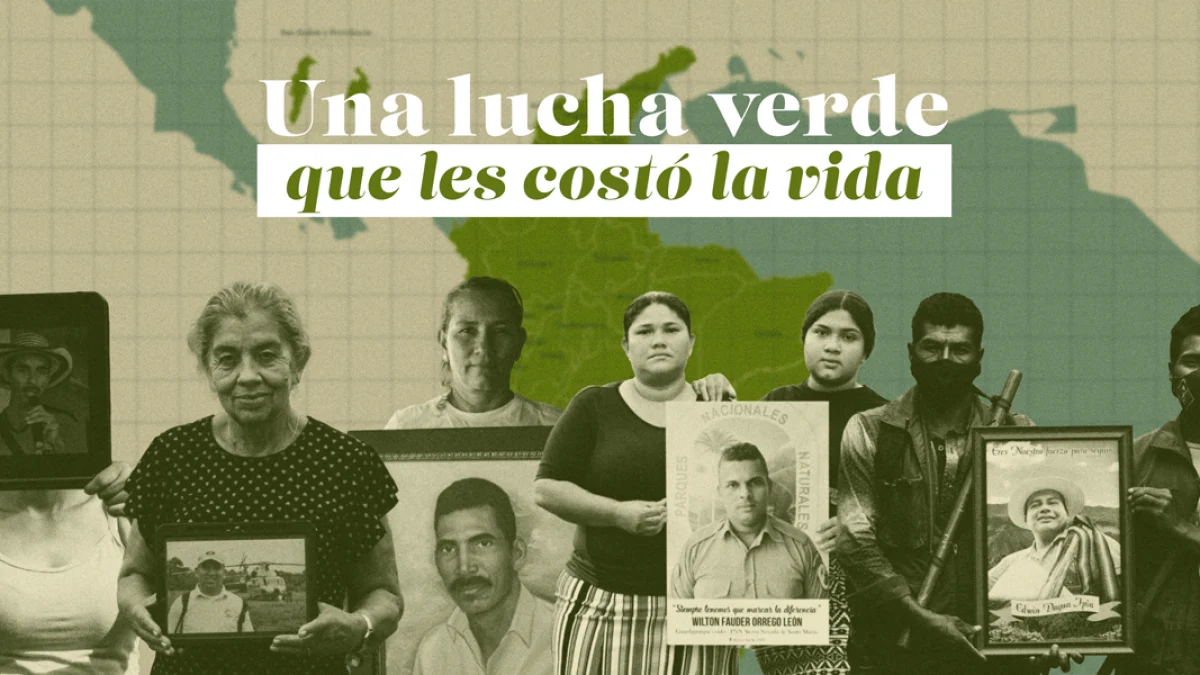
By Edwin Caicedo Environment and Health Journalist This article is dedicated to the memory of Aida Damaris Flor Camayo, Alberto Quitumbo Yatacué, Astrid Viviana Ordóñez Arcos, Carmelo Guerrero Reyes, Célimo Hurtado Bulgara, Cristian Fernando Guanga,…
Global meteorological agencies, including the World Meteorological Organization and the Ideam, warn that the upcoming El Niño cycle could become the most severe event recorded since 1950, bringing profound multi-sectoral impacts on water security, public…
By Edwin Caicedo Environment and Health Journalist September 9, 2026 Main Facts: The Infrastructure Paradox in Colombia Constructing a highway, laying down an electrical transmission grid, or launching any other major strategic initiative in Colombia…