By Economic News Desk
Bogotá, D.C. – September 27, 2026
The Colombian economy is bracing for a period of significant turbulence. Meteorological forecasts and economic projections suggest that a severe, long-term drought driven by the "El Niño" phenomenon is set to reach its peak intensity by the end of 2026, with impacts expected to linger well into 2027. This environmental challenge is not merely a crisis of water management; it is a profound economic shock that threatens to reverse recent progress in inflation control, increase the cost of living for the nation’s most vulnerable, and complicate the complex fiscal and wage negotiations scheduled for the coming year.

The Looming Crisis: A Dual Threat to Households
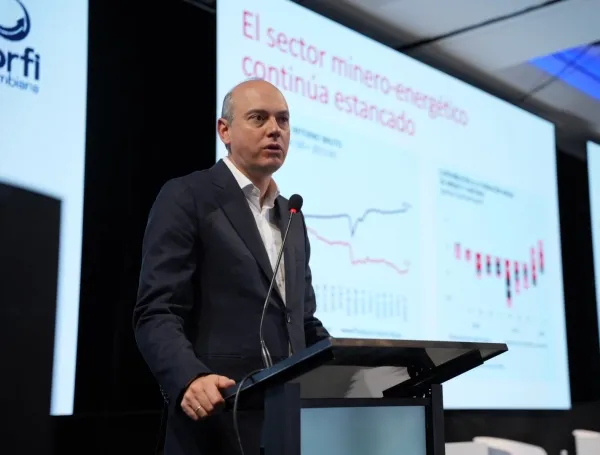
The immediate concern for policymakers and citizens alike is the anticipated inflationary pressure. According to José Ignacio López, president of the National Association of Financial Institutions (ANIF), approximately 19 percent of the basic consumer basket is directly vulnerable to the expected drought.
The mechanism is clear: as temperatures rise and rainfall decreases, the agricultural heartlands of the country—often the areas most exposed to climate extremes—will face severe disruptions in production. When the supply of staple foods is constrained, prices inevitably surge. This is a particularly regressive form of inflation; because lower-income households spend a significantly larger portion of their monthly earnings on food, the impending price hikes will hit those least able to absorb the costs.

"The inflation of food prices is always the most regressive," López warned, highlighting that this scenario creates a recipe for widespread social malaise. As the cost of basic nutrition rises, the purchasing power of the average Colombian will be severely tested.
Chronology of a Climatic and Economic Shift
The timeline for this crisis is rooted in the typical 18-month duration associated with El Niño cycles.

- Late 2026 (The Onset of Intensity): As the final quarter of 2026 approaches, the meteorological conditions are expected to deteriorate rapidly. The focus will shift from monitoring reservoir levels to active crisis management as production yields in the agriculture sector begin to reflect the water deficit.
- Early 2027 (The Peak): During the first half of 2027, the impact of the drought is projected to hit its zenith. This period will be critical for national energy security, as the reliance on thermal power plants will be at its highest.
- Mid-to-Late 2027 (The Aftermath): Even as the climate phenomenon begins to dissipate, the economic "tail" of the event—characterized by high energy prices and persistent food inflation—is expected to influence the national budget and monetary policy for the remainder of the year.
The Energy Conundrum: Electricity and Gas Costs
Beyond the supermarket shelf, the drought will inevitably hit the utility bills of every household and business in Colombia. Minister of Mines and Energy, María Nohemí Arboleda, recently acknowledged a sobering reality: the country’s dependence on hydroelectric power is its greatest vulnerability during periods of extreme drought.
"Let’s not deceive ourselves; the electricity rate has to rise because hydroelectric resources will no longer be sufficient to meet the total demand," Arboleda admitted.

With water levels in reservoirs dropping, the nation is forced to pivot toward thermal power generation. This shift carries a high price tag. Thermal plants rely heavily on gas, much of which must be imported. Given the volatility of international energy markets and the current supply-demand imbalance, the cost of generating this power is significantly higher than the cost of water-based generation. This transition will necessitate a pass-through of costs to the end-consumer, further straining household budgets.
Supporting Data: Inflationary Projections
The economic data provided by ANIF suggests that El Niño will be a primary driver of volatility in the coming months.

- Baseline Inflation: As of August 2026, the national inflation rate stood at 6.24 percent.
- The El Niño Effect: ANIF projects that the drought will add between 60 and 70 basis points to the inflation rate in the short term.
- Year-End Outlook: If the weather phenomenon reaches the levels of severity currently predicted, the year-end inflation forecast will likely jump from an original estimate of 6.6 percent to a concerning 7.3 percent.
These figures represent more than just statistics; they represent a narrowing of the margin for economic maneuverability by the Central Bank (Banco de la República). The bank is now caught in a "crossroads" scenario: how aggressively should it raise interest rates to combat this supply-side inflation without triggering a recessionary environment?
Implications for the 2027 Minimum Wage Negotiations
Perhaps the most politically sensitive implication of this forecast is the looming negotiation for the 2027 minimum wage.
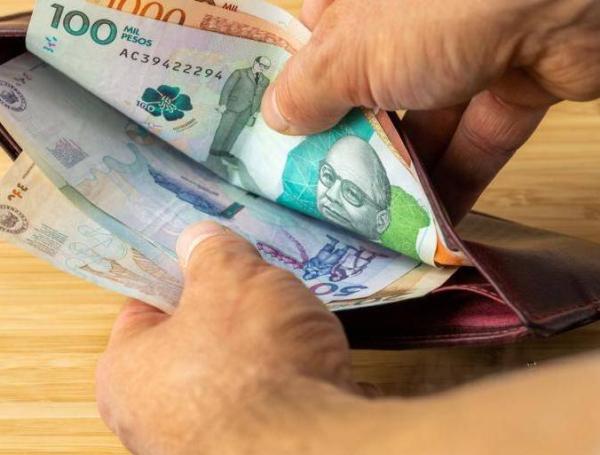
Historically, minimum wage discussions are driven by productivity, inflation targets, and GDP growth. However, 2026 was marked by a historic 23 percent increase decreed by the government of Gustavo Petro, which set the minimum wage at 1,750,905 pesos. The government justified this move by citing the International Labour Organization (ILO) concept of a "living wage" rather than traditional economic indicators.
As the 2027 negotiations approach, the climate-driven surge in food inflation will almost certainly lead labor unions to demand an additional wage premium to protect purchasing power. José Ignacio López warns that this creates a "second-round" effect: "Because inflation will rise due to El Niño, workers will likely ask for an additional increase that wouldn’t have occurred otherwise. That salary effect will start to fuel demand pressures that push inflation even higher."

This sets up a clash between labor demands for higher pay and the central bank’s mandate to pull inflation down to the long-term target of 3 percent.
The Central Bank’s Dilemma
The Banco de la República currently maintains an interest rate of 12 percent. Faced with the inflationary shock of the drought, the bank’s board of directors is under immense pressure to tighten monetary policy further.
ANIF’s analysis suggests that the bank may be forced to raise interest rates by another 50 basis points before the end of the year, with a potential trajectory toward 13 percent in 2027. This creates a difficult environment for private sector investment and consumer credit. High interest rates are intended to cool the economy and control inflation, but in the context of an environmental supply shock, they also threaten to stifle growth in sectors already reeling from the drought.
Conclusion: A Testing Time for Resilience
The period between late 2026 and 2027 will test the structural resilience of the Colombian economy. The intersection of a climate crisis, energy insecurity, and a contentious wage negotiation cycle presents a "perfect storm."

As the country prepares for these challenges, the coordination between the Ministry of Mines, the Ministry of Finance, and the Central Bank will be of paramount importance. The challenge is not merely to survive the drought, but to manage the inflationary consequences in a way that protects the most vulnerable segments of the population without sacrificing the long-term stability of the nation’s currency and economic health.
For the average Colombian, the months ahead will require careful financial planning and an awareness that the effects of the coming climate cycle will be felt not just in the weather, but in every transaction of daily life.