By Edwin Caicedo, Environmental and Health Correspondent
The automotive sector in Colombia is undergoing a seismic shift, one that is no longer characterized by a tentative curiosity toward new technologies, but by a definitive commitment to electrification. As the third quarter of 2026 concludes, industry data reveals a startling transformation: electric mobility has exploded into the mainstream, with sales figures that underscore a permanent change in consumer behavior and market dynamics.

The Main Facts: A 222% Leap in Market Share
During the first nine months of 2026, the Colombian market witnessed the registration of 39,674 new electric vehicles (EVs). This figure represents a staggering 222% growth compared to the same period in 2025. Perhaps most significantly, EVs now account for 16% of all new vehicle registrations in the country.
This is not merely a niche market trend; it is a fundamental pivot. The dominance of traditional internal combustion engine (ICE) vehicles is being challenged, not just by government policy or environmental awareness, but by the practical, everyday utility that modern electric platforms are finally providing. Bogotá and Medellín continue to lead this charge, serving as the epicenters of infrastructure development and consumer adoption, effectively creating a "green corridor" that is influencing the rest of the nation.

Chronology of the Transition
The road to this milestone was not paved overnight. The evolution of the Colombian electric market can be traced through several key phases:
- 2023-2024: The Early Adopter Phase. During this period, EVs were largely seen as luxury items or experiments for the ultra-wealthy. Infrastructure was sparse, and "range anxiety" was the primary barrier to entry for the average middle-class consumer.
- 2025: The Infrastructure Expansion. As charging networks began to appear in major shopping centers, apartment complexes, and highway service stations, the psychological barrier began to erode. Legislative incentives, including tax breaks and exemptions from local driving restrictions (Pico y Placa), began to sway the hesitant.
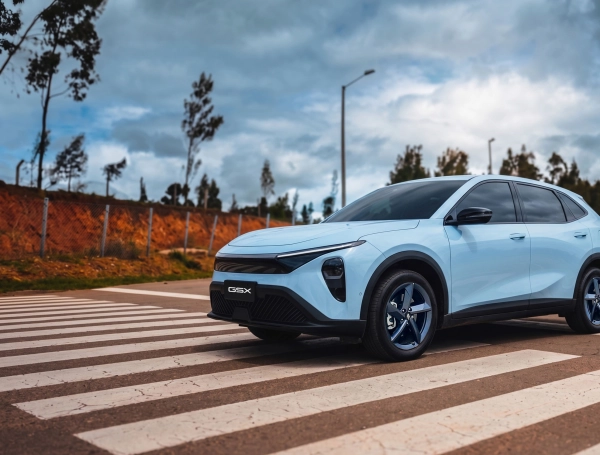
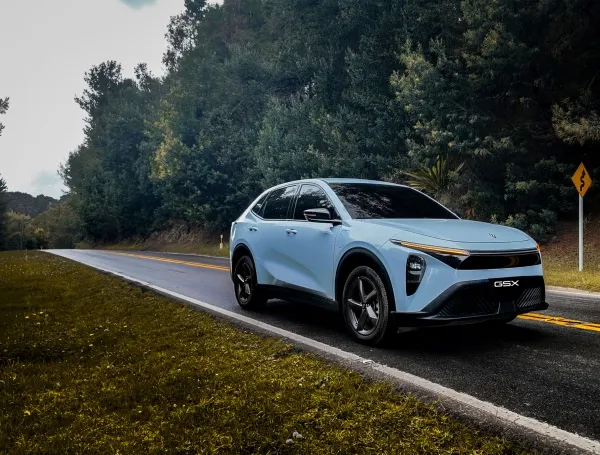
- 2026: The Year of Practicality. By early 2026, the arrival of diverse, family-oriented, and high-autonomy models (like the JMEV GSX) fundamentally changed the narrative. The focus shifted from "saving the planet" to "efficiency and total cost of ownership." The 222% growth observed through September is the direct result of a market that finally offers vehicles capable of replacing a family’s primary car, rather than just a secondary city commuter.
Supporting Data: Beyond the Engine
The shift toward electric mobility is being driven by a complex interplay of variables that transcend simple horsepower or acceleration stats. Consumers are now evaluating their purchases through a multi-dimensional lens:
- Cost of Operation: With fluctuating fuel prices, the cost-per-kilometer of electricity remains significantly lower, providing a compelling economic argument for high-mileage users.
- Infrastructure Integration: The ability to charge at home or during work hours has transformed the "inconvenience" of charging into a "passive" task. As one industry expert noted, charging is now viewed similarly to charging a smartphone—done while the user is occupied elsewhere.
- Mechanical Simplicity: With fewer moving parts than traditional ICE vehicles, the maintenance lifecycle of an EV is proving to be a decisive factor for long-term owners.
According to market analysis, the profile of the average electric vehicle buyer has shifted from a tech-enthusiast to a pragmatic family head. This demographic is less interested in the novelty of the battery and more interested in interior volume, trunk capacity, and the assurance that a 300-kilometer trip does not require a four-hour pit stop.
Official Perspectives: Redefining Utility
The industry’s leading voices are quick to point out that the conversation has evolved. Noel Ardila, General Manager of JMC at Astara for Colombia, suggests that the market is moving past the "electric vs. combustion" binary.
"The discussion about electric mobility can no longer be framed solely in terms of technology," Ardila explains. "It must be framed in terms of the utility it represents for each driver. We are seeing consumers analyze their specific life needs—how often they travel, where they park, and the space they require for their families."
Ardila emphasizes that the success of recent models, such as the GSX, lies in their ability to bridge the gap between urban agility and highway capability. "When you provide a vehicle that offers 600+ kilometers of range (based on the CLTC cycle) and rapid charging that restores 50% of the battery in less than half an hour, you remove the ‘if’ from the equation. The question is no longer can I buy an electric car, but rather why wouldn’t I?"
Implications for the Future
As we look toward the final quarter of 2026 and into 2027, the implications of this growth are profound:
1. The Infrastructure Challenge
The rapid adoption rate is placing immense pressure on the public and private charging infrastructure. While the current network is sufficient for the current fleet, the anticipated growth will require a massive investment in high-voltage DC fast-charging stations across the country’s mountainous terrain.
2. The After-Sales Evolution
The automotive service industry is bracing for a transition. Traditional mechanics and dealerships are forced to re-train staff to handle high-voltage systems, as the demand for traditional oil changes and transmission services begins a slow but inevitable decline.
3. The Redefinition of the "Family Car"
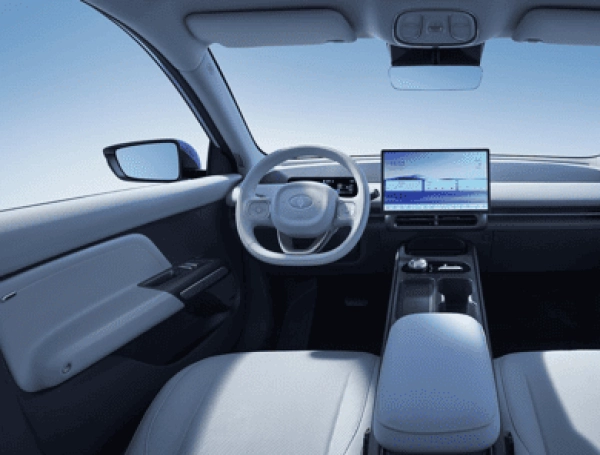
Models like the JMEV GSX, with its 1,600-liter storage capacity and advanced battery management systems (utilizing Lithium-Ferrophosphate/LFP technology), are the new benchmarks. These vehicles are proving that an electric car can handle a cross-country vacation, a school run, and a grocery trip with equal proficiency. The era of the "city-only" electric car is effectively over.
4. Economic and Environmental Impact
The reduction in localized emissions in cities like Bogotá and Medellín is becoming a tangible metric for public health officials. Furthermore, the shift toward electric energy, which in Colombia is largely sourced from renewable hydroelectric power, creates a circular economy that significantly improves the nation’s energy independence.
Final Considerations: A Balanced View
It is important to maintain a nuanced perspective. While the growth figures are impressive, ICE vehicles still hold a distinct advantage in terms of raw convenience for remote regions where the electrical grid is not yet optimized for high-demand charging. For the driver who lives in a rural area or works in a profession requiring constant, unplanned movement across vast distances, the traditional combustion engine—or perhaps the hybrid alternative—remains a more reliable partner for the time being.
However, the trajectory is undeniable. The "tipping point" has been reached. For the average Colombian, the electric vehicle is transitioning from a futuristic novelty into a household appliance—an essential, reliable, and increasingly accessible tool for daily life.
As manufacturers continue to refine battery density, reduce charging times, and increase the size of the vehicles available, the market share of electric mobility will likely continue its upward trend. The year 2026 will be remembered as the moment the internal combustion engine began its slow surrender to the battery, not because of a mandate, but because the consumer found the alternative to be simply better.

For more information on the evolving landscape of sustainable transportation and daily life, continue following our dedicated coverage in the Life and Environment sections. Our weekly newsletter provides deeper insights into the technologies and policies shaping the future of Colombia.