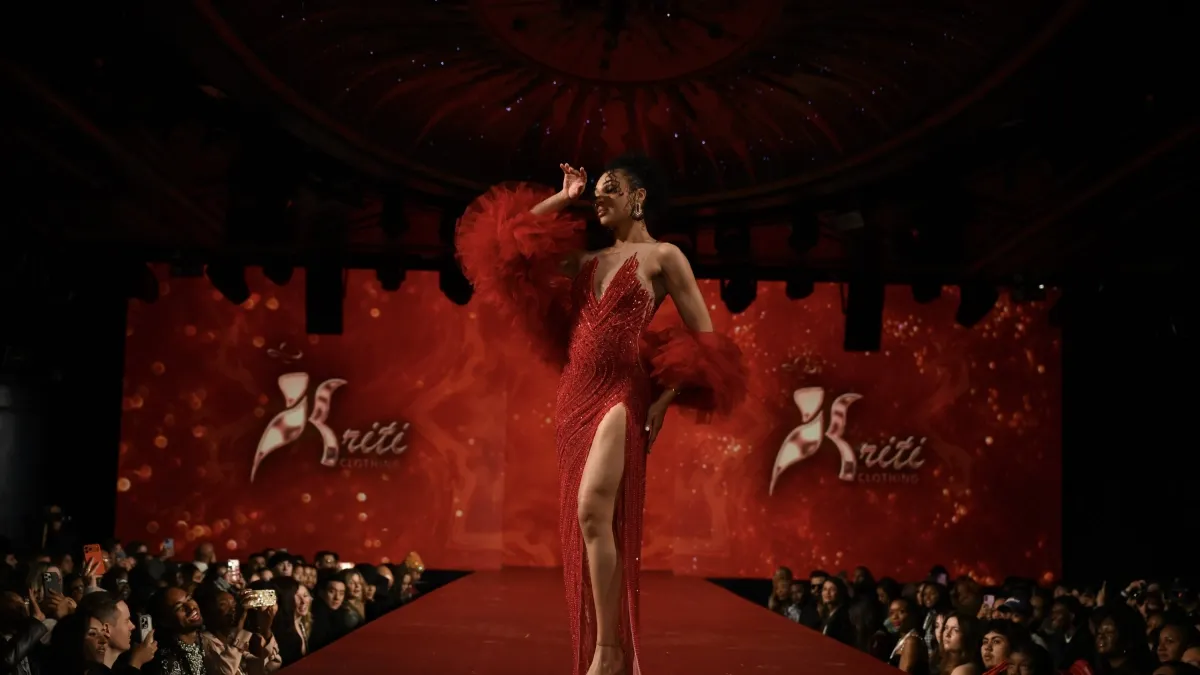
NEW YORK — As the global fashion spotlight fixes on Manhattan for the September 2026 edition of New York Fashion Week (NYFW), Latin American design is experiencing an unprecedented wave of visibility. Running from September 9 through September 15, 2026—with the official core calendar spanning September 10 to 15—the overarching event highlights heavyweight heritage houses such as Diane von Furstenberg, Proenza Schouler, Michael Kors, Carolina Herrera, Tory Burch, and Thom Browne.
Yet, away from the traditional tents, a powerful cultural and commercial current is making waves at Sony Hall. Through the established incubator platform Runway 7, Latin America is delivering its largest and most diverse collective showcase to date. Between September 8 and September 13, an impressive delegation of 26 distinct brands representing 11 countries and territories will present their anticipated collections for the Spring-Summer 2027 season.
In its eleventh season, Runway 7 serves as a vital bridge for independent designers, established firms, and emerging visionaries from across the globe, uniting 138 designers over six days of rigorous programming. For the Latin American contingent, this season marks a maturation of craft—moving past traditional folkloric tropes into sophisticated explorations of sustainability, conceptual tailoring, and high-end artisanal luxury.
Main Facts: A Historic Latin American Influx at NYFW
The footprint of Latin American fashion at the September 2026 NYFW is both expansive and multifaceted. Encompassing 11 nations—Argentina, Bolivia, Brasil, Chile, Colombia, Costa Rica, Guatemala, Honduras, México, Perú, and Puerto Rico—the regional showcase defies monolithic definitions of "Latino style."
Instead, the collections slated for the runway at Sony Hall span a comprehensive stylistic gamut. Attendees and industry buyers will witness everything from intricate haute couture and red-carpet eveningwear to contemporary prêt-à-porter, innovative resortwear, high-end swimwear, street style, and meticulously crafted accessories.
The strategy behind Runway 7’s deep engagement with Latin American talent relies on offering an international platform that honors regional narratives while meeting global commercial standards. By intertwining ancestral textile techniques, ethical slow-fashion frameworks, and modern silhouettes, these 26 brands are redefining what it means to produce luxury in the Global South for a discerning international market.

Chronology of the Showcase: A Day-by-Day Breakdown
The schedule for the Latin American contingent at Sony Hall is packed with high-profile debuts, conceptual showcases, and cross-cultural collaborations spanning nearly a week.
Wednesday, September 9: Setting the Tone
The Latin American programming kicked off on Wednesday, September 9, at 7:00 p.m. with the debut of Fabrô (Chile). Known for merging complex artisanal processes with deep textile labor and narrative-driven design, Fabrô set a high bar for the week. The opening night also spotlighted collections from Fenix (Costa Rica), ZIAN (Chile), Linaje Atelier (Chile), BYFELLER (Argentina), and Phaxsi (Chile).
Thursday, September 10: Caribbean Roots and Colombian Couture
The momentum accelerated on Thursday, September 10. At 3:00 p.m., Costa Rica’s Luna May took over the runway. Specializing in resortwear that relies heavily on natural fibers and manual craftsmanship, Luna May brought the vibrant, laid-back yet sophisticated character of Puerto Viejo, Caribbean Costa Rica, to the New York stage.
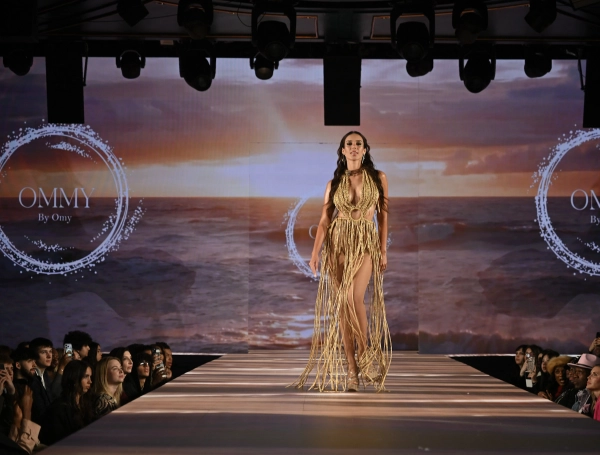
Later that evening, at 9:00 p.m., Colombian designer Alejandro de los Reyes captured the audience’s attention with a high-octane collection of haute couture evening gowns characterized by heavy hand-embroidery and intricate stonework. In a powerful display of national pride, de los Reyes bypassed conventional international casting agencies, fielding an entirely Colombian lineup of models that included beauty titleholders from Miss Cartagena, Teen Universe Colombia, and Miss Teen International Colombia.
Friday, September 11: Slow Fashion, Argentine Debuts, and Bolivian Concepts
Friday’s lineup offered a masterclass in diverse textile philosophies. At 5:00 p.m., renowned Puerto Rican designer Norma Nazario presented her signature sophisticated aesthetic.
Just two hours later, at 7:00 p.m., Brazil’s L’ECucchi—founded by designer Renata Cucchi—championed the ethos of strict slow fashion. The brand’s presentation highlighted localized, sustainable production methods that respect both ecological boundaries and historical textile heritages.

At 9:00 p.m., the Argentine brand Vita made its highly anticipated NYFW debut. Vita’s collection drew profound conceptual inspiration from agricultural cycles—specifically the acts of sowing, cultivating, and harvesting. Sharing the spotlight that evening was Bolivia’s EANIAN478, which used conceptual fashion, structural pattern experimentation, and traditional hand-embroidery originating from Oruro to address pressing contemporary social issues.
Sunday, September 13: A Grand Finale of Fashion and Jewelry
Following a brief interlude in the core schedule, the Latin American showcase reaches its climax on Sunday, September 13, at 11:00 a.m.
Honduran designer Roberto Ramírez, working in close collaboration with Ecojoyería, closes out the regional programming. Ramírez, whose career took off in 2009 and who has been a fixture of BAC Estilo Moda since its inception in 2016, brings a poetic fusion of sustainable fine jewelry and ready-to-wear pieces inspired by the rich coastal landscapes of Honduras.
Supporting Data: The Full Delegation
Beyond the headlining evening slots, the collective strength of the Latin American presence is anchored by a robust roster of participating brands distributed across the region:

- Argentina: BYFELLER, NIA, Áurea Argentina, HUMAN CONCEPT, Pablito Ya!, Mina Concept, and the debut brand Vita.
- Chile: Fabrô, ZIAN, Linaje Atelier, Phaxsi, and Amaya Butrón.
- Puerto Rico: Norma Nazario, ZZ Couture, Ray Aponte (The Emerging Puerto Rico), and GT Designs.
- Costa Rica: Fenix and Luna May.
- Brazil: L’ECucchi (Renata Cucchi) and Work to be Fashion.
- Peru: Marsol Atelier.
- Mexico: Lyard.
- Guatemala: Vesh.
- Bolivia: EANIAN478.
- Honduras: Roberto Ramírez (in collaboration with Ecojoyería).
This broad geographical representation underscores a broader industry shift: buyers and fashion editors are increasingly looking beyond traditional fashion capitals (Paris, Milan, London, and New York) to source authentic, culturally grounded design narratives.
Official Responses and Industry Perspectives
The convergence of such a massive block of Latin American talent at Runway 7 has not gone unnoticed by cultural attachés, trade boards, and industry insiders.
"For years, Latin American designers possessed the craftsmanship, the luxury vision, and the storytelling capabilities, but lacked a reliable commercial bridge to North American buyers," notes a senior fashion curator associated with the international showcases at Sony Hall. "Platforms like Runway 7 are no longer just alternative spaces; they are primary engines of global market entry."

Designers themselves have emphasized the socio-economic weight of their participation. Speaking on the integration of manual labor into high-end collections, representatives from slow-fashion houses like L’ECucchi and artisanal groups like EANIAN478 highlighted that presenting in New York is a political statement as much as an aesthetic one. By keeping production anchored in local cooperatives—whether through Oruro embroidery workshops in Bolivia, Caribbean artisan collectives in Costa Rica, or sustainable beadwork studios in Colombia—these brands ensure that the economic benefits of high fashion flow directly back to the communities preserving these age-old techniques.
Implications: What This Means for the Future of Global Fashion
The successful deployment of 26 brands from 11 territories during the September 2026 New York Fashion Week carries profound implications for the global fashion ecosystem:
- Decentralization of Luxury: The dominance of European and North American design hegemonies continues to fracture. High-end consumers are increasingly fatigued by mass-produced "luxury" and are seeking out pieces with verifiable cultural integrity, provenance, and hand-crafted execution—qualities that Latin American ateliers deliver inherently.
- The Rise of Eco-Conscious Luxury: With multiple brands integrating concepts of slow fashion, organic fibers, agricultural inspiration (such as Argentina’s Vita), and zero-waste pattern-making, the Latin American contingent is positioning itself at the vanguard of sustainable luxury rather than treating it as an afterthought.
- Enhanced Regional Collaboration: The scale of this year’s Runway 7 showcase demonstrates a growing solidarity among Latin American creatives. By pooling resources, sharing media visibility, and presenting under a unified, continent-spanning umbrella, these designers amplify their individual voices, making it easier to attract the attention of major retail buyers, international press, and venture capitalists.
As the models walk the runway at Sony Hall through September 13, the message is clear: Latin America is not merely participating in contemporary global fashion—it is actively helping to author its next chapter.