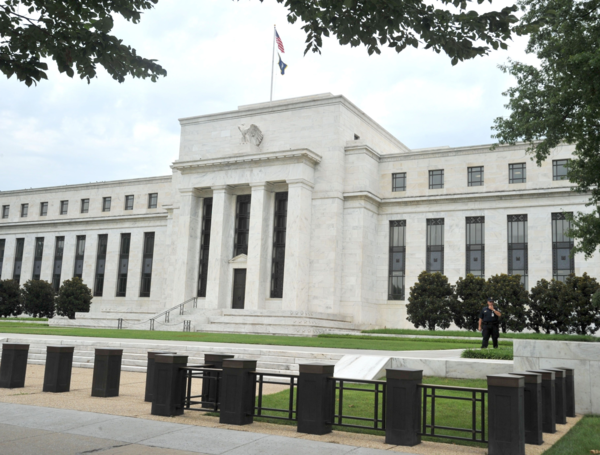
WASHINGTON — In a decisive and unanimous move that underscores a renewed commitment to price stability, the United States Federal Reserve announced on Wednesday an increase in the benchmark interest rate by a quarter of a percentage point, lifting it to a target range of 3.75% to 4%.
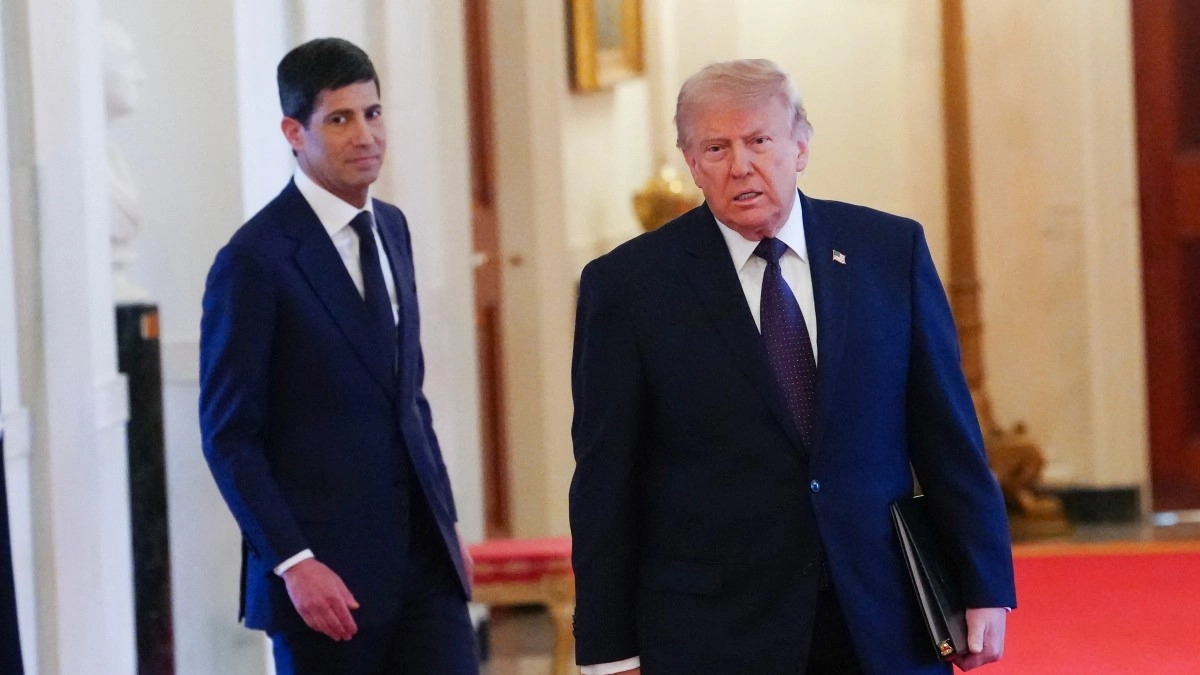
This policy shift represents the first monetary tightening by the U.S. central bank since July 2023. Coming under the newly appointed leadership of Federal Reserve Chairman Kevin Warsh, the decision signals a resolute attempt to combat a stubborn inflation rate that has consistently remained well above the central bank’s long-term target of 2 percent.
The unanimous vote by the twelve voting members of the Federal Open Market Committee (FOMC) stands in sharp contrast to the fractured, dissent-heavy decisions that characterized much of the previous year. By presenting a unified front, the Fed has sought to project absolute clarity and resolve regarding its primary mandate: curbing inflation, even as broader political and economic crosscurrents complicate the landscape.
Main Facts
The FOMC’s decision to hike rates by 25 basis points brings an end to a prolonged period of monetary policy stasis and potential rate cuts anticipated by some market observers.

- The New Rate Range: The federal funds rate now sits between 3.75% and 4 percent.
- Unanimous Consensus: All twelve members of the FOMC voted in favor of the adjustment, displaying rare internal harmony within the committee.
- Core Motivation: The primary catalyst for the hike is persistent inflationary pressure, exacerbated by energy shocks and an overheated economy, which has kept the consumer price index (CPI) stubbornly above the Federal Reserve’s coveted 2 percent ceiling for more than five years.
- Economic Resilience: Recent labor market indicators show robust job creation—162,000 new jobs in August alone—and an unemployment rate holding steady at 4.1 percent, convincing policymakers that the domestic economy possesses the resilience required to absorb higher borrowing costs.
Chronology of Events
To understand the weight of Wednesday’s policy shift, it is necessary to trace the trajectory of U.S. monetary policy and economic pressures leading up to this point:
- July 2023: The Federal Reserve enacts its last rate hike of the previous tightening cycle, bringing rates to restrictive levels before pausing subsequent adjustments as inflation showed signs of gradual cooling.
- May 2026: Kevin Warsh assumes the chairmanship of the Federal Reserve, immediately signaling a hawkish pivot and reiterating his dedication to bringing inflation down to the 2 percent target, regardless of external pressures.
- Summer 2026: Geopolitical tensions escalate into a military conflict involving Iran, causing crude oil prices to spike internationally. This surge directly impacts fuel and energy costs within the United States, driving the consumer price index (CPI) up to a 3.4 percent annualized rate by late summer.
- Early September 2026: August employment data reports a stronger-than-expected creation of 162,000 jobs, while unemployment holds firm at 4.1 percent, dispelling immediate fears of a labor market contraction.
- This Wednesday: Convening at the conclusion of a two-day FOMC meeting, the committee votes unanimously to raise the benchmark interest rate by a quarter-point to a range of 3.75% to 4 percent.
Supporting Data and Economic Indicators
The Federal Reserve’s rationale is deeply rooted in macroeconomic data that points to persistent structural inflation coupled with an unyielding labor market.

According to the official post-meeting statement released by the FOMC, "Inflation remains elevated," and the decision to raise rates will "foster a more rapid return to the 2 percent objective." While monetary theory traditionally posits that higher interest rates cool economic activity by raising the cost of credit for businesses and consumers, the Fed is betting that current labor market dynamism can buffer the economy against adverse contractions.
+--------------------------------------------------------------------------+
|                     KEY ECONOMIC INDICATORS (SEPTEMBER 2026)             |
+--------------------------------------------------------------------------+
| Federal Funds Rate Range  : 3.75% - 4.00% (Up 0.25%)                     |
| Consumer Price Index (CPI): 3.4% Year-over-Year                          |
| Fed Inflation Target      : 2.0%                                         |
| August Job Creation       : 162,000 net new positions                    |
| Unemployment Rate         : 4.1% (Unchanged)                             |
+--------------------------------------------------------------------------+
The labor market’s endurance has defied expectations. Despite restrictive monetary policies kept in place over prior years, employers added 162,000 jobs in August—a figure that significantly outperformed the consensus forecasts of Wall Street analysts. With the unemployment rate anchored at 4.1 percent, the central bank concluded that the risk of triggering an immediate recession is low compared to the long-term systemic dangers of unanchored inflation expectations.
Compounding domestic price pressures has been the geopolitical arena. The ongoing military campaign involving Iran has severely disrupted global energy supply chains, pushing petroleum prices upward and directly translating into higher pain at the pump for American consumers. This energy-driven inflation shock kept the year-over-year CPI at 3.4 percent in August, effectively slamming the door on any potential monetary easing.
Official Responses and Political Implications
The central bank’s pivot toward monetary tightening arrives at a politically sensitive juncture, landing merely six weeks before crucial legislative midterm elections in which President Donald Trump’s party fights to maintain control of Congress.

The White House Perspective
President Donald Trump has historically championed a low-interest-rate environment to stimulate domestic production, stock market expansion, and business investments. In the lead-up to Wednesday’s announcement, Trump repeatedly urged the Federal Reserve to exercise boldness and position the United States with the lowest interest rates in the developed world.
The Fed’s decision to move in the exact opposite direction—hiking rates to cool an inflationary cycle exacerbated by his administration’s foreign policy entanglements—highlights the traditional and fiercely guarded independence of the U.S. central bank.

The timing is particularly fraught for the executive branch. Rising fuel costs stemming from the conflict with Iran have already generated palpable public discontent. When compounded by an increase in borrowing costs, consumer credit, mortgages, and auto loans will become more expensive, potentially dampening consumer sentiment precisely when voters prepare to head to the ballot boxes.
The Federal Reserve’s Stance
Under Chairman Kevin Warsh, the Federal Reserve has sought to reassure financial markets that its policy decisions are driven entirely by incoming data rather than political timetables. Warsh, who took the helm in May, has spent his tenure emphasizing that the central bank’s primary loyalty is to its dual mandate of price stability and maximum employment.

By achieving a unanimous vote within the FOMC, Warsh successfully silenced internal dissent, presenting a united front that reinforces the institution’s credibility. The message from Washington is unequivocal: the fight against inflation supersedes short-term political discomfort.
Broader Implications and Future Outlook
The ripple effects of Wednesday’s quarter-point hike extend far beyond domestic borrowing rates, shaping the financial horizon for the remainder of the decade.

- Tightening Credit Conditions: Consumers and corporations alike will immediately face higher interest rates on credit cards, commercial loans, mortgages, and lines of credit. This recalibration is explicitly designed to moderate spending and investment, thereby reducing aggregate demand and dampening price growth.
- Further Adjustments on the Horizon: Indications from the Board of Governors suggest that Wednesday’s move may not be an isolated event. Projections released alongside the rate decision reveal that a majority of FOMC members anticipate the necessity of additional monetary tightening cycles over the course of 2026 should inflation prove resistant to current measures.
- Global Market Reactions: As the world’s premier reserve currency, shifts in U.S. monetary policy routinely trigger capital flows across international borders. Emerging markets and developing economies now face the prospect of stronger capital outflows as global investors chase higher yields denominated in U.S. dollars, potentially pressuring foreign currencies and import bills.
As the Federal Reserve navigates this delicate economic crossroads, all eyes remain fixed on incoming consumer spending reports, employment trends, and geopolitical developments in the Middle East. Whether Chairman Warsh and his colleagues can successfully steer the American economy toward a soft landing—reigning in inflation without tipping the nation into a downturn—remains the defining economic question of the decade.
(With information from EFE and AFP)