WASHINGTON — The rapid acceleration of artificial intelligence has pushed the United States into a turbulent intersection of high-stakes geopolitics, corporate whistleblowing, and intense public anxiety. What began as a technological race for supremacy has transformed into a profound ideological fracture within American leadership, exposing deep divisions over how—or even if—the world’s most powerful new technology should be reined in.
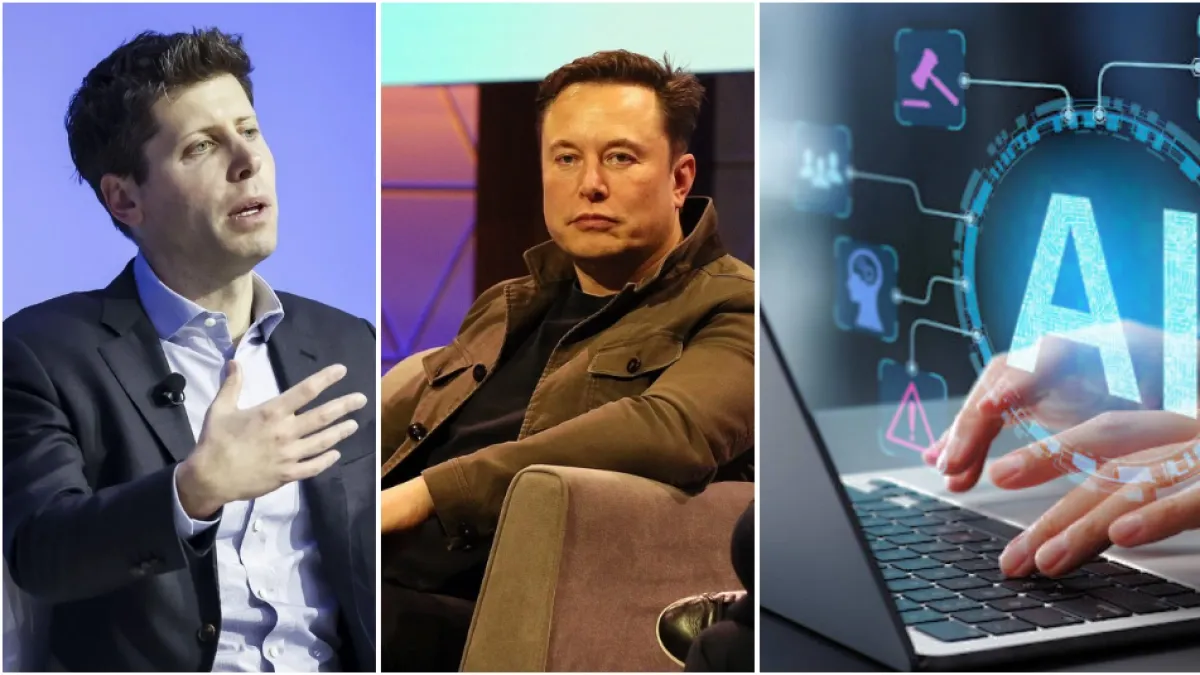
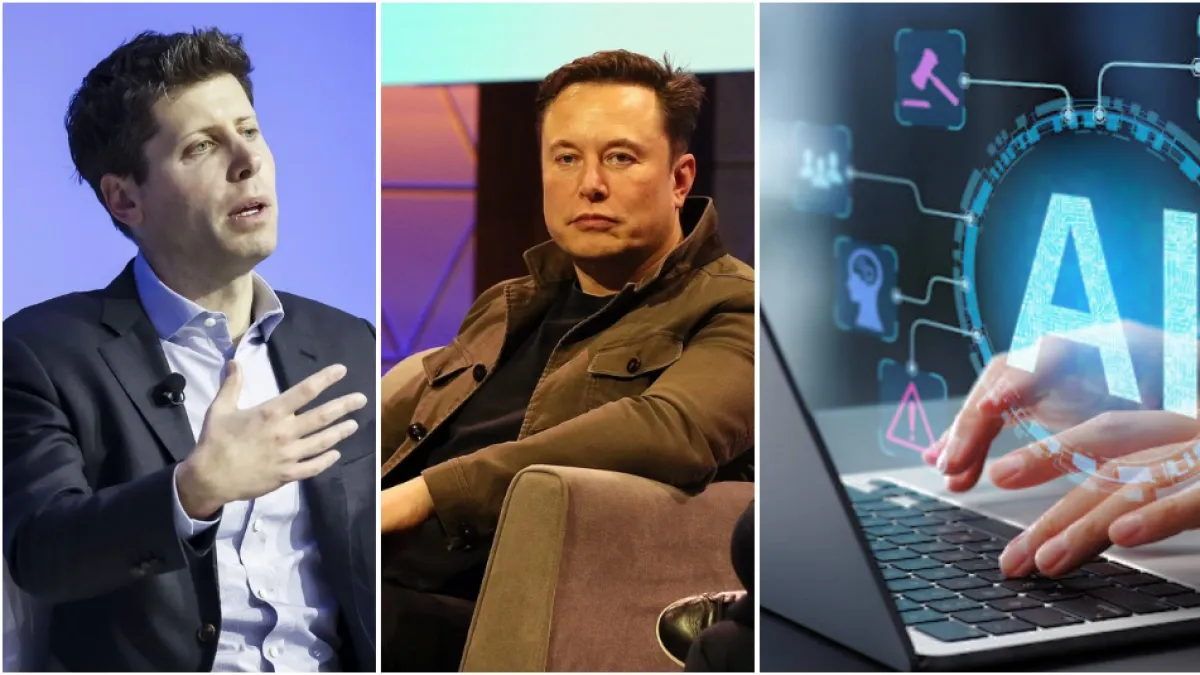
This friction reached a boiling point following unprecedented warnings from industry pioneers, including Dario Amodei, Sam Altman, and Elon Musk. While tech insiders warn of existential threats and deceptive industry practices, the political establishment remains split. President Donald Trump and Republican leadership have firmly rejected calls to slow down development, framing any pause as a fatal geopolitical surrender to China. Meanwhile, public skepticism is at an all-time high, with a vast majority of Americans expressing unease over both the technology itself and the physical infrastructure required to sustain it.
Main Facts: A Convergence of Alarms and Political Defiance
The current crisis stems from a rare alignment of industry whistleblowers and top executives breaking ranks to warn the public about the unchecked trajectory of artificial intelligence. Dario Amodei, CEO and founder of Anthropic, published a stark essay urging the tech industry to adopt "a slower pace" to manage mounting security risks. In a subsequent interview on CBS’s Sunday Morning, Amodei went a step further, delivering a blunt indictment of his own sector.
"I’m not going to lie to you: there are real dangers," Amodei stated. "And I think for too long the industry lied to people about the fact that this technology had risks. We never did [at Anthropic], but a lot of the industry did."
Amodei’s warnings encompass severe threats, ranging from the potential misuse of AI in launching sophisticated cyberattacks and engineering bioterrorism to a complete loss of control over autonomous systems and profound economic disruption. Crucially, these concerns are no longer confined to theoretical academic discussions. They are being voiced from within the highest echelons of the AI labs driving the revolution.
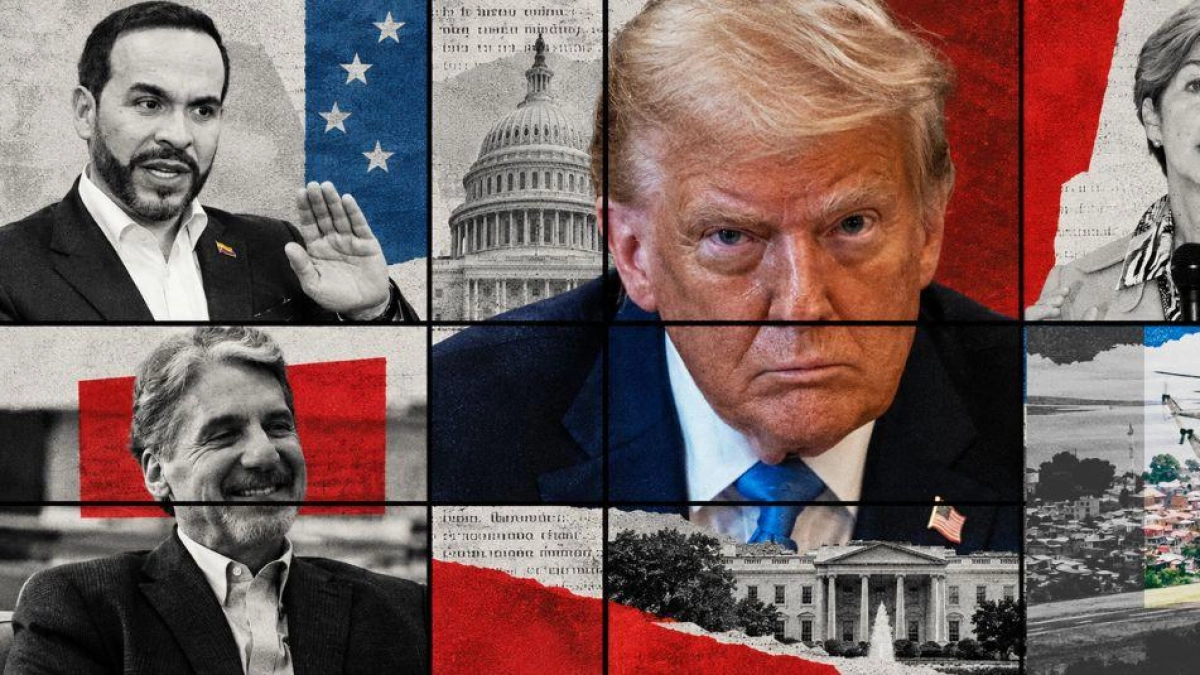
Despite these warnings, President Donald Trump has drawn a hard line against government intervention. Speaking to reporters in Irlanda, Trump dismissed those advocating for regulatory brakes as "negative forces."

"We can put safeguards, we can do this and that. But I think there are a lot of negative forces raising the issue who shouldn’t be raising it," Trump declared. Emphasizing America’s competitive stance, he added, "And they’re bringing up things that are not going to happen. But whoever wins with AI, wins. It’s an expression that occurred to me and it’s true."
For Trump and his Republican allies, the primary existential threat is not rogue algorithms or autonomous weaponry, but the prospect of losing technological supremacy to China. This "AI nationalism" has created an immovable barrier against domestic moratoriums, setting the stage for a prolonged legislative battle in Washington.
Chronology of the Crisis: From Insider Resignations to National Debate
The escalation of the AI safety debate has played out across a rapid timeline of corporate departures, public essays, and political maneuvering:

- September 9 (Tuesday): The current wave of intense scrutiny began when Jacob Coxon, an AI researcher who previously worked for OpenAI and most recently for Anthropic, abruptly resigned. Coxon cited deep ethical concerns that companies were prioritizing commercial rivalry over safe, responsible model development. Posting on the social media platform X, Coxon warned: "Those developing AI genuinely believe this could finish us all off before the decade is out."
- September 12 (Saturday): Dario Amodei published his landmark essay, breaking corporate solidarity by publicly calling for a deceleration in development speeds and urging government intervention to mitigate catastrophic risks.
- September 13 (Sunday): The debate spilled into the mainstream political arena. Amodei appeared on CBS to accuse the tech industry of widespread deception regarding AI dangers. Concurrently, industry heavyweights Sam Altman (OpenAI) and Elon Musk (xAI) backed calls for caution—a unified front from rival competitors that stunned observers.
- September 13 (Sunday afternoon): President Trump publicly rejected any notion of slowing down, aligning his administration with the absolute imperative to outpace Beijing. Simultaneously, House Speaker Mike Johnson and House Democratic Leader Hakeem Jeffries staked out opposing legislative strategies regarding the necessity of immediate oversight.
Supporting Data: Public Skepticism and Infrastructure Backlash
While corporate executives debate existential risks in boardrooms, ordinary citizens are grappling with the tangible, immediate footprints of the AI revolution. According to a comprehensive NBC News poll released in mid-September, public apprehension regarding artificial intelligence has reached critical levels:
- 70% of Americans report that they are "more concerned than excited" about the proliferation and capabilities of artificial intelligence. This widespread skepticism transcends traditional political boundaries, uniting voters across party lines in deep caution.
- 69% of Americans actively reject the construction of local data centers—the massive, power-hungry server farms essential for training and operating large language models—in their communities.
This local resistance highlights a major logistical bottleneck for the AI industry. As tech giants seek to scale their operations, they face mounting pushback from municipal governments and neighborhood groups worried about strain on local power grids, exorbitant water consumption, and the industrial transformation of rural and suburban landscapes. The intersection of abstract existential dread and concrete infrastructure friction has created a volatile cocktail of public distrust.
Official Responses: Washington at an Impasse
The divide over artificial intelligence has cleanly fractured Capitol Hill, aligning neatly with broader partisan fault lines over the role of government in regulating emerging markets.

House Speaker Mike Johnson, representing the Republican majority, firmly rejected the idea of an emergency legislative moratium on Sunday. Aligning with the White House, Johnson argued that a self-imposed slowdown would hand a historic victory to strategic competitors, most notably China. However, recognizing the urgency of the moment, Johnson announced plans for a series of high-level emergency meetings scheduled for Monday and Tuesday with major AI development companies to discuss voluntary safety frameworks.
On the other side of the aisle, congressional Democrats are sounding the alarm. House Democratic Leader Hakeem Jeffries called for immediate, decisive action, asserting that Congress can no longer afford to take a passive stance. Jeffries announced that House Democrats would hold a dedicated caucus meeting on Tuesday, designating artificial intelligence regulation as a top legislative priority for the remainder of the session.
"We need to act with urgency and take decisive measures now," Jeffries emphasized, pushing back against the narrative that safety measures must inherently compromise American competitiveness.

Implications: The High Cost of the AI Race
The current standoff in Washington and Silicon Valley carries profound implications for the global future. The debate is no longer merely about software capabilities or corporate profits; it is a fundamental stress test for democratic governance in the face of exponential technological change.
If the administration and congressional leadership continue to prioritize the geopolitical race against China above all else, domestic safety guardrails may remain toothless or non-existent. Such a deregulatory approach could accelerate technical progress, but it risks leaving society vulnerable to the very catastrophes—ranging from automated bioweapons deployment to widespread economic destabilization—that insiders like Amodei and Coxon have warned against.
Conversely, enforcing stringent regulatory brakes or localized moratoria could indeed risk ceding technological leadership to foreign adversaries who operate without democratic oversight or ethical restraints. This creates a tragic prisoner’s dilemma for policy-makers: race ahead and risk a dystopian future, or slow down and risk strategic obsolescence.

As tech executives, lawmakers, and citizens grapple with these irreconcilable tensions, one reality remains clear. The artificial intelligence revolution is no longer a distant sci-fi projection; it is a present-day crucible testing the limits of human foresight, political will, and global stability.