By Justice Desk, EL TIEMPO
September 15, 2026
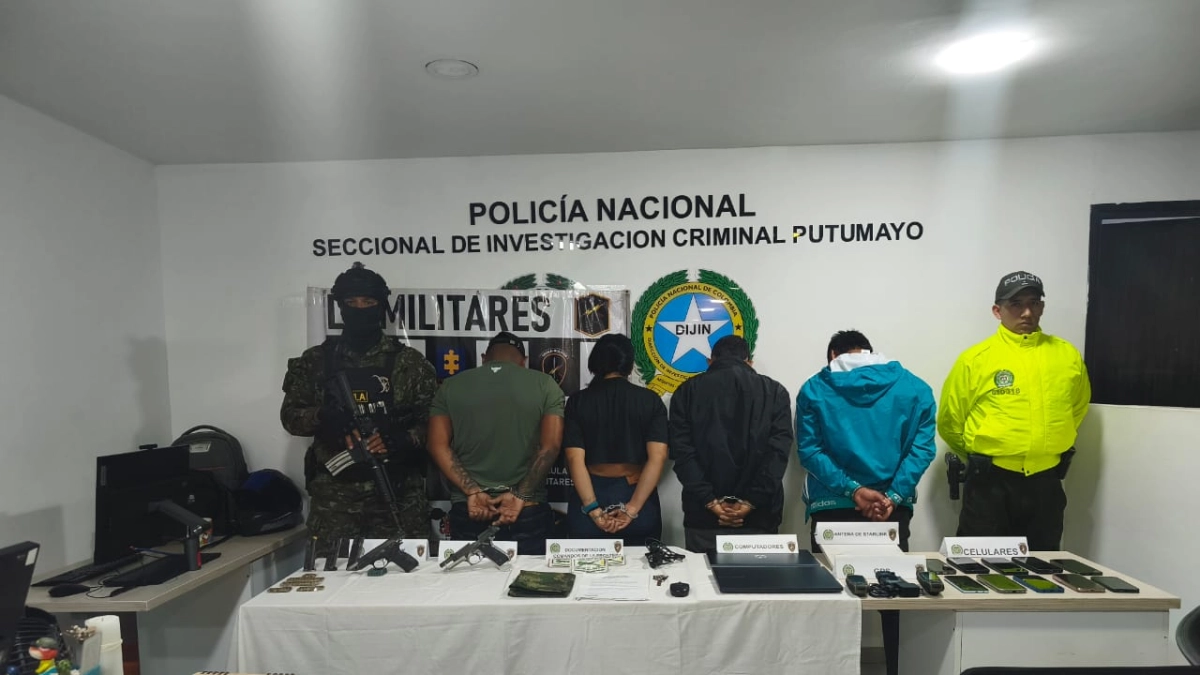
In a decisive 24-hour offensive that marks a significant shift in the security landscape of Southern Colombia, authorities have successfully dismantled critical segments of the "Comandos de Frontera" (CDF) criminal structure. Through two high-impact operations conducted in the municipalities of Puerto Asís and Puerto Caicedo, in the department of Putumayo, security forces captured eight individuals, including high-ranking military commanders and urban operators responsible for the organization’s expansion and violent enforcement tactics.
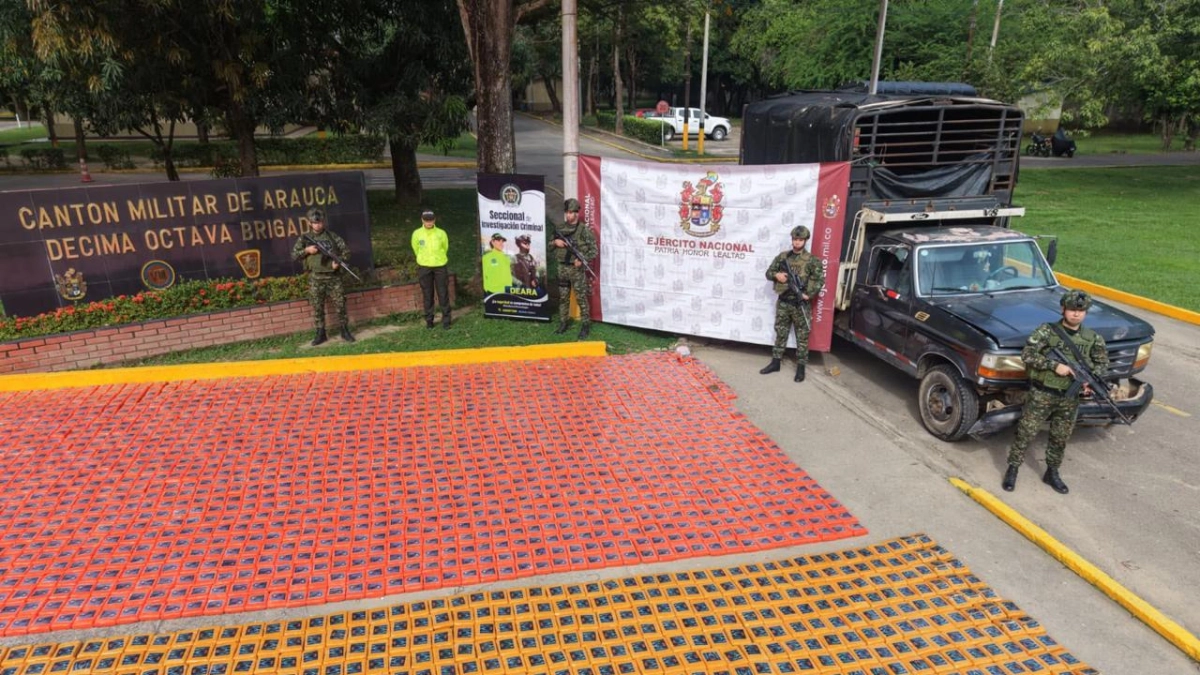
The raids, which resulted in the seizure of substantial quantities of war materiel, communication devices, and intelligence documentation, represent one of the most significant blows to the CDF’s regional hegemony in recent months.
Main Facts: A Strike at the Heart of the Command Structure
The operations, executed with surgical precision, targeted different levels of the CDF hierarchy. The most significant arrests involved individuals identified by intelligence agencies as core pillars of the organization’s operational and ideological framework.
Among the detainees is John Anderson López, known by his alias "Jonatán" or "Indio Miyagui." According to official intelligence, López served as the primary military chief of the "Comisión de la Amazonia," acting as the direct subordinate to the supreme leader of the faction, known as "JC." His capture is considered a major setback for the organization’s ability to coordinate large-scale tactical movements across the dense jungles of the Putumayo region.
Alongside him, authorities captured alias "Kataleya," also known as "La Mona," a key operative within the same structure. A particularly troubling aspect of this raid, conducted in the rural sector of La Paila in Puerto Asís, was the recovery of four minors who were found in the presence of the criminal elements. These individuals have since been transferred to the custody of the Colombian Institute of Family Welfare (ICBF) to begin the process of restorative justice and protection.

In a simultaneous effort in Puerto Caicedo, intelligence units apprehended alias "Diablo," a man described by investigators as a "zone ringleader." Unlike his counterparts in the rural sectors, "Diablo" was tasked with managing the urban commission—a specialized group of approximately 15 members responsible for enforcing the group’s will within the municipal centers of the Bajo Putumayo.
Chronology of the Security Offensive
The synchronized crackdown unfolded over the course of two intense days:
-
Phase I: The Rural Strike (La Paila, Puerto Asís):
Intelligence units had been tracking the movements of "Indio Miyagui" for several months. By dawn, military and police forces infiltrated the remote rural enclave of La Paila. The operation resulted in the capture of "Indio Miyagui" and "Kataleya." This specific location was identified as a logistical hub for the "Móvil del Amazonas" unit, a mobile force designed for quick strikes and the protection of clandestine cocaine laboratories.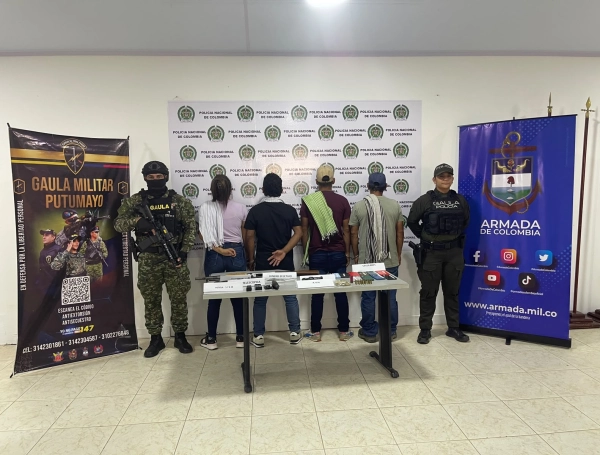
-
Phase II: The Urban Neutralization (Puerto Caicedo):
Following the initial success in the rural zone, the operation shifted focus to an urban residential sector in Puerto Caicedo. Intelligence had pinpointed a "safe house" used by the urban commission. A tactical raid led to the arrest of four individuals, including the aforementioned "Diablo." This phase of the operation was particularly focused on dismantling the group’s capacity for urban extortion and targeted intimidation.
Supporting Data: The Role of ‘Alias Diablo’
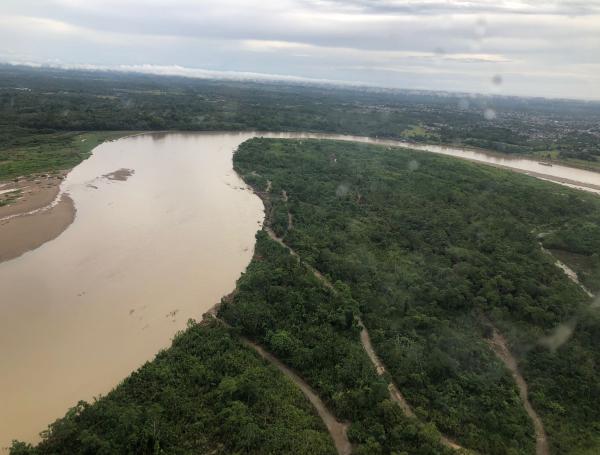
The capture of alias "Diablo" provides a window into how these criminal organizations function as pseudo-military entities. According to intelligence reports, he did not merely manage the flow of narcotics through the river corridors; he was the primary instructor for the group.
His responsibilities included:
- Doctrinal Indoctrination: Imparting the organizational ideology to new recruits to ensure loyalty and combat readiness.
- Tactical Training: Teaching recruits the specifics of guerrilla-style maneuvers for both rural ambushes and urban terror tactics.
- Human Capital Management: Selecting profiles for the group’s "armed components," often targeting vulnerable youth from local communities.
This dual focus on drug trafficking and ideological training highlights the CDF’s intent to embed itself into the social fabric of the region, making the dismantling of its leadership even more critical for long-term stability.
Official Responses and Strategic Implications
The Commander of the local security forces stated during a press briefing that these arrests are part of a broader strategy to "recover the territorial integrity of the Bajo Putumayo."
"These individuals were the architects of the recent violence that has plagued our municipalities," the official stated. "By cutting off the head of the military commission and neutralizing the urban leadership, we have effectively paralyzed their ability to wage organized conflict against the state and rival groups."

The implications for the region are substantial. The "Comandos de Frontera" have been embroiled in a bloody dispute over illegal revenue streams—primarily drug trafficking routes leading to the Amazonian border—and the consolidation of control over local commerce. The recent increase in homicides in Puerto Asís is directly linked, according to investigators, to the turf wars managed by the urban commissions under the command of people like "Diablo."
The Path Forward: Challenges in Stabilization
While the arrests represent a victory for law enforcement, the challenge of stabilization remains immense. The recruitment of minors, evidenced by the four found in the La Paila operation, underscores the organization’s predatory nature. The fact that the CDF is actively using children in their operations complicates the judicial process and highlights the need for a comprehensive, multi-agency approach that extends beyond military action.
Furthermore, the "Comandos de Frontera" operate in a complex ecosystem of illicit economies. The vacuum left by these leaders is often quickly contested by rival groups or lower-level commanders seeking to prove their status. Therefore, the government’s strategy must now shift toward securing these liberated zones through social investment, the strengthening of local justice systems, and providing viable economic alternatives to the populations currently living under the influence of these armed groups.

The judicial process for the eight detainees is already underway. They face charges ranging from conspiracy to commit crimes and trafficking of illicit substances, to the illegal possession of weapons and the recruitment of minors.
A Call for Community Resilience
As the investigation continues, the Ministry of Justice and local authorities are calling on the citizens of Puerto Asís and Puerto Caicedo to continue providing anonymous tips. The success of this operation was, in large part, due to reliable intelligence provided by community members who are tired of the cycle of violence.
The security situation in Putumayo is in a state of flux. While the capture of "Indio Miyagui," "Kataleya," and "Diablo" has disrupted the current hierarchy, the resilience of the state will be tested in the coming months as they work to prevent the resurgence of these criminal structures.

For more information on the evolving situation in Putumayo and other national security updates, subscribe to the EL TIEMPO newsletter or follow our digital coverage for real-time alerts.