By Justice Editorial Staff
October 28, 2026
In a significant tactical victory for the Colombian security forces, a joint operation conducted by the National Army and the National Police has resulted in the seizure of over three tons of high-grade marijuana. The operation, which took place in the rural reaches of the department of Arauca, represents a severe logistical and financial setback for the "Domingo Laín Sáenz" front of the National Liberation Army (ELN), the guerrilla group to which the illicit cargo is attributed.
The cache, valued at an estimated 1.8 billion Colombian pesos (COP), was discovered abandoned inside a commercial transport vehicle. While the individuals responsible for the shipment managed to evade capture, the seizure marks a critical disruption in the narcotics trafficking routes that have long plagued the border region between Colombia and Venezuela.
The Operation: A Precision Strike in Arrecifes
The discovery occurred on the afternoon of October 28, 2026, in the remote rural area known as Vereda Arrecifes. Troops from the Colombian Army’s Tenth Brigade, working in close coordination with specialized units from the Sijín (Seccional de Investigación Judicial y Criminal), were conducting routine reconnaissance and territorial control patrols.
According to military intelligence, the region has been a focal point for increased security presence due to the documented movements of insurgent groups attempting to consolidate control over illicit trade corridors. During the patrol, scouts identified a Ford 350 truck traversing a secondary road. Upon noticing the security perimeter established by the troops, the occupants of the vehicle abruptly stopped, abandoned the truck, and fled into the dense surrounding vegetation.
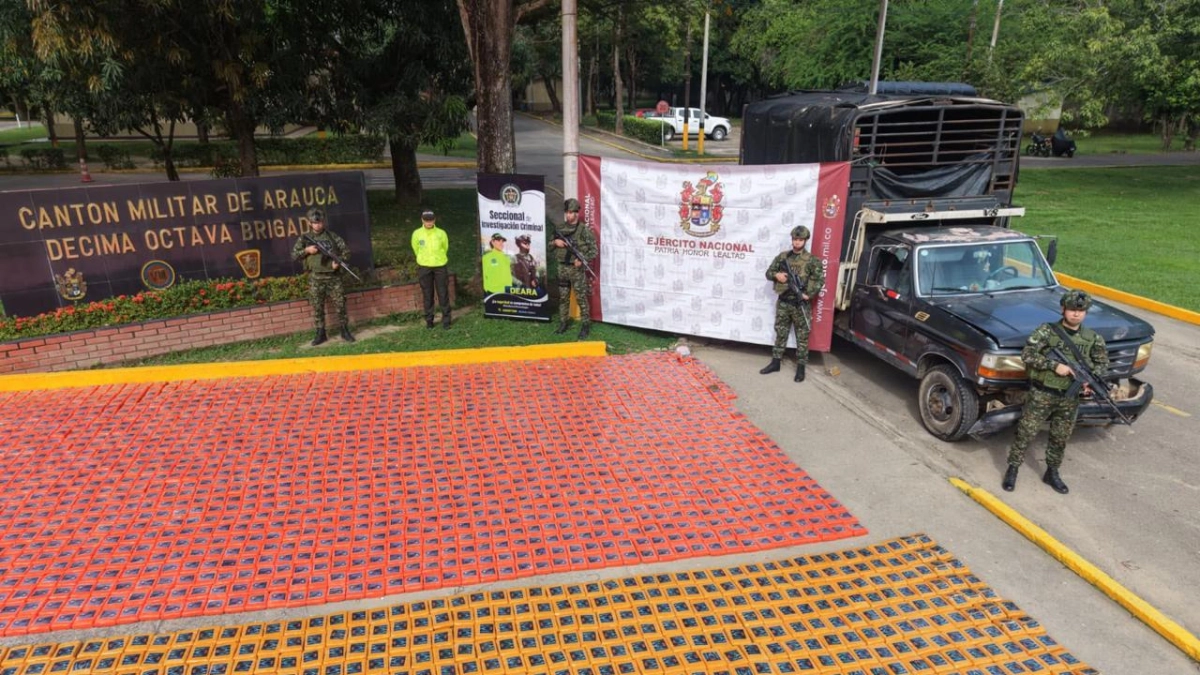
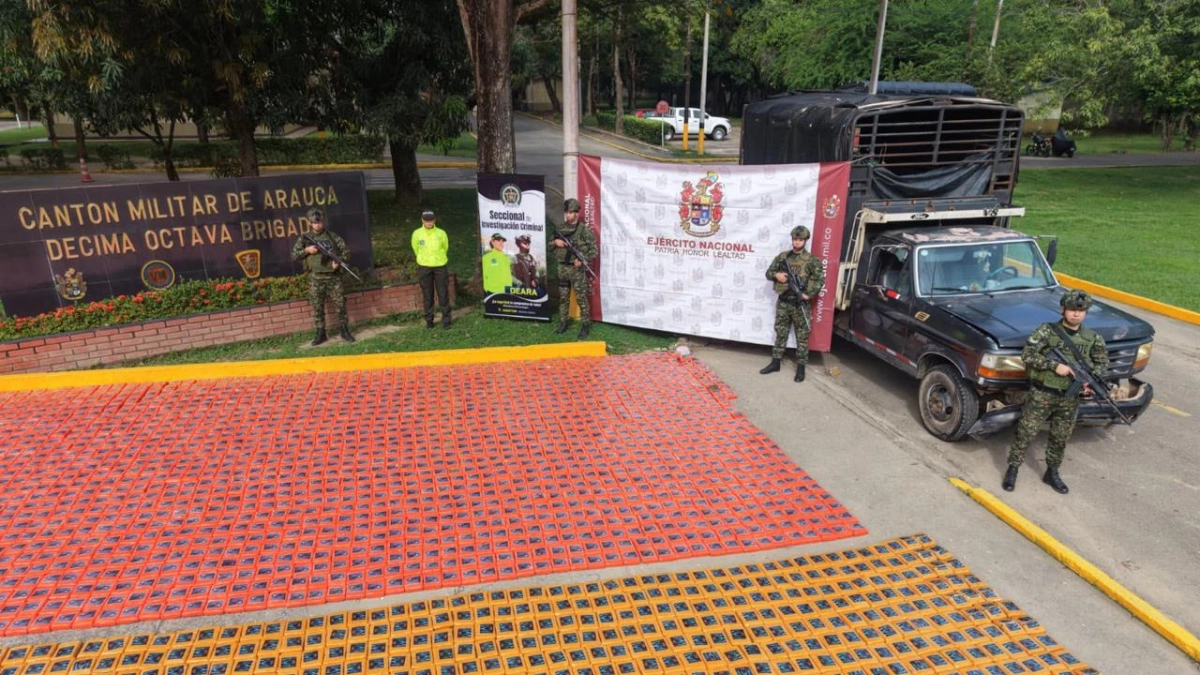
The tactical response was immediate. Fearing a potential explosive trap, the unit proceeded with caution, securing the perimeter before inspecting the vehicle. Upon opening the cargo bed, officers discovered a massive shipment of marijuana, meticulously organized into 6,204 individual, vacuum-sealed blocks.

Chronology of Events: From Detection to Confiscation
The timeline of the operation highlights the rapid response capabilities of the joint task force operating in the Arauca theater:
- 14:30 Hours: Army units from the Tenth Brigade initiate a standard control and reconnaissance mission in the Vereda Arrecifes corridor.
- 16:15 Hours: Intelligence reports signal the presence of suspicious heavy vehicle movement in the sector.
- 16:45 Hours: Contact is made with the suspects. The suspects abandon the Ford 350 truck and flee into the forest.
- 17:15 Hours: The tactical inspection confirms the cargo consists of large-scale, processed narcotics.
- 18:00 Hours: The inventory process is finalized, confirming a total weight of 3,102 kilograms of marijuana.
- 18:07 Hours: The military and police high command issues an initial report confirming the seizure and its link to the ELN.
Supporting Data and Forensic Analysis
The scale of this seizure is significant not only for its monetary value but for what it reveals about the industrialization of drug trafficking within the ELN’s ranks.
The 3,102 kilograms—a weight verified by official laboratory scales—represents a "wholesale" shipment intended for either export or major distribution centers in central Colombia. The quality of the packaging, which used vacuum-sealed plastic to reduce volume and mask the scent, indicates a professionalized supply chain.
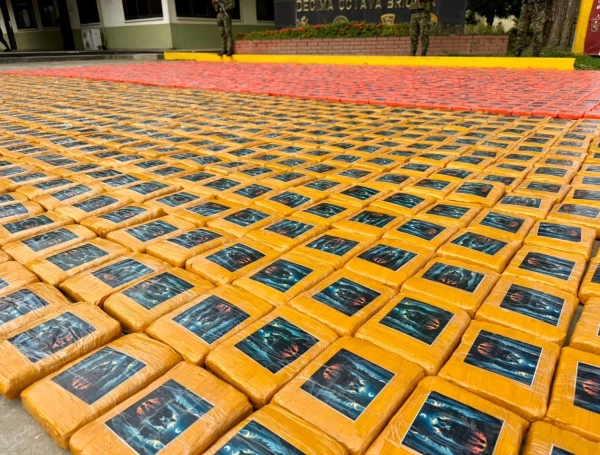
Military analysts suggest that the "Domingo Laín Sáenz" front relies on these shipments to fund the acquisition of weaponry, communication equipment, and the payment of "war taxes" to maintain their regional influence. The 1.8 billion peso valuation is based on current market intelligence regarding the average street price per gram in domestic urban markets, though the black-market value in international transit could be exponentially higher.
Official Responses and Strategic Implications
The seizure has been characterized by military spokespeople as a "crushing blow" to the logistical sustainability of the ELN in the Arauca department.
"This is not just about the drugs; it is about the capacity of this illegal armed group to project power," stated a spokesperson for the Tenth Brigade. "Every kilogram of illicit substance we remove from the hands of the ELN is a step toward restoring stability to the civilian population of Arauca. They use these resources to finance the very violence that disrupts the lives of our farmers and local entrepreneurs."

The National Police, through the Sijín, have confirmed that the investigation into the vehicle’s ownership and its point of origin is ongoing. While no arrests were made at the scene, forensic teams are currently processing the truck for fingerprints, DNA evidence, and GPS logs that could lead to the identification of the logistics network responsible for the shipment.
The Financial Drain
The ELN’s finances have been under intense scrutiny by the Colombian government’s "Justicia" and "Conflicto y Narcotráfico" divisions. By targeting the supply lines—the trucks, the clandestine storage sites, and the transport routes—the government aims to force a shift in the group’s operational strategy. Without the steady influx of capital provided by drug trafficking, the group’s ability to recruit, arm, and sustain its militant activities is severely compromised.
The Broader Context: Conflict and Narcotráfico
The incident in Arrecifes does not exist in a vacuum. It is part of a broader, ongoing effort to neutralize the influence of various illegal armed groups—including the ELN and the remnants of the "Clan del Golfo"—that continue to fight for control of the border regions.

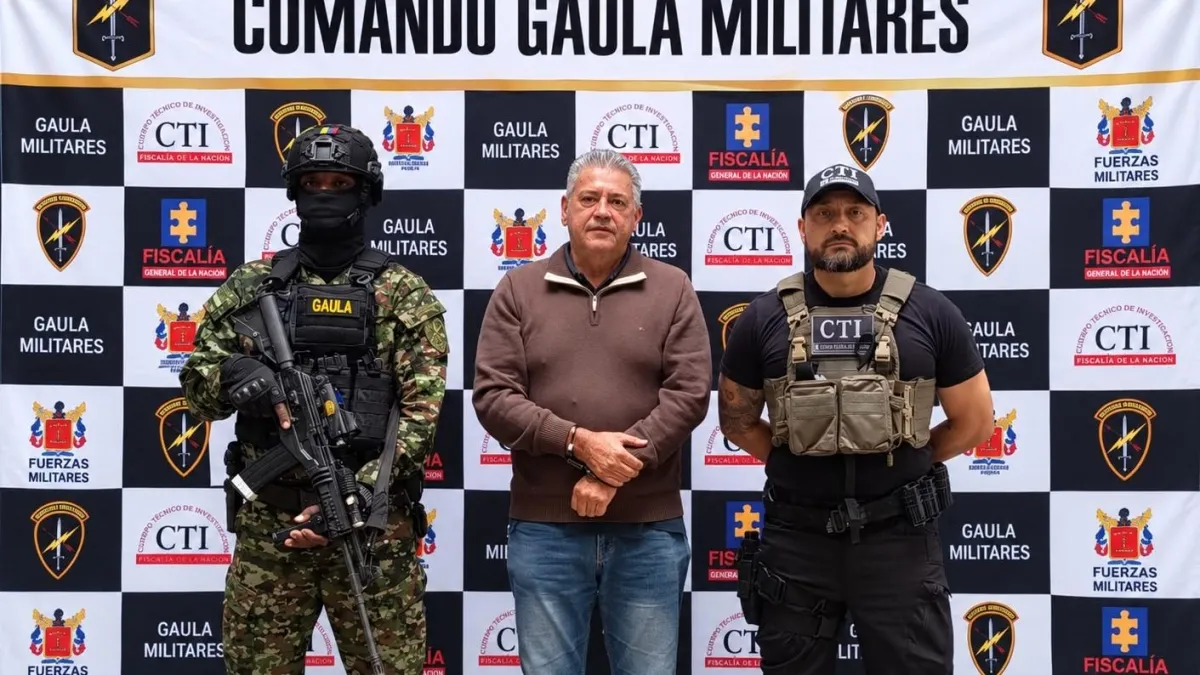
Earlier this same day, news broke of the capture of "Alias Cachaco," a high-ranking head of assassins linked to the "Clan del Golfo," in the southern part of the Bolivar department. This proximity in timing between the two events underscores the relentless nature of the current security crackdown across the country.
Challenges in the Field
The terrain of Arauca, characterized by vast, sparsely populated plains and dense riverine corridors, presents a perpetual challenge for security forces. The ELN has spent decades embedding itself within the local geography, utilizing local knowledge and intimidation to secure the "safe passage" of contraband.
The success of this operation lies in the synergy between the Army and the Police. By integrating military muscle with police investigative expertise, the state is becoming more effective at "choking" the supply chain before the illicit goods reach the main arteries of the country.

Conclusion: Looking Ahead
As of late evening on October 28, 2026, the investigation remains active. The seized cargo has been transported to a secure facility under military escort, where it will eventually be destroyed in accordance with legal protocols for controlled substances.
While the perpetrators escaped the immediate dragnet, the loss of over three tons of product is a strategic defeat that will undoubtedly cause friction within the ranks of the Domingo Laín Sáenz front. The military has vowed to maintain a high operational tempo in the Arrecifes area, signaling that the pressure on the ELN’s logistical hubs will not abate.
For the citizens of Arauca, the presence of these massive drug shipments serves as a stark reminder of the underlying conflict that continues to fuel regional insecurity. However, the coordinated response by the state offers a glimmer of hope that the dismantling of these criminal enterprises remains a top priority for the nation’s security architecture.

Redacción Justicia
[email protected]
Stay informed on the latest developments in this case and other ongoing conflicts by following our dedicated Justice section on Facebook, Twitter, and through our weekly digital newsletter.