Introduction: A Past Death Reexamined
The legal saga surrounding the high-profile thallium poisoning cases in Bogotá has taken a dark and unexpected turn. While the public focus has remained on the tragic deaths of two minors in 2025—a case involving the entrepreneur Zulma Guzmán—a new development has emerged that threatens to rewrite the history of the De Bedout family.
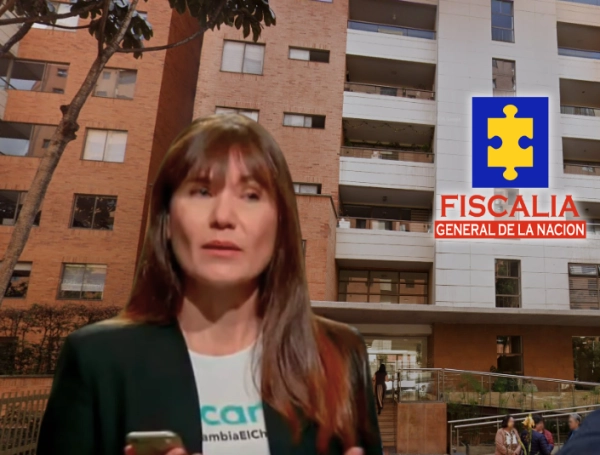
According to an exclusive report by Los Informantes of Caracol Televisión, the family of the late Alicia Graham, represented by criminal defense attorney David Espinosa Acuña, has officially filed a criminal complaint against Juan de Bedout. The accusation is grave: the family alleges that Alicia Graham, who passed away in August 2021, did not die of a terminal cancer as previously claimed, but was instead the victim of a systemic and progressive poisoning.
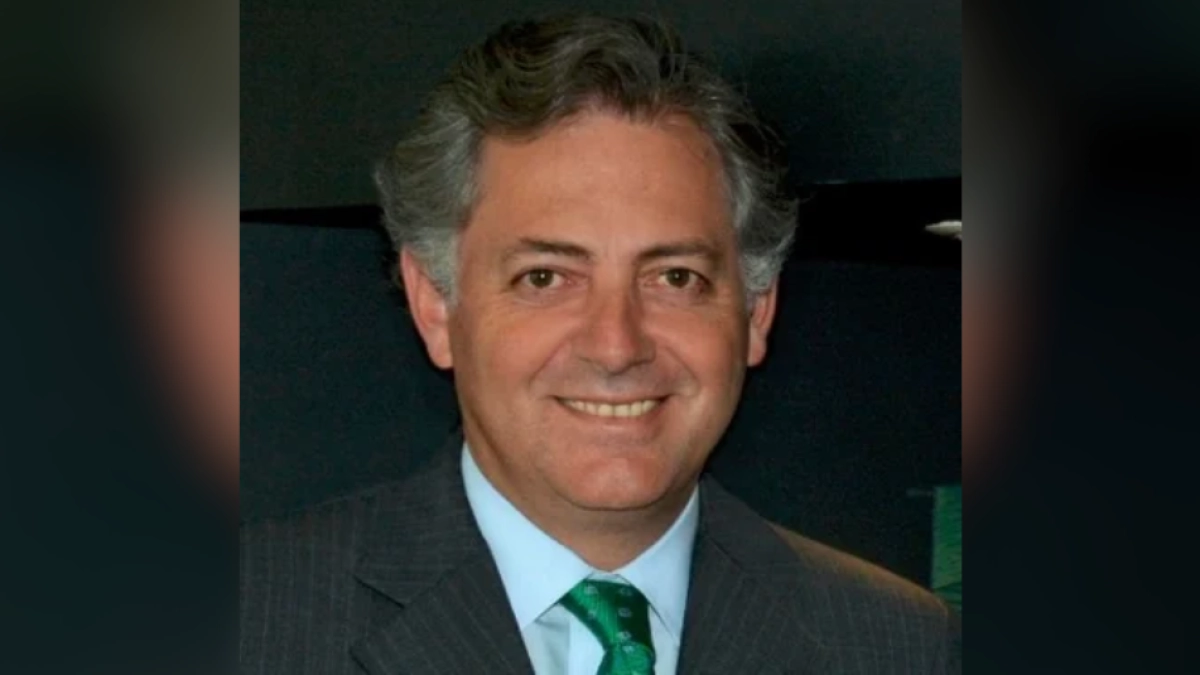
This development adds a chilling layer to an already complex investigation, suggesting that the use of thallium as a weapon within the De Bedout orbit may have predated the 2025 incident that shocked the nation.
The Allegations: Beyond "Natural Causes"
For over four years, the death of Alicia Graham was treated as a private tragedy, categorized as a natural passing due to terminal illness. Because the cause of death was attributed to cancer, no formal criminal investigation was launched at the time, and her remains were cremated, effectively closing the door on standard forensic scrutiny.

However, the legal team representing the Graham family now asserts that this narrative was a fabrication. In the complaint filed with the Prosecutor’s Office (Fiscalía), the lawyers argue that the death was the result of a calculated, "progressive and systematic" poisoning.
The crux of the accusation rests on newly surfaced evidence, which reportedly includes a series of medical documents, personal digital communications, and analytical reports. Perhaps most damning is a clinical finding dated August 3, 2021—shortly before her death—which allegedly shows a urine test containing 672.9 micrograms per liter of thallium. This concentration is profoundly toxic, providing the evidentiary foundation upon which the family now seeks to hold Juan de Bedout accountable.
Chronology of a Growing Mystery
2021: The Death of Alicia Graham
- August 17, 2021: Alicia Graham dies at the Fundación Santa Fe de Bogotá. At the time, her death is officially attributed to a terminal cancer diagnosis.
- Post-Mortem: Given the diagnosis of natural causes, no further investigation is conducted, and the body is cremated, eliminating the possibility of a standard toxicological autopsy.
2025: The Bogotá Thallium Crisis
- April 2025: Two minors, aged 13 and 14, die in Bogotá after consuming chocolate-covered raspberries. The investigation reveals the fruit was contaminated with thallium.
- The Suspect: The Fiscalía identifies Zulma Guzmán Castro as the primary suspect, alleging she orchestrated the delivery of the poisoned food to the De Bedout residence.
- Motive: Authorities suggest the act was one of retaliation stemming from the dissolution of a romantic relationship between Guzmán and the father of one of the minors.
- December 2025: Following an international manhunt, Guzmán is captured in London, triggering an extradition process.
2026: The Reopening of the Past
- November 2026: Attorneys for the Graham family formally denounce Juan de Bedout, alleging his involvement in the poisoning of his wife, Alicia.
- Current Status: The investigation into Guzmán’s extradition continues, while the new complaint against De Bedout undergoes initial review by the Prosecutor’s Office.
The Zulma Guzmán Connection
To understand the gravity of the new allegations against Juan de Bedout, one must contextualize them within the broader investigation of Zulma Guzmán. The 2025 incident was not a random act of violence; it was a targeted delivery of a highly restricted heavy metal.
Investigators discovered that the poisoned raspberries were sent to the De Bedout home via a delivery service. The precision of the delivery and the choice of a slow-acting, often undetectable poison like thallium pointed to a perpetrator with a sophisticated understanding of the victims’ routines.
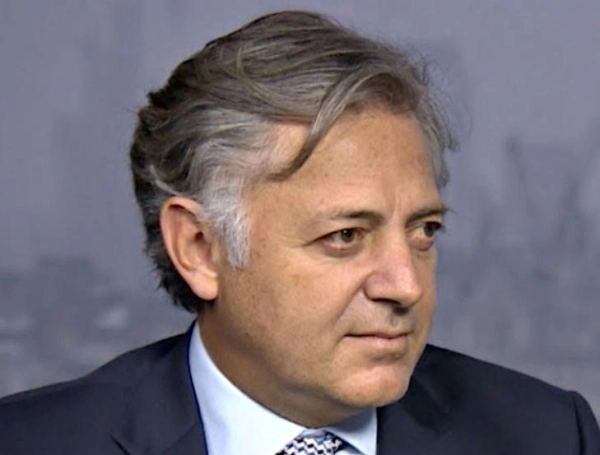
While Guzmán remains the central figure in the 2025 double homicide and the attempted murder of other family members, the accusations against Juan de Bedout raise a haunting question: Was the 2025 incident an isolated event, or is it part of a larger pattern of internal conflict and lethal sabotage? The legal team for the Graham family argues that De Bedout’s alleged manipulation of the facts surrounding his wife’s death is evidence of a pattern that extends back years.
Supporting Data: The Forensic Evidence
The strength of the current complaint lies in the specificity of the medical data provided by the prosecution and the family’s legal counsel. Thallium is a rare poison, often associated with industrial use, making its presence in human biological samples highly indicative of intentional ingestion.

The figure of 672.9 mcg/L cited in the August 2021 urine test is considered, by toxicological standards, to be well above the threshold of clinical concern. The fact that this result was reportedly obtained mere weeks before Alicia Graham’s death serves as the "smoking gun" for the plaintiffs.
Furthermore, the legal team claims to possess a cache of "chats, audios, and interviews" that they believe will demonstrate not only the poisoning itself but an active, multi-year effort to suppress the truth. If verified by the Fiscalía, this evidence could provide the necessary grounds to exhume the case, even in the absence of a body.
The Legal Hurdles and Official Responses
The path to justice in this case is fraught with procedural obstacles. The most significant of these is the cremation of Alicia Graham’s remains, which limits the physical evidence available to the state. However, the use of forensic accounting, digital forensics, and witness testimony is becoming a standard replacement in "cold cases" where physical remains are absent.
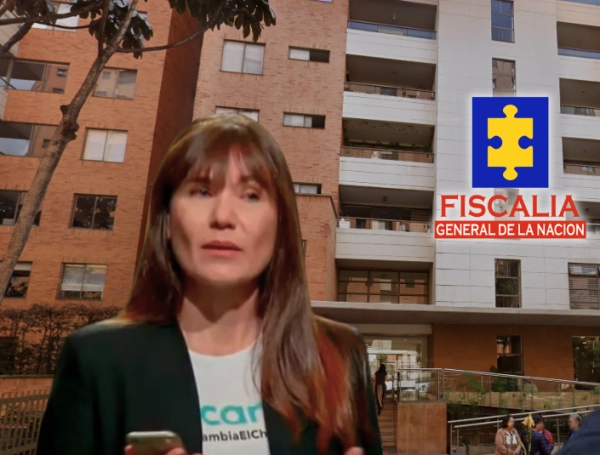
Regarding the Zulma Guzmán case, the legal process has been equally difficult. A scheduled hearing on November 9, 2026, failed to materialize after Guzmán was unable to establish a stable virtual connection from her detention facility in London. The Fiscalía is currently working in close coordination with the UK authorities to streamline the extradition, ensuring that Guzmán faces the charges of aggravated homicide and attempted homicide in a Colombian court.
Juan de Bedout, for his part, has previously denied involvement in the events surrounding the poisoning of his family members, characterizing himself as a victim of a campaign of harassment and violence.
Broader Implications
The accusation against Juan de Bedout, should it gain traction in the courts, would represent one of the most complex domestic criminal cases in recent Colombian history. It touches upon themes of privilege, the abuse of toxic substances, and the limits of medical diagnosis in the face of criminal intent.
If it is proven that a death previously labeled as "natural" was, in fact, a premeditated homicide, it would force a re-evaluation of how deaths are investigated in cases where a terminal illness is already documented. The medical community and the legal system may be forced to implement more rigorous reporting requirements for deaths involving patients with complex, chronic conditions, especially when those deaths occur within families already touched by suspicion or violence.
Furthermore, the public nature of these allegations places immense pressure on the Colombian Prosecutor’s Office to act with total transparency. As the nation watches the extradition proceedings of Zulma Guzmán, the parallel investigation into the death of Alicia Graham adds a layer of urgency that the authorities cannot ignore.

Conclusion: A Quest for Truth
The death of Alicia Graham, once considered a settled matter of sorrow and disease, has now become a central pillar in a widening investigation of betrayal and toxicity. As the Graham family seeks justice, the legal system faces the daunting task of untangling a web of accusations that spans years and involves multiple tragedies.
Whether the evidence provided by the attorneys is enough to secure a conviction remains to be seen. However, one thing is certain: the shadow cast by the 2025 thallium poisonings has proven long enough to reach into the past, illuminating secrets that many believed were buried forever. The upcoming months will be critical, as the Fiscalía weighs the validity of these new claims against the established narratives of a case that continues to haunt the city of Bogotá.