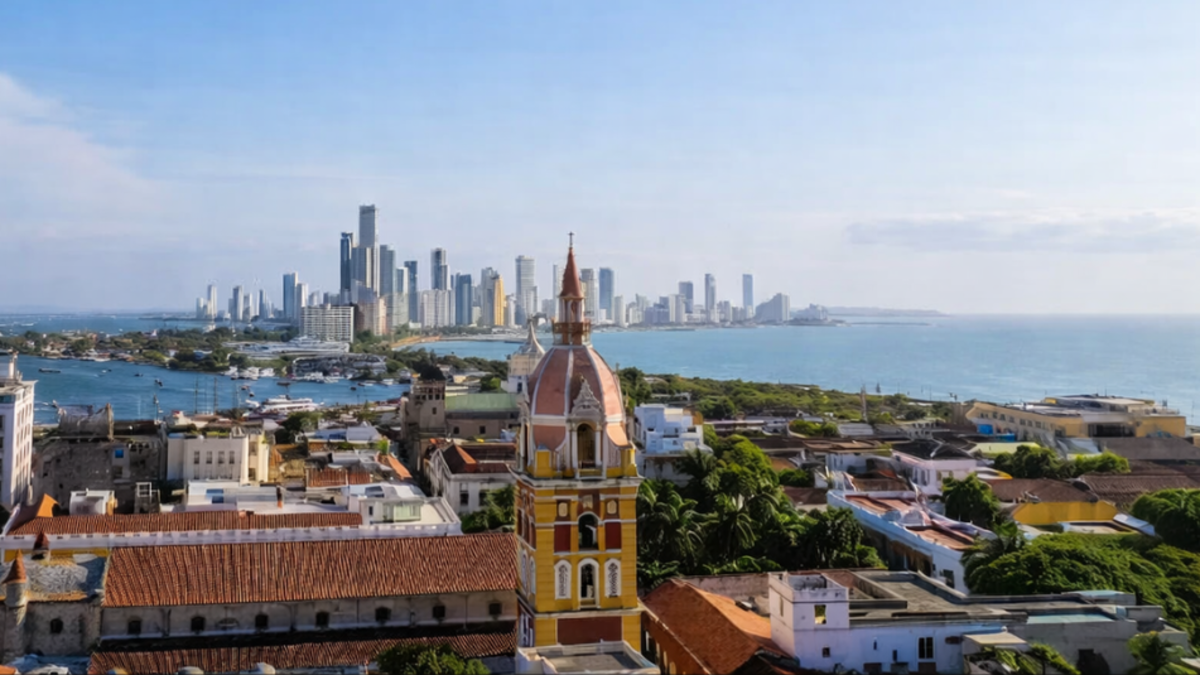
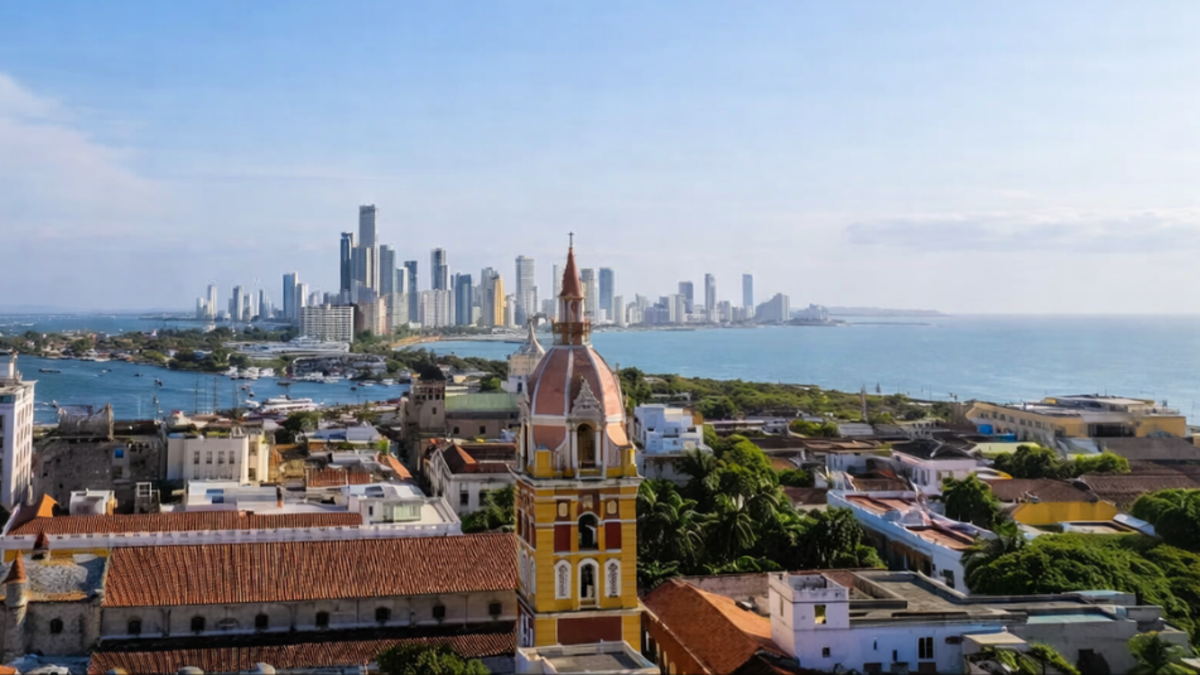
CARTAGENA, COLOMBIA — The historic and vibrant coastal city of Cartagena de Indias is currently immersed in a wave of vibrant celebrations, marking the 215th anniversary of its historic Declaration of Independence. Spanning from November 8 to November 16, this year’s festivities have transformed the "Heroic City" into a living museum of color, rhythm, and historical pride.
Beyond the local revelry, the celebrations serve as a major economic and tourism engine for the region. According to projections released by the Corporation for Tourism of Cartagena de Indias (Corpoturismo), the city expects to welcome an impressive 112,706 passengers via air travel alone between November 6 and November 16. This influx of domestic and international visitors underscores Cartagena’s enduring appeal not just as a sun-and-sand Caribbean destination, but as a cultural epicenter rich with profound historical significance.
Main Facts: The Heart of the 215th Independence Celebrations
The core of the celebrations commemorates November 11, 1811, the momentous day when Cartagena broke free from the Spanish Crown, becoming one of the first territories in the region to declare absolute independence.
This year’s agenda successfully bridges centuries-old traditions with modern cultural expressions. The festivities are designed to highlight local heritage, foster community pride, and offer travelers an immersive look into the historic events that forged the identity of the capital of Bolívar.
Key highlights of the packed itinerary include:
- Massive Artistic Participation: The traditional Bando (Grand Independence Parade) featured an astounding assembly of approximately 10,000 artists, dancers, and actors.
- Tourism Surge: Over 112,000 air passengers arriving within a ten-day window, significantly boosting the local hotel, restaurant, and service sectors.
- Inclusive Cultural Showcases: Events like the Diversity March and the neighborhood-centric Cabildo de Getsemaní ensure that all facets of Cartagena’s modern and historical identity are represented.
- A-List Musical Encounters: Massive concerts featuring international and local superstars bridge historical commemoration with contemporary Caribbean party culture.
Chronology of Events: A Week of Rhythms and Remembrance
The schedule of events is meticulously curated to take residents and visitors on a chronological and cultural journey through Cartagena’s past and present.

November 8: The Desfile de la Diversidad
The festivities officially gained momentum with the Desfile de la Diversidad (Diversity Parade), spearheaded by the Institute of Heritage and Culture of Cartagena (IPCC). This vibrant march highlights the pluralism of sexual and gender identities, seamlessly weaving modern social inclusion into the fabric of the city’s traditional festivities.
November 12: The Grand Bando Parade
One of the absolute centerpieces of the anniversary occurred on Thursday, November 12. Beginning at 10:00 a.m. along the iconic Avenida Santander, the Gran Desfile de Independencia—popularly known as El Bando—paraded nearly 10,000 artists before thousands of cheering spectators. Elaborate floats, folkloric dance troupes, and theatrical performance groups brought historical narratives and Caribbean rhythms to life.
Later that same evening, the energy shifted to the historic Plaza de Toros, which hosted the massive Cervezódromo musical event. Headlined by reggaeton and urban artists such as Yailín La Más Viral, alongside local favorites Zaider, Julio Rojas, Koffe El Kafetero, and DJ Tremendo, the concert brought a modern festive pulse supported by brand partners like Andina Light.
November 13 and 14: Festival Náutico and Bololó del Arsenal
The celebrations turned toward the water on Friday and Saturday. The Bahía de las Ánimas and the lively Calle del Arsenal served as the picturesque backdrops for the Festival Náutico and the Bololó del Arsenal. These waterfront events merged maritime traditions with high-energy concerts. Music heavyweights—including international icon Juan Luis Guerra, Grupo Niche, Bééle, Criss y Ronny, Zaider, Héctor Nazza, and DJ Dever—performed against the backdrop of Cartagena’s stunning colonial bay.
November 15: The Cabildo de Getsemaní
As the week draws toward its conclusion, the focus returns firmly to grassroots community heritage. On Sunday, November 15, the Cabildo de Getsemaní will flood the narrow, mural-adorned streets of Getsemaní with traditional drumming, dance, and ancestral performance art, honoring the neighborhood’s foundational role in the 1811 uprisings.
Supporting Data: Economic Impact and Tourism Metrics
The cultural vitality of the Independence festivities translates directly into robust economic indicators for Cartagena. Corpoturismo’s data projecting 112,706 air arrivals between November 6 and November 16 highlights the critical importance of cultural tourism to the local economy.

Tourism authorities note that visitors during this specific window tend to stay longer than the average weekend traveler, as they seek to experience the full spectrum of events. Beyond lodging, the economic ripple effect touches:
- The Gastronomic Sector: Traditional restaurants and street-food vendors experience surges in demand for local delicacies like arepa de huevo and fresh seafood.
- The Events and Entertainment Industry: Hundreds of sound technicians, stage designers, security personnel, and hospitality workers find temporary or enhanced employment.
- The Guided Tour Ecosystem: Platforms specializing in cultural excursions report heightened bookings for historical walking tours, maritime trips, and anthropological excursions outside the city walls.
Official Responses and Institutional Perspectives
Local government bodies and cultural institutions have emphasized that the 215th anniversary is not merely a party, but an essential exercise in collective memory and social cohesion.
The Mayor’s Office of Cartagena (Alcaldía de Cartagena) noted that the massive turnout for events like El Bando demonstrates the deep-rooted civic pride of the citizenry. Officials stressed that decentralizing the events—taking them out of exclusive venues and placing them into the streets, plazas, and working-class neighborhoods—ensures that the celebration belongs to everyone.

Meanwhile, the Instituto de Patrimonio y Cultura de Cartagena (IPCC) underscored the importance of incorporating modern social movements, such as the LGBTQ+ Diversity Parade, into the historical schedule. According to the IPCC, true independence and freedom must be reflected in the protection and celebration of all modern identities that make up contemporary Cartagena.
Corpoturismo has likewise framed the festival as a masterclass in destination marketing, proving that Cartagena can successfully market its intangible cultural heritage alongside its tangible colonial architecture.
Implications: Exploring Cartagena Beyond the Stone Walls
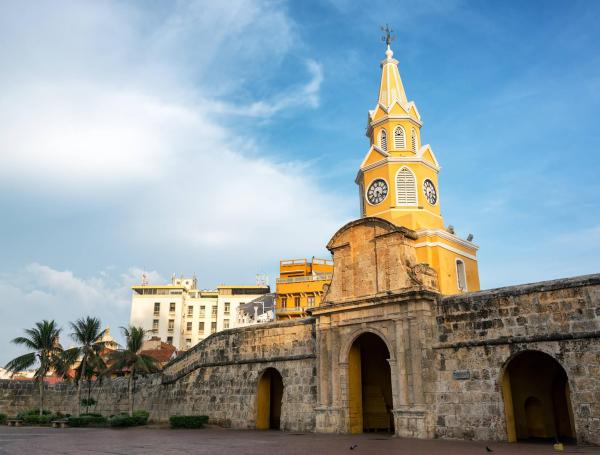
While the fortifications and the UNESCO-listed walled city inevitably capture the primary gaze of international travelers, the November celebrations invite a much deeper, more nuanced exploration of the region. Tourism platforms, such as Civitatis, have spotlighted alternative itineraries that take visitors far beyond the standard tourist path.

1. The Revolutionary Spirit of Getsemaní
Just outside the main walled enclosure lies Getsemaní, a neighborhood whose historical weight cannot be overstated. It was here, on November 11, 1811, that the Lanceros de Getsemaní, spearheaded by local hero Pedro Romero, marched to the Government House to forcefully demand absolute independence from Spain. Today, walking through Getsemaní offers visitors a juxtaposition of this revolutionary history with vibrant contemporary street art, graffiti murals, and lively community plazas.
2. Pirates, Corsairs, and the Naval Museum
For history buffs, tracing the maritime conflicts of the colonial era is essential. The city’s extensive fortifications were not built overnight; they were a direct response to relentless pirate attacks. A prime example is the infamous 1586 siege led by English corsair Francis Drake, an event that laid bare the vulnerability of the Spanish port and catalyzed the construction of Cartagena’s legendary defensive wall and fort system, which visitors can explore today through specialized tours and the Naval Museum of the Caribbean.
3. San Basilio de Palenque: Roots of Resistance
Located just a short journey outside the city lies San Basilio de Palenque, a community holding profound historical and sociological significance. Long before the independence of 1811, Palenque was founded by runaway enslaved Africans who carved out a free society. Led by figures like Benkos Biohó, the community preserved its African-derived linguistic, musical, and social traditions. In recognition of its invaluable contribution to human history, UNESCO inscribed the Cultural Space of Palenque on the Representative List of the Intangible Cultural Heritage of Humanity in 2008.

4. Afro-Caribbean Heritage and the Rhythm of Champeta
Cartagena’s identity is inextricably linked to its African heritage. Specialized cultural tours guide visitors through sites like the Plaza de la Proclamación, the Church of San Pedro Claver, and the Plaza de la Aduana, unpacking how African traditions shaped local cuisine, religion, and attire—such as the iconic turbents worn by Palenqueras.
Crucially, no exploration of modern Cartagena is complete without understanding champeta. Born in the working-class neighborhoods, this musical genre blends African souk, reggae, and Caribbean rhythms. Amplified by the legendary picós (colossal, custom-built sound systems), champeta is the heartbeat of modern Cartagena street culture. Tours dedicated to this genre allow visitors to trace its origins from marginalized neighborhoods to a celebrated pillar of Caribbean identity.
Conclusion
As Cartagena de Indias wraps up its 215th-anniversary celebrations, the city once again proves its unique capability to honor its tumultuous, heroic past while throwing open its doors to the future. By intertwining massive artistic parades, high-profile concerts, and deep-dive historical tourism, the Heroic City cements its status not just as a Caribbean paradise, but as a living testament to resilience, freedom, and cultural pride.